

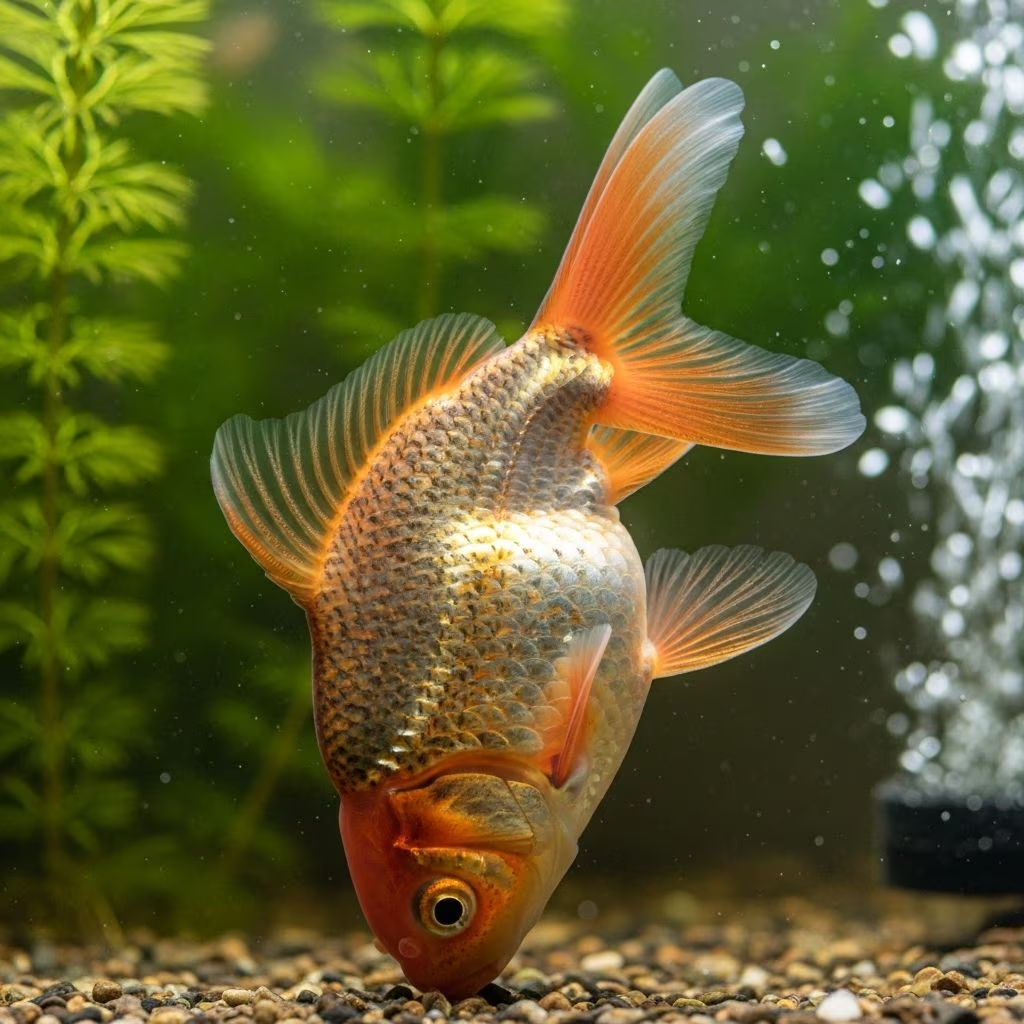
Understanding Swim Bladder Disease in Fish
Swim bladder disease is a common condition that affects many aquarium fish, significantly impacting their ability to swim and maintain proper balance in the water column. This condition occurs when the swim bladder, a gas-filled organ that helps fish control their buoyancy, becomes impaired or damaged. When swim bladder function is compromised, fish struggle to maintain their position in the water, often floating uncontrollably at the surface or sinking to the bottom of the tank. Fast treatment and proper intervention can increase the chance of full recovery, making it essential for fish owners to recognize the signs and understand available treatment options.
Key Takeaways About Swim Bladder Disease
- Swim bladder disease directly affects a fish’s ability to swim and maintain proper balance
- Multiple causes contribute to this condition, including poor water quality, improper diet, bacterial infections, and parasites
- Treatment typically involves adjusting water quality, maintaining stable temperatures, and feeding appropriate food portions
- Early intervention significantly improves the likelihood of complete recovery
What Causes Swim Bladder Disease in Fish?
Swim bladder disease can develop from various underlying issues, making diagnosis and treatment challenging. Understanding these causes is crucial for preventing the condition and implementing effective solutions. The complexity of potential contributing factors means that accurate identification of the root cause is essential for successful treatment.
Primary Causes of Swim Bladder Problems
- Poor water quality: Elevated levels of ammonia, nitrite, or nitrate create stress on fish and compromise their immune systems
- Overeating and improper diet: Feeding excessive amounts or the wrong types of food can cause digestive issues leading to buoyancy problems
- Sudden temperature swings: Rapid changes in water temperature stress fish and disrupt normal physiological functions
- Bacterial infections: Secondary bacterial infections are among the most common causes of swim bladder disorders
- Parasites: Parasitic infestations can damage internal organs and affect swim bladder function
- Impaired organs: Damage to other internal organs can indirectly affect swim bladder performance
- Physical trauma: Injuries from shipping, improper handling, or aggressive interactions with tank mates can cause lasting damage
Recognizing the Symptoms of Swim Bladder Disease
Early identification of swim bladder disease symptoms allows for prompt treatment and better outcomes. Fish owners should familiarize themselves with the behavioral and physical signs that indicate a problem with their fish’s buoyancy control.
Common Symptoms to Watch For
Difficulty maintaining position: Your fish may struggle to stay at their preferred depth in the water column, unable to control whether they float or sink.
Floating on the surface: Affected fish often spend most of their time floating at the surface of the tank, potentially upside down in advanced cases. These fish have difficulty descending through the water column and may be unable to do so at all.
Distended belly: Your fish’s abdomen will appear full or bloated, and the fish will struggle to maneuver normally. This symptom often indicates digestive or organ issues contributing to buoyancy problems.
Swimming on their side: Fish may swim horizontally or at unusual angles rather than maintaining their normal upright position.
Loss of appetite: Affected fish may show decreased interest in food or difficulty eating due to their compromised physical condition.
Lethargy: Reduced activity levels and decreased responsiveness to their environment are common signs of swim bladder distress.
Step-by-Step Treatment for Swim Bladder Disease
Treating swim bladder disease requires a systematic approach that addresses the underlying cause while supporting your fish’s recovery. The following treatment steps should be implemented in sequence, with adjustments based on your fish’s progress.
Step 1: Test and Correct Water Quality
Water quality is fundamental to fish health and recovery. Poor water conditions stress fish and compromise their immune systems, making swim bladder disease worse. Begin by testing your aquarium water for key parameters and addressing any issues immediately.
| Test Result | Course of Action |
|---|---|
| Any level of ammonia or nitrite | Perform substantial water changes (25-50% of the tank volume) until levels are no longer detectable |
| High nitrate levels | Conduct substantial water changes (25-50% of the tank volume) until levels return to acceptable ranges for your fish species |
| pH too low or too high | Use aquarium water treatment products designed to raise or lower pH to appropriate levels |
The recommended ranges for all water parameters vary depending on your specific fish species, so consult with a veterinarian or fish expert about the ideal parameters for your tank.
Step 2: Adjust Feeding and Diet
Improper feeding is a major contributor to swim bladder disease. Overfeeding causes digestive stress and gas accumulation in the intestines, while feeding inappropriate food types can also cause problems. Implement these dietary adjustments:
- Reduce feeding amounts significantly or fast your fish for several days to allow their digestive system to recover
- Feed smaller portions more frequently rather than large meals
- Switch to high-quality, appropriately-sized food for your fish species
- Introduce sinking or neutrally buoyant foods that won’t cause excess air intake
- Include green vegetables such as blanched and crushed peas to aid digestion
- Hand feed your fish to ensure proper portion control and prevent competition at feeding time
Step 3: Maintain Stable Water Temperature
Temperature stability is critical for fish health and recovery. Sudden temperature fluctuations stress fish and exacerbate swim bladder problems. Maintain consistent water temperature appropriate for your fish species, and if adjustments are needed, make them gradually over several days. Cold water in particular can worsen swim bladder issues, so ensure adequate heating if your tank temperature drops below recommended levels.
Step 4: Try an Antibiotic if Needed
If your fish doesn’t show improvement after implementing the above measures, bacterial infection may be the underlying cause. Secondary bacterial infections are among the most common contributors to swim bladder disorders. In these cases, pharmaceutical intervention with broad-spectrum antibiotics becomes necessary. Consult with a fish veterinarian or aquatic specialist about appropriate antibiotic options for your specific situation. Common treatments include products with erythromycin or other established fish antibacterials designed to eliminate bacterial infections and support recovery.
Additional Treatment Strategies for Severe Cases
For fish that don’t respond to standard treatments or show severe symptoms, additional interventions may be necessary to support recovery.
Epsom Salt Treatments
Epsom salt can help fish with bloating and digestive issues by encouraging proper bowel movements. Add the appropriate amount of aquarium salt and Epsom salt to your fish’s water or isolate the fish in a treatment tank with these salts. This approach helps reduce abdominal distension and supports the fish’s ability to process waste normally.
Isolation and Hospital Tank Setup
Isolating affected fish in a separate hospital tank removes stress from tank mates and allows for focused treatment. In a hospital tank, you can:
- Maintain optimal water conditions specific to treatment needs
- Monitor the fish closely for progress and complications
- Ensure proper medication dosing without affecting other tank inhabitants
- Control feeding and dietary adjustments precisely
- Reduce stress from competition and aggression
Surface Management for Floating Fish
Fish that float at the surface often develop redness and damage to exposed areas. To manage this:
- Keep water levels lower (approximately 12 inches or 300mm deep) to reduce the distance fish must travel to reach air
- Place bubble wrap or foam on the water surface to keep floating fish moist and protect their slime coat
- Monitor for signs of fin damage or redness and increase salt levels if these develop
Recovery Timeline and Expectations
Recovery time from swim bladder disease varies significantly depending on the severity of the condition, the underlying cause, treatment effectiveness, and the overall health of your fish. With appropriate care and treatment, some fish show improvement within one to two weeks. However, more severe cases may require several weeks for full recovery. If a fish doesn’t respond to treatment after several weeks, the condition may be permanent, requiring ongoing management rather than cure.
Preventing Swim Bladder Disease
Prevention is always preferable to treatment. Maintain these practices to reduce the risk of swim bladder disease:
- Test water parameters regularly and maintain optimal conditions for your fish species
- Feed appropriate portions of high-quality food designed for your specific fish
- Maintain consistent water temperatures within the proper range
- Perform regular partial water changes to keep water clean and reduce stress
- Minimize physical trauma by handling fish carefully and avoiding aggressive tank mates
- Quarantine new fish before introducing them to established tanks
- Monitor your fish daily for behavioral changes or signs of illness
Frequently Asked Questions About Swim Bladder Disease
Q: Is swim bladder disease contagious to other fish?
A: Swim bladder disease itself is not contagious, but if it’s caused by a bacterial infection or parasite, those organisms could potentially spread to other tank inhabitants. This is why isolation in a hospital tank is often recommended.
Q: Can fish recover completely from swim bladder disease?
A: Yes, many fish recover completely if treatment begins promptly and the underlying cause is successfully addressed. However, some cases result in permanent damage, especially if treatment is delayed or the fish has severe organ damage.
Q: How long should I fast my fish during treatment?
A: Fasting periods typically last 2-7 days depending on the severity. After fasting, reintroduce food gradually with small portions of high-quality, easily digestible foods like live food or blanched vegetables.
Q: What food should I feed a fish recovering from swim bladder disease?
A: Feed small portions of sinking foods, high-quality pellets, and green vegetables like blanched peas. Avoid floating foods that may cause excess air intake. Hand feeding ensures proper portion control.
Q: Should I use salt treatment for all swim bladder cases?
A: Salt treatment can help with osmoregulation and reduce bloating, but effectiveness varies. Consult with a fish veterinarian about whether salt treatment is appropriate for your specific fish species and situation.
Q: When should I use antibiotics for swim bladder disease?
A: Antibiotics are appropriate when bacterial infection is suspected or when standard treatments haven’t improved the condition after several days. A fish veterinarian can help determine if antibiotics are necessary.
Q: Can I return a fish with permanent swim bladder damage to my main tank?
A: Yes, but with modifications. Lower water levels, reduce aggressive tank mates, ensure easy access to the surface, and monitor for secondary infections. Many fish adapt well to permanent buoyancy issues with proper management.
References
- Swim Bladder Disease in Fish: Causes and Treatment — Chewy. 2025. https://www.chewy.com/education/fish/general/what-is-swim-bladder-disease-and-how-is-it-treated
- Swim Bladder Disorders in Fish — PetMD. 2024. https://www.petmd.com/fish/conditions/respiratory/swim-bladder-disorders-fish
- Goldfish Swim Bladder Disorder Causes and Cures — About Goldfish. 2025. https://www.about-goldfish.com/swim-bladder-disorder.html
- Swim Bladder Infections — Interpet. 2024. https://interpet.co.uk/support/we-can-help-you-with/your-fish/your-fish-health/swim-bladder-infections/
- How to Fix Swim Bladder Disease in Fish — Aquatic Veterinary Services. 2024. https://cafishvet.com/fish-health-disease/swim-bladder-disease/



