
Sweet Clover Poisoning In Livestock: Treatment And Prevention
Discover the hidden dangers of moldy sweet clover for cattle and horses, from symptoms to life-saving treatments and prevention strategies.
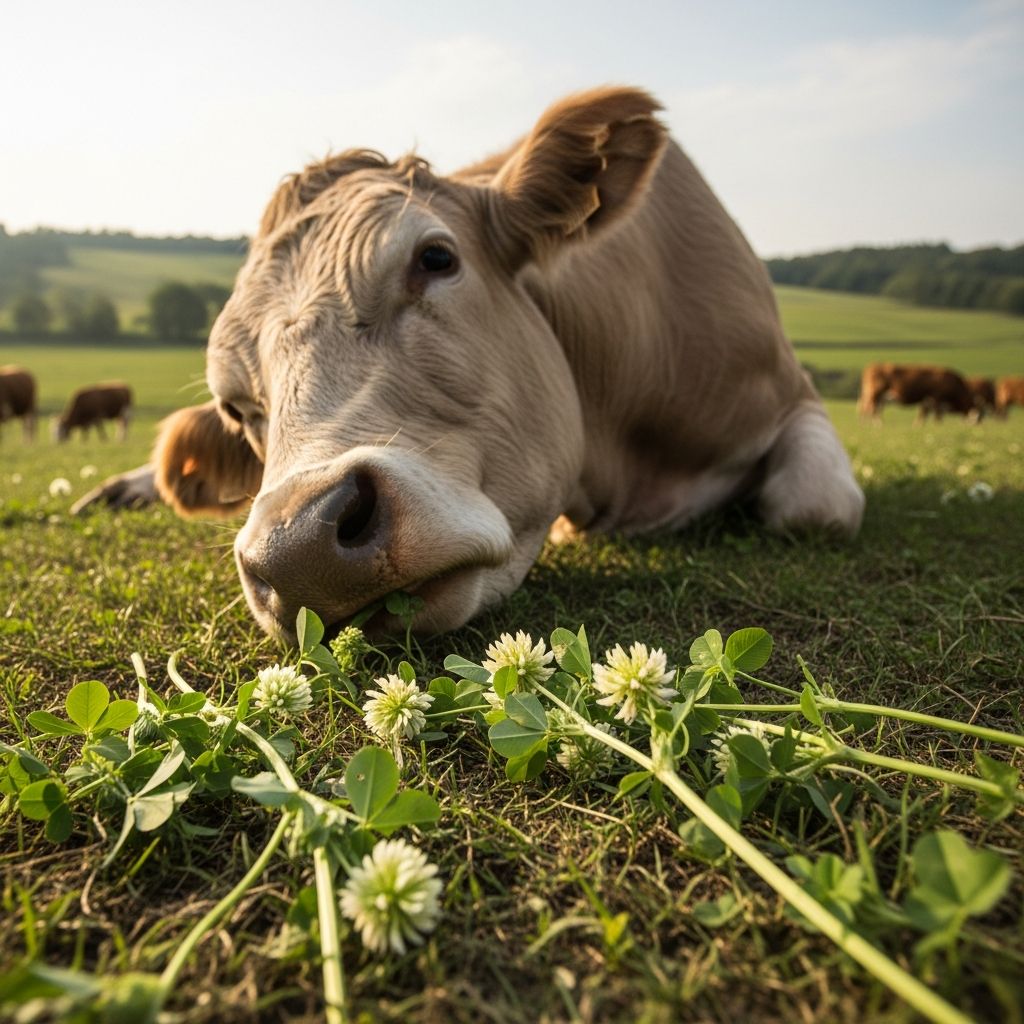
Sweet clover poisoning arises when livestock ingest moldy sweet clover hay or silage contaminated with dicoumarol, an anticoagulant toxin that disrupts blood clotting and leads to potentially fatal hemorrhages. This condition primarily affects cattle but can occur in horses and other ruminants, often impacting entire herds before symptoms become evident.
Understanding the Toxin Behind the Threat
Dicoumarol forms when fungi mold improperly cured sweet clover (Melilotus species), converting natural coumarins into this potent blood thinner. Unlike fresh sweet clover, which is nutritious forage, spoiled versions pose a serious risk, especially during winter feeding when hay quality matters most. The toxin’s persistence means symptoms may appear weeks after initial exposure, complicating early detection.
Ruminants like cattle are particularly susceptible because their digestive systems facilitate dicoumarol absorption. Horses face rarer but similar dangers, with internal bleeding threatening life without prompt intervention.
Recognizing Early Warning Signs
Clinical manifestations stem from impaired clotting factor production, resulting in spontaneous or injury-exacerbated bleeding. Common indicators include:
- Visible bruising on pale skin areas
- Bleeding from the nose (epistaxis) or gums
- Stiffness, lameness, or reluctance to move due to muscle/joint hemorrhages
- Bloody feces or urine from gastrointestinal or urinary tract bleeds
- Sudden weakness, pallor, or collapse in advanced cases
Often, the first alert is an unexplained herd death, as subtle signs hide under fur or pigmentation. Lameness might mimic other issues like foot rot, delaying recognition.
How Diagnosis Confirms Suspicion
Veterinarians rely on history of moldy sweet clover exposure combined with clinical exams showing prolonged clotting times (e.g., prothrombin time tests). Necropsies reveal widespread hemorrhages in tissues, confirming the diagnosis postmortem. Specific dicoumarol assays exist but are rarely available, making herd context crucial—isolated cases are unlikely.
| Diagnostic Clue | Description | Supporting Evidence |
|---|---|---|
| Clotting Tests | Extended prothrombin/partial thromboplastin times | Directly measures anticoagulant effect |
| Herd History | Multiple animals affected after hay feeding | Ruled out individual diseases |
| Necropsy | Internal/external hemorrhages | Pathognomonic for dicoumarol |
Immediate Treatment Protocols
Success hinges on rapid action: halt exposure by discarding suspect feed and initiate supportive care. Core treatments include:
- Whole blood transfusions: Delivers clotting factors instantly; 2-10L per 450kg body weight IV, from healthy donors.
- Vitamin K1 (phytonadione): Preferred antidote at 1mg/kg IM every 8-12 hours for 2 days; restores coagulation over 24+ hours. Avoid IV due to anaphylaxis risk.
- Vitamin K3 (menadione): Cheaper alternative, injectable or oral, but less potent.
Mild cases resolve with feed change and vitamin K alone, while severe anemia demands transfusions. Monitor whole herds, as subclinical cases abound. Prognosis improves dramatically with early vet involvement.
Prevention: Proactive Farm Management
Avoiding poisoning starts at harvest: cure sweet clover thoroughly before baling to minimize molding. Key strategies:
- Dilute suspect hay: Alternate 7-10 days sweet clover with alfalfa/grass mixes to limit dicoumarol buildup.
- High-risk animals: Withhold sweet clover 3-4 weeks pre-surgery/parturition.
- Feed testing: Blend low-level contaminated hay safely, but discard heavily molded batches.
- Storage: Ensure dry, well-ventilated stacks to prevent spoilage pockets.
High-vitamin K feeds like quality alfalfa aid natural counteraction post-exposure.
Species-Specific Risks and Responses
Cattle: The Primary Victims
Cattle dominate cases due to full-rumen fermentation promoting dicoumarol. Outbreaks spike after prolonged moldy hay feeding (2 weeks to 4 months).
Horses: Less Common but Deadly
Rarer in horses, yet herd-wide risks persist. Symptoms mirror cattle, with no antidote—focus on vitamin K1 and transfusions.
Other Livestock Considerations
Sheep and goats show variable susceptibility; avoid feeding moldy sweet clover universally.
Case Studies and Field Insights
Real-world reports highlight herd devastation: one operation lost multiple cattle to undetected spoilage until lameness surged. Prompt transfusions saved survivors. Another prevented losses by rotational feeding, proving dilution works.
Research confirms vitamin K1 efficacy: calves dosed 1.1-3.3mg/kg IM recovered fully from experimental poisoning.
Frequently Asked Questions
What triggers sweet clover poisoning?
Mold on improperly dried hay produces dicoumarol, absorbed during digestion.
Can animals recover fully?
Yes, with swift treatment; untreated cases often fatal.
Is testing hay feasible?
Labs quantify dicoumarol, but visual mold checks and history guide most decisions.
How long does dicoumarol linger?
Effects persist 6 days post-exposure; new symptoms possible.
Alternatives to sweet clover?
Alfalfa, grass-legume mixes provide safe nutrition.
Long-Term Farm Health Strategies
Integrate forage diversity, regular vet checks, and hay quality audits. Educate on risks during high-use seasons. Economic losses from deaths underscore investment in prevention.
For persistent issues, consult extension services for toxin-safe hybrids or testing protocols.
References
- Moldy Sweet Clover Poisoning (Dicoumarol Toxicosis) in Horses — Vetster. Accessed 2026. https://vetster.com/en/conditions/horse/moldy-sweet-clover-poisoning-dicoumarol-toxicosis
- Vet Advice: Sweet clover poisoning in cattle — Canadian Cattlemen. Accessed 2026. https://www.canadiancattlemen.ca/vet-advice/vet-advice-sweet-clover-poisoning-in-cattle/
- Moldy Sweet Clover Poisoning in Animals — MSD Veterinary Manual. Accessed 2026. https://www.msdvetmanual.com/toxicology/moldy-sweet-clover-poisoning/moldy-sweet-clover-poisoning-in-animals
- Moldy sweetclover poisoning in cattle — PubMed (Peer-reviewed). 1980-01-01. https://pubmed.ncbi.nlm.nih.gov/6159060/
- Sweet Clover Poisoning — Iowa Beef Center (PDF). Accessed 2026. https://www.iowabeefcenter.org/bch/SweetCloverPoisoning.pdf
- Vitamin K treatment of sweet clover poisoning in calves — PubMed (Peer-reviewed). 1985-01-01. https://pubmed.ncbi.nlm.nih.gov/2414258/
- Sweet Clover Poisoning — SDSU Extension. Accessed 2026. https://extension.sdstate.edu/sweet-clover-poisoning
Similar Articles








Read full bio of Sneha Tete


