

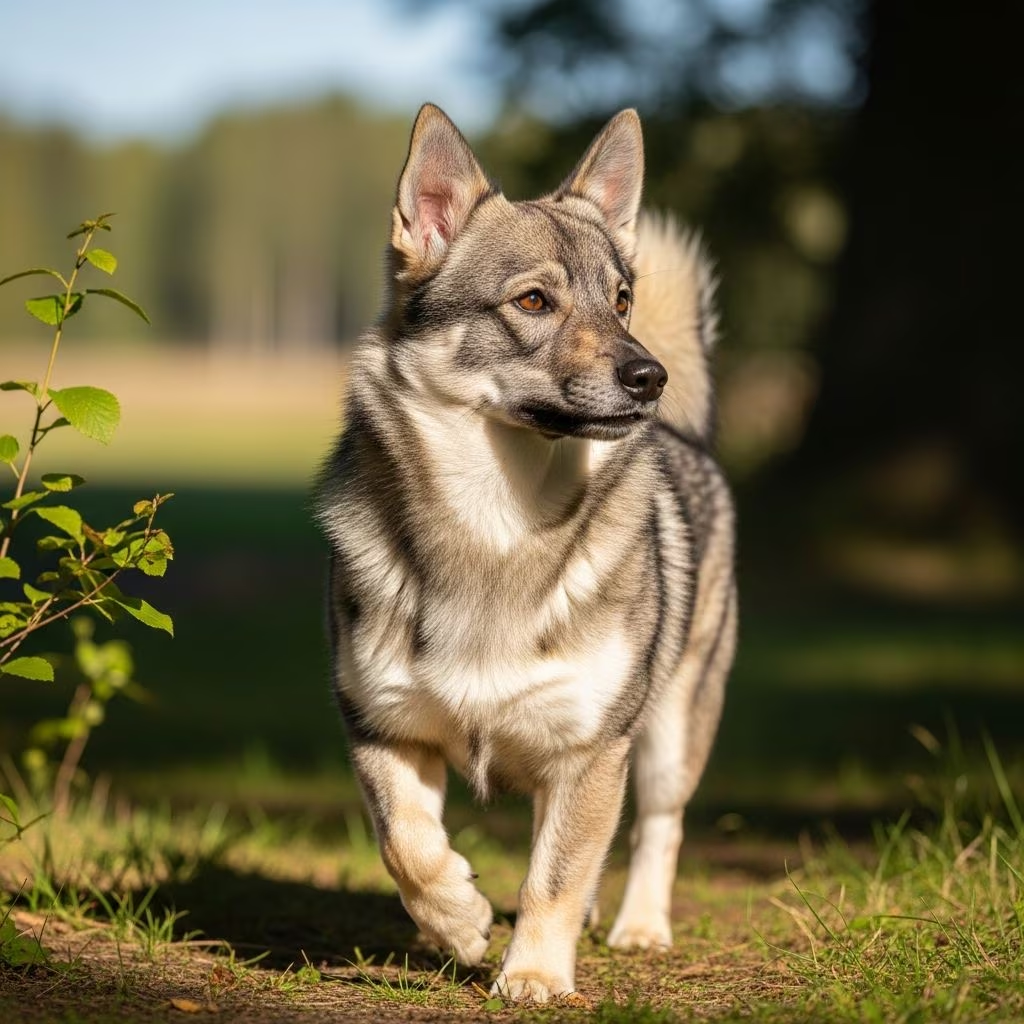
The Swedish Vallhund, a spirited herding breed with roots tracing back to ancient Viking times, captivates dog lovers with its intelligence, agility, and loyal personality. Standing 11 to 14 inches tall and weighing 20 to 35 pounds, these compact dogs boast a double coat in shades of gray, brown, or red, often featuring distinctive harness markings. Known for their long body and short legs, Swedish Vallhunds thrive in active environments, excelling in agility, obedience, and herding trials. With an average lifespan of 12 to 15 years, they are generally hardy, but like many purebreds, they face specific health vulnerabilities that responsible owners must address.
Maintaining optimal health requires understanding breed predispositions, routine screenings, and lifestyle adjustments. This guide delves into prevalent conditions, offering practical advice drawn from veterinary insights to help your Vallhund live its best life.
Understanding Breed-Specific Vulnerabilities
Swedish Vallhunds inherit a robust constitution from their working heritage, yet their structure—particularly the elongated back and short limbs—predisposes them to orthopedic issues. Genetic factors also play a role in sensory disorders. Regular veterinary check-ups, starting from puppyhood, are essential for early detection. Owners should prioritize breeders who perform health clearances on breeding stock for hips, elbows, eyes, and hearts, as recommended by organizations like the Orthopedic Foundation for Animals (OFA) and the Canine Eye Registration Foundation (CERF).
- Genetic Screening Importance: Pre-purchase certifications reduce risks of inherited diseases.
- Lifestyle Factors: Balanced diet, exercise, and weight control mitigate many issues.
- Age Milestones: Puppies need growth monitoring; seniors require joint support.
Eye Health Challenges in Swedish Vallhunds
One of the most documented concerns is progressive retinal atrophy (PRA), a degenerative eye condition affecting night vision first. Studies indicate prevalence rates around 34.9% in the population, leading to gradual blindness by middle age. Symptoms include reluctance to navigate in dim light, bumping into objects, or dilated pupils. While incurable, PRA is painless, and dogs adapt well with environmental modifications like consistent furniture placement.
Other ocular risks include cataracts, which cloud the lens and impair vision, and distichiasis, where extra eyelashes irritate the cornea. Annual ophthalmologist exams are crucial, especially post-10 years. Preventive measures involve UV-protective eyewear during outdoor activities and antioxidant-rich diets to slow degeneration.
| Condition | Symptoms | Management |
|---|---|---|
| Progressive Retinal Atrophy | Night blindness, total vision loss | Genetic testing, home adaptations |
| Cataracts | Cloudy eyes, bumping objects | Surgery if early-stage |
| Distichiasis | Eye rubbing, tearing | Lash removal surgery |
Joint and Mobility Problems
The breed’s chondrodysplastic dwarfism-like build, with short legs and a long spine, heightens susceptibility to hip dysplasia, where the hip joint fails to form properly, causing lameness, pain, and arthritis. Elbow dysplasia and patellar luxation (kneecap dislocation) also occur, exacerbated by obesity or overexertion on hard surfaces. Early signs manifest as limping after play, reluctance to jump, or bunny-hopping gait.
Diagnosis via X-rays allows interventions like joint supplements (glucosamine, chondroitin), hydrotherapy, or surgery in severe cases. Weight management is paramount; maintain ideal body condition through portion-controlled, high-quality kibble formulated for medium-energy breeds. Low-impact exercises such as swimming preserve muscle without joint stress.
- Avoid high-impact activities in puppies to protect developing joints.
- Use orthopedic beds to support spine alignment during rest.
- Monitor for signs of pain, like whining or stiffness upon rising.
Spinal and Neurological Risks
Intervertebral disc disease (IVDD) poses a serious threat due to the elongated back. Discs herniate, compressing the spinal cord and resulting in paralysis, incontinence, or severe pain. Vallhunds with exaggerated body proportions are at higher risk. Symptoms range from back pain and arched posture to dragging hind legs.
Preventive strategies include ramps for car access, no jumping from heights, and core-strengthening exercises. If suspected, immediate MRI and neurosurgery consultation can yield positive outcomes, with many dogs regaining function via strict crate rest and rehabilitation.
Cardiac and Respiratory Considerations
Though less common, some lines carry risks for patent ductus arteriosus (PDA), a congenital heart defect where a fetal vessel fails to close, leading to heart murmurs and fatigue. Routine auscultation detects this early. Obesity strains the heart, so monitor caloric intake rigorously.
Respiratory issues arise in brachycephalic-adjacent traits, but Vallhunds generally breathe well. However, deep snow challenges short legs, increasing cold exposure risks. Provide booties and coats in winter.
Cancer and Thyroid Disorders
Mammary tumors and hemangiosarcoma appear in older Vallhunds, often linked to spay/neuter timing. Hemangiosarcoma, aggressive and spleen-based, causes sudden weakness from internal bleeding. Spaying before first heat reduces mammary cancer risk by 99%, per veterinary studies.
Hypothyroidism slows metabolism, causing weight gain, lethargy, and coat dullness. Blood panels confirm and treat with lifelong levothyroxine.
Preventive Wellness Strategies
Proactive care extends lifespan. Vaccinate per schedule, deworm quarterly, and use flea/tick preventives. Dental hygiene prevents periodontal disease via brushing and chews. Nutrition: 25-30% protein diets support lean muscle.
Exercise: 60 minutes daily of walks, fetch, or herding games curbs barking and destructiveness. Mental stimulation via puzzle toys prevents boredom-induced behaviors.
Nutrition Tailored for Vitality
Feed age-appropriate formulas: puppy growth for first year, adult maintenance thereafter, senior joint formulas post-8 years. Avoid free-feeding to prevent gulping and bloat risk. Fresh water always; consider elevated bowls for back relief.
| Life Stage | Daily Calories | Key Nutrients |
|---|---|---|
| Puppy | 800-1200 | High protein, DHA for eyes |
| Adult | 1000-1400 | Balanced fats, glucosamine |
| Senior | 800-1100 | Antioxidants, omega-3s |
Grooming and Coat Maintenance
The harsh topcoat and dense undercoat shed seasonally. Brush thrice weekly with slicker tools; bathe monthly. Check ears for infections, nails monthly. This low-maintenance routine prevents mats and skin issues.
When to Consult a Veterinarian
Seek care for persistent limping, vision changes, appetite loss, or behavioral shifts. Emergency signs: collapse, seizures, or breathing distress. Build a relationship with a breed-savvy vet.
FAQs
How long do Swedish Vallhunds live?
Typically 12-15 years with proper care.
Are Swedish Vallhunds prone to hip dysplasia?
Yes, due to their structure; screenings are vital.
Can PRA be prevented in Vallhunds?
Not cured, but breeding from tested parents lowers incidence.
What exercise suits this breed?
Daily walks, agility, herding to match high energy.
Is the Swedish Vallhund good with kids?
Yes, patient if socialized early.
References
- Swedish Vallhund – Canna-Pet® — Canna-Pet. 2023. https://canna-pet.com/breed/swedish-vallhund/
- Swedish Vallhund — Wikipedia. 2024-01-15. https://en.wikipedia.org/wiki/Swedish_Vallhund
- Swedish Vallhund | Dog Breeds — PEDIGREE UK. 2023. https://www.uk.pedigree.com/dog-advice/dog-breeds/swedish-vallhund
- Swedish Vallhund Dog Breed Health and Care — PetMD. 2024-06-10. https://www.petmd.com/dog/breeds/swedish-valhund
- Swedish Vallhund – Pet Health Network — Pet Health Network. 2023. https://www.pethealthnetwork.com/dog-health/dog-breeds/swedish-vallhund
- Swedish Vallhund – Dog Breeds — American Kennel Club (AKC). 2024. https://www.akc.org/dog-breeds/swedish-vallhund/



