
Sustainable Poultry Farming: Organic Standards and Best Practices
Complete guide to establishing and maintaining certified organic poultry operations
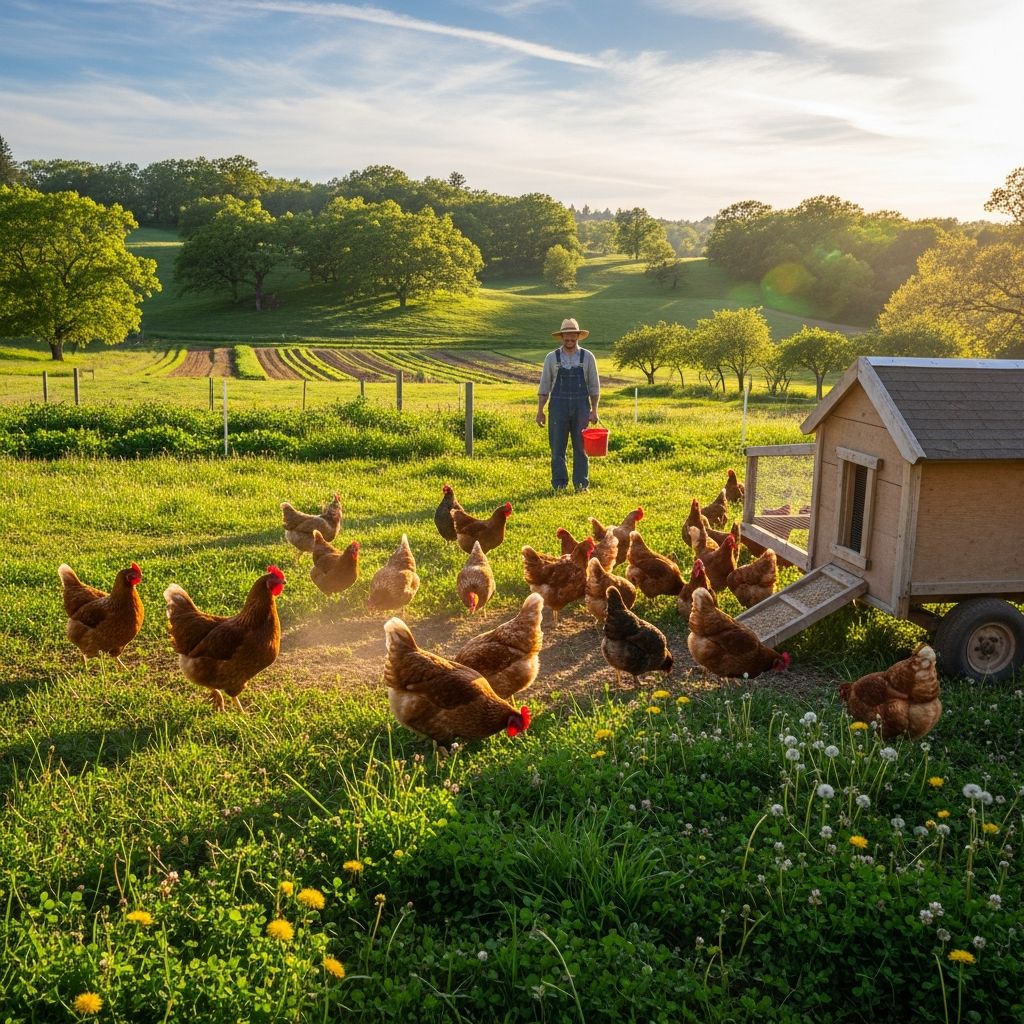
The transition toward organic poultry production represents a fundamental shift in how farmers approach bird husbandry, feed management, and farm operations. Unlike conventional systems that rely heavily on synthetic interventions, organic poultry farming emphasizes natural processes, ecosystem integration, and strict regulatory compliance. This approach addresses growing consumer demand for sustainably produced eggs and meat while promoting environmental stewardship and animal welfare standards that exceed baseline requirements.
Foundation Principles of Organic Poultry Systems
Organic poultry production operates under a philosophy that prioritizes land-based management practices where livestock populations remain balanced with the farm’s carrying capacity. Rather than relying on purchased external inputs or feedlots, organic systems integrate poultry into broader agricultural ecosystems, where birds contribute to nutrient cycling and biodiversity enhancement. This interconnected approach reduces dependence on non-renewable resources and synthetic substances while fostering resilient farming operations.
The core framework requires farmers to establish systems where livestock numbers align with available pasture and feed resources. This principle prevents the nutrient concentration and pollution issues common in intensive confinement systems. By maintaining appropriate stocking densities, farmers create conditions that support natural bird behaviors including foraging, dust bathing, and social interactions essential to poultry welfare.
Selecting Appropriate Poultry Breeds for Organic Conditions
Breed selection forms the foundation for successful organic operations. Dual-purpose breeds such as Rhode Island Reds, Plymouth Rocks, and Sussex chickens excel in organic environments because they possess inherent hardiness and disease resistance while maintaining productivity for both egg and meat production. These breeds demonstrate superior adaptation to free-range conditions, slower growth rates aligned with organic standards, and natural foraging abilities that reduce feed dependency.
Beyond dual-purpose breeds, farmers should prioritize birds with demonstrated resilience to outdoor environmental challenges. Australorps and Wyandottes represent excellent options for operations emphasizing disease resistance and adaptability to variable weather conditions. The selection process should emphasize:
- Natural vigor and disease-resistant genetics
- Adaptation to free-range and pasture environments
- Slower, more sustainable growth rates
- Capacity for foraging and natural feed supplementation
- Compatibility with smaller flock sizes typical in organic systems
Avoiding highly specialized broiler lines developed for intensive confinement ensures that birds can thrive under the less controlled conditions inherent to organic production systems.
Feed Management and Nutritional Requirements
Feed represents the most significant input cost in poultry production and the most heavily regulated component in organic systems. All feed ingredients must originate from certified organic sources, completely free from synthetic fertilizers, genetically modified organisms, pesticides, and herbicides. This requirement extends beyond simple grain sourcing to encompass careful verification of entire supply chains and ingredient processing methods.
Farmers should develop diverse feed portfolios incorporating organic grains such as maize, wheat, and soybean meal alongside essential mineral supplements including calcium for eggshell formation and grit for digestive function. On-farm grain processing using certified equipment provides opportunities for cost reduction while maintaining organic integrity. Additionally, pasture-based foraging supplements purchased feed, allowing birds to access fresh vegetation rich in natural nutrients.
Strategic pasture rotation every three to five days optimizes nutritional intake while reducing parasite loads and supporting vegetation recovery. This rotational grazing maintains biodiversity, improves soil health, and creates a self-reinforcing cycle where enhanced pasture quality reduces supplemental feed requirements.
Prohibited Feed Ingredients and Practices
Organic certification explicitly prohibits animal byproduct incorporation into poultry feed, eliminating slaughter byproducts and rendered proteins common in conventional operations. Growth hormones, antibiotics added prophylactically, and genetic engineering remain forbidden. These restrictions align organic production with broader sustainability objectives while supporting consumer confidence in product integrity.
Housing, Space, and Environmental Management
Outdoor access distinguishes organic systems from many conventional operations. Birds must have unrestricted access to outdoor areas during daylight hours, with confinement limited to nighttime shelter. This requirement fundamentally reshapes infrastructure design, requiring farmers to construct protective housing for roosting and egg-laying while ensuring safe outdoor spaces where birds express natural behaviors.
Stocking density limits prevent overcrowding and associated welfare concerns. Flocks typically remain below 3,000 birds in traditional free-range systems, though specific regulatory requirements vary by certification body. Lower population densities facilitate natural behaviors, reduce stress-related disease susceptibility, and enable farmers to maintain individual bird observations.
Housing design should incorporate:
- Adequate perching and nesting spaces for natural roosting behaviors
- Dust-bathing areas and environmental enrichment
- Protection from predators through secure fencing and covered runs
- Adequate ventilation preventing moisture accumulation and respiratory disease
- Easy access points allowing daily outdoor movement
Disease Prevention and Health Management Protocols
Organic poultry operations must establish preventative health management strategies that reduce disease incidence through proper management rather than pharmaceutical intervention. This approach does not prohibit treatment of sick birds; instead, it emphasizes prevention through housing design, biosecurity, breed selection, and husbandry practices that minimize disease exposure.
When disease outbreaks occur, treatment is permitted and indeed required to prevent animal suffering. However, antibiotics used therapeutically require documentation and can only be utilized in genuine emergency circumstances. This distinction between therapeutic and prophylactic use fundamentally differs from conventional operations where routine antibiotic administration occurs as standard practice.
Core preventative strategies include:
- Quarantine protocols for new birds before integration into existing flocks
- Regular health monitoring and observation of individual bird behavior
- Biosecurity measures controlling visitor and equipment access to housing areas
- Environmental monitoring for early disease signs
- Vaccination programs utilizing approved preparations
- Parasite management through pasture rotation and housing sanitation
Cleaning and Sanitation Using Approved Substances
Maintenance of hygienic housing conditions prevents disease while avoiding synthetic chemical disinfectants prohibited in organic operations. Natural cleaning agents including lime, vinegar solutions, and neem oil effectively reduce microbial populations while remaining compliant with certification standards. These alternatives require more frequent application and sometimes additional labor but maintain organic integrity without compromising sanitation objectives.
Regular housing cleaning, prompt removal of soiled bedding, and adequate ventilation create inhospitable environments for pathogenic organisms. Integration of these practices with natural cleaning agents establishes sustainable sanitation systems supporting both bird health and environmental protection.
Waste Management and Nutrient Cycling
Poultry manure represents a valuable resource in organic systems rather than a disposal problem. Composting poultry waste generates organic fertilizer suitable for crop production, closing nutrient loops and reducing external input requirements. Well-managed composting processes also reduce odor generation and prevent contamination of adjacent water resources.
Efficient waste management systems support environmental sustainability through:
- Composting procedures converting manure into stable organic matter
- Odor reduction benefiting surrounding communities
- Prevention of water contamination through proper containment and processing
- Integration of poultry into crop rotation systems
- Reduction of external fertilizer dependency
- Enhancement of soil biological activity and structure
This closed-loop approach exemplifies organic agriculture principles where outputs from one production component become inputs for another, creating self-sustaining farm ecosystems.
Regulatory Compliance and Documentation Requirements
Organic certification demands comprehensive record-keeping documenting all farm inputs, treatments, and operational decisions. Farmers must maintain detailed records of feed sources and suppliers, medication usage with dates and circumstances, cleaning and disinfection procedures, and all transactions related to poultry and products. These records undergo regular inspection by USDA-accredited certification agencies ensuring continued compliance with organic standards.
Successful organic operations establish robust documentation systems from inception, creating organizational infrastructure supporting regulatory review. Early consultation with certification agencies helps farmers design systems meeting approval criteria from the beginning rather than retrofitting operations to achieve compliance.
Essential documentation includes:
- Certified organic feed supplier credentials and ingredient sourcing
- Medication and treatment logs with therapeutic justifications
- Housing maintenance and sanitation records
- Environmental monitoring data and disease management responses
- Purchase receipts and supplier verification documentation
- Production records including bird populations and output metrics
Comparison: Organic Versus Free-Range Systems
| Characteristic | Organic Systems | Free-Range Systems |
|---|---|---|
| Feed Requirements | Certified organic only, no synthetic inputs | Any feed type permitted |
| Antibiotic Usage | Prohibited except emergency therapeutic treatment | Routine prophylactic use permitted |
| Outdoor Access | Daily unrestricted access required | Daily outdoor access provided |
| Stocking Density | Strictly regulated (under 3,000 birds typical) | Less regulated but lower than intensive |
| Documentation | Comprehensive records required for certification | Minimal regulatory documentation |
| Certification | USDA-accredited agency oversight | No formal certification required |
Establishing Pasture Infrastructure and Rotation Plans
Successful organic operations integrate pasture management as central to production strategy rather than supplementary to primary indoor operations. Establishing adequate outdoor areas requires planning for vegetated ground supporting foraging while providing predator protection and weatherproofing. Pasture rotation systems allow vegetation recovery while reducing parasite accumulation and maintaining biodiversity.
Infrastructure investments supporting pasture systems include secure fencing preventing predator incursion and escape, mobile housing structures facilitating pasture rotation, and water provision systems supporting birds in remote grazing areas. These capital investments offset operational cost reductions achieved through feed supplementation and natural parasite management.
Frequently Asked Questions About Organic Poultry Production
What certifies poultry as organic?
USDA-accredited certification agencies conduct inspections and issue organic certificates after verifying compliance with federal organic standards. Certification covers production practices, processing operations, and labeling integrity throughout the supply chain.
Can organic farmers use antibiotics?
Yes, antibiotics may be used when birds require treatment for documented disease. However, prophylactic or growth-promotion uses remain prohibited. Treated birds must be documented and typically cannot be sold as organic.
How often must pastures be rotated?
Optimal rotation occurs every three to five days, allowing vegetation recovery while reducing parasite load accumulation. Specific intervals depend on stocking density, pasture condition, and weather patterns.
What distinguishes organic from free-range chicken?
Organic systems require certified feed, prohibit routine antibiotics, mandate comprehensive record-keeping, and undergo formal certification. Free-range systems emphasize outdoor access without these additional regulatory requirements.
How large can organic flocks be?
Most organic systems maintain flocks under 3,000 birds, though specific limits vary by certification body and regulatory jurisdiction. Smaller flock sizes facilitate individual bird monitoring and natural behavior expression.
Transitioning Conventional Operations to Organic Production
Farmers converting existing poultry operations to organic systems must undergo transition periods allowing land and management systems to transition to organic standards. This process typically requires three years of compliant management before certification approval and often demands significant infrastructure investments in outdoor housing and pasture development.
Successful transitions require early consultation with certification agencies, comprehensive planning of feed sourcing and housing modifications, and gradual implementation of management changes supporting long-term operational viability. The investment perspective shifts from short-term cost minimization to sustainable profitability balancing input reduction with premium pricing for certified organic products.
Economic Considerations and Market Opportunities
While organic poultry production demands higher input costs for certified feed and infrastructure, market premiums for certified products often provide economic compensation. Consumer preference for sustainably produced poultry continues expanding, creating viable market opportunities for properly certified operations. Direct-to-consumer sales, farmer’s markets, and specialty retail outlets frequently command premium prices justifying the additional production costs.
Comprehensive financial analysis comparing conventional and organic approaches should incorporate feed cost differentials, infrastructure investments, labor requirements, and expected product premiums. Many successful organic operations achieve profitability comparable to or exceeding conventional systems while generating environmental and animal welfare benefits.
References
- Organic Poultry Farming Practices That Work — ARCC Journals. Retrieved from https://arccjournals.com/blog/organic-poultry-farming-practices-that-work
- Organic Laying Hens: Building a Sustainable and Profitable System — CABI. Retrieved from https://cabi-group.com/en/organic-laying-hens-building-a-sustainable-and-profitable-system/
- Requirements for Organic Poultry Production — eOrganic. Retrieved from https://eorganic.org/pages/69041/requirements-for-organic-poultry-production
- Organic Poultry Production — Research Institute of Organic Agriculture (FiBL). Retrieved from https://www.fibl.org/fileadmin/documents/shop/1578-poultry-africa.pdf
- How to Raise Organic & Free-Range Chickens: A Beginner’s Guide — Bivatec. Retrieved from https://www.bivatec.com/blog/raising-organic-or-free-range-chickens
- Organic & Conventional Poultry Farming – Best Guide (2026) — Blue Flame Biodigesters. Retrieved from https://www.blueflamebiodigesters.com/poultry-farming/
Similar Articles








Read full bio of Sneha Tete


