

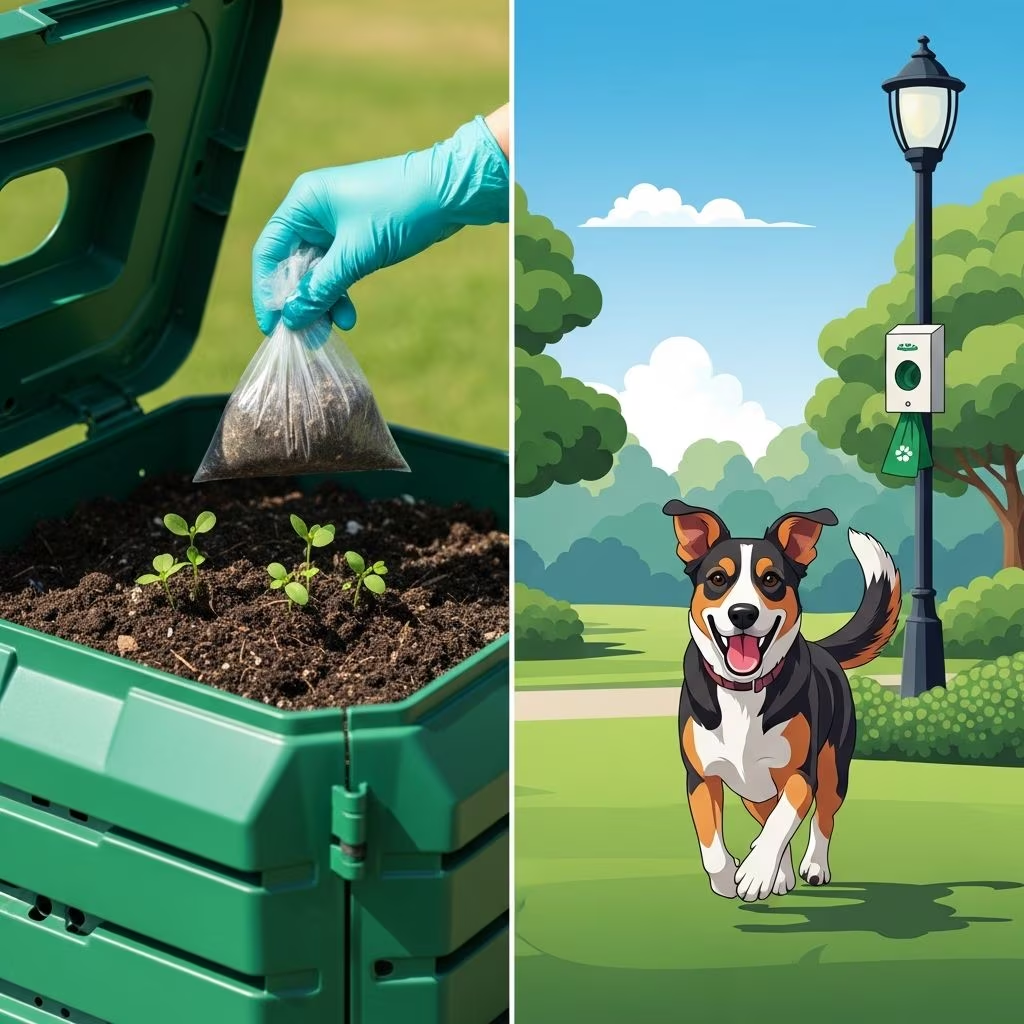
Dog ownership brings joy but also responsibility, particularly in managing waste to protect ecosystems. Traditional plastic bags contribute to landfill overflow, but greener alternatives exist for conscientious pet parents. This guide outlines proven strategies to handle dog poop sustainably, drawing from reliable environmental practices.
Understanding the Environmental Impact of Pet Waste
Dog waste contains pathogens, nitrogen, and phosphorus that pollute waterways when left unattended. Just a few days’ accumulation from multiple dogs can render miles of waterfront unsafe for recreation, as noted in environmental studies. Landfills exacerbate the issue since anaerobic conditions prevent decomposition of even biodegradable materials. Shifting to sustainable disposal reduces methane emissions and conserves resources.
Choosing the Right Poop Bags for Eco-Responsibility
Biodegradable and compostable bags offer a step up from conventional plastics. Opt for bags certified for commercial composting, made from plant-based materials like corn starch. These break down fully in industrial facilities but may persist in landfills. Recycled plastic bags, containing up to 65% post-consumer resin, provide durability while diverting waste from oceans.
- Compostable bags: Ideal for municipal programs accepting pet waste.
- Recycled plastic options: Strong for walks, better for landfills than virgin plastic.
- Paper alternatives: Simple, plastic-free for dry conditions.
Always verify local guidelines, as not all ‘biodegradable’ labels guarantee rapid breakdown.
Backyard Waste Digesters: A Permanent Solution
For homeowners with yard space, in-ground digesters mimic septic systems tailored for pet waste. These bucket-sized units, buried discreetly, use enzymes and bacteria to liquefy poop into harmless liquid that percolates into soil. Installation involves digging a hole, adding the unit, and weekly maintenance with digester treatments.
| Pros | Cons |
|---|---|
| Low ongoing costs | Requires yard access |
| Eliminates bagging | Initial setup effort |
| Reduces landfill waste | Not for renters |
Products like Doggie Dooley have proven effective for years, turning waste into earth-friendly byproducts without odors.
Vermicomposting: Nature’s Recycling Powerhouse
Worm bins harness red wigglers to process dog waste alongside kitchen scraps. Worms consume organic matter, producing nutrient-rich castings for ornamental plants—not edibles due to pathogen risks. Compact systems suit apartments; add carbon sources like shredded paper for balance.
- Select a bin with drainage.
- Introduce worms gradually to pet waste.
- Monitor moisture and avoid overfeeding.
- Harvest castings after 3-6 months.
This method diverts multiple waste streams, yielding fertilizer while eliminating smells.
Municipal and Community Composting Programs
Many cities now offer pet waste drop-offs or green bins for organics. These industrial setups reach high temperatures to kill pathogens, accepting compatible bags. Contact local waste services to locate facilities—availability varies widely.
Key considerations:
- Separate pet composters for safety.
- Allow 6-12 months decomposition.
- Use output on flowers, not veggies.
Advanced Innovations in Waste-to-Energy
Emerging tech converts poop into resources. Systems like Park Spark capture methane to generate park lighting, demonstrating waste’s energy potential. Home-scale biodigesters produce biogas for cooking, though scaling remains challenging for average users.
Daily Habits for Greener Walks and Yards
Minimize impact through routines: Carry reusable dispensers, scout designated areas, and educate neighbors. In natural settings, scatter waste off-trails for faster breakdown, but prioritize bagging in populated zones. Avoid flushing unless septic systems confirm compatibility—most municipalities advise against it to prevent sewer clogs.
Health and Safety Guidelines
Dog poop harbors parasites transmissible to humans and wildlife. Proper handling prevents contamination; wear gloves for composting, and keep children away from processing sites. USDA guidelines emphasize dedicated equipment and hot composting (above 140°F) for pathogen reduction.
Comparing Disposal Methods
| Method | Best For | Environmental Benefit | Cost |
|---|---|---|---|
| Biodegradable Bags | Urban walkers | Reduces plastic pollution | Low |
| Waste Digesters | Homeowners | No landfill use | Medium initial |
| Vermicomposting | Any space | Produces fertilizer | Low |
| Municipal Compost | Program areas | Industrial breakdown | Free/low |
Frequently Asked Questions
Can I compost dog waste in my regular bin?
No—use a pet-specific system to avoid contaminating food compost with pathogens.
Are biodegradable bags truly eco-friendly?
They outperform plastic if sent to commercial facilities; otherwise, choose recycled options.
Does flushing dog poop harm plumbing?
Solid waste can clog pipes; break it up first and confirm septic suitability.
How much waste does one dog produce yearly?
About 274 pounds, underscoring the need for sustainable handling.
Can I use worm castings on vegetables?
Not from pet waste—reserve for non-edible landscaping.
Steps to Implement Sustainable Practices Today
Assess your space and local options, then transition gradually. Start with better bags, explore digesters if feasible, and support community programs. These changes not only safeguard the planet but foster responsible pet parenting.
References
- Composting Dog Waste Booklet — USDA/ EPA. 2022-11-01. https://www.epa.gov/system/files/documents/2022-11/Composting-Dog-Waste-Booklet-Alaska.pdf
- How to Dispose of Dog Poop the Green Way — Petfinder. 2023-01-15. https://www.petfinder.com/dogs-and-puppies/training/potty-and-house-train/how-to-dispose-of-poop-green-way/
- Dog Poop Composting Is Environmentally Friendly — American Kennel Club (AKC). 2024-05-20. https://www.akc.org/expert-advice/advice/dog-poop-cleanup/
- Where to Put Dog Poop Bags: Responsible Disposal Methods — Earth Rated. 2024-02-10. https://www.earthrated.com/blogs/blog/where-to-put-dog-poop-bags-responsible-disposal-methods
- Are There Eco-Friendly Dog Poop Cleanup Options? — PetMD. 2023-11-05. https://www.petmd.com/dog/are-there-eco-friendly-dog-poop-cleanup-options



