

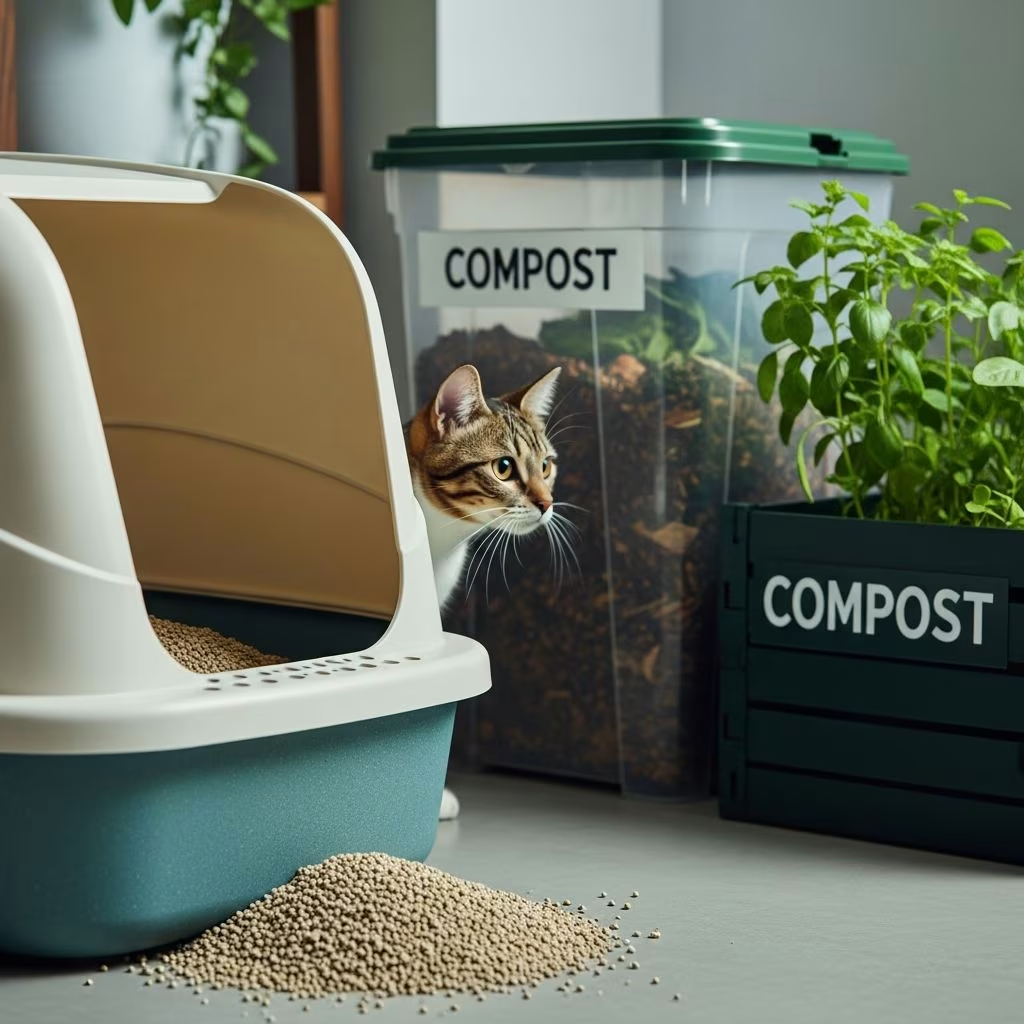
Responsible pet ownership extends beyond feeding and playtime—it includes handling waste in ways that protect the planet. Composting cat litter and feces offers a pathway to reduce landfill contributions while potentially creating valuable organic matter for non-edible plants. This practice demands careful execution to mitigate health risks from pathogens inherent in feline waste.
Environmental Advantages of Composting Pet Waste
Diverting cat waste from landfills curbs methane emissions and conserves space. Traditional disposal often involves plastic bags derived from petroleum, amplifying a cat’s carbon footprint over time. By composting, owners can produce a natural soil enhancer free from synthetic additives, ideal for ornamental gardens or houseplants.
- Reduces pollution in groundwater and streams by breaking down waste on-site.
- Eliminates transportation needs to disposal sites, saving energy.
- Generates nutrient-dense material with an NPK ratio around 4-10-0.3, rich in nitrogen for plant growth.
These gains align with broader sustainability goals, turning a daily chore into an earth-friendly routine.
Understanding Risks in Feline Waste
Cat feces carry unique hazards due to their carnivorous diet. Pathogens like Toxoplasma gondii, E. coli, and parasites such as tapeworms pose threats if not properly neutralized. Unlike herbivore manure, cat waste requires high-heat processes above 130°F (54°C) sustained over days to kill these agents.
| Risk Factor | Description | Mitigation |
|---|---|---|
| Pathogens | Bacteria and parasites surviving in low-heat compost | Separate bin, extended aging |
| Litter Types | Clay or chemical litters resist breakdown | Use biodegradable options only |
| Cross-Contamination | Mixing with food scraps spreads risks | Dedicated composting system |
Home systems rarely achieve these temperatures consistently, underscoring the need for dedicated setups.
Choosing the Right Litter for Composting
Not all litters decompose equally. Opt for plant-based or wood-derived varieties like pine pellets, wheat, corn, or recycled paper. These have high carbon-to-nitrogen (C:N) ratios, balancing the low 8:1 ratio of cat feces for optimal decomposition around 30:1.
- Pine or Wood Pellets: Break down quickly, absorb odors naturally.
- Paper-Based: Lightweight, fully biodegradable, worm-friendly.
- Avoid: Clay (non-compostable), silica crystals (moisture-trapping), or scented chemical litters.
Switching litters minimizes clumping issues and enhances compost quality.
Step-by-Step Guide to Building a Cat Waste Compost System
A dedicated bin prevents contamination. Select a lidded plastic or wooden enclosure, at least 3x3x3 feet for heat buildup.
- Site Selection: Place in a shaded, well-drained outdoor spot away from water sources and play areas.
- Base Layer: Start with 4-6 inches of coarse browns like shredded leaves or straw for drainage.
- Add Waste:
- Balance Materials: Maintain 2:1 browns-to-greens ratio; cat waste counts as green.
- Moisten and Aerate: Keep damp like a wrung sponge; turn bi-weekly with a pitchfork.
Scoop daily, burying in the center under 2 inches of browns to control odors and pests.
For faster results, consider tumblers or bokashi fermentation as pre-treatments.
Maintaining Temperature and Decomposition
Monitor internal heat with a compost thermometer—aim for 130-160°F (54-71°C). If below 120°F (49°C), add nitrogen-rich greens or insulate. Aeration introduces oxygen for microbial activity, crucial for pathogen destruction.
Vermicomposting accelerates with red wigglers, but introduce them after initial hot phase to avoid overload. Earthworms digest residue, improving texture.
Timeline for Safe Maturity
Patience defines success. Hot composting may finish in 1-3 months, but age the pile 12-24 months undisturbed for safety. Visual cues: earthy smell, crumbly texture, no recognizable waste.
- Months 1-3: Active decomposition, high heat.
- Months 4-12: Cooling, stabilization.
- 12+ Months: Safe for ornamentals.
Applications for Finished Compost
Use exclusively on non-edible plants to sidestep ingestion risks. Spread as mulch around trees, mix into flowerbeds, or amend poor soils for perennials.
| Use Case | Application Rate | Benefits |
|---|---|---|
| Tree Mulch | 2-4 inches layer | Weed suppression, moisture retention |
| Flowerbeds | 1-2 inches tilled in | Nutrient boost for blooms |
| Houseplants | 20% mix in potting soil | Improved drainage, microbial health |
Never apply to veggies, herbs, or lawns accessed by pets/children.
Frequently Asked Questions
Can I compost clay litter?
No—clay litters do not break down and can compact piles. Stick to biodegradable types.
Is cat compost safe for vegetable gardens?
Generally not recommended due to persistent pathogens. Reserve for ornamentals after 18-24 months.
How do I control odors in the bin?
Cover waste immediately with browns, ensure good airflow, and turn regularly. Carbon-rich materials neutralize smells.
What if I have multiple cats?
Scale up bin size or use multiple units. Monitor C:N balance closely to prevent anaerobic conditions.
Can I add dog waste too?
Yes, in the same dedicated system, following identical protocols.
Alternatives When Composting Isn’t Feasible
Pet waste digesters or municipal programs offer hands-off options. Biodegradable bags and low-waste litters reduce impact without full composting commitment. Contact local services for drop-off availability.
Long-Term Commitment to Green Pet Care
Adopting cat waste composting fosters mindfulness about consumption. Pair with flushable litters where permitted or litter-tracking mats to minimize spread. This holistic approach enriches gardens sustainably while modeling eco-responsibility.
References
- What You Should Know about Composting Cat Litter — Garden Myths. 2023. https://www.gardenmyths.com/what-you-should-know-about-composing-cat-litter/
- How to Compost Your Cat’s Litter — Crazy About Compost. 2022. https://crazyaboutcompost.com/how-to-compost-your-cats-litter-article/
- Is Cat Poop Good Fertilizer? What You Need to Know — WOpet. 2024. https://wopet.com/cats/is-cat-poop-good-fertilizer/
- Composting Cat Poop: Do or Don’t? — Litter-Robot. 2023. https://www.litter-robot.com/blog/composting-cat-poop/
- Composting Cat Poop: Vet-Verified Guide & Tips — Catster. 2024. https://www.catster.com/lifestyle/composting-cat-poop/



