

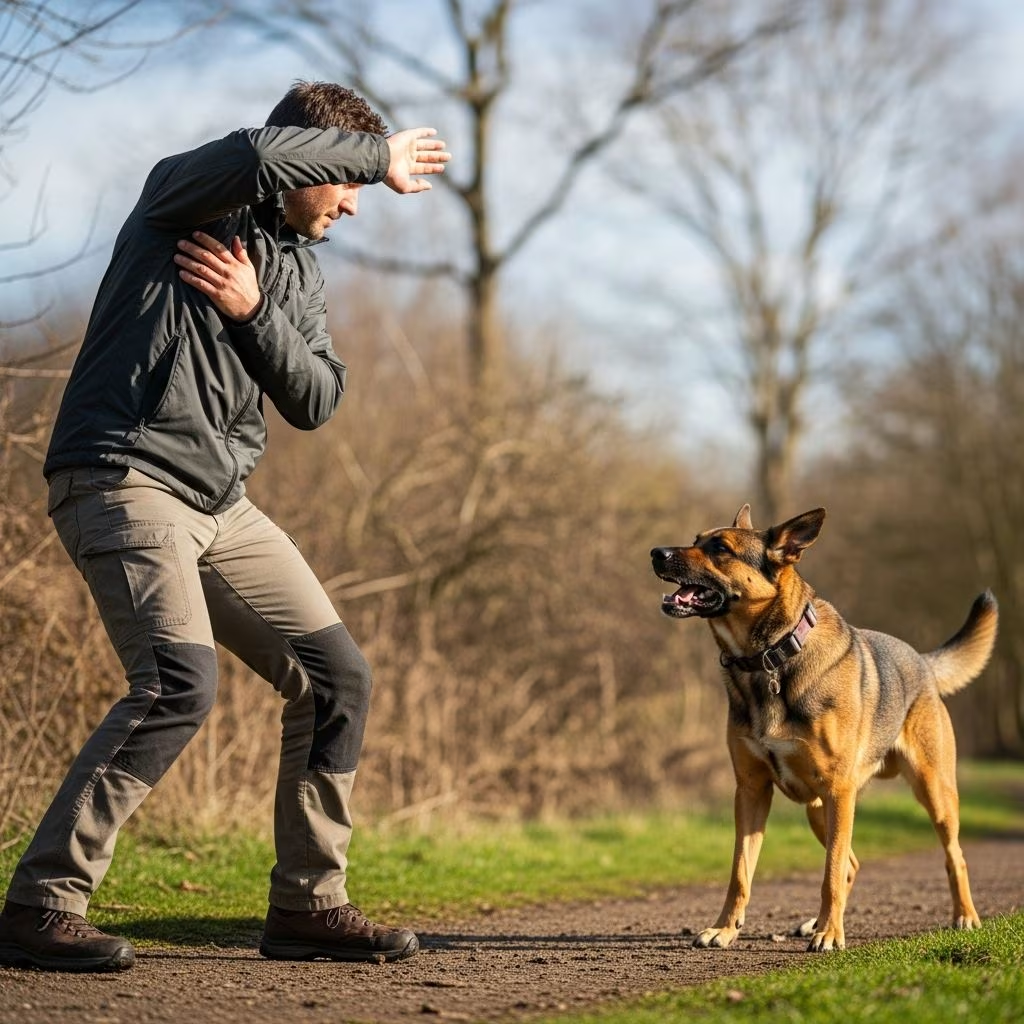
Dog attacks pose a significant risk to public safety, with millions of incidents reported annually in the United States alone. Understanding how to prevent, respond to, and recover from such encounters can save lives and reduce severe injuries. This guide draws from authoritative veterinary and safety resources to provide actionable strategies for everyday situations.
Understanding the Scope of Dog Bite Risks
Any dog, regardless of size, breed, age, or gender, has the potential to bite under certain conditions. Factors like individual history, stress, or provocation drive these behaviors rather than breed alone. Children account for nearly half of victims, while service workers like mail carriers face heightened exposure. National initiatives, such as Dog Bite Prevention Week, emphasize education to curb these preventable incidents.
Decoding Canine Warning Signals
Recognizing early signs of aggression is the first line of defense. Dogs communicate discomfort through distinct body language cues that alert humans to potential threats.
- Stiff posture: Frozen stance, rigid muscles, and held breath indicate escalating tension.
- Facial indicators: Wrinkled muzzle, bared teeth, tense lips, or a hard, direct stare signal readiness to act.
- Body posture: Raised hackles along the back, tail held high and still, or ears pinned back.
Observing these in combination allows for timely retreat. Awareness of surroundings amplifies this skill—stay alert while walking, jogging, or approaching homes.
Proactive Prevention Tactics
Avoiding confrontations begins with smart habits. Prevention focuses on minimizing triggers and respecting a dog’s space.
Daily Habits for Safety
- Never approach unfamiliar dogs, especially near puppies, food, or other dogs.
- Maintain distance at doors; step back after knocking to avoid surprise releases.
- Supervise children around all animals without exception.
- Use leashes in public and avoid rough play like wrestling that heightens arousal.
Environmental Precautions
When out walking or running, prepare with tools that deter without harm. A whistle’s shrill tone can halt advances by startling the dog. Carry treats to toss aside as distractions, diverting focus. A spray bottle with water provides a non-injurious spray to create distance. These items fit easily in pockets or bags for quick access.
| Tool | Purpose | Usage Tip |
|---|---|---|
| Whistle | Startle and deter | Blow sharply upon approach |
| Treats | Distract | Throw far away, not at the dog |
| Spray Bottle | Repel with water | Aim stream, not mist |
Immediate Response When Approached
If a dog shows interest or advances, de-escalate with calm, non-threatening actions. Panic amplifies risks.
- Body positioning: Turn sideways, soften gaze, relax posture, and breathe steadily. Avoid direct stares or facing squarely.
- Stand still: Cross arms over chest, lower head, and remain silent. Back away slowly once safe.
- Use voice: Issue firm commands like ‘No,’ ‘Back,’ or ‘Leave it’ without yelling or fear in tone.
- Barriers: Position objects like bags or jackets between you and the dog. Seek elevation on rocks, cars, or trees to gain advantage.
Running triggers chase instincts, while frantic movements invite pursuit. Stay composed to signal non-threat.
Defensive Actions During an Assault
When a bite occurs, prioritize vital protection over retaliation. Fighting often intensifies the attack.
On Your Feet
- Block with clothing or items to shield skin from direct contact.
- Use barriers like purses or jackets held steady, not waved.
- Climb to higher ground for reduced vulnerability.
If Knocked Down
Curl into a protective ball: knees to chest, hands behind neck covering head and throat. Go limp to avoid stimulating further aggression. Remain still and quiet until the dog disengages, typically 20 feet away.
Resist urges to kick, scream, or punch—these provoke harder bites. Pepper spray often fails on dogs and may backfire.
Post-Attack Care and Reporting
After disengaging, prioritize health and legal steps.
- Wound care: Rinse bites thoroughly with water, apply pressure to stop bleeding, and seek immediate medical evaluation. One in five bites infects, per CDC data cited in safety guides.
- Documentation: Note details like location, dog description, and owner info if known.
- Authorities: Call 911 for severe cases; report to animal control for stray or repeat offenders.
Special Scenarios: Protecting Others
Dog-on-dog or child-involved attacks demand caution. Never intervene physically—risk multiple bites. Instead, create noise distractions or barriers. For your pet, use leashes and training vests signaling ‘in training.’ Home setups with gates reinforce safety.
Long-Term Community Strategies
Reducing attacks requires collective effort. Dog owners should train for calm responses, use muzzles if needed, and post warning signs. Public education on body language fosters safer interactions. Programs like National Dog Bite Prevention Week promote these messages annually.
Frequently Asked Questions
What should I do if a dog is charging at me?
Stand still, avoid eye contact, turn sideways, and use firm voice commands. Back to a barrier slowly.
Is pepper spray effective against attacking dogs?
No, it often fails and may blow back on you. Opt for water spray or whistles instead.
How do I protect my child from dog bites?
Supervise constantly, teach recognition of warning signs, and never leave unattended.
What if the dog belongs to a neighbor?
Report incidents, document patterns, and request owner training or restrictions.
Can small dogs be dangerous?
Yes, any dog can bite severely; size doesn’t determine risk.
References
- Tips to Avoid a Dog Bite – City of Houston — City of Houston. Accessed 2026. https://www.houstontx.gov/barc/avoiding_dog_bites.html
- 6 Tips to Avoid Dog Bites While Walking — OVRS. Accessed 2026. https://www.ovrs.com/blog/6-tips-to-avoid-dog-bites-while-walking/
- What to Do When a Dog Attacks — Positively.com. Accessed 2026. https://positively.com/dog-training/article/aggression-reactivity-what-to-do-when-a-dog-attacks
- Dog Bite Prevention: Managing Behavior Issues — Best Friends Animal Society. Accessed 2026. https://bestfriends.org/pet-care-resources/dog-bite-prevention-managing-behavior-issues
- Tips for Preventing a Dog Bite — Phillips Law Group. Accessed 2026. https://phillipslaw.com/blog/preventing-dog-attack/
- Dog bite prevention — American Veterinary Medical Association. 2025. https://www.avma.org/resources-tools/pet-owners/dog-bite-prevention



