

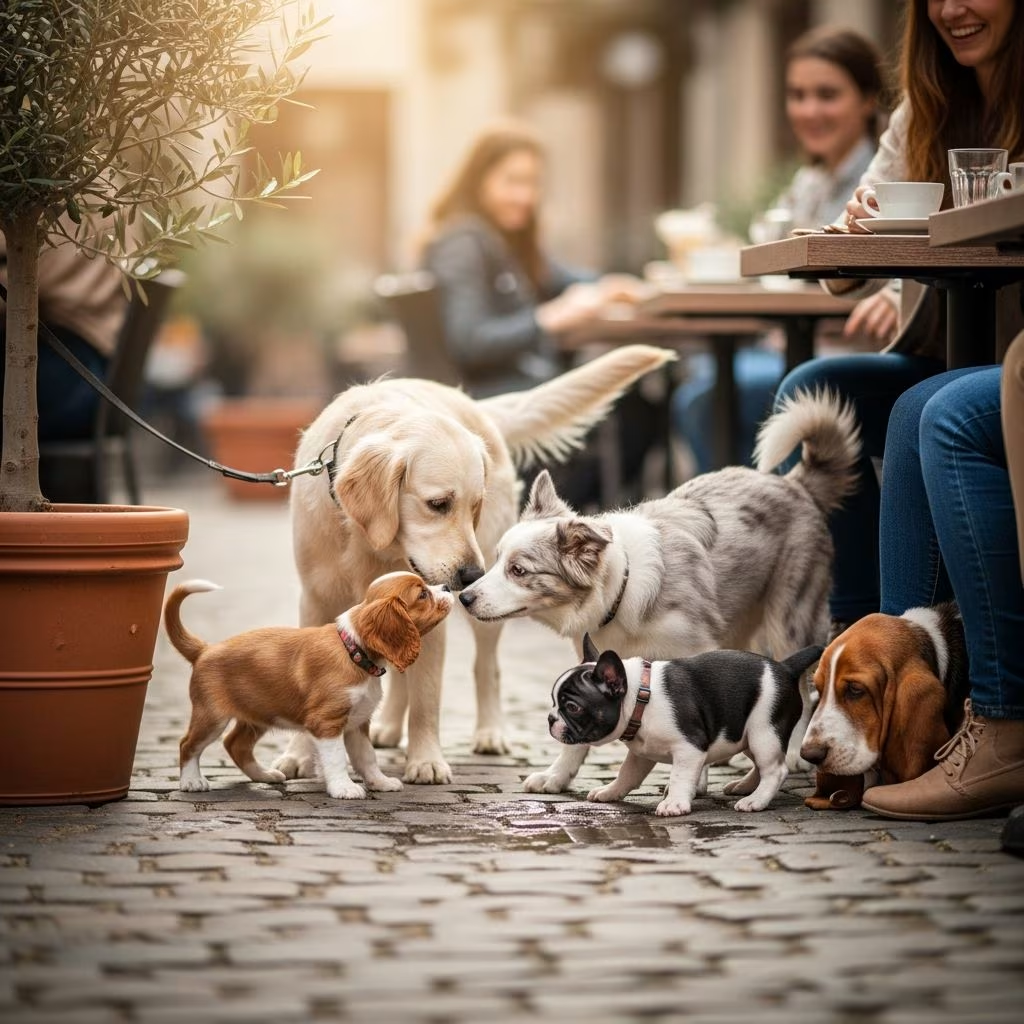
Surprising Puppy Socialization Spots Beyond the Dog Park
When it comes to puppy socialization, most dog owners think of the local dog park as the go-to destination. However, socialization is the specific act of exposing an animal to novel situations in a slow and precise fashion, focusing on keeping interactions short, positive, and fear-free. While dog parks certainly have their place, there are numerous surprising and effective locations where you can socialize your puppy that many pet parents overlook. Understanding these alternative socialization spots can significantly enhance your puppy’s development and create a more well-rounded, confident adult dog.
Socialization is essential to raising confident and well-adjusted adult dogs that can cope with the world around them. The sensitive period for socialization occurs between 3-14 weeks of age, with the first three months being the most critical window of opportunity. During this time, puppies are maximally primed for learning and forming positive associations with new experiences. As puppies age, they can become more cautious and sensitive to fearful stimuli, making early exposure to diverse environments crucial for their development.
Why Puppy Socialization Matters
Before exploring surprising socialization spots, it’s important to understand why socialization is so vital for your puppy’s future. When done strategically, socialization provides numerous benefits including reducing the likelihood of fear-based behaviors such as aggression or anxiety in adulthood, increased resiliency and adaptability to new environments and challenges, and enhanced learning and problem-solving abilities.
Dogs who have not been socialized with other animals and humans can become fearful in new situations, such as meeting new people, being around other pets, or visiting new places. Through intentional socialization, you can help reduce anxiety for your dog while also reducing the risk of aggressive incidents or behavioral issues. Puppies that have not been exposed to experiences outside the limited world of their home are more fearful and anxious, and they may mature into fearful, anxious adult dogs that have a higher likelihood of behavioral disorders.
Additionally, socialized dogs are typically easier to train, less likely to develop behavioral issues, and more adaptable to changes in their environment. They handle vet exams more easily, are easier to groom, and get more exercise and have more fun in social settings. When your dog is able to handle social settings with ease and poise, they get to enjoy life more, allowing you to include them in more aspects of your daily activities.
The Critical Socialization Window
Understanding the timeline for puppy socialization is crucial for maximizing its effectiveness. The most opportune window to expose puppies to new situations occurs up to the time they are four months of age. However, it’s important to note that socialization should not stop after this period. Socialization should be performed at least two or three times a week until the puppy is at least 6 months old.
Many pet parents make the mistake of investing a lot of time in socialization through the first four months of their puppy’s life but then stop participating in activities outside the house. Without repeated and continuous exposure, some puppies may regress or become fearful when exposed to new situations as adults. This is why maintaining consistent socialization efforts throughout your puppy’s first year is essential.
Surprising Socialization Spots You Should Consider
Coffee Shops and Pet-Friendly Cafés
Coffee shops and pet-friendly cafés are excellent venues for puppy socialization. These environments expose your puppy to multiple stimuli including different people, various sounds, and unique smells, all while maintaining a relatively controlled setting. Many pet-friendly establishments welcome well-behaved puppies, providing an opportunity for your puppy to observe human interactions and become comfortable in busy social environments. The café setting also allows you to practice positive reinforcement with treats and praise as your puppy encounters new experiences.
Hardware and Home Improvement Stores
Many hardware stores and home improvement retailers welcome leashed puppies, making them surprising yet valuable socialization venues. These stores expose puppies to loud noises, unfamiliar sights, different flooring surfaces, and numerous strangers in an environment that’s typically well-controlled. The variety of textures underfoot, including concrete, tile, and metal grating, helps puppies become comfortable navigating different terrains. Additionally, the staff and customers at these stores are often delighted to interact with puppies, providing natural positive social experiences.
Outdoor Markets and Farmers Markets
Farmers markets and outdoor shopping venues provide rich socialization opportunities with multiple benefits. These environments expose your puppy to crowds, various sounds, different smells from produce and foods, and numerous people of different ages and backgrounds. The bustling atmosphere of a farmers market mimics real-world conditions your puppy will encounter throughout their life. Many farmers market organizers welcome well-behaved puppies on leash, making them accessible venues for regular socialization practice.
Pet-Friendly Retail Stores
Pet supply stores and other retailers that allow dogs are excellent socialization spots. Seeing other dogs in a controlled retail environment helps puppies learn to remain calm around other canines in non-play situations. These stores also provide exposure to unfamiliar products, different flooring surfaces, and various customers. The controlled nature of these environments, combined with the presence of trained staff who can offer guidance, makes them ideal for building your puppy’s confidence.
Sidewalk Cafés and Outdoor Dining Areas
If your area permits puppies in outdoor dining spaces, these venues offer exceptional socialization opportunities. Your puppy encounters people eating and conversing, different food smells, potential distractions from other diners, and various ambient sounds. Practicing calm behavior while seated near human activity teaches your puppy valuable skills for future social situations. This environment also allows you to work on impulse control and positive leash manners in a realistic social setting.
Friend and Family Homes
Taking your dog with you to visit a friend or family member at their house rather than yours provides your dog an opportunity to have new experiences that will help ensure they are well adjusted and comfortable around people and in new places. Visiting different homes exposes your puppy to various interior environments, different layouts, unfamiliar smells, and new people in a relatively safe setting. Each home visit adds to your puppy’s overall comfort level in novel environments.
Nature Trails and Hiking Areas
Walking on hiking trails where you are likely to encounter other people and pets is helpful for puppy socialization. Natural environments expose your puppies to varied terrain, different sounds like flowing water or rustling leaves, wildlife encounters at a distance, and diverse people engaged in outdoor activities. These settings provide naturalistic socialization that prepares puppies for real-world scenarios while offering mental stimulation through environmental exploration.
Beach and Waterfront Areas
Beaches and waterfront locations offer unique socialization experiences. Your puppy encounters unfamiliar textures like sand, water sounds, seagulls or other wildlife, numerous strangers in casual settings, and various dogs of different sizes and temperaments. The sensory-rich environment of a beach provides comprehensive exposure to stimuli while maintaining the ability to manage interactions carefully.
Outdoor Festivals and Community Events
Community events and outdoor festivals, when they allow pets, provide rich socialization opportunities. Your puppy experiences crowds, diverse sounds including music and announcements, various vendors and activities, and numerous people in a festive atmosphere. The variety of stimuli at these events helps build your puppy’s resilience and adaptability to chaotic or exciting environments.
Balancing Socialization and Health Safety
One of the most common concerns about early socialization is the risk of disease exposure, especially before puppies are fully vaccinated. However, the American Veterinary Society of Animal Behavior (AVSAB) emphasizes that the benefits of early socialization outweigh the risks when precautions are taken.
Recommended safety measures include:
- Socializing in controlled environments such as your home or private yards
- Avoiding high-traffic public areas such as dog parks during the initial vaccination period
- Interacting only with fully vaccinated adult dogs or healthy, low-risk animals
- Maintaining good hygiene and minimizing contact with potentially contaminated surfaces
By choosing the alternative socialization spots mentioned above, you can often better control the environment and reduce exposure risks while still providing valuable socialization experiences. Many of these venues have fewer unvaccinated dogs than traditional dog parks, making them safer alternatives during your puppy’s early vaccination phase.
Creating a Positive Socialization Experience
Regardless of which socialization spot you choose, the key to successful socialization is ensuring your puppy has positive experiences. The goal of puppy socialization is to show your puppy that the outside world is an interesting, positive, and fun place to be. To achieve this:
- Offer plenty of praise, treats, and affection during socialization outings
- Keep initial visits short to prevent overwhelming your puppy
- Give your pup a break if they seem tired or scared
- Use high-value rewards to create positive associations with new experiences
- Never force interactions; allow your puppy to approach at their own pace
Early Handling and Individual Attention
Beyond environmental socialization, early handling is crucial for your puppy’s development. Puppies stimulated and handled from birth to five weeks of age are more confident, social, exploratory, faster-maturing, and able to handle stress better as they develop. If you’re getting your puppy from a breeder or foster home, choosing one where puppies have had frequent contact and interaction with people is important, as these puppies are likely to be more social and less fearful as they develop.
Developing Socialization Skills Through Practice
Pet socialization also provides opportunities to help your pet develop new, good habits and behaviors. New interactions and experiences pave the way for more positive reinforcement for your pup, whether that means feeling comfortable with a neighbor using loud yard tools or passing another dog-walker on the street without issues. The more your pet is allowed to practice handling social scenarios, the better adjusted they become. Over time, this will make social settings like parties or visits to dog-friendly restaurants more pleasant for both you and your dog.
Consistency in Socialization Efforts
Successful puppy socialization requires consistent effort and planning. Creating a socialization schedule helps ensure you maintain regular exposure to diverse experiences. By incorporating unexpected socialization spots into your weekly routine, you can expose your puppy to a wide variety of stimuli without relying solely on traditional dog parks. This varied approach helps create a more adaptable, confident adult dog.
Frequently Asked Questions
Q: What is the best age to start socializing a puppy?
A: The sensitive period for socialization occurs between 3-14 weeks of age, with the first three months being the most critical window. However, socialization should continue throughout your puppy’s first year and beyond, as repeated exposure is essential for maintaining positive behaviors.
Q: Can I socialize my puppy before they’re fully vaccinated?
A: Yes, the American Veterinary Society of Animal Behavior emphasizes that the benefits of early socialization outweigh the risks when precautions are taken. Focus on controlled environments, avoid high-traffic areas, and interact only with vaccinated animals. Many of the alternative socialization spots mentioned in this article provide lower-risk options than traditional dog parks.
Q: How often should I socialize my puppy?
A: Socialization should be performed at least two or three times a week until the puppy is at least 6 months old. Continuing these efforts beyond six months helps prevent regression and ensures your puppy remains comfortable in novel situations.
Q: What if my puppy seems scared during socialization?
A: If your puppy appears scared or overwhelmed, give them a break and don’t force interactions. Allow them to approach new experiences at their own pace, using positive reinforcement with treats and praise. Gradually building confidence is more effective than pushing your puppy into situations that cause distress.
Q: Are dog parks the only place to socialize my puppy?
A: No, dog parks are just one option. As discussed in this article, there are many surprising and effective socialization spots including coffee shops, hardware stores, farmers markets, hiking trails, and various pet-friendly retail locations that can provide valuable socialization experiences.
Q: Will my puppy regress if I stop socializing after four months?
A: Yes, without repeated and continuous exposure, puppies may regress or become fearful when exposed to new situations as adults. Consistent socialization efforts throughout the first year and beyond are crucial for maintaining your puppy’s confidence and adaptability.
References
- Importance of Socialization in Puppy Raising Series: Part 1 — Penn State Extension. 2024. https://extension.psu.edu/importance-of-socialization-in-puppy-raising-series-part-1/
- 5 Reasons Why Pet Socialization is Critical — Longwood Veterinary Center. 2024. https://longwoodvetcenter.com/pet-socialization-raising-a-well-adjusted-dog/
- How To Socialize a Puppy and Why It’s So Important — PetMD. 2024. https://www.petmd.com/dog/behavior/how-to-socialize-puppy
- Puppy Behavior and Training – Socialization and Fear Prevention — VCA Animal Hospitals. 2024. https://vcahospitals.com/know-your-pet/puppy-behavior-and-training—socialization-and-fear-prevention
- AVSAB Position Statement On Puppy Socialization — American Veterinary Society of Animal Behavior. 2014. https://avsab.org/wp-content/uploads/2018/03/Puppy_Socialization_Position_Statement_Download_-_10-3-14.pdf
- Socialization of dogs and cats — American Veterinary Medical Association. 2024. https://www.avma.org/resources-tools/animal-health-and-welfare/socialization-dogs-and-cats
- Importance of Socialization for Dogs: Why Starting Young Matters — Dogtopia. 2024. https://www.dogtopia.com/woodbury/socialization/



