

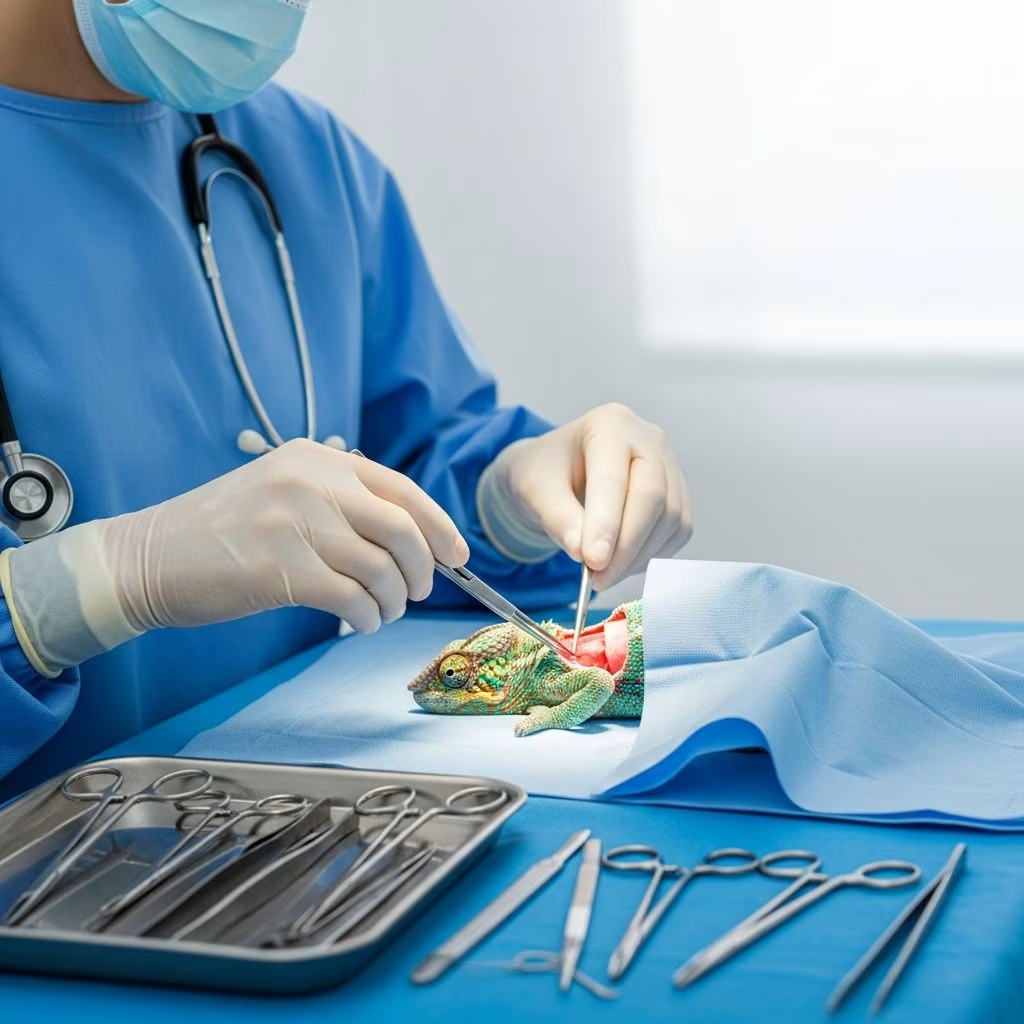
Reproductive surgery for exotic pets represents one of the most important health decisions pet owners can make. Whether you share your home with a miniature pig, rabbit, bird, or other unconventional companion animal, understanding the options available for surgical sterilization is essential for their long-term health, behavioral management, and quality of life. This comprehensive guide explores the considerations, procedures, and expectations surrounding spay and neuter operations for exotic pets.
Why Surgical Sterilization Matters for Exotic Companions
The decision to sterilize an exotic pet extends far beyond simple population control. Reproductive surgeries address significant health concerns, behavioral issues, and quality-of-life considerations that are particularly pronounced in non-traditional pets. Understanding the motivations behind these procedures helps pet owners appreciate their importance.
Unspayed female exotic pets face serious health risks, particularly as they mature. Pyometra—a life-threatening uterine infection—represents one of the most dangerous complications that can develop in intact females. This condition often requires emergency surgery and carries substantially higher costs and mortality risks compared to routine sterilization procedures performed during routine wellness visits.
Beyond health considerations, behavioral benefits of sterilization are equally significant. Many exotic pets, particularly rabbits and some bird species, exhibit territorial aggression, destructive behaviors, and hormonal-driven anxiety when sexually mature. Reproductive surgery frequently resolves or significantly reduces these behavioral challenges, resulting in calmer, more companionable animals.
Understanding Surgical Options: Open Versus Minimally Invasive Approaches
Modern veterinary medicine offers different surgical techniques for reproductive sterilization, each with distinct advantages and considerations. The choice between approaches depends on several factors, including the type of exotic pet, their age, size, and specific health status.
Traditional Open Abdominal Surgery
Open ovariohysterectomy (OHE) has long served as the standard approach for spaying exotic pets. This technique involves a single midline abdominal incision through which the veterinary surgeon locates and removes the reproductive organs. For miniature pigs specifically, the incision is typically made in the lower abdomen near the teats.
The procedure requires careful handling of delicate tissues. In miniature pigs, the reproductive structures are considerably more tortuous and fragile than in dogs or cats, requiring modified surgical techniques to prevent complications. Surgeons must carefully locate the ovarian blood supply, clamp these vessels to prevent hemorrhage, ligate them with absorbable suture material, and then excise the reproductive organs.
Recovery from open surgery typically requires two to three weeks, with restrictions on activity and careful monitoring of the incision site. Younger exotic pets generally experience faster, less complicated recoveries than mature animals.
Minimally Invasive Laparoscopic Procedures
Laparoscopic sterilization represents a significant advancement in exotic pet surgery. This technique uses specialized instruments and a small camera inserted through minimal incisions, allowing surgeons to visualize and remove reproductive organs with less tissue trauma.
The advantages of laparoscopic approaches are particularly relevant for exotic pets. Smaller incisions substantially reduce the risk of post-operative complications such as incisional herniation—a concern that is heightened in pigs due to anatomical predispositions. Additionally, minimally invasive procedures typically result in reduced pain, faster recovery times, and less post-operative restriction on activity.
Timing Considerations: When to Perform Reproductive Surgery
The optimal timing for spay and neuter procedures varies significantly among exotic pet species. Understanding breed-specific and species-specific guidelines helps veterinarians and pet owners make informed decisions about surgical timing.
Miniature Pig Sterilization Timeline
Male miniature pigs can be neutered relatively early in life, with many veterinarians recommending castration as young as 3 to 4 weeks of age. Early neutering in young males offers several advantages, including reduced operative time, simpler procedures, and more straightforward recovery.
Female miniature pigs present different considerations. Most veterinarians recommend delaying spay procedures until the pig is between 8 and 12 weeks of age. However, some practitioners prefer waiting until after the female’s first heat cycle, which typically occurs around 8 weeks of age. The timing after the first estrus can actually make the procedure easier, as the uterus becomes more prominent and easier to locate. However, this timing consideration must be balanced against the increased risk of reproductive cancers, which shows elevated incidence after the first heat cycle.
Younger exotic pets consistently demonstrate lower surgical complications, reduced anesthetic risks, and faster recoveries compared to mature animals. This biological reality strongly supports early sterilization protocols when medically appropriate.
Rabbit and Bird Considerations
Rabbits reach sexual maturity between 3 and 6 months of age, with behavioral problems and health risks increasing substantially after this period. Most rabbit-savvy veterinarians recommend sterilization before sexual maturity is reached, though specific timing recommendations should be obtained from veterinarians experienced with lagomorphs.
Bird species present unique challenges due to their physiological differences from mammals. Some bird species can be managed through behavioral modification and environmental management, while others benefit from surgical intervention when behavioral problems become problematic. The decision to sterilize a bird requires consultation with avian veterinary specialists.
Surgical Complications and How They’re Managed
While reproductive surgery is routine and generally safe, exotic pets can experience complications that differ from those seen in traditional pets. Understanding potential risks helps owners recognize warning signs and seek prompt veterinary care when needed.
Scrotal Herniation in Male Pigs
Miniature pigs face a unique post-castration complication: scrotal hernia. These pigs possess a genetic predisposition toward weak inguinal canals—the anatomical passages connecting the abdominal cavity to the scrotum. When castration is performed without proper closure of this canal, abdominal contents can herniate through the opening.
This life-threatening emergency can result in intestinal rupture through the scrotal incision, leading to shock, infection, and rapid deterioration. The critical prevention strategy involves requesting that the veterinarian suture closed the inguinal ring during the neutering procedure. This simple additional step effectively eliminates this serious complication risk.
Incisional Herniation in Females
Female pigs demonstrate elevated risk of hernia formation at abdominal incision sites following open surgery. This complication can be substantially reduced through careful surgical closure technique and selection of minimally invasive approaches when feasible, as laparoscopic procedures involve substantially smaller incisions.
Anesthetic and Post-operative Complications
Miniature pigs can experience complications related to anesthesia when surgery extends over lengthy periods. Hypothermia and hypoglycemia represent particular risks that can be mitigated through careful monitoring and appropriate perioperative management.
Cost Factors and Financial Planning
Surgical sterilization costs for exotic pets vary considerably based on multiple factors. Understanding these variables helps pet owners budget appropriately and make informed decisions about surgical approaches.
Basic cost factors include geographic location, the anesthetic protocol selected, surgical duration, post-operative pain medication, and the patient’s size. Additional procedures performed concurrently—such as hoof trims, tusk trims, or microchip placement—increase overall surgical costs.
Emergency sterilization procedures for conditions like pyometra cost substantially more than routine procedures and carry significantly higher surgical risk. This reality underscores the cost-effectiveness of routine sterilization performed during optimal health, before emergencies develop.
Certain complication scenarios, such as correction of scrotal herniation or treatment of cryptorchidism (retained testicles), require more invasive surgical approaches and correspondingly higher costs.
Recovery and Post-operative Care Protocols
Successful recovery from reproductive surgery depends upon comprehensive post-operative management. Different surgical approaches and patient types require tailored recovery protocols.
Immediate Post-operative Period
Exotic pets should remain intubated until swallowing reflexes return, which typically occurs 10 to 15 minutes after anesthesia cessation in miniature pigs. Maintaining patient temperature throughout recovery is critical, with kennel heaters and blankets recommended.
Activity Restrictions and Monitoring
Open surgical recovery typically requires maintaining patients on clean bedding for at least two weeks post-operatively. Activity should be restricted throughout this period to allow proper healing and prevent incision disruption. Minimally invasive procedures generally permit earlier return to normal activity due to reduced surgical trauma.
Pain Management and Medication
Non-steroidal anti-inflammatory drugs should be administered preoperatively and continued throughout the post-operative period. Modern pain management protocols substantially improve recovery comfort and reduce complications associated with pain-related stress.
Special Considerations for Specific Exotic Pets
Different exotic pet species present unique anatomical, physiological, and behavioral challenges requiring species-specific expertise and considerations.
Miniature Pig Specifics
Miniature pigs possess anatomically distinct reproductive structures compared to traditional pets. The uterine horns are tortuous rather than elongated, friable, and highly vascular, requiring modified surgical techniques. These anatomical differences mean that surgical protocols developed for dogs and cats cannot be directly applied to pigs.
The pig’s unique anatomy affects both surgical approach and recovery. Veterinarians must possess specific training and experience with pig reproduction and surgery to safely and effectively perform these procedures.
Microchip Placement Opportunity
Sterilization surgery presents an ideal opportunity for concurrent microchip placement while the animal is already under anesthesia. Many exotic pet rescue organizations recommend placement in the soft tissue behind the left ear for optimal security and identification.
Post-operative Appearance and Suturing
Pet owners often have questions about visible sutures and incision appearance following sterilization. Modern surgical techniques offer multiple closure options tailored to individual patient needs.
Small exotic pets, particularly young miniature piglets, often go home without visible external sutures—these may be internal or absorbable materials. Adult pigs may similarly have invisible sutures through the use of intradermal continuous closure patterns or tissue adhesive.
Obese pigs or larger adult animals may have visible external sutures that require monitoring and potential removal at designated post-operative intervals, depending on the materials and techniques selected by the surgeon.
Frequently Asked Questions About Exotic Pet Sterilization
What is the difference between ovariectomy and ovariohysterectomy?
Ovariectomy removes only the ovaries, while ovariohysterectomy removes both the ovaries and uterus. Both procedures effectively sterilize females and prevent heat cycles. Ovariectomy is simpler, quicker, and can be performed laparoscopically more easily than ovariohysterectomy. The choice depends on individual veterinary preference and patient-specific factors.
Is laparoscopic surgery always preferable for exotic pets?
While laparoscopic procedures offer significant advantages including reduced recovery time and lower herniation risk, not all exotic pets or situations are suitable for this approach. Consultation with a veterinarian experienced with the specific exotic pet species will determine the most appropriate surgical technique.
How long before my exotic pet can resume normal activities?
Open surgical recovery typically requires activity restriction for 2-3 weeks, while laparoscopic procedures may permit earlier return to normal activity. Your veterinarian will provide specific post-operative guidelines based on the surgical approach and individual patient recovery.
What warning signs should I watch for during recovery?
Monitor incision sites for excessive redness, swelling, discharge, or dehiscence (opening). Report any signs of infection, fever, lethargy, loss of appetite, or behavioral changes to your veterinarian immediately. Difficulty breathing or extreme restlessness may indicate more serious complications.
Can reproductive surgery be performed on older exotic pets?
While reproductive surgery can be performed at any age, younger animals experience fewer complications and faster recovery times. Older exotic pets may undergo surgery if medically necessary, but pre-operative evaluation to assess anesthetic risk becomes increasingly important with advancing age.
Selecting a Qualified Veterinarian for Exotic Pet Surgery
The quality of surgical outcomes depends fundamentally on veterinary expertise. Exotic pets require veterinarians with specific training and experience in their care, reproduction, and surgical management.
When selecting a veterinarian for your exotic pet’s sterilization surgery, inquire about their specific experience with your pet species, the surgical techniques they employ, their complication rates, and their post-operative management protocols. Veterinarians specializing in exotic animals or possessing specific certifications in exotic pet medicine typically provide superior outcomes.
Conclusion
Surgical sterilization of exotic pets represents a critical health intervention that addresses serious medical risks, prevents behavioral problems, and significantly improves quality of life. Whether your exotic companion is a miniature pig, rabbit, bird, or other unconventional pet, understanding the options available—from timing to surgical approaches to post-operative care—empowers you to make informed decisions that serve your pet’s best interests. Working with experienced, exotic-pet-specialized veterinarians ensures that surgical interventions are performed safely and effectively, setting the foundation for healthy, happy companionship throughout your pet’s life.
References
- Ovariohysterectomy in the Teacup Pig: Step-by-Step Guide — Clinician’s Brief. 2024. https://www.cliniciansbrief.com/article/ovariohysterectomy-teacup-pig
- Ovariohysterectomy — Pet Pig Primary Care (Pressbooks). 2024. https://pressbooks.pub/weber/chapter/ovariohysterectomy/
- Reproduction of Miniature Pet Pigs — MSD Veterinary Manual. 2024. https://www.msdvetmanual.com/exotic-and-laboratory-animals/miniature-pet-pigs/reproduction-of-miniature-pet-pigs
- Considerations For Spay/Neuter — American Mini Pig Rescue. 2024. https://americanminipigrescue.com/rescue-101/spay-and-neuter/considerations-for-spayneuter/
- Spaying And Neutering Pigs: A Health Imperative — Open Sanctuary Project. 2024. https://opensanctuary.org/spaying-and-neutering-pigs/
- What To Expect With Surgery — Arizona Exotic Animal Hospital. 2024. https://azeah.com/pot-bellied-pigs/what-expect-surgery



