

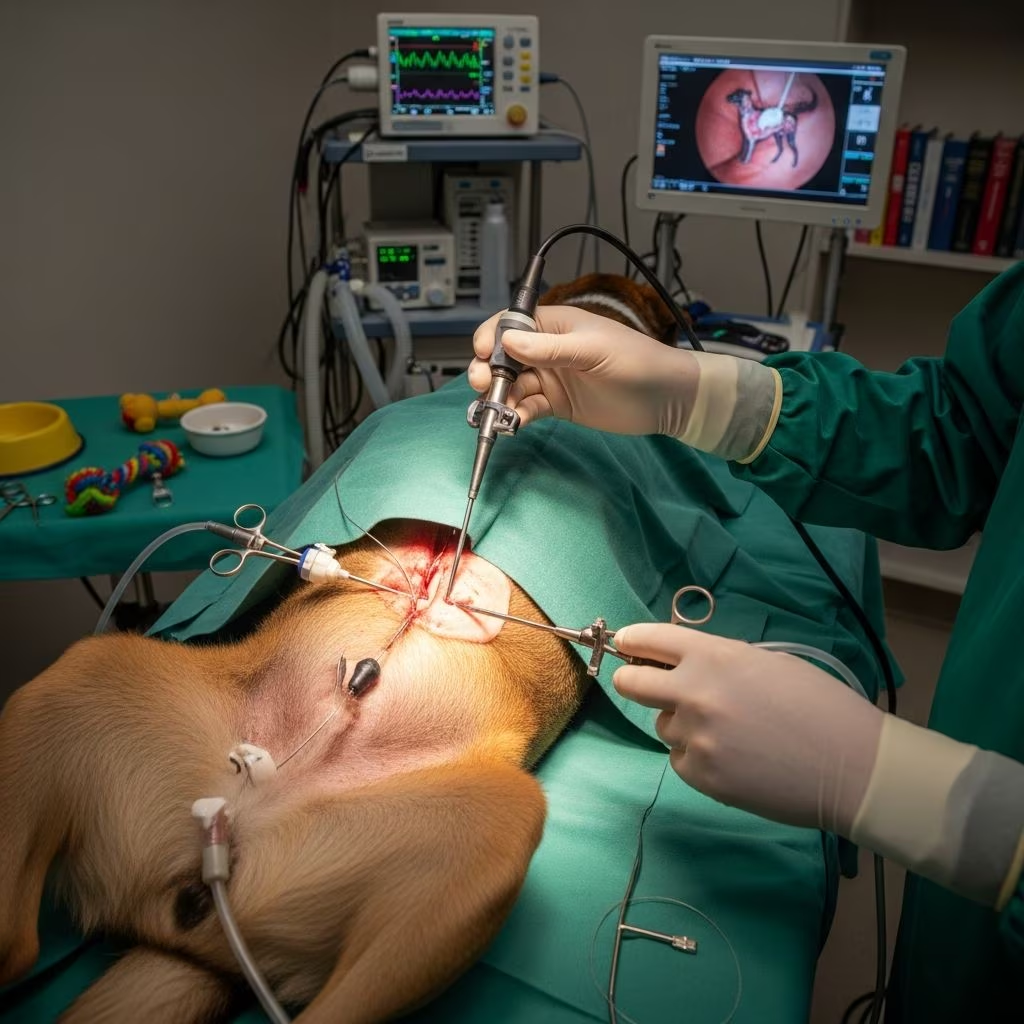
The decision to surgically sterilize a dog represents one of the most significant health choices a pet owner will make. For generations, veterinary professionals and animal welfare organizations have championed reproductive surgery as a cornerstone of responsible pet ownership, focusing primarily on population control and prevention of certain reproductive cancers. However, contemporary research has revealed a more nuanced picture, demonstrating that these procedures involve substantial physiological consequences that extend far beyond reproductive function.
Understanding both the protective benefits and the potential health complications associated with spaying and neutering enables pet owners to make decisions aligned with their individual dog’s circumstances, breed predispositions, and long-term health trajectory. This examination explores the multifaceted implications of surgical sterilization, helping owners navigate the complex landscape of modern canine health management.
The Foundation: What Reproductive Surgery Accomplishes
Spaying, technically called ovariohysterectomy or ovariectomy, involves the surgical removal of the female dog’s reproductive organs. Neutering, or castration, removes the testicles in male dogs. These procedures eliminate the primary source of sex hormones—estrogen and progesterone in females, and testosterone in males. Beyond preventing unwanted litters, the procedures are designed to address specific health vulnerabilities and behavioral patterns linked to reproductive physiology.
The immediate and most visible benefit involves behavioral modification. Removing the ovaries eliminates the estrous cycle entirely, preventing the heat-related behaviors that frustrate many owners, including vocalization, urine marking, and the potential for escape attempts. Male dogs, similarly, experience reduced breeding-related instincts following castration, making them less likely to roam in search of females and generally more content remaining in their home environment. These behavioral changes often translate into greater safety, as roaming intact males face increased risks from vehicular trauma and territorial conflicts with other animals.
Reproductive Cancer Prevention: The Original Rationale
The traditional argument for surgical sterilization centers on the dramatic reduction in reproductive cancer risk. In female dogs, spaying prevents ovarian, cervical, and uterine cancers—conditions that carry serious health consequences. Spaying also substantially reduces mammary cancer risk, which represents the most common malignancy in intact female dogs. Research demonstrates that the timing of spaying significantly influences this protective effect: dogs spayed before their first heat cycle experience only a 0.5 percent chance of developing mammary tumors, while those sterilized after their third heat cycle face a 26 percent risk.
For male dogs, neutering eliminates testicular cancer risk entirely, though this represents a relatively modest concern given the low prevalence of this malignancy. The procedure also reduces the incidence of benign prostate enlargement and certain perianal conditions. Additionally, spaying in females prevents pyometra, a potentially fatal uterine infection that can develop in intact dogs during their reproductive years.
The Hormonal Cascade: Understanding the Hidden Consequences
Contemporary research has illuminated a critical mechanism underlying many post-sterilization health complications: the dramatic elevation of luteinizing hormone (LH). When the gonads are surgically removed, the body loses its natural hormonal feedback system. In response, the pituitary gland dramatically increases LH production to compensate, resulting in LH levels that can reach 30 times normal concentration. This hormonal dysregulation affects multiple organ systems and physiological processes throughout the body.
LH receptors exist on tissues throughout the body, including the thyroid gland, urinary tract epithelium, lymphocytes, and bone. Chronically elevated LH stimulates these receptors abnormally, initiating cascading effects that manifest as increased disease susceptibility. This mechanism explains why sterilized dogs show elevated rates of conditions seemingly unrelated to reproductive function, from thyroid dysfunction to immune-mediated diseases.
Cancer Risks Beyond Reproductive Tissues
Paradoxically, while spaying and neutering reduce reproductive cancers, they simultaneously increase risks for other malignancies. The most significant concern involves osteosarcoma, or bone cancer, particularly in medium and large breed dogs sterilized before one year of age. This aggressive malignancy carries a poor prognosis, with affected dogs typically facing survival times measured in months rather than years.
Hemangiosarcoma, a particularly lethal cancer of blood vessel tissue, shows a 1.6-fold increased risk in neutered males compared to intact counterparts. Additionally, sterilized dogs demonstrate doubled risk for urinary tract cancers and quadrupled risk for prostate cancer—counterintuitively, neutering male dogs actually increases, rather than decreases, prostate cancer risk despite eliminating testicular cancer.
| Health Condition | Impact in Spayed/Neutered Dogs | Breed Susceptibility |
|---|---|---|
| Osteosarcoma | Significantly increased if sterilized before 1 year | Medium, large, and giant breeds |
| Hemangiosarcoma | 1.6x increased risk | Large breeds particularly affected |
| Hypothyroidism | 3x increased risk | Breeds with autoimmune predisposition |
| Obesity | 3x increased risk | All breeds, especially small breeds |
| Urinary incontinence | Increased risk in spayed females | Larger breeds more affected |
| Hip dysplasia and orthopedic disease | Increased risk | Large and giant breeds |
Metabolic and Endocrine Complications
Sterilized dogs experience a three-fold increase in hypothyroidism, a condition where the thyroid gland fails to produce adequate hormone. This metabolic disorder contributes to weight gain, lethargy, skin problems, and immune dysfunction. The elevated LH characteristic of spayed and neutered dogs directly stimulates thyroid tissue through LH receptors, promoting autoimmune attack on thyroid cells.
Obesity represents perhaps the most common metabolic consequence of sterilization, with neutered dogs facing three times the risk of developing problematic weight gain. Multiple mechanisms contribute to this susceptibility: reduced physical activity, altered satiety signaling, and metabolic rate changes. Obesity itself represents a significant health risk factor, predisposing to joint disease, diabetes, cardiovascular complications, and increased surgical anesthetic risk.
Musculoskeletal and Orthopedic Implications
Reproductive hormones play critical roles in bone development, growth plate closure, and skeletal maturation. Removing these hormones before skeletal maturity fundamentally alters bone development trajectories. Sterilized dogs show increased rates of hip dysplasia, elbow dysplasia, and other orthopedic disorders, particularly when surgery occurs during the growth phase.
The elevated LH and loss of protective sex hormones also compromise bone density and integrity, predisposing to osteoporosis and fracture risk. Small breed dogs sterilized early face particular vulnerability to these skeletal complications, as their growth periods extend longer than large breed counterparts.
Urinary and Behavioral Complications
Spayed female dogs experience increased rates of urinary incontinence, particularly when surgery occurs before sexual maturity. This condition results from altered urethral tone and tissue sensitivity, with elevated LH increasing receptor density in lower urinary tract tissues. Some affected dogs require lifelong medical management or pharmaceutical intervention.
Behavioral effects of sterilization extend beyond the expected reduction in breeding-related behaviors. Research indicates increased rates of anxiety, fear responses, and certain aggression types following neutering, particularly when performed early in development. Cognitive function may also be affected, with some studies reporting increased rates of progressive cognitive decline in aged sterilized dogs.
Breed-Specific and Size-Related Considerations
The consequences of sterilization are not uniform across all canine populations. Large and giant breed dogs face substantially elevated risks for osteosarcoma and hemangiosarcoma when sterilized before skeletal maturity. Small breed dogs, conversely, show heightened susceptibility to hypothyroidism and endocrine dysfunction following sterilization.
Purebred dogs with high coefficients of inbreeding demonstrate increased vulnerability to the negative health effects of sterilization compared to mixed-breed dogs or purebreds with lower inbreeding levels. This genetic predisposition suggests that breed and genetic background should inform sterilization timing and strategy decisions.
Alternative Approaches to Reproductive Management
Emerging research has demonstrated that hormone-sparing sterilization procedures, such as vasectomy in males and hysterectomy in females, preserve hormonal production while preventing reproduction. Dogs undergoing these procedures show substantially reduced rates of health complications compared to traditionally sterilized counterparts. These alternatives remove reproductive capacity while maintaining the physiological benefits of intact hormone production.
Additionally, some veterinarians now recommend delaying sterilization until dogs reach skeletal maturity, particularly in large and giant breeds. Post-pubertal sterilization allows completion of natural bone development and growth plate closure before removing hormonal influences, substantially reducing orthopedic complication risks.
Decision-Making Framework for Pet Owners
Responsible sterilization decisions require individualizing recommendations based on multiple factors:
- Breed predispositions and genetic health concerns
- Anticipated adult size and growth trajectory
- Living situation and ability to manage intact animal behaviors
- Access to appropriate veterinary care and monitoring
- Individual dog’s health status and risk factors
- Owner’s capability to provide preventive healthcare
Small breed dogs in secure home environments may benefit from delayed sterilization or hormone-sparing procedures, particularly given their lower contribution to overpopulation crises. Large and giant breed dogs may warrant similar approaches to minimize orthopedic complications. Owners of purebred dogs with known genetic predispositions should discuss breed-specific health concerns with their veterinarian before making sterilization decisions.
Population Control and Societal Responsibility
While individual health considerations are important, the ongoing crisis of unwanted dog euthanasia remains a legitimate concern. Hundreds of thousands of dogs annually face euthanasia due to overpopulation in shelters. However, this population crisis exists primarily among uncontrolled breeding populations and animals without identification or owners capable of managing behavior. Owned dogs in secure homes represent a different category, and reproductive decisions for these animals can reasonably prioritize individual health over general population concerns.
Responsible ownership might involve selective sterilization of animals at genuine overpopulation risk while preserving reproductive capacity in well-managed, owned animals—particularly those from breeds where sterilization carries substantial health risks.
Frequently Asked Questions
What is the best age for spaying or neutering my dog?
This depends on breed, size, and individual health factors. Small breed dogs may benefit from delayed procedures until skeletal maturity. Large breed dogs ideally should complete growth plate closure before sterilization. Discussing timing with your veterinarian based on your dog’s specific circumstances is essential.
Can I reverse the effects of sterilization?
No, surgical sterilization cannot be reversed. Hormone replacement therapy exists for some conditions but carries its own risks and complications. Decisions should be made with full understanding of their permanent nature.
Are there medical treatments for complications from sterilization?
Yes, many complications can be managed medically. Hypothyroidism responds to thyroid hormone supplementation. Urinary incontinence can be treated with pharmaceutical intervention. Obesity requires dietary and exercise management. However, prevention through informed decision-making is preferable to managing complications after they develop.
Should I consider hormone-sparing sterilization procedures?
Hormone-sparing procedures may be worth discussing with your veterinarian, particularly if your dog faces elevated risks from traditional sterilization. These procedures are less commonly available but represent a promising alternative for health-conscious owners.
Moving Forward with Confidence
The decision to sterilize a dog represents a significant health intervention with lifelong consequences. Rather than accepting sterilization as a one-size-fits-all recommendation, modern pet owners have the opportunity to make individualized decisions based on their specific dog’s breed, size, genetics, living situation, and health profile. Engaging in detailed discussions with your veterinarian about timing, alternative procedures, and long-term health management strategies positions you to make decisions that genuinely prioritize your dog’s wellbeing throughout their lifetime.
References
- Long-Term Health Effects of Spay/Neuter in Dogs — NAIA (National Association for Interpretation and Animal Interests). 2024. https://www.naiaonline.org/pdfs/LongTermHealthEffectsOfSpayNeuterInDogs.pdf
- Spaying and Neutering — American Veterinary Medical Association (AVMA). 2024. https://www.avma.org/resources-tools/pet-owners/petcare/spaying-and-neutering
- Exploring How Spay/Neuter Impacts Long-Term Health in Dogs — AKC Canine Health Foundation (CHF). 2024. https://www.akcchf.org/breakthrough/exploring-how-spayneuter/
- How Spay & Neuter Affect Health — Parsemus Foundation. 2024. https://www.parsemus.org/project/how-spaying-and-neutering-affect-health/
- Dog Neuter, Yes or No? A Summary of the Motivations, Benefits, and Complications — PubMed Central. 2024. https://pmc.ncbi.nlm.nih.gov/articles/PMC11987765/
- The Benefits and Risks of Neutering Pets — Understanding Animal Research. 2024. https://www.understandinganimalresearch.org.uk/news/neutering-and-cancer-the-good-the-bad-and-the-ugly
- Pros and Cons of Spaying or Neutering Your Dog or Cat at an Early Age — Animal Humane Society. 2024. https://www.animalhumanesociety.org/resource/pros-and-cons-spaying-or-neutering-your-dog-or-cat-early-age



