

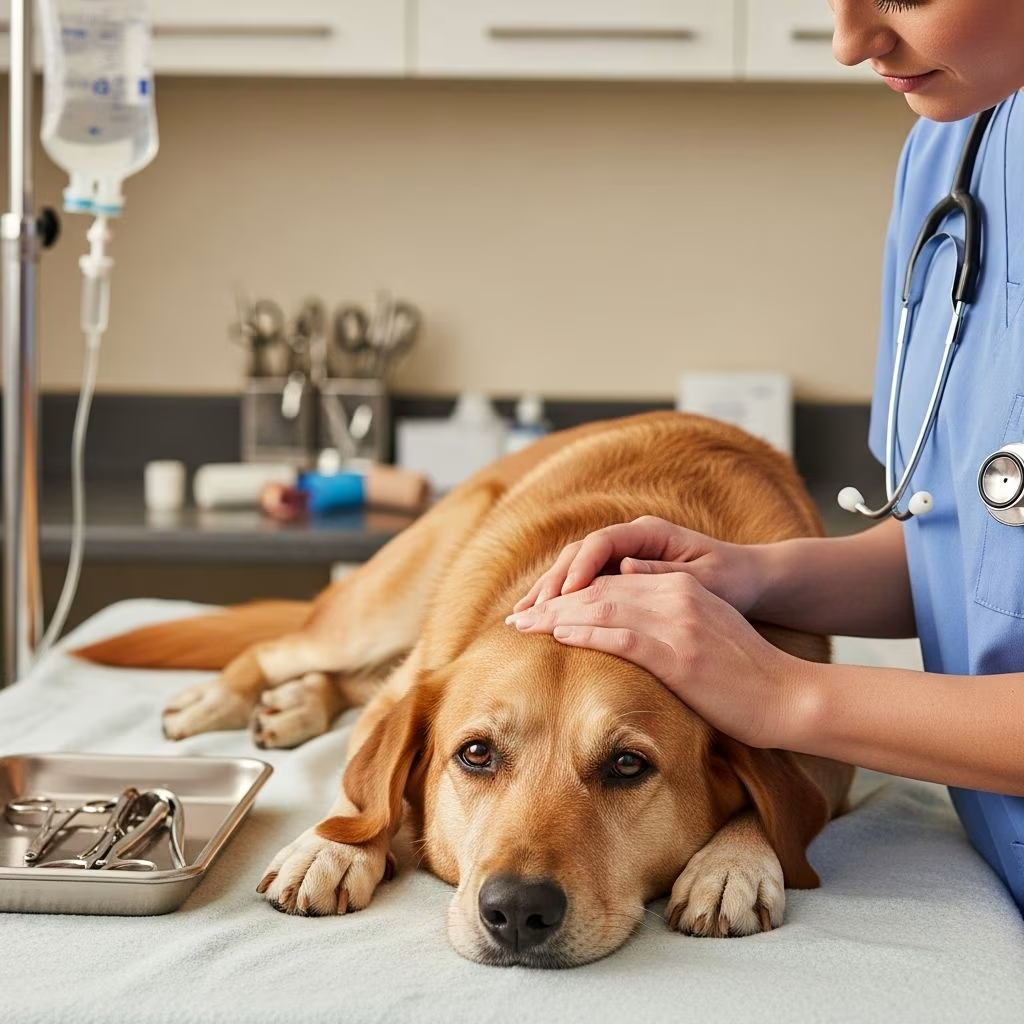
Surgical Pain in Dogs: Complete Guide to Pain Management
When your dog requires surgery, one of your primary concerns is likely their comfort and well-being during the procedure and recovery period. Modern veterinary medicine has made significant advances in pain management, allowing veterinarians to keep surgical patients comfortable before, during, and after procedures. Understanding how your veterinarian approaches surgical pain management can help you feel more confident about your pet’s care and recovery process.
Understanding Preemptive Pain Management
Your veterinarian will begin managing your pet’s pain before the procedure even starts. This approach, called preemptive pain management, involves anticipating pain and providing medication ahead of time to reduce pain from the surgical procedure itself. This proactive strategy has proven to be more effective than waiting until pain develops and then attempting to treat it.
Before anesthesia is administered, your dog will receive an injection of pain medication. This medication travels through the bloodstream to all parts of the body, providing generalized protection and preparing your dog’s nervous system to be protected from the pain of the surgery. Research demonstrates that adequate analgesia throughout the operation results in less surgical stress, more rapid recovery, and shorter post-operative complications in dogs.
The timing of pain medication administration is crucial for optimal outcomes. Studies show that administering analgesics both before and after surgery is associated with significantly better outcomes compared to single administrations. Veterinarians may administer pain medications during the premedication phase, intraoperatively, or through a combination of both approaches to ensure comprehensive coverage.
Pain Management During Surgery
Once your dog is under general anesthesia, your veterinarian employs multiple strategies to prevent pain signals from reaching the central nervous system. These intraoperative pain management techniques are essential components of a comprehensive surgical pain protocol.
Local Anesthesia Application
Your veterinarian will inject local anesthesia (sometimes called “freezing”) around the site of the planned incision to prevent pain signals from reaching the central nervous system. This localized approach provides targeted pain relief at the surgical site and is a fundamental component of modern surgical procedures.
Epidural Anesthesia
Depending on the nature of the surgery, your veterinarian may choose additional pain management strategies such as epidural anesthesia. This technique involves injection of medication into the space around the spinal cord to provide potent pain relief, similar to that used during human childbirth. Epidural anesthesia is especially useful with procedures involving the hind end and can provide superior analgesia while reducing the need for systemic medications.
Continuous Rate Infusion
Another advanced pain management strategy your veterinarian may use during surgery is continuous rate infusion (CRI), which involves the continuous intravenous flow of tiny doses of potent pain medications. Besides treating pain, CRI reduces the need for gas anesthesia so that a lower concentration can be used. A lower concentration of gas anesthesia means your pet will wake up faster and have fewer lingering effects from the anesthetic agents. Because CRI is delivered with intravenous fluids, it can continue after the surgery and throughout recovery, providing consistent pain relief during the critical post-operative period.
Post-Operative Pain Management
After your dog’s surgery is complete, comprehensive pain management continues to be a priority. Most dogs receive an injection of narcotic pain reliever before, during, or immediately after surgery. They also generally receive a dose of a nonsteroidal anti-inflammatory drug (NSAID) to decrease pain and inflammation at the surgical site.
Medications Used in Post-Operative Care
Post-surgery pain relief for dogs usually involves a combination of prescription medications tailored to your pet’s specific needs. Common medications include:
NSAIDs (Nonsteroidal Anti-Inflammatory Drugs): Medications like carprofen or meloxicam are commonly prescribed to reduce inflammation and alleviate pain. These drugs address both pain and the inflammatory response associated with surgery.
Opioids: Opioids such as tramadol or stronger narcotic medications may be used for more severe pain management. Research indicates that opioids are the mainstream analgesic drugs used in managing acute post-operative pain in dogs, particularly following major surgical procedures.
Local Anesthetics: Local anesthetics can provide targeted pain relief and may be used in combination with other medications for comprehensive pain management.
Adjunctive Analgesics: Additional medications such as gabapentin may be prescribed alongside primary pain relievers. These adjunctive analgesics are frequently used because they are inexpensive and can relieve both chronic and post-operative pain.
Multimodal Pain Management Approach
Modern veterinary medicine emphasizes a multimodal pain management approach, which uses multiple classes of medications simultaneously to address pain through different mechanisms. This strategy aims to maximize pain relief while minimizing side effects from any single medication. Research demonstrates that multimodal drug therapy, particularly the NSAID-opioid combination, is more effective for pain management than single drug administration.
Each surgical patient is unique, so your veterinarian will determine precisely which medications should be given, when they should be administered, and at what doses. The choice depends on the specific surgery performed, your dog’s individual needs, current health status, age, and any underlying medical conditions.
Physical Medicine and Rehabilitation
Beyond pharmaceutical interventions, some post-operative canine patients benefit from physical medicine modalities to reduce pain and inflammation. These complementary therapies may include:
Cold Therapy: Ice packs applied to the surgical site can reduce inflammation and provide pain relief, particularly in the immediate post-operative period.
Therapeutic Laser: Laser therapy can stimulate tissue healing and reduce pain and inflammation.
Acupuncture: This traditional technique may be used to manage post-operative pain and promote recovery.
Massage: Gentle massage can improve circulation, reduce muscle tension, and provide comfort during the recovery period.
Post-Operative Pain Management at Home
After your dog is discharged from the veterinary hospital, your role in pain management becomes crucial. Your veterinarian will explain the medications that have been prescribed to manage your dog’s pain, providing detailed instructions on dosage, administration methods, and frequency. Following your veterinarian’s instructions closely is important to prevent pain and avoid any potential side effects.
Medication Administration Guidelines
The two most commonly prescribed medications for pets after surgery are antibiotics to prevent infection and pain medication to relieve post-operative discomfort. If your dog is anxious or high-strung, your veterinarian may also prescribe a sedative or anti-anxiety medication to help keep your dog calm during the healing process.
It is important to note that home remedies are not recommended for post-operative pain management. If you have a remedy in mind to help your pet feel better, it is best to call your veterinarian to ask if the ingredients are safe for dogs. Never give human medications to your pet without consulting your veterinarian first, as many drugs that help humans can be toxic to dogs and may interact with prescribed medications.
Pain Assessment During Recovery
Watch for signs that your dog may be experiencing pain during recovery, including reluctance to move, excessive panting, restlessness, or changes in behavior. If you notice any concerning signs, contact your veterinarian immediately. Adequate post-operative analgesia is not only important for your dog’s comfort but also promotes faster healing, reduces stress, supports immune function, and encourages normal eating and activity patterns.
The Importance of Comprehensive Pain Management
Pain management is a critical aspect of your dog’s overall surgical care and recovery. Uncontrolled post-operative pain can lead to increased stress, delayed wound healing, negative effects on protein balance, decreased food intake, suppressed immune function, and even development of maladaptive behaviors including self-mutilation or excessive licking of the surgical site.
The goal of your veterinary team is to keep your dog as comfortable as possible before, during, and after surgery. Each surgical patient is unique, so each pain management strategy is fine-tuned to meet the needs of the individual dog. By understanding the comprehensive approaches your veterinarian uses to manage surgical pain, you can better support your dog’s recovery and ensure optimal healing.
Frequently Asked Questions About Surgical Pain in Dogs
Q: When does pain management begin for my dog’s surgery?
A: Pain management begins before your dog even enters the operating room. Your veterinarian will administer preemptive pain medication before anesthesia to prepare your dog’s nervous system and provide generalized protection from surgical pain.
Q: What types of pain medications are commonly used after dog surgery?
A: The most common post-operative pain medications include NSAIDs like carprofen and meloxicam, opioids such as tramadol, local anesthetics, and adjunctive analgesics like gabapentin. Your veterinarian will choose the best combination based on your dog’s specific surgery and needs.
Q: Why is multimodal pain management better than using a single medication?
A: Multimodal pain management uses multiple medications that work through different mechanisms to maximize pain relief while minimizing side effects. Research shows this approach is more effective than single drug administration for managing post-operative pain.
Q: Can I give my dog human pain medications at home?
A: No, you should never give your dog human medications without explicit veterinary approval. Many human drugs are toxic to dogs and may interact dangerously with prescribed medications. Always consult your veterinarian before giving any medication or home remedy.
Q: What should I watch for to determine if my dog is in pain during recovery?
A: Signs of post-operative pain include reluctance to move, excessive panting, restlessness, changes in behavior, or excessive licking of the surgical site. Contact your veterinarian immediately if you notice any of these signs.
Q: How long will my dog need pain medication after surgery?
A: The duration of pain medication depends on the type of surgery and your dog’s individual recovery. Your veterinarian will provide specific instructions on how long to continue medications and will adjust the pain management plan as your dog heals.
Q: Are there non-medication approaches to manage my dog’s post-operative pain?
A: Yes, complementary therapies may include cold therapy, therapeutic laser, acupuncture, and massage. These modalities can be used alongside medications to reduce pain and inflammation and support overall recovery.
References
- Surgical Pain in Dogs — VCA Animal Hospitals. Accessed November 2025. https://vcahospitals.com/know-your-pet/surgical-pain-in-dogs
- A systematic review of analgesia practices in dogs undergoing ovariohysterectomy — National Center for Biotechnology Information (NCBI). 2019. https://pmc.ncbi.nlm.nih.gov/articles/PMC6362335/
- 2022 AAHA Pain Management Guidelines for Dogs and Cats — American Animal Hospital Association (AAHA). 2022. https://www.aaha.org/
- What Veterinarians Should Advise Clients About Pain Control and Nonsteroidal Anti-Inflammatory Drugs — U.S. Food and Drug Administration (FDA). https://www.fda.gov/animal-veterinary
- Multimodal pain management in small animal veterinary medicine — Veterinary Practice. https://www.veterinary-practice.com/
- Pain Management in Surgical Patients — VetFolio. https://www.vetfolio.com/learn/article/pain-management-in-surgical-patients



