
Cesarean Delivery In Companion Animals: Complete Guide
Understanding cesarean procedures for dogs and cats in emergency and planned situations.
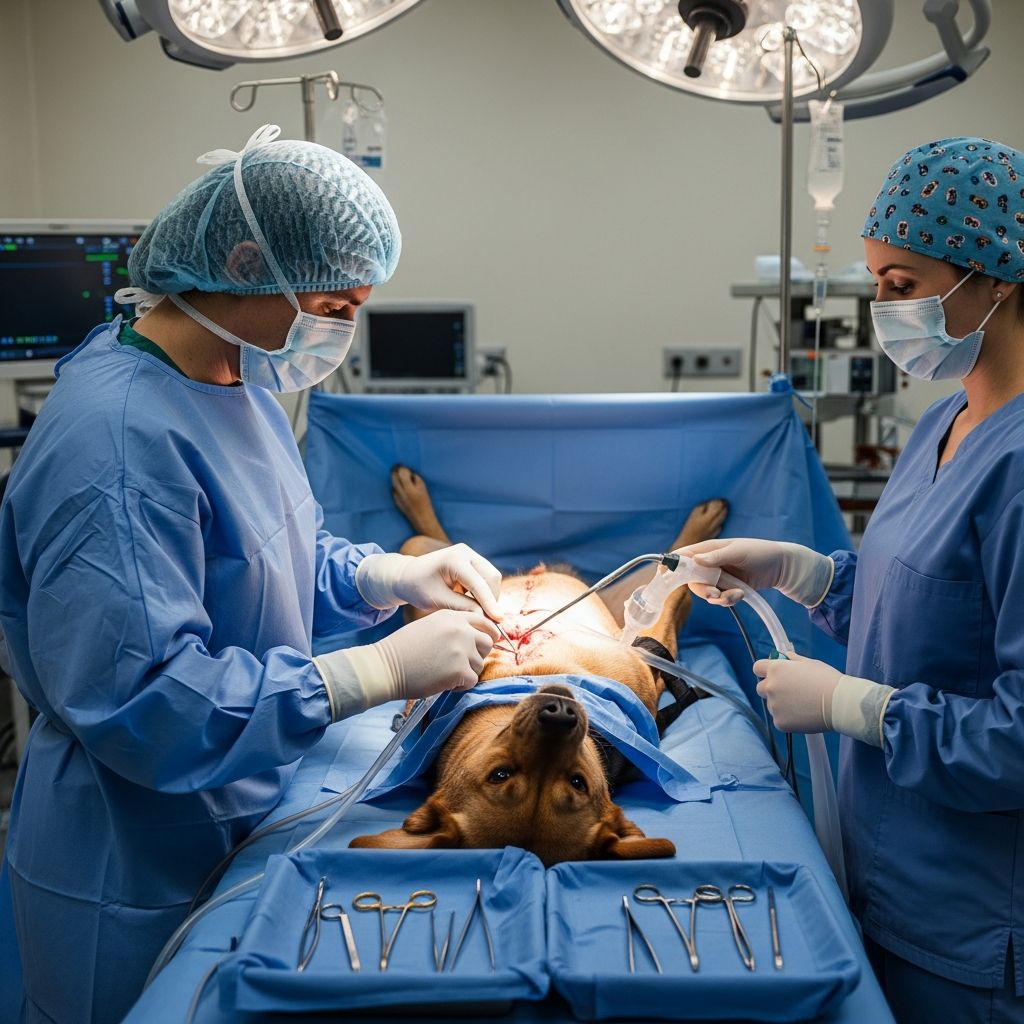
Cesarean section represents one of the most critical surgical interventions available in veterinary medicine, offering life-saving possibilities when natural delivery becomes impossible or medically inadvisable. This major surgical procedure involves the extraction of puppies or kittens directly from the maternal uterus through careful surgical incision and removal techniques. Understanding the intricacies of this procedure—from preparation through recovery—enables pet owners and veterinary professionals to make informed decisions that prioritize both maternal and neonatal health.
Recognizing When Surgical Delivery Becomes Necessary
Cesarean intervention becomes essential when the natural birthing process fails to progress normally or when complications threaten the life of the mother or her offspring. Several medical situations warrant this surgical approach. Uterine inertia, characterized by weak or absent contractions despite labor onset, prevents normal fetal passage through the birth canal. Additionally, pelvic abnormalities—whether from previous injuries, structural defects, or size incompatibilities between dam and offspring—may physically prevent vaginal delivery.
Fetal complications represent another critical category requiring immediate intervention. When fetuses become malpresented or too large to pass through the maternal pelvis, normal delivery becomes impossible. Emergency situations, including placental separation before labor completion or signs of fetal distress, demand rapid surgical action to preserve offspring viability. Some breeding programs select for body structures that make natural delivery mechanically unfeasible, necessitating planned cesarean sections before labor onset.
Maternal health concerns may also dictate the need for surgical delivery. Conditions such as severe infection, toxemia, or other systemic illnesses may make the stress of labor dangerous for the dam. In these cases, scheduled cesarean delivery protects maternal wellbeing while ensuring offspring survival.
The Veterinary Team: Coordinated Excellence in the Operating Room
Successful cesarean delivery depends fundamentally on seamless coordination among multiple veterinary professionals, each fulfilling distinct yet interdependent roles. This surgical procedure uniquely demands at least two separate teams working in perfect synchronization: one focused entirely on the dam’s surgical management and another dedicated exclusively to newborn resuscitation and stabilization.
The surgical team, led by the primary surgeon, manages all aspects of maternal anesthesia, incision creation, uterine manipulation, fetal extraction, and closure procedures. The anesthetist maintains precise pharmaceutical balance, ensuring the dam remains unconscious and pain-free while remaining responsive enough to nurse offspring soon after procedure completion. Nursing staff members support surgical steps, maintain instrument sterility, and monitor vital signs throughout the operation.
Equally critical is the resuscitation team, ideally including at least one trained technician per expected offspring. These professionals receive each newborn immediately upon extraction, assess respiratory status, perform necessary stimulation techniques, and execute cardiopulmonary resuscitation if breathing fails to initiate spontaneously. Their rapid, skilled interventions determine whether marginal or compromised neonates survive and thrive following delivery.
Pre-Operative Preparation: Setting the Foundation for Success
Thorough preparation precedes every cesarean section, whether planned or emergency. Within twenty-four hours before scheduled surgery, the dam undergoes comprehensive physical examination assessing overall health status, identifying potential anesthetic complications, and establishing baseline vital parameters. Laboratory work often includes bloodwork to evaluate organ function and ensure the dam can tolerate anesthesia safely.
Intravenous fluid administration begins before surgical incision, maintaining hydration and supporting cardiovascular stability throughout the procedure and early recovery. These fluids prove particularly important given the surgical blood loss anticipated during cesarean delivery and the need for rapid maternal recovery to facilitate early maternal-neonatal bonding.
Physical preparation involves sterile surgical site clipping, removing hair to prevent contamination of the surgical field. The shaved area undergoes thorough antiseptic cleansing to reduce bacterial populations at the incision site. Application of local anesthetic to the planned incision line reduces pain sensation during initial skin incision, permitting anesthesia depth reduction and supporting faster post-operative recovery.
Anesthesia protocol selection represents a critical pre-operative decision, balancing maternal safety with neonatal considerations. Ideally, the dam recovers consciousness rapidly after fetal extraction to enable immediate maternal care and nursing behaviors. Anesthetic agents that cross the placenta minimally prove preferable, as extensive fetal exposure to anesthetic compounds may delay puppy or kitten responsiveness and breathing initiation.
The Surgical Procedure: Technical Excellence Step by Step
Incision Placement and Abdominal Access
After anesthesia induction and tracheal intubation to maintain airway patency and deliver oxygen, the surgeon creates a ventral midline incision extending from near the umbilicus toward the pelvis. This anatomical approach provides optimal access to the uterus while minimizing disruption to surrounding organs and musculature. The surgeon must puncture only the thin linea alba—the connective tissue plane between abdominal muscles—while carefully avoiding incision of underlying vulnerable viscera.
Uterine Exteriorization and Gentle Manipulation
Once abdominal access is achieved, the surgeon carefully manipulates the highly distended, fragile uterus, which presents tremendous rupture risk if handled roughly. Application of local anesthetic to the ovarian suspensory ligaments facilitates uterine relaxation and reduces postoperative pain from traction injury. This procedural detail also prevents dangerous vagal reflexes that can cause sudden hypotension and heart rate reduction, potentially compromising maternal stability during critical fetal extraction.
Uterine Opening and Fetal Extraction
The surgeon creates incisions in the uterine horns at locations between placentas where blood vessel density remains minimal, reducing hemorrhage risk during delivery. Using a scalpel blade followed by blunt-tipped scissors prevents inadvertent trauma to emerging neonates. As each fetus emerges, the umbilical cord is clamped at two locations and severed between the clamps, immediately halting placental blood supply.
Each newborn passes immediately to waiting resuscitation team members, ensuring no delay in breathing stimulation and recovery initiation. The placenta remains in place until all fetuses have been extracted, preventing premature placental separation that could compromise remaining offspring oxygenation.
Placental Separation and Uterine Inspection
Careful placental detachment separates only the fetal placental component from the maternal uterine lining, preserving endometrial tissue critical for future reproductive function. Improper separation technique removing both placental layers necessitates complete uterine removal—an outcome the surgeon typically prefers to avoid when breeding potential remains important.
After complete fetal and placental removal, the surgeon inspects the uterine interior for tears, hemorrhage, or abnormal contents that might indicate infection. Uterine incisions are closed using continuous, inverted suture patterns that oppose tissue layers while maintaining hemostasis.
Post-Operative Closure and Decision Points
Following completion of uterine closure, the surgeon faces a significant decision regarding ovarian and uterine preservation. Some procedures involve returning the intact, closed uterus to the abdominal cavity, preserving future breeding potential. Alternatively, the surgeon may recommend spaying—complete removal of ovaries and uterus—eliminating future pregnancy possibilities while reducing risks of uterine infection or dysfunction. This decision typically involves pre-operative discussion between veterinarian and pet owner, weighing breeding intentions against medical considerations.
Final abdominal closure occurs in multiple layers, reapproximating muscle layers and skin to provide strength and support for healing.
Neonatal Resuscitation: The Critical First Minutes
The immediate post-extraction period represents the most critical time for newborn survival. Upon receipt from the surgical team, each neonate undergoes rapid assessment of respiratory effort. Vigorous rubbing stimulates breathing initiation and promotes circulation, with most healthy neonates responding within seconds.
If spontaneous breathing fails to initiate, resuscitation team members may employ cardiopulmonary resuscitation, including chest compressions and assisted ventilation. These interventions prove life-saving for compromised neonates that might otherwise succumb to anoxia. As neonates stabilize, the resuscitation team clears airways, monitors temperature maintenance, and ensures early maternal contact once the dam awakens.
Recovery and Maternal Care
Rapid maternal awakening after anesthetic completion enables critical early maternal-neonatal bonding and nursing initiation. Pain management through appropriate analgesic administration ensures the dam remains comfortable during recovery and early lactation. Careful monitoring for complications such as infection, hemorrhage, or uterine rupture guides post-operative care decisions. Most dams can return home within twenty-four to seventy-two hours, though activity restriction and incision monitoring continue for weeks following discharge.
Frequently Asked Questions About Cesarean Delivery
Can my pet have another litter after cesarean section?
If the uterus and ovaries were preserved during surgery, future pregnancies may be possible, though veterinarians typically recommend consulting before breeding again. If spaying was performed, future breeding becomes impossible.
How long does the entire cesarean procedure take?
Once anesthesia is complete, most cesarean deliveries can be completed within five to thirty minutes, depending on litter size and any complicating factors.
What is the survival rate for puppies born via cesarean section?
Survival rates improve dramatically with experienced veterinary teams and immediate neonatal care, though individual outcomes depend on fetal health at delivery and resuscitation success.
Will my pet be in pain after surgery?
Appropriate pain management medications maintain comfort during recovery. Most dams show significant improvement within forty-eight hours.
Conclusion: Prioritizing Health Through Informed Care
Cesarean delivery represents a sophisticated surgical intervention that saves lives when natural delivery becomes impossible. Success depends on meticulous preparation, coordinated team effort, and comprehensive post-operative care. Pet owners facing this procedure should discuss all aspects—from anesthesia selection through closure decisions—with their veterinarian, ensuring decisions align with both immediate medical needs and long-term health goals. When executed by skilled professionals with proper support systems, cesarean delivery transforms what could be a life-threatening situation into a successful outcome for both dam and offspring.
References
- How to Perform Cesarean Sections in Dogs — Clinician’s Brief. 2024. https://www.cliniciansbrief.com/article/cesarean-section-dog
- Caesarean Section — Metro Paws Animal Hospital. https://mpahvets.com/blog/caesarean-section/
- Dog C-Section: What the Procedure Is and How To Prepare Your Dog — PetMD. https://www.petmd.com/dog/procedure/dog-c-section
- Caesarian C-Section in a Dog — Long Beach Animal Hospital. https://lbah.com/general/c-section/
- Chapter 7: Cesarian Section — Veterinary Surgery Online. https://www.vetsurgeryonline.com/cesarian-section/
Similar Articles








Read full bio of Sneha Tete


