
Surfactants in Veterinary Antiseptics and Disinfectants
Discover how surface-active agents enhance antimicrobial action in animal care, from wound treatment to facility sanitation.
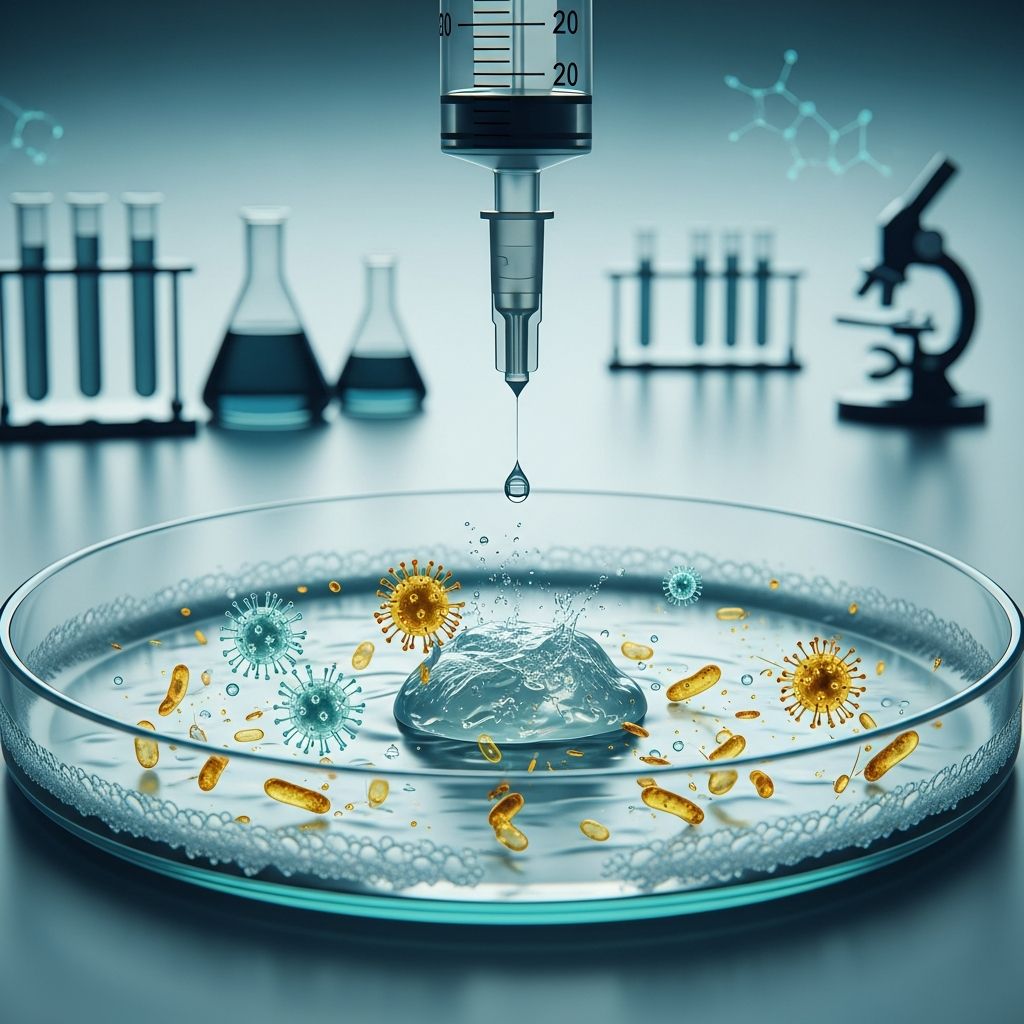
Surface-active compounds, commonly known as surfactants, play a pivotal role in veterinary medicine by disrupting microbial cell membranes and aiding in the removal of contaminants. These agents are integral to both antiseptics applied on living tissues and disinfectants used on inanimate surfaces, ensuring robust infection control in animal settings.
Understanding Surfactants: Mechanisms and Classifications
Surfactants lower surface tension between liquids and solids, enabling them to penetrate and emulsify fats, proteins, and debris. In antimicrobial contexts, they destabilize bacterial, viral, and fungal cell walls, leading to leakage of cellular contents and cell death. Veterinary applications leverage this property for cleaning wounds, surgical sites, and housing environments.
Surfactants are categorized into four main classes based on their ionic nature:
- Cationic surfactants: Positively charged, highly effective against bacteria and enveloped viruses due to binding with negatively charged microbial surfaces.
- Anionic surfactants: Negatively charged, primarily used in soaps for mechanical cleaning rather than direct killing.
- Nonionic surfactants: Neutral, often combined with other agents to enhance solubility and penetration without altering pH significantly.
- Amphoteric surfactants: Zwitterionic, milder on tissues and effective in varied pH conditions, suitable for sensitive applications.
These classifications determine their suitability for specific veterinary uses, with cationic types dominating disinfectant formulations.
Key Surfactant Agents in Animal Healthcare
Quaternary ammonium compounds (QACs), the cornerstone of cationic surfactants, include benzalkonium chloride and cetylpyridinium chloride. QACs disrupt lipid bilayers in microbial membranes, proving effective against gram-positive bacteria, some gram-negatives, and fungi. However, their activity diminishes in organic matter presence, such as blood or feces, necessitating prior cleaning.
| Surfactant Type | Examples | Strengths | Limitations |
|---|---|---|---|
| Cationic (QACs) | Benzalkonium chloride, Didecyldimethylammonium chloride | Broad-spectrum, low toxicity at use levels | Inactivated by organics, soaps |
| Anionic | Soaps (R-COO⁻Na) | Excellent cleansers | Poor direct antimicrobial action |
| Nonionic | Polysorbates | Enhance other agents | Limited standalone efficacy |
| Amphoteric | Cocamidopropyl betaine | Skin-friendly | Less potent against spores |
QACs are staples in kennel disinfectants and instrument sanitizers, but compatibility testing is crucial to avoid residue buildup on surfaces.
Applications in Veterinary Practice
Wound Management and Skin Antisepsis
In wound care, surfactants facilitate debris removal and microbial reduction without excessive tissue damage. QAC-based solutions are used for initial debridement, while combinations with alcohols boost efficacy against feline calicivirus and similar pathogens. Alcohol-QAC blends outperform chlorhexidine in some hand hygiene protocols for veterinary staff.
Hydrogen peroxide, often formulated with surfactants for stability, provides effervescence to dislodge anaerobes from deep wounds. Accelerated versions with added surfactants show improved activity in clinics, though routine use is avoided due to fibroblast toxicity.
Environmental Disinfection in Farms and Clinics
Livestock facilities rely on QAC-glutaraldehyde mixes for swine and poultry barns, tackling enveloped viruses like duck hepatitis B when surfactants enhance penetration. These formulations clean and disinfect simultaneously, reducing labor.
In feline hospitals, QACs are approached cautiously due to variable efficacy against parvovirus; sodium hypochlorite or potassium peroxymonosulfate with surfactants is preferred for high-risk areas.
Surgical and Instrument Preparation
Preoperative skin scrubs incorporate surfactant-alcohol mixes for rapid bacterial kill. Iodophors, stabilized by surfactants, offer broad-spectrum action for instrument immersion, requiring 15+ minutes for spores.
Efficacy Against Pathogens
Surfactants excel against enveloped viruses but struggle with non-enveloped ones like parvovirus unless combined with oxidizers. Studies show QACs reducing Microsporum canis effectively, though phenolics lag behind.
Household bleach (sodium hypochlorite) with surfactants achieves >5-log reductions in Salmonella and E. coli within minutes, ideal for food surfaces.
- Viruses: Enhanced by additives like ammonium derivatives.
- Bacteria: QACs potent on gram-positives; less on Pseudomonas.
- Fungi: Effective on dermatophytes.
- Spores: Poor unless potentiated.
Safety Considerations and Limitations
While low-toxicity at dilutions, QACs can cause dermatitis with prolonged exposure; gloves are recommended. Anionic surfactants in soaps inactivate cationics, preventing mixed use. Tissue irritancy limits antiseptics like glutaraldehyde to disinfection only.
Environmental impact includes aquatic toxicity for QACs, favoring biodegradable alternatives in large-scale farming. pH sensitivity affects stability; acidic conditions boost some alcohol-surfactant efficacy.
Best Practices for Implementation
Follow a three-step process: mechanical cleaning with anionic surfactants, application of QAC or oxidizer-surfactant disinfectants, and contact time adherence (5-10 minutes typically).
- Remove gross soil to maximize disinfectant penetration.
- Select based on pathogen risk: QACs for routine, hypochlorite for spores.
- Rinse residues to prevent animal ingestion.
- Monitor for resistance; rotate agents.
Storage in cool, dark places preserves potency; expiration dates are critical.
Emerging Innovations and Combinations
Modern formulations integrate surfactants with silver ions or UV for residual protection. Accelerated hydrogen peroxide-surfactant blends gain traction in clinics for parvovirus control. Sodium bicarbonate-surfactant mixes offer eco-friendly options for food areas, achieving 4-log FCV reduction quickly.
Frequently Asked Questions (FAQs)
Are QACs safe for use around pets?
Yes, at recommended dilutions (1:256), QACs pose low risk, but avoid direct contact and ensure drying before animal access.
Can surfactants replace bleach in kennels?
QAC-surfactants are effective alternatives for non-spore pathogens but less so for parvovirus; bleach remains superior for outbreaks.
How do surfactants improve disinfectant speed?
By emulsifying barriers, they enable faster active ingredient access to microbes.
What neutralizes QAC residues?
Anionic detergents or thorough rinsing; test surfaces for slipperiness.
Are surfactant-based products corrosive?
Most are not, but check labels; potassium peroxymonosulfate variants may affect metals.
This comprehensive guide underscores surfactants’ versatility in veterinary infection control, balancing efficacy, safety, and practicality for optimal animal health outcomes.
References
- Antiseptics and Disinfectants — Veterian Key. Accessed 2026. https://veteriankey.com/antiseptics-and-disinfectants/
- GUIDELINE for Disinfectant choice in feline veterinary hospitals — ABCD Cats & Vets. 2010 (updated). https://www.abcdcatsvets.org/guideline-for-disinfectant-choice-in-feline-veterinary-hospitals-shelters-and-cat-households/
- Overview of Antiseptics and Disinfectants for Use With Animals — Merck Veterinary Manual. Accessed 2026. https://www.merckvetmanual.com/pharmacology/antiseptics-and-disinfectants/overview-of-antiseptics-and-disinfectants-for-use-with-animals
- Surfactants as Antimicrobials: A Brief Overview — PMC (NCBI). 2020-04-21. https://pmc.ncbi.nlm.nih.gov/articles/PMC7166552/
- Chemical Disinfectants — CDC. Accessed 2026. https://www.cdc.gov/infection-control/hcp/disinfection-sterilization/chemical-disinfectants.html
Similar Articles








Read full bio of Sneha Tete


