Supporting Senior Dogs with Joint Pain and Mobility Challenges
Discover effective strategies to enhance comfort, mobility, and quality of life for older dogs facing arthritis and related issues.
As dogs age, joint degeneration like osteoarthritis becomes common, leading to stiffness, pain, and reduced activity. Many owners notice their pets struggling with daily movements, but targeted interventions can significantly improve their well-being. This guide explores veterinary-approved methods to alleviate discomfort and restore function.
Recognizing Early Signs of Mobility Decline in Aging Canines
Observing subtle changes helps in early intervention. Common indicators include reluctance to climb stairs, limping after rest, difficulty rising from lying down, or reduced enthusiasm for play. These symptoms often stem from cartilage wear, inflammation, and muscle weakening around joints.
- Slowed gait: Shorter strides or hesitation during walks signal joint stress.
- Trembling legs: Especially in hind limbs, indicating pain during weight-bearing.
- Behavioral shifts: Withdrawal from social interaction or sleeping more due to discomfort.
Early detection allows for proactive management, preventing further deterioration. Consult a veterinarian for X-rays or exams to confirm arthritis or other conditions like hip dysplasia.
Pharmacological Options for Pain and Inflammation Control
Veterinarians often prescribe medications as a cornerstone of treatment. Nonsteroidal anti-inflammatory drugs (NSAIDs) reduce swelling and pain effectively, improving daily comfort. Examples include carprofen or meloxicam, tailored to the dog’s size and health.
Avoid human drugs like ibuprofen or acetaminophen, which are toxic to dogs. For chronic cases, options like tramadol or gabapentin modulate pain signals in the nervous system. Adequan injections, polysulfated glycosaminoglycan, support cartilage repair and are administered bi-weekly initially.
| Treatment Type | Benefits | Considerations |
|---|---|---|
| NSAIDs | Quick pain relief, anti-inflammatory | Monitor for GI upset; vet prescription required |
| Adequan Injections | Cartilage protection, long-term joint health | Costly; series of shots needed |
| Gabapentin | Nerve pain modulation | May cause sedation; dose adjustments |
Nutritional Supplements to Bolster Joint Integrity
Supplements complement medications by providing building blocks for joint repair. Glucosamine and chondroitin, found in products like Dasuquin, lubricate joints and inhibit enzymes that degrade cartilage. Omega-3 fatty acids from fish oil reduce inflammation naturally.
Green-lipped mussel extract offers anti-inflammatory compounds effective in early arthritis stages. Start with vet-recommended doses, as quality varies. Consistency over months yields best results, often combined with diet for weight control.
- Dasuquin Advanced: For advanced cases, with MSM for added flexibility.
- Omega-3s: EPA/DHA ratios matter; aim for high purity.
- Cosequin/Glyde: Suitable for mild symptoms.
Rehabilitation Therapies for Strength and Flexibility
Physical rehabilitation builds supporting muscles, enhancing stability without joint overload. Certified therapists design programs including passive range-of-motion (PROM) exercises, where limbs are gently flexed to maintain mobility.
Hydrotherapy, using underwater treadmills, leverages buoyancy for low-impact workouts that strengthen legs and core. Sessions improve endurance and reduce stiffness. Balance training on wobble boards enhances proprioception, preventing falls.
Laser therapy delivers light to joints, boosting circulation and reducing inflammation. Acupuncture stimulates nerves for pain relief, backed by clinical evidence in multimodal plans. Progress is gradual; home exercises reinforce professional sessions.
Advanced Interventions for Severe Cases
For dogs unresponsive to basics, innovative therapies offer hope. Stem cell treatments harness the body’s regenerative cells to repair tissue. Platelet-rich plasma (PRP) injections promote healing via growth factors.
Shockwave therapy uses sound waves to break inflammation cycles. Electrical stimulation combats muscle atrophy, while TENS units provide targeted analgesia. Surgical options like femoral head ostectomy suit small breeds with hip issues, removing painful bone ends. These require specialist evaluation.
Environmental Modifications for Safer Home Navigation
Home adjustments prevent injuries and ease movement. Orthopedic foam beds cradle joints, reducing pressure points. Ramps replace stairs for car or furniture access.
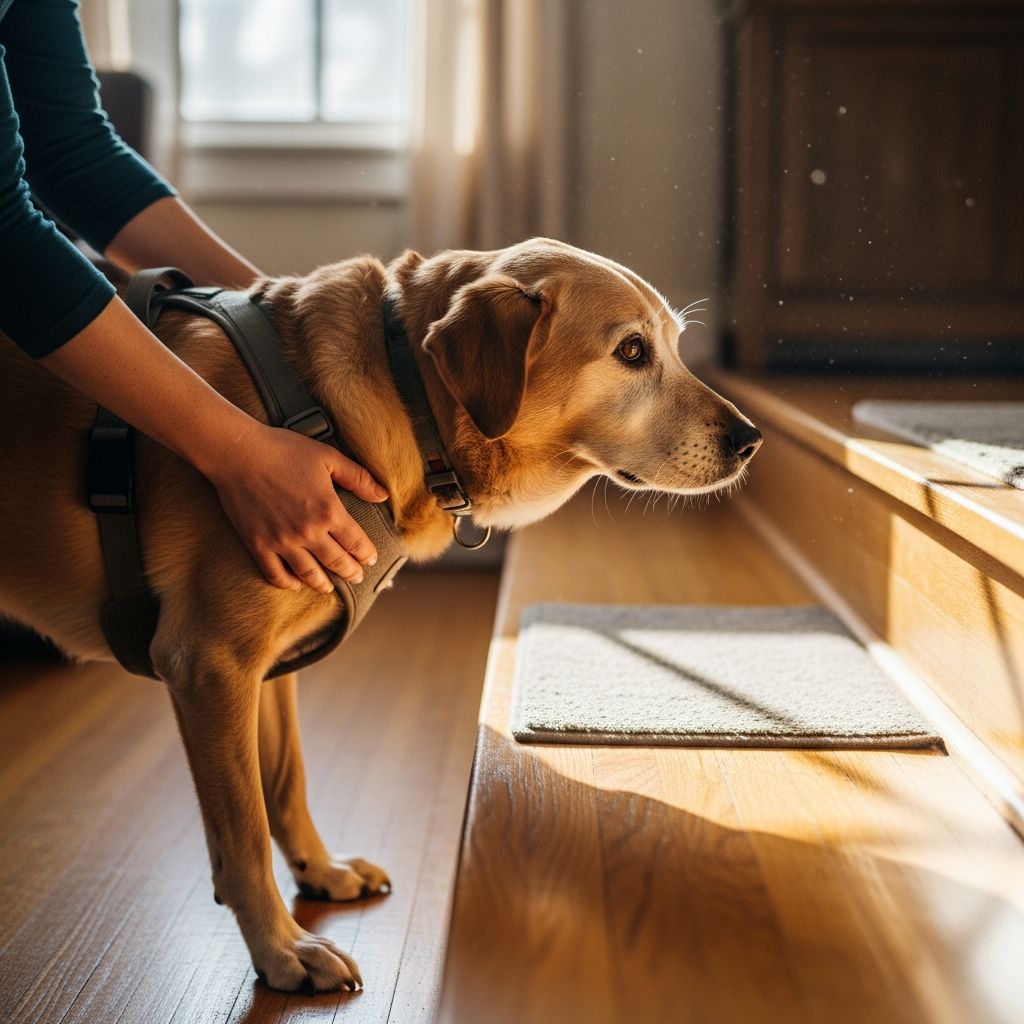
Non-slip rugs and mats on slick floors provide traction. Dog-lift harnesses assist standing or walking, distributing weight from hips. Block stairs with gates when unsupervised, adding grips if needed. Heated pads soothe aches, used cautiously to avoid burns.
- Slings/Harnesses: Rear-support models for hind-end weakness.
- Ramps: Lightweight, adjustable for vehicles.
- Gates: Prevent risky climbs.
Daily Exercise Routines Tailored for Arthritic Dogs
Moderate activity maintains muscle tone without flare-ups. Short, frequent walks (10-15 minutes, 3-4 times daily) on soft surfaces build stamina. Avoid jumping or rough play.
Incorporate sit-to-stands, weaving around poles, or gentle stretches. Swimming stretches muscles effortlessly. Track progress with a journal, adjusting based on energy levels. Weight management amplifies benefits; even 10% loss eases joint load.
Holistic and Adjunctive Pain Relief Methods
Massage improves circulation, targeting affected areas with circular motions. Cold laser or warm compresses alternate for inflammation control. Joint supplements pair with diets rich in antioxidants.
Acupuncture and chiropractic adjustments, from certified practitioners, complement conventional care. Monitor for improvements in appetite and mood as holistic signs of efficacy.
Nutrition Strategies to Combat Joint Stress
Prescription diets with controlled calories and joint-supportive nutrients aid weight loss. High-protein, low-fat formulas preserve muscle. Add turmeric or boswellia for natural anti-inflammatories, vet-approved.
Hydration supports synovial fluid; wet food helps. Portion control via puzzle feeders encourages slow eating, reducing obesity risk.
Monitoring Progress and When to Seek Further Help
Regular vet check-ups assess response via mobility scores and joint exams. Adjust plans if pain persists or worsens. Bloodwork monitors medication side effects.
Quality-of-life scales weigh benefits against burdens. Palliative focus may shift in end-stages, prioritizing comfort.
Frequently Asked Questions (FAQs)
What are the first signs of arthritis in senior dogs?
Limping, stiffness after rest, reluctance to jump, or changes in gait are typical early indicators.
Can overweight dogs benefit from arthritis treatments?
Yes, weight loss dramatically reduces joint strain, amplifying all therapies’ effectiveness.
Is swimming safe for dogs with severe mobility issues?
Absolutely; hydrotherapy’s buoyancy minimizes impact while building strength.
How often should I give joint supplements?
Daily, as directed; results appear in 4-6 weeks with consistent use.
Are there surgical options for advanced arthritis?
Yes, like femoral head ostectomy for hips or joint replacements in select cases.
Can natural remedies replace vet medications?
No; they support but don’t substitute prescribed treatments for optimal control.
References
- How to Help Senior Dogs With Mobility Issues — Fear Free Happy Homes. 2023. https://www.fearfreehappyhomes.com/how-to-help-senior-dogs-with-mobility-issues/
- From Stiff to Swift: Using Therapeutic Exercise to Help Dogs with Arthritis — Parkwood Animal Hospital. 2024. https://parkwoodanimalhospital.com/from-stiff-to-swift-using-therapeutic-exercise-to-help-dogs-with-arthritis/
- Treating Arthritis in an Older Dog — The Grey Muzzle Organization. 2023. https://www.greymuzzle.org/resources/health-and-well-being-common-health-issues-care-mobility-common-ailments/treating
- Dog Arthritis Treatment: How To Help a Dog With Arthritis — PetMD. 2025-02-15. https://www.petmd.com/dog/general-health/dog-arthritis-treatment-how-to-help-a-dog
- How to Ease Your Senior Dog’s Arthritis Pain — Oklahoma Veterinary Specialists. 2024. https://www.okvets.com/post/how-to-ease-your-senior-dogs-arthritis-pain
- Best Remedies for Joint Pain Relief in Senior Dogs — Mission Road Animal Clinic. 2024. https://www.missionroadanimalclinic.com/joint-pain-relief-remedies-for-older-senior-dogs/
- Mobility Issues in Older Pets — Hazel Ridge Veterinary Clinic. 2023. https://hazelridgevet.com/senior-pet-mobility
Similar Articles








Read full bio of Sneha Tete