

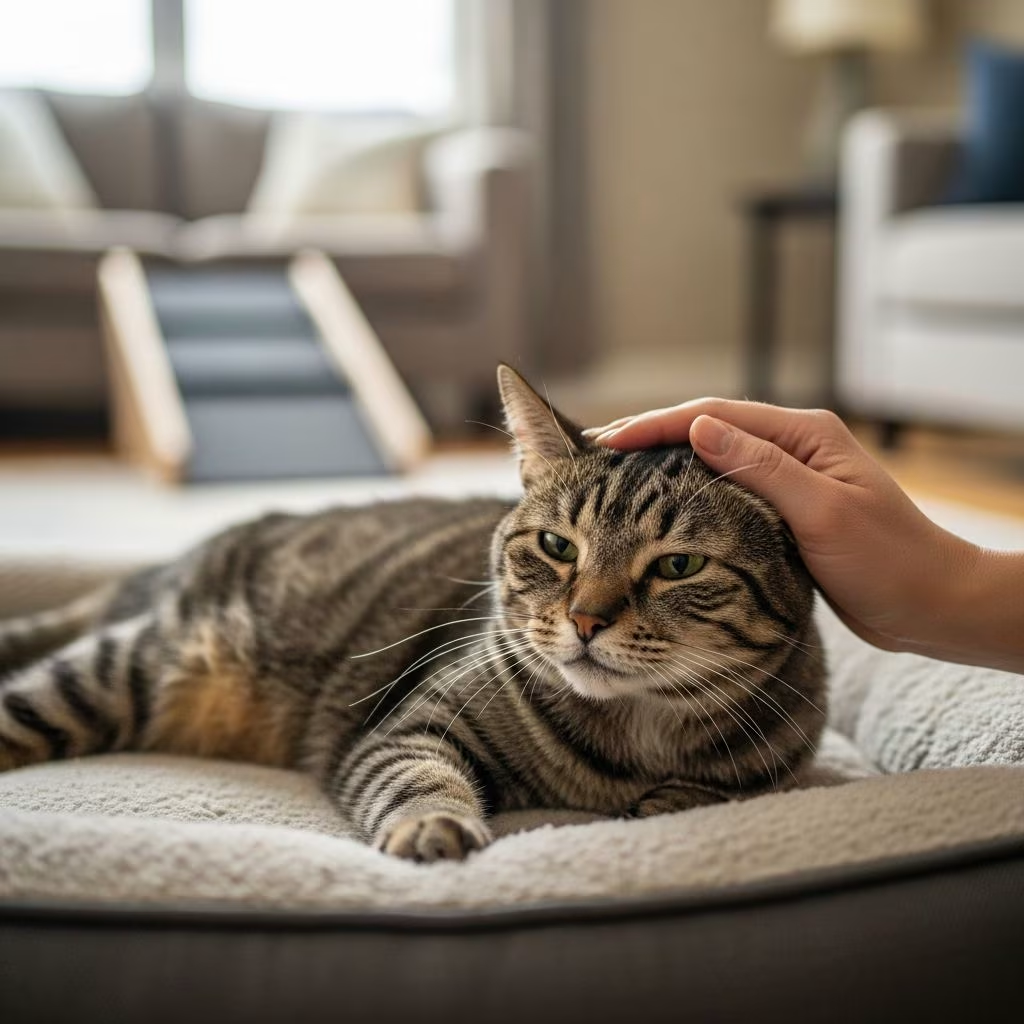
As cats age, joint degeneration becomes increasingly common, affecting their daily comfort and independence. Up to 90% of cats over age 10 experience arthritis, making early recognition and intervention crucial for maintaining their well-being. This guide explores how to identify issues, pursue professional treatments, and adapt your home environment to support your feline companion through these changes.
Recognizing Early Indicators of Joint Discomfort in Cats
Cats are masters at masking pain, which complicates detection of mobility problems. Subtle shifts in behavior often signal underlying joint issues like osteoarthritis, where cartilage breakdown leads to inflammation and stiffness.
- Altered Movement Patterns: Watch for hesitation when jumping onto furniture or counters, reluctance to climb stairs, or awkward postures while entering litter boxes. Cats may also miss jumps they once nailed effortlessly.
- Changes in Daily Habits: Reduced grooming leads to unkempt fur, especially on the back and hindquarters. You might notice more time spent lying down in low, accessible spots rather than perching high.
- Behavioral Shifts: Increased irritability, such as swatting or hissing during petting near hips or spine, or withdrawal from play and interaction, can indicate discomfort.
- Litter Box Troubles: Accidents outside the box or difficulty squatting often stem from painful joints rather than urinary problems.
Tracking these signs over time helps build a case for veterinary evaluation. Radiographs and physical exams confirm diagnoses, revealing joint changes invisible to the naked eye.
Professional Treatment Options for Feline Joint Pain
Veterinarians employ a multimodal approach to manage arthritis, combining pharmacology, supplements, and therapies tailored to your cat’s needs. No single cure exists, but these interventions slow progression and alleviate symptoms.
Pharmacological Interventions
Medications target pain and inflammation directly. A standout is Solensia (frunevetmab), an FDA-approved monoclonal antibody administered monthly via injection. It neutralizes nerve growth factor to provide long-term relief without daily pills, ideal for cats with sensitive livers. Other options include nonsteroidal anti-inflammatory drugs (NSAIDs), though used cautiously, and occasional opioids or amantadine for breakthrough pain.
Nutritional and Supplemental Support
Supplements bolster joint health by supporting cartilage repair and reducing inflammation. Glucosamine, chondroitin, and omega-3 fatty acids from fish oil are staples, often paired with prescription diets like Hill’s j/d that promote weight control and joint nutrition. Injectable joint protectants offer another pill-free alternative for consistent delivery.
Advanced Therapies and Rehabilitation
Non-invasive therapies yield impressive results with minimal side effects. Laser therapy penetrates tissues to reduce swelling and promote healing, while acupuncture stimulates natural pain relief pathways. Physical rehabilitation includes passive range-of-motion exercises, balance training on uneven surfaces, and hydrotherapy in underwater treadmills to build strength without joint stress.
| Treatment Type | Benefits | Frequency | Source |
|---|---|---|---|
| Monoclonal Antibody (Solensia) | Targets chronic pain signals; monthly injection | Once monthly | |
| Laser Therapy | Reduces inflammation; non-invasive | 2-3 times weekly initially | |
| Joint Supplements | Supports cartilage; daily oral | Daily | |
| Hydrotherapy | Improves mobility; low-impact | 1-2 sessions weekly |
These options often combine for optimal outcomes, with vets adjusting based on response.
Environmental Modifications for Enhanced Comfort
Simple home tweaks dramatically improve accessibility and reduce strain, empowering arthritic cats to navigate their world independently.
- Litter Box Accessibility: Switch to low-sided or cut-out entry boxes to ease entry/exit. Place multiple boxes on ground level to avoid stairs.
- Elevated Essentials: Use raised food and water bowls to minimize neck and back bending. Ramps or pet stairs assist with couch or bed access.
- Cozy Resting Spots: Provide orthopedic foam beds or heated pads for joint support and warmth, which soothes stiffness.
- Grooming Assistance: Regular brushing compensates for reduced self-grooming, preventing matted fur and skin issues.
Maintain a stable indoor temperature, as cold exacerbates pain—keep your cat warm and draft-free. Trim nails frequently to prevent snags that could cause falls.
Nutrition and Weight Management Strategies
Excess weight amplifies joint stress, so a targeted plan is foundational. Aim for gradual loss through calorie-controlled diets rich in joint-supportive nutrients.
- Prescription formulas with controlled phosphorus and added antioxidants protect kidneys while aiding joints.
- Portion feeding and puzzle toys encourage slower eating, promoting satiety without overconsumption.
- Monitor body condition score monthly with your vet to track progress safely.
Combining diet with gentle exercise, like chasing laser pointers or walking on inclines, preserves muscle mass.
Daily Care Routines to Promote Mobility
Incorporate low-impact activities into routines to prevent stiffness. Gentle massages during relaxed moments improve circulation, while short play sessions build endurance. Devices like the Assisi Loop deliver targeted electromagnetic therapy at home for convenience. Consistency fosters gradual improvements in flexibility and confidence.
Monitoring Progress and When to Seek Help
Regular vet check-ins assess treatment efficacy using pain scales and mobility tests. Adjust plans if symptoms persist, such as aggression or appetite loss, which may signal worsening. Early surgery for specific injuries, like ligament tears, can prevent further degeneration.
Frequently Asked Questions
How common is arthritis in older cats?
Arthritis affects 60% of cats over 6 and 90% over 10, underscoring its prevalence in seniors.
Is Solensia safe for long-term use?
Yes, this FDA-approved injection is designed for ongoing arthritis management in cats, with a favorable safety profile.
Can overweight cats benefit from weight loss alone?
Absolutely—shedding pounds reduces joint load significantly, often amplifying other treatments’ effects.
What if my cat resists therapy sessions?
Start slow with positive reinforcement; not all cats tolerate hydrotherapy, so alternatives like laser work well.
How do I know if pain meds are working?
Look for resumed jumping, grooming, and sociability; consult your vet for objective assessments.
References
- Feline Arthritis Do’s and Don’ts — Fairfax Veterinary Clinic. 2023. https://fairfaxvet.com/feline-arthritis-dos-and-donts/
- Arthritis Treatment: Helping Our Senior Cats Extend their Quality Years — Just Cats Clinic. 2024. https://justcatsclinic.com/arthritis-treatment-helping-our-senior-cats-extend-their-quality-years/
- Understanding Feline Arthritis — Mobile Cat and Dog Vet. 2024. https://mobilecatanddogvet.com/understanding-feline-arthritis/
- 9 Treatments for Arthritis in Cats: Medications and More — GoodRx. 2024-01-15. https://www.goodrx.com/pet-health/cat/arthritis-treatment
- Osteoarthritis in Cats: More Common Than You Think — U.S. Food and Drug Administration (FDA). 2023-05-10. https://www.fda.gov/animal-veterinary/animal-health-literacy/osteoarthritis-cats-more-common-you-think



