

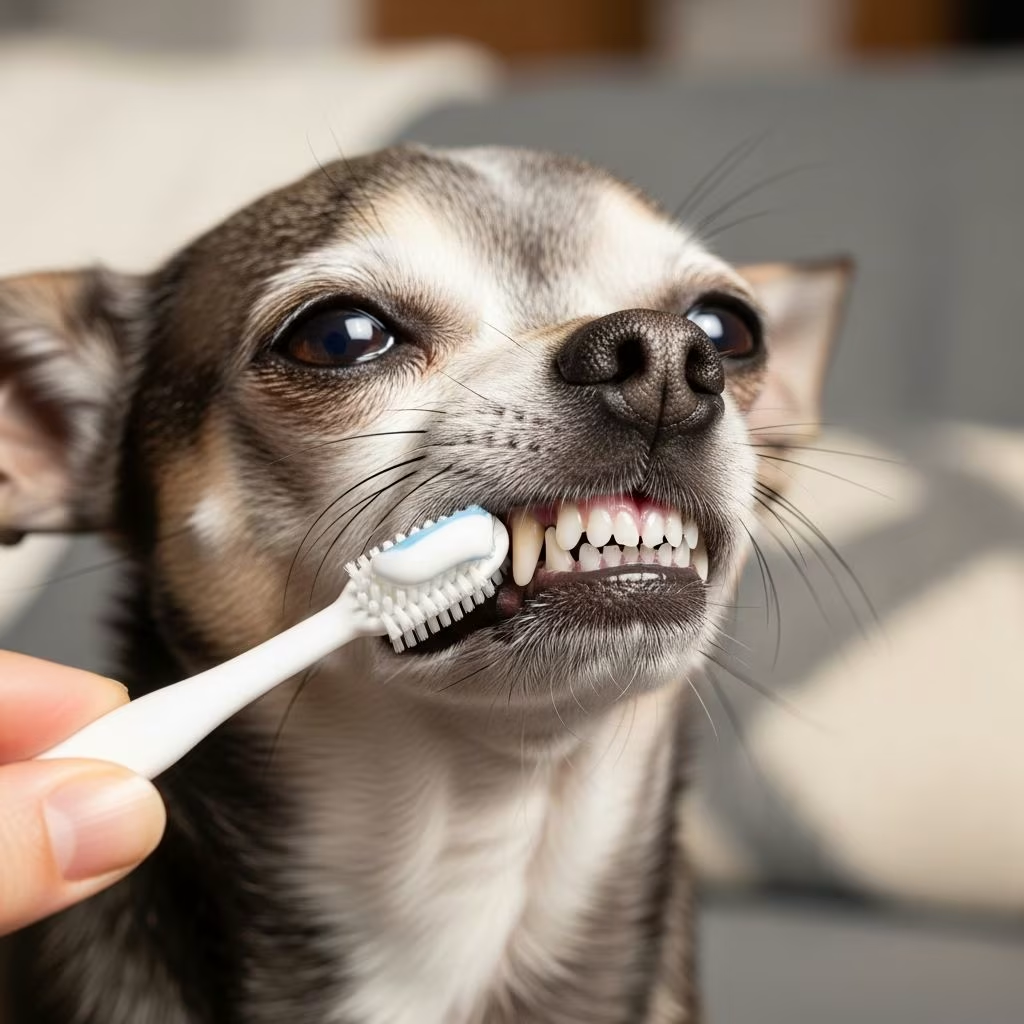
As Chihuahuas enter their golden years, typically around 10 years and older, maintaining their oral health becomes a critical aspect of overall well-being. These small dogs, known for their long lifespans of 15-18 years, face heightened risks of dental complications due to their compact jaw structure and overcrowding of teeth, which traps plaque and tartar more easily. Neglecting dental care can lead to pain, infections, and systemic health issues affecting the heart, kidneys, and liver. This guide explores comprehensive strategies to help your senior Chihuahua maintain a healthy mouth, drawing from veterinary best practices.
Understanding Dental Vulnerabilities in Older Chihuahuas
Senior Chihuahuas are particularly susceptible to periodontal disease, where bacteria from plaque buildup inflame gums, erode bone, and cause tooth loss. Their small mouths promote rapid tartar accumulation, and age-related immune decline exacerbates infections. Signs include bad breath, red or bleeding gums, loose teeth, excessive drooling, and difficulty eating. Early detection prevents progression to severe pain or inability to chew properly, which impacts nutrition and weight.
Unlike larger breeds, Chihuahuas’ dental issues compound over their extended lives, making proactive care essential from puppyhood but intensified in seniority. Studies link untreated oral infections to broader health declines, emphasizing that dental hygiene supports longevity.
Daily Home Care Routines for Optimal Teeth
Establishing a consistent at-home dental regimen is foundational. Start with brushing, the gold standard for plaque control. Use a soft-bristled dog toothbrush or finger brush with enzymatic, pet-safe toothpaste—never human varieties, which contain toxic xylitol. Aim for 30 seconds to 2 minutes per session, focusing on outer surfaces, gums, and back molars. Introduce gradually with praise to build tolerance.
- Frequency: Daily or at least 3-4 times weekly for best results.
- Technique: Gentle circular motions; check for redness or swelling during sessions.
- Tools: Dual-ended brushes for small mouths suit Chihuahuas perfectly.
Complement brushing with dental chews approved by the Veterinary Oral Health Council (VOHC). These mechanically scrape tartar while satisfying chewing instincts, but select soft options to avoid fractures in fragile senior teeth. Water additives with enzymes reduce bacteria without effort, ideal for fussy eaters.
Nutrition’s Role in Preventing Dental Decay
Diet profoundly influences oral health. Opt for high-quality, senior-specific kibble with larger crystals that scrub teeth during chewing, or dental-formulated foods rich in meat proteins to foster a balanced mouth microbiome. Avoid sticky treats or table scraps that promote plaque.
| Dental-Friendly Foods | Benefits | Chihuahua Considerations |
|---|---|---|
| Kibble with tartar-control formulas | Abrades plaque mechanically | Small pieces prevent choking |
| Fresh meats and veggies (carrots) | Natural abrasives, low carbs | Soft-cooked for easy chewing |
| VOHC-approved treats | Enzyme action fights bacteria | Size-appropriate, low-calorie |
Monitor calorie intake, as dental pain often leads to weight loss. Wet food toppers can ease eating if teeth are compromised.
Professional Veterinary Interventions
While home care is vital, annual or bi-annual vet exams are non-negotiable for seniors. Vets perform comprehensive checks, including dental radiographs to detect hidden abscesses or bone loss invisible externally. Professional cleanings under anesthesia remove subgingival tartar, polish teeth, and apply fluoride sealants.
For frail Chihuahuas, discuss non-anesthetic options cautiously; they suit mild cases but may miss deep issues. Extractions, if needed, alleviate pain swiftly. Schedule every 6 months for high-risk breeds.
- Full-mouth X-rays for thorough assessment.
- Scaling and polishing for smoothness.
- Post-procedure pain management tailored to seniors.
Breed-Specific Challenges and Solutions
Chihuahuas’ overcrowded teeth demand customized approaches. Their petite jaws hinder self-cleaning, accelerating gingivitis. Seniors with comorbidities like diabetes require vigilant monitoring, as these worsen oral infections.
Solutions include:
- Orthodontic-like spacing chews to mimic brushing between teeth.
- Gum massages with soft cloths to stimulate circulation.
- Avoid hard items like real bones, which fracture enamel.
Start habits young to normalize care, extending comfort into old age.
Recognizing and Addressing Warning Signs
Be alert to indicators of trouble:
- Foul breath or drooling excessively.
- Pawing at mouth or facial swelling.
- Brown tartar, bleeding gums, or dropped food.
- Behavioral shifts like reduced appetite or irritability.
Act promptly—delays risk bacteremia spreading systemically. A quick vet consult can prevent escalation.
Advanced Options for Severe Cases
For advanced periodontal disease, vets may recommend antibiotics, medicated rinses, or surgeries. Pain relief via NSAIDs ensures comfort during recovery. In extreme tooth loss scenarios, soft diets or syringe feeding maintain nutrition. Holistic supplements like omega-3s support gum health, but vet approval is key.
Myth-busting: Anesthesia is safe for most seniors with pre-op bloodwork; benefits outweigh risks.
Long-Term Benefits of Proactive Dental Management
Diligent care enhances quality of life: pain-free eating boosts appetite, vitality surges, and systemic health stabilizes. Chihuahuas thrive longer, enjoying play and cuddles without discomfort. Owners report happier, more active pets post-routine cleanings.
Frequently Asked Questions (FAQs)
How often should I brush my senior Chihuahua’s teeth?
Daily brushing is ideal, but 3-4 times weekly yields results if consistent.
Are dental chews safe for older Chihuahuas?
Yes, VOHC-approved soft chews are; avoid hard ones to prevent breaks.
What if my Chihuahua resists tooth brushing?
Desensitize with treats, start with gauze, and use flavored pastes.
Can poor teeth affect my dog’s organs?
Yes, bacteria can travel, impacting heart and kidneys.
When is professional cleaning necessary?
Annually minimum, or biannually for seniors with visible buildup.
Building a Sustainable Dental Wellness Plan
Integrate care into daily life: calendar reminders for brushing, monthly mouth checks, and vet sync-ups. Track progress with photos. Partners in care—your vigilance ensures your Chihuahua’s smile endures.
References
- Dental Care for Senior Dogs — Downtown Animal Care Center. 2024-07-15. https://www.downtownanimalcarecenter.com/site/blog/2024/07/15/dental-care-senior-dogs
- The Ultimate Guide to Dental Care for Senior Dogs — Kowaliga Veterinary Hospital. N/A. https://www.kowaligavet.com/paw-print/the-ultimate-guide-to-dental-care-for-senior-dogs
- Dental Health for Senior Pets: Special Considerations as They Age — The Vet Dentists. N/A. https://thevetdentists.com/dental-health-for-senior-pets-special-considerations-as-they-age/
- Chihuahua Teeth: Dental Problems & Breed-Specific Care Tips — The Pet Lab Co. N/A. https://thepetlabco.com/learn/dog/health-wellness/chihuahua-teeth
- The Importance of Dental Care for Senior Dogs — Healthy Smiles Pet. N/A. https://healthysmiles.pet/blog/dental-care-senior-dogs
- Senior Pet Smiles: A Complete Guide to Dental Care for Aging Companions — Woodland Springs Veterinary Hospital. N/A. https://wsvh.net/senior-pet-smiles-a-complete-guide-to-dental-care-for-aging-companions/



