

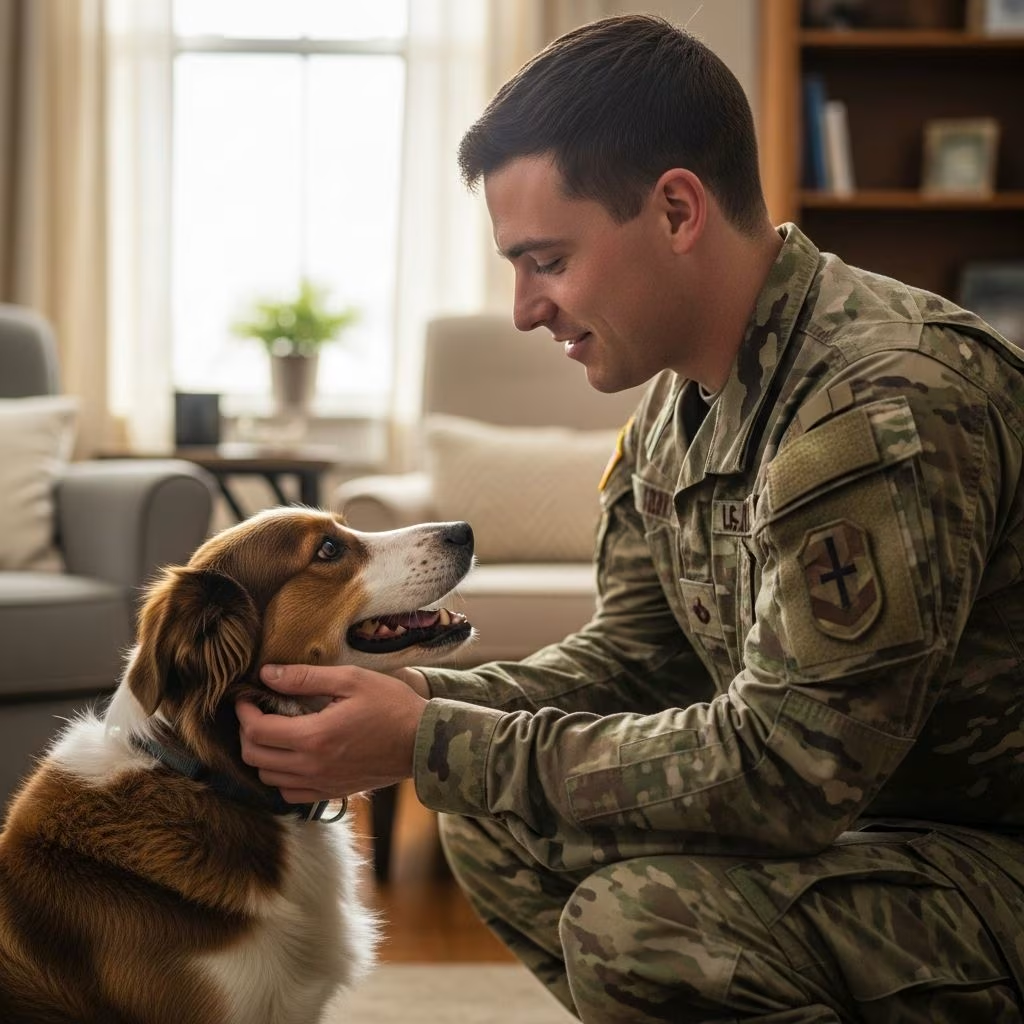
Military service members often face unique challenges when it comes to caring for their beloved pets, especially during deployments, training exercises, or medical treatments. Fostering programs bridge this gap by providing temporary homes for these animals, ensuring they receive love and care while their owners serve. This support not only safeguards pets but also grants service members peace of mind to focus on their duties.
The Critical Role of Pets in Military Families
Pets serve as emotional anchors for military personnel and their families, offering companionship amid frequent relocations, separations, and high-stress environments. Studies highlight how strong attachments to pets predict positive outcomes like enhanced social connectivity and empathy, particularly for military-connected youth during stressful periods. For active-duty members, pets fill emotional voids created by deployments, while for veterans, they aid transitions to civilian life and bolster mental health by reducing anxiety and isolation.
However, deployments to combat zones, peacekeeping missions, or humanitarian efforts can last months, leaving single service members or dual-military couples without options for pet care. Families with disabilities or those facing sudden medical emergencies compound these issues, making reliable fostering indispensable. Organizations recognize this, stepping in to prevent shelter surrenders and preserve vital human-animal bonds.
Key Organizations Leading Military Pet Fostering Efforts
Several nonprofits specialize in matching military pets with vetted volunteer fosters, operating nationwide to cover all 50 states. These groups handle screening, coordination, and sometimes emergency veterinary aid, ensuring seamless transitions.
- PACT for Animals: This nonprofit has placed over 4,000 pets in foster homes over 12 years, supporting deployed personnel, veterans, and those in medical treatment at no cost to owners. Fosters provide care while owners retain financial responsibility, fostering regular updates via videos and messages.
- Dogs on Deployment: Founded by a dual-military couple, it connects service members with volunteer boarders for dogs, cats, and other pets during deployments, PCS moves, or emergencies. The program emphasizes pet health education and emergency financial aid.
- Guardian Angels for Soldier’s Pets: Focuses on out-of-country deployments for single/dual-military members and short-term medical stays under 30 days. Their Military Pet Assistance (MPA) Fund covers vet care and boarding for homeless veterans or emergencies when funds allow.
Local base commands and shelters may also assist, alongside groups like Military Pets FOSTER Project, expanding options for service members.
Who Qualifies for Fostering Assistance?
Programs target specific scenarios to maximize impact:
| Situation | Description | Typical Support |
|---|---|---|
| Deployments | Out-of-country missions (combat, peacekeeping, humanitarian); priority for singles or families with disabilities | Temporary foster homes nationwide |
| Medical Emergencies | Inpatient care <30 days at VA/military facilities; no family caregivers available | Boarding or foster with vet expense aid via MPA |
| Veteran Needs | Homeless veterans or short-term crises | Vet care, boarding, foster placement |
| Training/PCS | Temporary absences due to exercises or relocations | Volunteer fosters or boarding |
Service members must contact organizations early, providing pet details and deployment timelines. Assigned liaisons monitor welfare through regular check-ins.
Benefits of Becoming a Military Pet Foster
Volunteering as a foster extends service in meaningful ways, particularly for veterans staying connected to the military community. Key advantages include:
- No Financial Burden: Owners cover food, vet bills, and supplies; programs like PACT ensure this model.
- Emotional Rewards: Experience pet companionship without permanent commitment, witnessing joyful reunions upon return.
- Community Impact: Support fellow service members’ focus on missions, reducing stress over pet welfare.
- Personal Growth: Build skills in animal care, stay engaged with military networks, and contribute to veteran reintegration.
Fosters undergo background checks and training to prepare for various pet needs, from puppies to seniors.
Step-by-Step Guide to Getting Started as a Foster
- Research Programs: Visit sites like PactForAnimals.org, DogsonDeployment.org, or GAFSP.org to review eligibility and coverage.
- Apply Online: Submit applications detailing your home, experience, and pet preferences; expect vetting processes.
- Prepare Your Space: Secure pet-safe areas, stock basics, and complete any required training.
- Match and Welcome: Receive pet profiles; meet owners/pets for smooth handoffs with health records.
- Daily Care: Provide exercise, nutrition, socialization; share updates via approved channels.
- Reunite: Coordinate return, celebrating the bond restoration.
For pet owners: Register early via program portals, preparing documents like vet records and microchip info.
Addressing Common Challenges in Military Pet Fostering
Potential hurdles include unexpected pet behaviors, allergies, or extended deployments. Programs mitigate these through:
- Thorough matching based on lifestyles and pet temperaments.
- Emergency funds for unforeseen vet needs.
- Support networks with liaisons for guidance.
Fosters report high success rates, with pets thriving and bonds strengthening across distances. For veterans facing homelessness, MPA aids transitions without pet loss.
Real-World Impact: Stories of Reunions and Resilience
Countless service members credit fostering with mission success. One program reunited over 4,000 pets, enabling focus abroad knowing companions were safe. Veterans note fosters as lifelines during treatments, preserving family ties. These efforts underscore pets’ roles in mental health, with research affirming their therapeutic value.
Frequently Asked Questions (FAQs)
What pets can I foster?
Primarily dogs and cats, but some programs accept other animals based on foster capacity.
Do I need prior pet experience?
No, but basic knowledge helps; training is provided.
How long are typical fosters?
From weeks for training to months for deployments; flexibility varies.
Are fosters paid?
No, it’s volunteer-based; owners reimburse expenses.
Can veterans foster?
Yes, encouraged to stay connected and serve peers.
What if emergencies arise?
Programs offer vet funds and coordinator support.
Broader Resources for Military Pet Owners
Beyond fostering, options include Pets for Patriots for adoptions with vet discounts, or base services for short-term boarding. Rehoming tips from Best Friends aid PCS challenges. Encourage donations post-foster to sustain programs.
By fostering, civilians and veterans alike honor service, ensuring no pet is left behind. Get involved today to make a lasting difference.
References
- No Pet Left Behind: Foster a Military Dog or Cat — PACT for Animals/Veterans Breakfast Club. 2023. https://veteransbreakfastclub.org/no-pet-left-behind-foster-a-military-dog-or-cat/
- Pet Foster Home Program — Guardian Angels for Soldier’s Pet. 2024. https://www.gafsp.org/programs/foster-home-program/
- Fostering Military Dogs: Essential Guide for Deployment Support — AHRN Blog. 2023. https://blog.ahrn.com/foster-military-dogs/
- Pets for Patriots — Burke Animal Clinic. 2024. https://www.burkeanimal.com/community/pets-for-patriots/
- What is pet fostering? — Pets for Patriots. 2024. https://www.petsforpatriots.org/what-is-pet-fostering/
- Pets Make a PAWsitive Impact on Military Members and Their Families — USBA. 2023. https://www.usba.com/blog/324/pets-make-a-pawsitive-impact-on-military-members-and-their-families



