Supporting Dogs with Special Needs
Discover practical strategies and compassionate care tips to enhance the quality of life for dogs facing physical or sensory challenges.
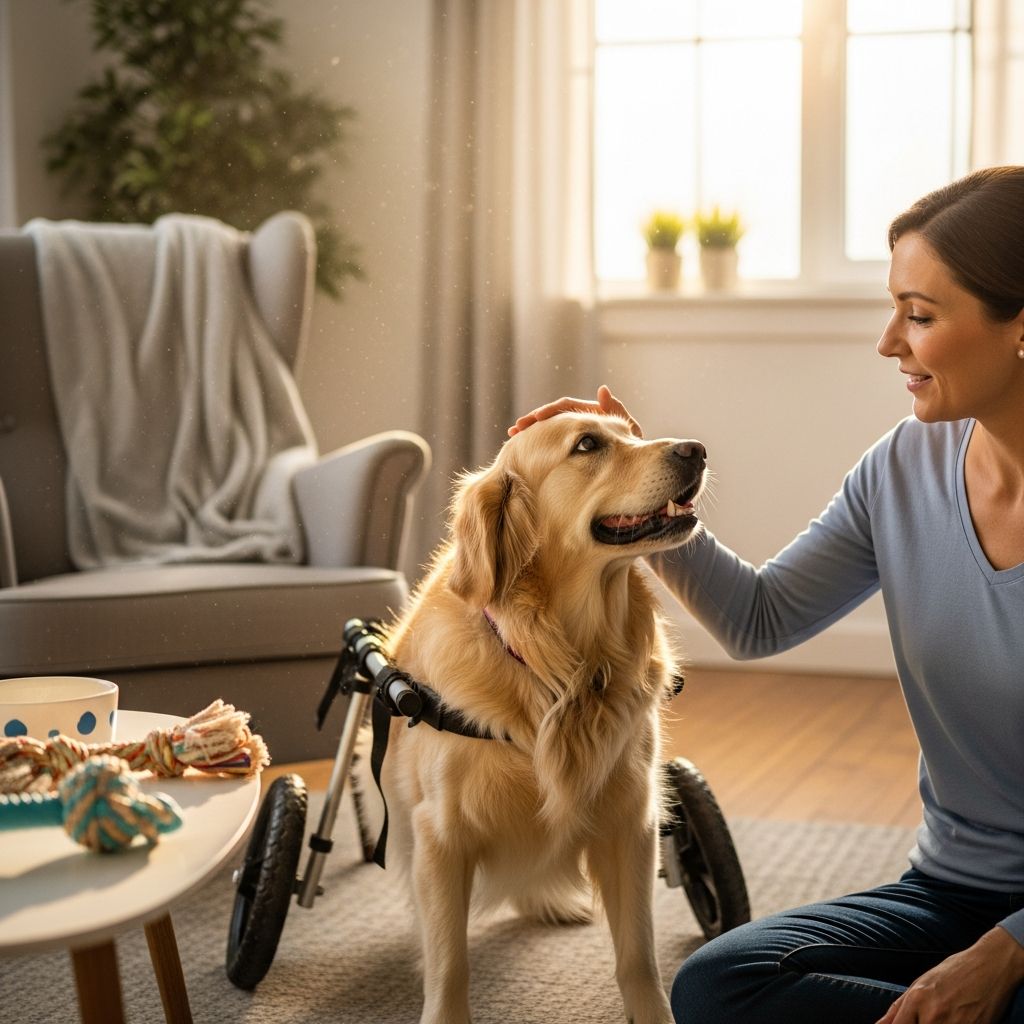
Dogs with disabilities can lead fulfilling lives with the right adaptations and dedicated care from their owners. Advances in veterinary medicine, assistive technologies, and home modifications make it possible for these pets to maintain comfort, mobility, and joy despite challenges like limb loss, paralysis, vision impairment, or hearing deficits.
Understanding Your Dog’s Unique Challenges
The journey begins with a thorough veterinary assessment to pinpoint the extent of your dog’s disability and its implications. Conditions such as arthritis, degenerative myelopathy, or injuries from accidents each demand tailored strategies. For instance, a dog missing a limb may need balance retraining, while one with vision loss relies on scent and memory navigation.
Consulting specialists like veterinary rehabilitation therapists is crucial. These professionals use tools such as underwater treadmills to build strength without joint stress, helping dogs regain confidence in movement. Early intervention often determines long-term success, preventing secondary issues like muscle atrophy or obesity.
Transforming Your Home into a Safe Haven
A disability alters how a dog interacts with its environment, so proactive modifications prevent accidents and promote independence. Start by evaluating high-risk areas like stairs, slick floors, and cluttered spaces.
- Install ramps and steps: Replace steep stairs with gentle inclines for easy access to furniture or vehicles, reducing strain on remaining limbs.
- Add traction surfaces: Place non-slip mats or rugs on hardwood or tile to prevent falls, especially vital for dogs with weak legs or poor vision.
- Secure perimeters: Ensure yards have intact fencing and use baby gates indoors to block hazardous zones.
- Maintain layout consistency: Blind dogs memorize paths; sudden changes cause disorientation, so keep furniture positions stable.
These adjustments not only enhance safety but also boost your dog’s self-assurance, allowing natural exploration within boundaries.
Mobility Aids: Restoring Freedom of Movement
Custom devices have revolutionized care for dogs with paralysis or limb weaknesses. Options range from supportive harnesses to full wheelchairs, enabling active lifestyles.
| Device Type | Best For | Key Benefits |
|---|---|---|
| Rear-support wheelchair | Hind leg paralysis | Full mobility restoration; promotes exercise |
| Front harness sling | Weak forelimbs or arthritis | Assists standing and walking; lightweight |
| Prosthetic limb | Amputation cases | Restores natural gait; custom-fitted |
| Full-body cart | Quadriplegia | Complete support; durable for outdoor use |
Before purchasing, have your vet measure your dog and recommend fits. Training sessions help dogs acclimate, often within days, leading to enthusiastic zooming around the yard. Pair with joint supplements containing glucosamine and chondroitin to protect overworked joints.
Nutrition and Weight Management Essentials
Maintaining an ideal body weight is non-negotiable, as excess pounds exacerbate joint stress and hinder mobility. Collaborate with your vet on a diet rich in omega-3 fatty acids for anti-inflammatory effects and high-quality proteins for muscle maintenance.
- Portion control: Use puzzle feeders to slow eating and engage mentally.
- Senior or therapeutic formulas: These often include added antioxidants for brain health in aging or disabled dogs.
- Hydration focus: Elevated bowls aid arthritic necks; wet food boosts moisture intake.
Regular weigh-ins track progress, aiming for a visible waistline and palpable ribs without pressure.
Exercise Regimens Tailored for Limited Mobility
Physical activity combats atrophy and depression, even for wheelchair users. Adapt routines to capabilities, emphasizing low-impact options.
Water therapy: Hydrotherapy pools support weightless movement, strengthening muscles safely. Sessions improve circulation and endurance.
Land-based activities:
- Short leash walks: Focus on sniffing for mental stimulation over distance.
- Gentle fetch: Use soft toys on grass to avoid overexertion.
- Balance exercises: Sit-to-stand repetitions build core stability.
Aim for 15-30 minutes daily, monitoring for fatigue. Rehabilitation pros can design home programs if professional sessions are cost-prohibitive.
Daily Health Monitoring and Hygiene Practices
Disabled dogs may not signal pain or injuries in insensate areas, necessitating vigilant checks. Perform full-body inspections daily, noting skin sores, swelling, or unusual odors.
- Cleanliness routine: Trim fur around hindquarters to prevent urine scalding; use wipes for paralyzed pets unable to self-groom.
- Nail trimming: Essential for wheelchair dogs to avoid drag injuries.
- Dental care: Brush teeth and check gums, as mobility limits natural cleaning.
Schedule frequent vet visits for bloodwork and pain assessments. Medications like NSAIDs manage discomfort effectively when needed.
Training Adaptations for Sensory Losses
Disabilities don’t end learning potential; they require method tweaks. Hearing-impaired dogs excel with visual cues—teach hand signals for sit, stay, and come using treats.
Vision-challenged pups respond to verbal tones, vibrations, or scents. For wheelchair newbies, positive reinforcement speeds acceptance: lure with toys, praise successes.
Advanced training fosters mental sharpness, combating boredom-induced behaviors like excessive barking.
Emotional Well-being and Owner Self-Care
Bonding deepens through routines: fixed feeding, play, and bedtime schedules provide security. Cuddle sessions release oxytocin, easing anxiety.
Owners face emotional strain too. Seek support groups for shared stories and tips; respite care prevents burnout. Celebrate milestones like first wheelchair laps to sustain motivation.
Evaluating Long-Term Quality of Life
Periodically assess happiness via metrics: appetite, social engagement, pain-free rest. Tools like the HHHHHMM scale (Hurt, Hunger, Hydration, Hygiene, Happiness, Mobility, More good days) guide decisions.
With commitment, many disabled dogs outlive healthy peers in joy. Advances ensure disabilities needn’t diminish vibrant spirits.
Frequently Asked Questions (FAQs)
Can dogs with disabilities live long, happy lives?
Yes, with proper care, many thrive for years, enjoying play and companionship.
How much does a dog wheelchair cost?
Ranges from $200-$1000, depending on customization; rentals offer trial options.
Is physical therapy covered by pet insurance?
Often yes, for rehab post-surgery; check policy details.
What if my dog resists mobility aids?
Gradual introduction with rewards works; consult trainers for desensitization.
Are prosthetics suitable for all amputee dogs?
Best for active, young dogs; vets evaluate fit.
References
- Special Care for Special Pets: How to Care for a Disabled Pet — Pearland Vet Referral. 2023. https://pearlandvetreferral.com/special-care-for-special-pets-how-to-care-for-a-disabled-pet/
- Caring for Dogs with Disabilities — Whole Dog Journal. 2023-10-01. https://www.whole-dog-journal.com/health/caring-for-dogs-with-disabilities/
- Living with a Disabled Pet: Tips for Comfort and Quality of Life — Watson’s Friends. 2024. https://www.watsonsfriends.com/how-to-help-your-disabled-pet/
- 7 Tips for Keeping Your Disabled Dog Happy and Healthy — K9 Carts. 2023. https://k9carts.com/blogs/resources/7-tips-for-keeping-your-disabled-dog-happy-and-healthy
- ADA Requirements: Service Animals — U.S. Department of Justice. 2024-01-24. https://www.ada.gov/resources/service-animals-2010-requirements/
Similar Articles








Read full bio of medha deb