

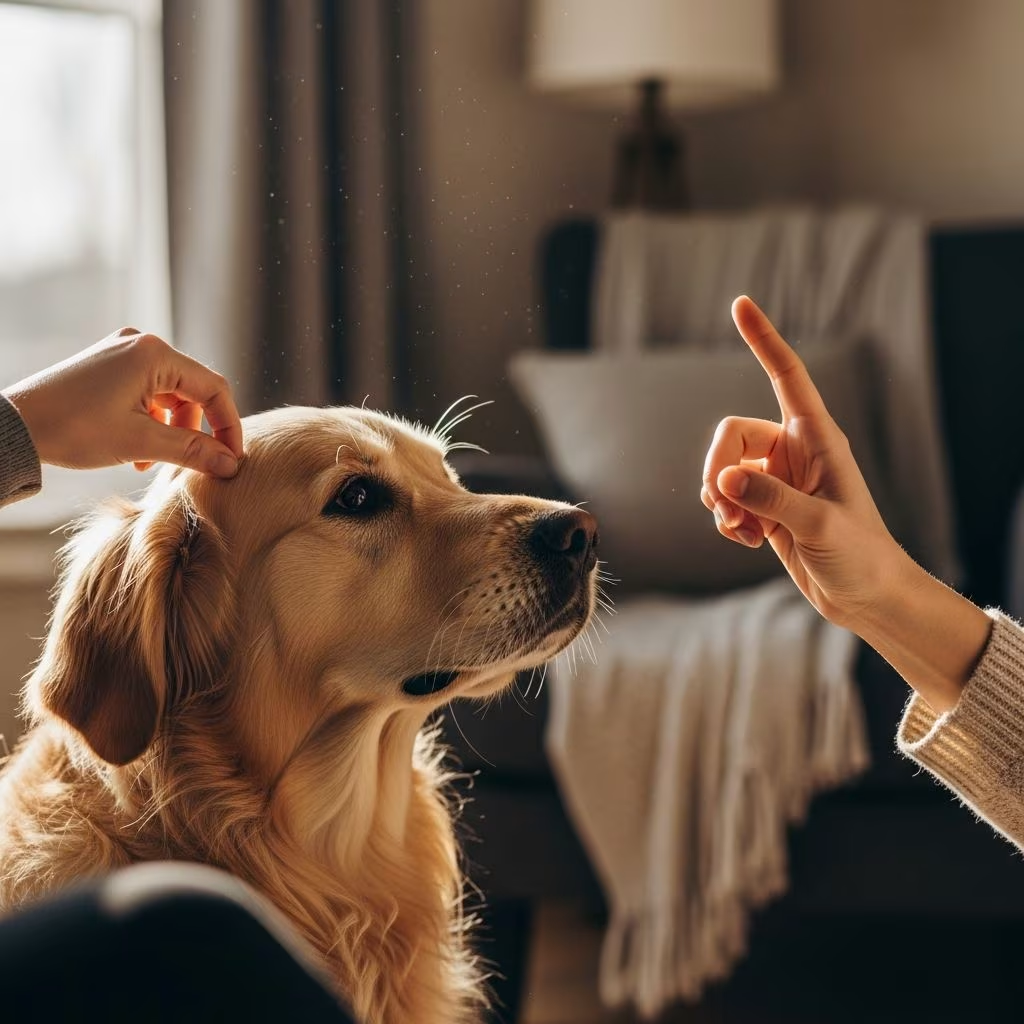
Hearing loss affects many dogs, particularly seniors and specific breeds, but with prompt detection and thoughtful adaptations, they can lead fulfilling lives. This guide explores recognition, diagnosis, treatments, and lifestyle changes to help your canine companion navigate auditory challenges effectively.
Understanding Canine Auditory Decline
Dogs possess superior hearing compared to humans, detecting frequencies up to 65,000 Hz and faint sounds from afar. However, various factors can impair this ability, leading to partial or total deafness in one or both ears. Aging naturally diminishes auditory function as inner ear cells degrade, while congenital issues appear in puppies from certain genetic lines like Dalmatians or white-coated breeds.
Acquired deafness stems from infections, traumas, toxins, or obstructions. Unlike human progressive loss, canine versions often onset suddenly or gradually, impacting behavior and safety. Early intervention maximizes outcomes, as some causes prove reversible while others demand lifelong management.
Recognizing the Early Indicators
Spotting hearing impairment early prevents misunderstandings and ensures timely care. Common signals include:
- Inconsistent response to name calls or commands, even in quiet settings.
- Failure to rouse from deep sleep despite loud noises like vacuums or doorbells.
- Sudden startling when approached from behind or touched unexpectedly.
- Head tilting toward sounds or difficulty pinpointing noise sources.
- Increased vocalization, such as excessive barking without apparent triggers.
- Reduced playfulness or withdrawal from sound-based activities like squeaky toys.
These behaviors mimic cognitive decline or pain, so observe patterns. Test gently by clapping behind your dog or using household noises from varying distances. Unilateral loss—one ear affected—may go unnoticed longer, as dogs compensate adeptly.
Veterinary Diagnostic Approaches
Consult a veterinarian immediately upon suspicion. Initial exams check for ear wax, infections, or foreign objects via otoscopy. Bloodwork rules out systemic issues like hypothyroidism contributing to nerve damage.
The gold standard remains BAER (Brainstem Auditory Evoked Response) testing, measuring brainwave responses to clicks through headphones. Performed under sedation on pups as young as five weeks, it confirms unilateral or bilateral deafness objectively. Specialists often conduct this, providing definitive results.
| Test Type | Purpose | Procedure | Accuracy |
|---|---|---|---|
| Otoscopy | Visual ear inspection | Scope examines canal, drum | Detects visible issues |
| BAER | Neural response measurement | Electrodes + sound stimuli | 100% for deafness confirmation |
| Imaging (CT/MRI) | Tumor or structural checks | Scans inner/middle ear | Identifies anomalies |
Potential Causes and Reversibility
Causes dictate prognosis. Conduction deafness from blockages, wax, or polyps often reverses post-cleaning. Infections (otitis externa/media) respond to antibiotics, antifungals, and cleansers, potentially restoring function if caught early. Sensorineural loss—from aging, genetics, noise, or ototoxic drugs like gentamicin—proves permanent, as cochlear hair cells don’t regenerate.
Cancer or trauma may require surgery/radiation, but hearing rarely fully recovers. Congenital cases demand no breeding to curb heritability. Recovery timelines vary: immediate for debris removal, weeks for infections.
Treatment Pathways for Reversible Cases
When treatable, act swiftly:
- Obstructions: Manual removal, flushing, or surgery clears canals, often yielding quick gains.
- Infections: Medicated drops, oral meds, or wax-based antibiotics combat bacteria/fungi/yeast. Home flushing follows.
- Inflammation: Anti-inflammatories reduce swelling, aiding sound conduction.
- Toxicity: Discontinue offending drugs; some hearing rebounds as effects wane.
Monitor progress with follow-up BAER if needed. Untreated issues risk chronic damage or spread.
Managing Permanent Deafness Effectively
For irreversible cases, focus shifts to quality of life. No canine hearing aids exist commercially yet, though research explores implants. Instead, emphasize:
- Visual Cues: Hand signals for commands—sit (palm down), stay (flat hand), come (arms open).
- Vibration Tools: Bass-heavy collars or shakers signal via feel. Stamp feet for attention.
- LED Gear: Light-up collars/leashes for night visibility.
- Safe Environments: Fenced yards prevent straying; bells on household pets warn of approaches.
Train using positive reinforcement, pairing signs with treats. Deaf dogs excel in agility, scent work, even service roles.
Daily Safety and Enrichment Strategies
Adapt routines proactively:
Home Modifications: Secure gates, microchip/ID tags with ‘Deaf Dog’ alerts. Use baby gates, visual schedules. Avoid startling touches—approach in view.
Exercise Regimens: Long leashed walks, fetch with visual lures. Swimming engages without sound reliance.
Socialization: Educate visitors on signals. Dog parks require supervision to dodge unaware playmates.
Sleep Safety: Gentle nudges from front; vibrating mats rouse safely.
Enrich with scent puzzles, textured toys, minimizing sound-dependent play.
Training Deaf Dogs: Step-by-Step Guide
- Build Attention: Wave treats high, reward eye contact.
- Core Commands: Teach ‘look’ (finger to eyes), then chain others visually.
- Recall Mastery: Emergency whistle replaced by light flash or run-away lure.
- Advanced Skills: Scent discrimination, freestyle heelwork.
- Consistency: Family-wide signals prevent confusion.
Many deaf dogs achieve Canine Good Citizen titles, proving capability.
Breeds at Higher Risk and Prevention
Predispositions include merle/shepherd patterns, Dalmatians, Aussies. Prevention: Avoid breeding deaf ancestors, limit noise exposure (earmuffs for hunters), routine ear checks. Senior wellness exams catch declines early.[10]
FAQs on Canine Hearing Challenges
Can deaf dogs live normal lives?
Yes, with adaptations, they thrive, often more attentive visually.
Is surgery ever an option?
For tumors or middle ear issues, yes, potentially improving conduction.
How do I test hearing at home?
Use claps, keys from behind; consult vet for confirmation.
Do deaf puppies outgrow it?
Congenital deafness persists lifelong.
Are vibrations safe for signaling?
Yes, low-frequency ones mimic natural alerts effectively.
Long-Term Monitoring and Care
Annual vet visits track progression, especially in seniors. Watch for balance issues signaling vestibular ties. Nutritional support like antioxidants may slow age-related loss, though unproven in dogs. Celebrate strengths—deaf dogs bond deeply, alert via sight/smell superbly.[10]
References
- Hearing Loss in Dogs (Sudden & Gradual): Causes, Signs, Treatment — ToeGrips. 2023. https://toegrips.com/hearing-loss-in-dogs/
- Signs Your Dog Has Hearing Loss — GoodRx. 2024. https://www.goodrx.com/pet-health/dog/hearing-loss
- Deafness in Dogs: Signs, Symptoms, and Treatment — American Kennel Club. 2023. https://www.akc.org/expert-advice/health/deafness-in-dogs/
- Hearing Loss in Dogs – Symptoms, Causes, Diagnosis, Treatment — WagWalking. 2024. https://wagwalking.com/condition/hearing-loss
- Deafness in Dogs — PetMD. 2023. https://www.petmd.com/dog/conditions/ears/deafness-dogs
- Your Guide to Deafness and Hearing Loss in Dogs — CareCredit. 2024. https://www.carecredit.com/well-u/pet-care/dog-deafness/



