

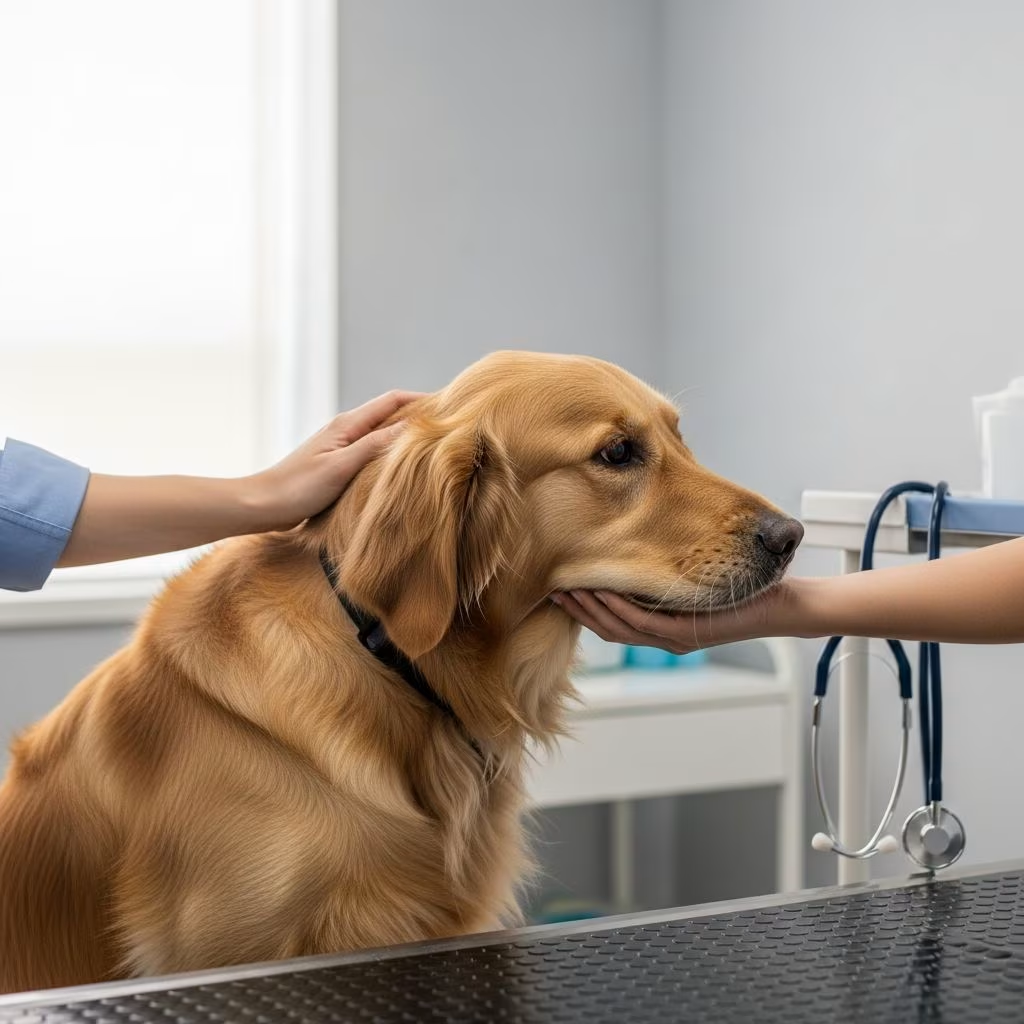
Veterinary visits are essential moments in your dog’s healthcare journey, yet many pet owners underestimate the importance of their active participation during these appointments. When you accompany your dog to the veterinary clinic, you’re not simply observing a medical procedure—you’re playing a vital role in ensuring your pet receives the best possible care. Your presence, attention, and engagement with your veterinarian can significantly influence the quality of the examination, the accuracy of the diagnosis, and ultimately, your dog’s health outcomes.
The Anxiety Factor: How Your Presence Affects Your Dog’s Experience
Dogs experience genuine anxiety in veterinary settings, a phenomenon recognized as veterinary stress syndrome or fear-based aggression responses. The unfamiliar environment, strange smells, and physical handling can trigger stress responses in your pet. However, research in veterinary behavioral medicine indicates that the presence of a familiar, calm owner can significantly reduce this anxiety. When your dog can see you, hear your reassuring voice, and feel your steady presence, their nervous system receives signals that they are safe and protected.
Your demeanor during the visit directly influences your dog’s emotional state. Dogs are exceptionally perceptive animals that read human body language, tone of voice, and emotional energy. If you enter the veterinary clinic feeling anxious or stressed about the visit, your dog will sense this tension and respond accordingly with increased anxiety. Conversely, maintaining a calm, confident attitude communicates to your dog that the situation is manageable and under control.
Many veterinarians recommend that owners stay in the examination room during procedures whenever possible, as this provides consistent emotional support. Some situations may require your temporary absence—such as during radiographs or certain diagnostic procedures—but your presence during the consultation, examination, and discussion of findings creates a stabilizing effect.
Accurate Information Gathering: Your Observations Matter
Veterinarians depend on detailed information from pet owners to make accurate diagnoses. While your veterinarian will conduct a thorough physical examination and may recommend diagnostic testing, they rely on you to provide crucial context about your dog’s behavior, symptoms, and changes you’ve noticed at home. You spend significantly more time with your dog than your veterinarian does, making you an invaluable source of clinical information.
During the appointment, be prepared to discuss specific observations. Note the timeline of symptoms—when did the behavior or physical sign first appear? Is it consistent or intermittent? Have you noticed patterns related to specific times of day, activities, or environmental factors? Document any changes in appetite, water consumption, elimination habits, energy levels, or mobility. Describe behavioral changes objectively: instead of saying your dog “seems off,” explain that your dog has decreased their normal activity level by approximately 50% over the past two weeks, or that they’re spending more time resting in their preferred sleeping area.
When you’re present and engaged during the consultation, you can ask clarifying questions, request specific information about observations you’ve made, and provide real-time details. This direct communication reduces the likelihood of miscommunication or missed diagnostic clues that could delay proper treatment.
Understanding Diagnosis and Treatment Plans
Your involvement during veterinary visits ensures you fully understand your dog’s health status and any recommended treatment protocols. Veterinarians are specialists in animal medicine, but without your participation in understanding the diagnosis, you cannot effectively implement treatment recommendations at home. When you’re present and actively engaged in the discussion, you can ask questions about:
- What the diagnosis means and how it will affect your dog’s quality of life
- Specific treatment options, including benefits and potential side effects
- Medication administration details—dosage, frequency, timing, and any special instructions
- Dietary or lifestyle modifications that support recovery
- Expected timeline for improvement or resolution
- Warning signs that would require immediate follow-up care
Many pet owners leave veterinary appointments with incomplete understanding of their dog’s condition or treatment plan, which leads to inconsistent follow-through at home. Medication might be given inconsistently, dietary recommendations might be partially implemented, or important lifestyle adjustments might be overlooked. Your presence and active participation in the conversation help ensure you leave the appointment with clear, actionable information.
Early Detection and Prevention Through Collaborative Care
Regular veterinary visits combined with your active participation enable early detection of health issues before they progress to serious conditions. Early detection of diseases often lowers treatment costs and improves outcomes. However, your role extends beyond simply bringing your dog to scheduled appointments. By providing detailed information about subtle changes you’ve observed—a slight decrease in appetite, mild limping, or behavioral shifts—you help your veterinarian identify potential problems during the examination phase.
Preventive care represents one of the most powerful tools for maintaining your dog’s long-term health. Vaccines, parasite prevention medications, and nutritional support all require your understanding and consistent implementation. When you’re engaged in these conversations with your veterinarian, you understand the rationale behind preventive recommendations and are more likely to maintain the schedule consistently. This consistency directly protects your dog from preventable diseases.
During each appointment, your veterinarian assesses your dog’s current health status and may adjust medications, modify treatment plans, or recommend additional preventive measures based on your dog’s progression. Your consistent presence at these visits ensures continuity of care and allows your veterinarian to observe changes over time.
Building a Collaborative Healthcare Partnership
When you actively participate in veterinary visits, you transform the relationship from a transactional service interaction into a collaborative healthcare partnership. Your veterinarian becomes familiar with your dog’s baseline health parameters, normal behavior, and individual quirks. This familiarity enables more personalized, effective care as your veterinarian understands your specific dog rather than treating them as a generic example of their breed or age group.
Your veterinarian also becomes familiar with your communication style, your commitment level to preventive care, and your financial constraints regarding treatment options. This knowledge allows your veterinarian to tailor recommendations specifically to your situation rather than providing generic advice. A strong relationship built through consistent, engaged participation allows honest conversations about what’s realistic for your household and enables your veterinarian to suggest creative solutions that work within your specific circumstances.
Furthermore, when you’ve established a strong relationship with your veterinary team through consistent, engaged visits, you develop confidence in their expertise and trust their recommendations. This trust becomes invaluable during health crises when quick decision-making is necessary. If you have a pre-existing relationship with your veterinarian and trust their judgment, you’re more likely to follow their urgent care recommendations without delay.
Managing Chronic Conditions and Senior Care
For dogs with diagnosed chronic conditions such as diabetes, arthritis, or kidney disease, your presence during visits becomes even more critical. Your ongoing observations about how well your dog is responding to treatment directly inform adjustments to medications or management strategies. You notice whether pain medication is adequately controlling your dog’s discomfort, whether dietary changes are improving digestive symptoms, or whether your dog’s energy and mobility are improving or declining.
Senior dogs require more frequent veterinary monitoring—recommendations typically include visits every six months rather than annually for dogs over seven years old. As your dog ages, subtle health changes accumulate, and your detailed observations combined with your veterinarian’s examination help catch age-related conditions before they significantly impact quality of life. Conditions like arthritis are common in senior dogs and cats; however, many owners assume their pet’s decreased activity is simply due to normal aging changes. Your veterinarian can help distinguish between normal aging and treatable medical conditions requiring intervention.
The Emotional Support Component
Beyond the purely medical aspects, your presence during veterinary visits provides essential emotional support for your dog. Many dogs experience genuine fear in medical settings—some have had negative experiences in the past, while others simply fear the unknown. Your familiar presence, your reassuring touch, and your calm voice create an emotional anchor during an inherently stressful experience.
Dogs that develop comfort and trust in their veterinary visits as young animals experience less anxiety throughout their lives when medical care is needed. By establishing these positive associations early—where you’re present, the environment is manageable, and the outcome is positive—you set your dog up for better long-term compliance with necessary medical care. A dog that trusts their veterinary experience is more likely to allow thorough examinations and diagnostic procedures without excessive resistance.
Recommended Visit Frequency
Understanding appropriate visit frequency helps you maintain optimal preventive care and health monitoring. Different life stages require different visit schedules:
| Life Stage | Recommended Visit Frequency | Key Focus Areas |
|---|---|---|
| Puppies (Birth to 1 year) | Every 3-4 weeks | Vaccines, deworming, growth monitoring, behavioral guidance |
| Adult Dogs (1-7 years) | Once yearly (or twice for certain breeds) | Wellness exams, vaccines, preventive care, health screening |
| Senior Dogs (7+ years) | At least twice yearly | Age-related condition screening, bloodwork, medication adjustments |
What to Expect During a Routine Examination
Understanding the typical structure of a veterinary visit helps you prepare adequately and contribute meaningfully to the examination. Expect weight checks, physical exams including eyes, ears, teeth, heart, and lungs, vaccine updates, and possibly lab work like blood or urine tests. Your veterinarian will systematically examine your dog from nose to tail, assessing various body systems and overall health status. During this examination, your veterinarian will explain findings and suggest next steps for any concerns identified.
Your role during this examination involves observing, answering questions thoroughly, and noting any recommendations for home care or follow-up. If your veterinarian finds something that concerns you, ask for clarification about what it means, whether it requires treatment, and what monitoring you should perform at home.
Frequently Asked Questions
Should I stay in the examination room during my dog’s vet visit?
In most situations, yes. Your presence provides emotional support and helps reduce your dog’s anxiety. However, some procedures like radiographs or certain diagnostic tests may require your temporary absence for safety or accuracy reasons. Discuss this with your veterinarian before the appointment.
What information should I bring to a vet appointment?
Bring any previous medical records, a list of current medications or supplements, documentation of symptoms or behavioral changes, and specific questions you want to address. Written notes help you remember details you want to discuss.
How can I help my anxious dog during vet visits?
Maintain a calm demeanor, use reassuring touch when permitted, speak softly, and allow your veterinarian to work without interference. Avoid transmitting your own anxiety to your dog. Some dogs benefit from anti-anxiety medication prescribed before the visit—discuss this option with your veterinarian if your dog experiences severe anxiety.
Is it really necessary for me to attend every vet appointment?
For routine wellness visits and sick appointments, your presence is highly beneficial. For certain procedures or follow-up appointments where the veterinarian is simply rechecking a known condition, some owners may have flexibility, but your presence generally improves care quality and outcomes.
Conclusion: Your Partnership in Your Dog’s Health
Your involvement during veterinary visits represents far more than simply accompanying your dog to a medical appointment. You are an active participant in your dog’s healthcare team, providing essential information, emotional support, and follow-through on medical recommendations. By committing to engaged, supportive participation during veterinary visits, you directly influence your dog’s health outcomes, quality of life, and longevity. This partnership between you, your dog, and your veterinarian creates the optimal foundation for maintaining your dog’s health throughout every stage of their life.
References
- Why Regular Vet Visits Are Essential for Your Pet’s Health — Parker Animal Care. Accessed 2026. https://www.parkeranimalcare.com/regular-vet-visits-are-essential-for-your-pets-health/
- Why are regular veterinary visits important? — AAHA (American Animal Hospital Association). Accessed 2026. https://www.aaha.org/resources/why-are-regular-veterinary-visits-important/
- The Top 10 Benefits of Regular Vet Check-ups for Dogs — The Melrose Veterinary Clinic. Accessed 2026. https://themelrosevet.com/blog/1090549-the-top-10-benefits-of-regular-vet-check-ups-for-dogs_2
- Why Your Dog Should Go to the Vet — ASPCA Pet Health Insurance. Accessed 2026. https://www.aspcapetinsurance.com/resources/why-your-dog-should-go-to-the-vet/
- How often should you take a dog to the vet? — Barton Heights Veterinary Clinic. 2024-08-15. https://www.bartonheights.com/site/blog/2024/08/15/take-dog-vet
- The Importance of Early Veterinary Visits for Puppies and Kittens — Founders Green. Accessed 2026. https://www.foundersgreen.com/importance-of-early-veterinary-visits-for-puppies-and-kittens/



