

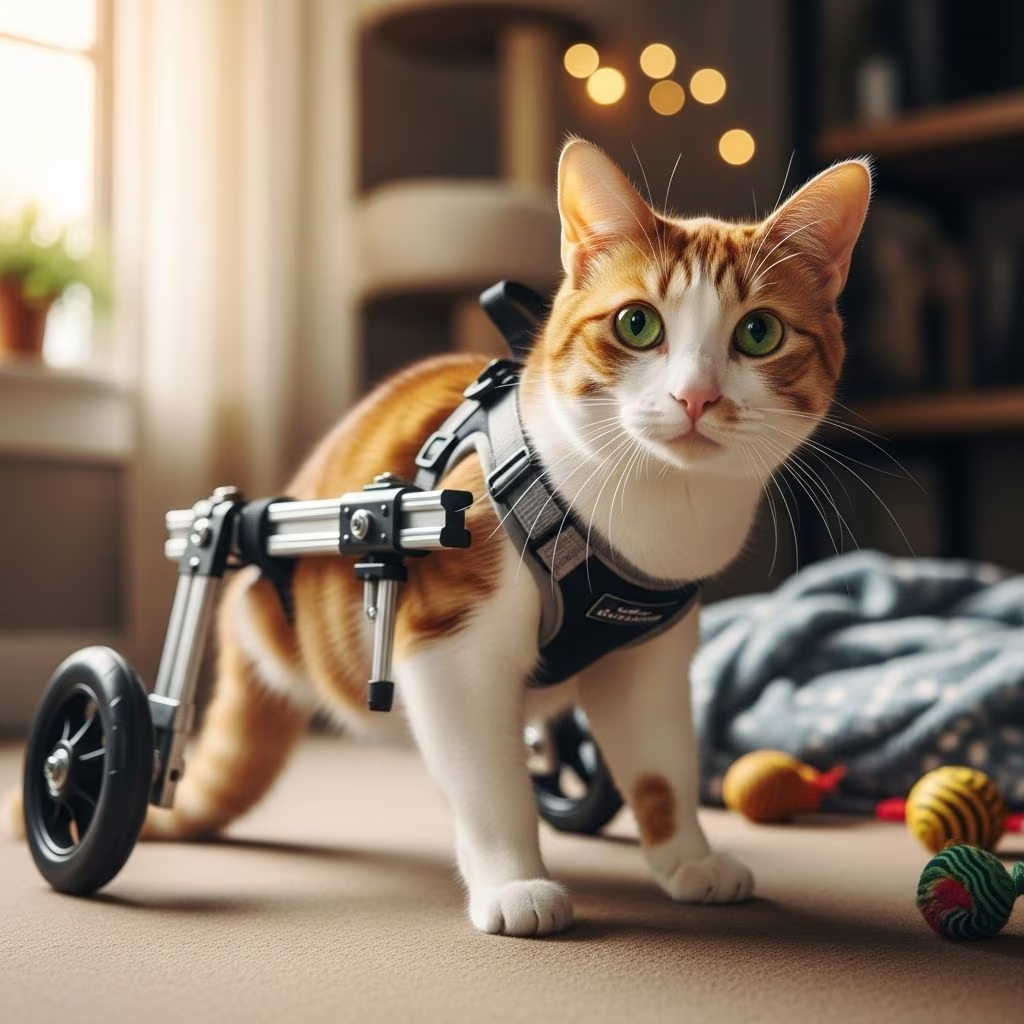
Cats with disabilities can lead fulfilling lives with the right support from their owners. These conditions, ranging from sensory impairments to neurological disorders, require tailored environments and routines to ensure comfort and safety. By understanding symptoms and implementing practical adjustments, pet parents can significantly enhance their cat’s well-being.
Recognizing Common Disabilities in Cats
Early identification of disabilities allows for prompt interventions. Cats often mask issues, but subtle changes in behavior or movement signal underlying problems. Common categories include sensory losses, mobility challenges, and cognitive declines.
- Vision Impairment: Cats may bump into objects, show dilated pupils, or hesitate before jumping. Gradual blindness from conditions like cataracts develops slowly, with cats relying on whiskers, hearing, and memory for navigation.
- Hearing Loss: Deaf cats ignore calls, startle easily from touch, or fail to react to loud noises like vacuums. Ear infections or aging contribute to this.
- Mobility Issues: Wobbly gaits, high leg lifts, or balance loss indicate cerebellar hypoplasia or vestibular disease. These congenital or acquired conditions affect coordination without causing pain.
- Cognitive Dysfunction: Senior cats exhibit confusion, litter box accidents, or reversed sleep patterns, akin to dementia in humans.
Neurological Conditions Affecting Feline Balance and Coordination
Neurological disorders disrupt normal movement and spatial awareness. Cerebellar hypoplasia, often from in-utero parvovirus exposure, results in lifelong ataxia but does not worsen over time. Affected cats stand with wide-spread legs, tremble when focusing, and adapt remarkably well.
Vestibular syndrome, involving the inner ear or brain, causes sudden head tilts, circling, rapid eye flicking (nystagmus), and nausea. Peripheral cases link to ear infections, while central ones stem from tumors or inflammation. Idiopathic forms are common in seniors.
| Condition | Symptoms | Common Causes |
|---|---|---|
| Cerebellar Hypoplasia | Wide stance, tremors, high-stepping gait | Feline panleukopenia virus in pregnancy |
| Peripheral Vestibular Disease | Head tilt, falling to one side, nausea | Ear infections, inflammation |
| Central Vestibular Disease | Circling, abnormal eye movements | Brainstem issues, tumors |
Spinal cord problems or neuromuscular weaknesses manifest as dragging limbs, incontinence, or inability to lift the head. Trauma, infections like FIP, or disk herniations require imaging for diagnosis.
Sensory Impairments: Blindness and Deafness
Blind cats compensate using heightened senses. They memorize home layouts, avoiding furniture once learned. Signs include cloudy eyes, discharge, or reluctance to jump in dim light.
Deafness presents with head shaking, ear odor, or disorientation. Congenital deafness affects white cats with blue eyes, while acquired forms arise from infections or toxins.
- Avoid startling: Approach from the front for blind cats or use vibrations for deaf ones.
- Maintain consistency: Keep furniture static to aid navigation.
Cognitive and Behavioral Changes in Aging Cats
Cognitive dysfunction syndrome (CDS) mimics Alzheimer’s, with symptoms like staring into space, getting lost in familiar rooms, reduced grooming, or increased vocalization. Disrupted sleep-wake cycles lead to nighttime activity.
Anxiety manifests as clinginess or irritability. Early detection via veterinary exams helps manage with diet, supplements, and environmental enrichment.
Creating an Accessible Home Environment
Modify your space to suit your cat’s needs. For mobility-challenged cats, provide low-sided litter boxes, ramps to furniture, and non-slip flooring. Wide food bowls prevent whisker fatigue in wobbly cats.
Blind cats benefit from textured paths (rugs leading to boxes) and scent markers. Deaf cats thrive with visual cues like flashing lights for routines.
- Litter Area: Multiple stations with low entry; absorbent mats for incontinence.
- Feeding Zones: Elevated stands for weak necks; consistent locations.
- Resting Spots: Orthopedic beds in quiet, safe corners.
- Play Areas: Scent-based toys, tunnels for sensory stimulation.
Daily Care Routines for Cats with Disabilities
Gentle handling builds trust. For weak cats, support hindquarters during lifts. Regular grooming prevents matting in less mobile felines.
Monitor weight and hydration, as disabilities increase risks. Puzzle feeders encourage mental engagement, combating CDS apathy.
Veterinary Diagnosis and Treatment Options
Consult vets for comprehensive exams. Bloodwork, MRIs, or CT scans pinpoint causes like infections or tumors.
Treatments vary: Antibiotics for ear issues, antivirals for FIP, or supportive care for congenital conditions. Prognosis for vestibular disease is good with prompt care; surgery aids severe spinal cases.
Nutrition and Supplements for Optimal Health
High-antioxidant diets support brain health in CDS cats. Omega-3s reduce inflammation in neurological issues. Consult vets for tailored plans.
Emotional Well-Being and Enrichment
Socialization prevents isolation. Interactive play adapts to abilities—laser pointers for blind cats (auditory follow), vibrating toys for deaf ones.
Monitor for depression signs like withdrawal. Companionship from calm pets aids adjustment.
Frequently Asked Questions
Can cats with cerebellar hypoplasia improve over time?
No, but they adapt excellently, leading normal lifespans without pain.
Is vestibular disease curable in cats?
Many recover fully if peripheral; central cases manage symptoms long-term.
How do I know if my cat is blind?
Test by clapping or moving objects; dilated pupils and bumping signal issues.
What causes cognitive dysfunction in cats?
Aging brain changes, similar to dementia; manage with environment and diet.
Are disabled cats in pain?
Most congenital conditions like hypoplasia are not; monitor for distress signs.
Long-Term Management and Quality of Life
Regular check-ups track progress. Owners report high happiness in adapted cats, emphasizing patience and love. Support groups share tips.
Ultimately, with modifications, these cats thrive, proving resilience.
References
- Cats with Disabilities — Cats Protection. 2016. https://www.cats.org.uk/media/1036/vg07_cats_with_disabilities.pdf
- Cognitive Dysfunction Syndrome in Cats — Home With Dignity. Accessed 2026. https://homewithdignity.com/cognitive-dysfunction-syndrome-cats/
- Neurological Disorders in Cats — PetMD. Accessed 2026. https://www.petmd.com/cat/conditions/neurological-disorders-cats
- Neurological Issues in Cats — ASPCA Pet Health Insurance. Accessed 2026. https://www.aspcapetinsurance.com/resources/neurological-issues-in-cats/
- Vestibular Disease in Cats — Ventura Veterinary Medical Group. 2024-08-15. https://www.vmsg.com/site/blog/2024/08/15/vestibular-disease-cats
- Neurological Disorders — Cornell University College of Veterinary Medicine. Accessed 2026. https://www.vet.cornell.edu/departments-centers-and-institutes/cornell-feline-health-center/health-information/feline-health-topics/neurological-disorders



