
Supporting Cats with Cognitive Decline
Discover effective strategies to manage cognitive dysfunction in senior cats and enhance their quality of life through diet, environment, and care.
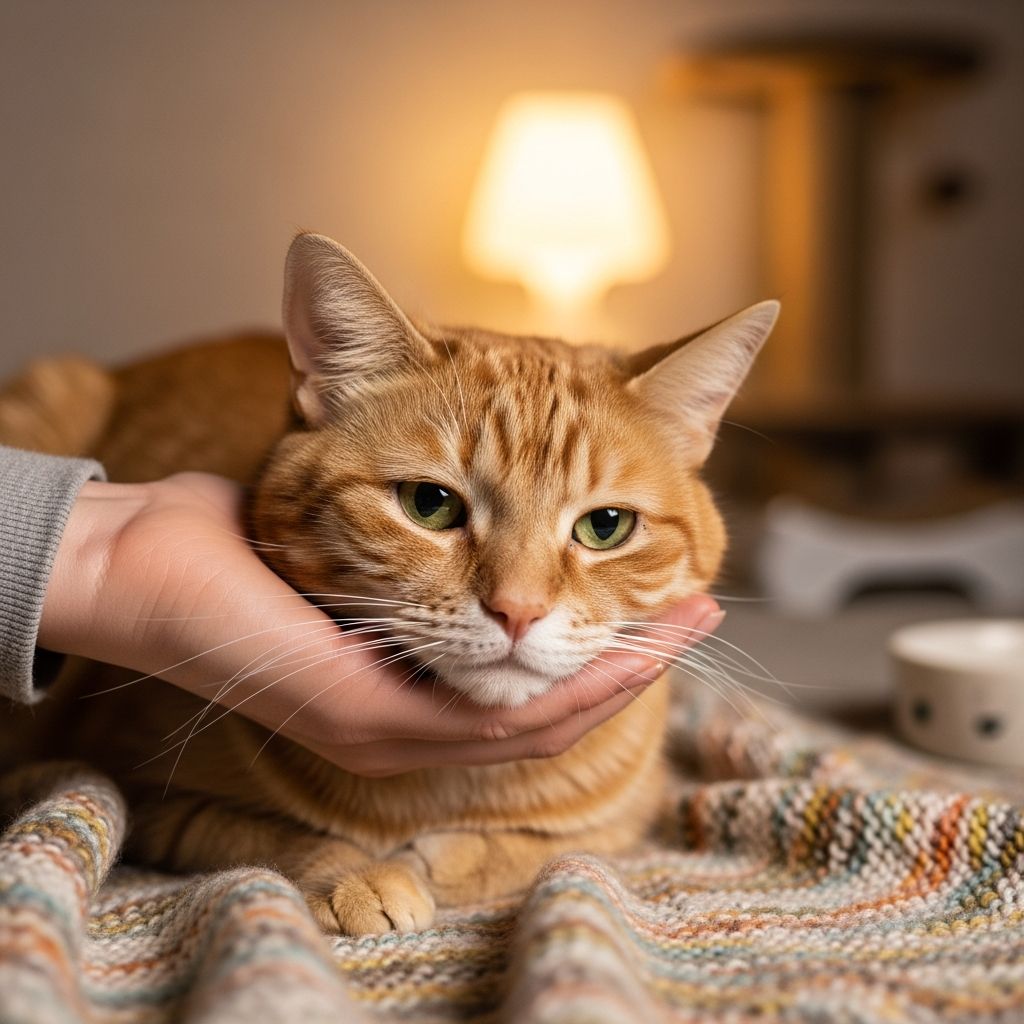
Cognitive dysfunction syndrome (CDS) affects many senior cats, leading to behavioral changes that mimic dementia. While not curable, proactive management can slow progression and improve well-being through environmental adjustments, nutrition, and veterinary interventions.
Understanding Feline Cognitive Dysfunction
CDS is a neurodegenerative condition in older cats, typically evident after age 10, characterized by progressive brain changes causing memory loss, disorientation, and altered behaviors. It parallels Alzheimer’s in humans, with beta-amyloid plaques and tau proteins contributing to neuron damage.
Prevalence increases with age; up to 50% of cats over 15 may show signs. Early detection is key, as symptoms overlap with treatable issues like hyperthyroidism or pain.
Key Indicators of Cognitive Issues in Senior Cats
Monitor for these common signs, grouped by the AAL framework: Activity disruptions, Anxiety, and Learning/memory deficits.
- Activity changes: Excessive pacing, wandering, reduced play interest, or staring blankly.
- Anxiety signs: Increased vocalization, especially at night, irritability toward familiars, or house-soiling outside the litter box.
- Learning/memory problems: Disorientation in familiar spaces, sleep-wake cycle reversal, poor grooming, appetite loss.
If multiple signs persist, consult a vet to rule out medical causes via bloodwork, blood pressure checks, and imaging.
Environmental Strategies to Boost Brain Health
“Use it or lose it” applies to cats; mental and physical stimulation preserves neural pathways. Structured routines and enrichment reduce confusion and anxiety.
Daily Enrichment Ideas:
- Rotate interactive toys like puzzle feeders or laser pointers to encourage hunting instincts.
- Introduce novel scents (e.g., catnip, herbs) or textures for sensory engagement.
- Provide vertical spaces: shelves, window perches for control over environment.
- Establish consistent feeding, play, and sleep schedules to maintain temporal awareness.
Modify the home for safety: Add low-sided litter boxes in multiple spots, nightlights for navigation, and restrict access to hazardous areas. Pheromone diffusers like Feliway can ease anxiety.
Nutritional Approaches for Cognitive Support
Diets rich in antioxidants, omega-3s, and brain-supportive nutrients combat oxidative stress. Prescription foods with medium-chain triglycerides (MCTs) provide alternative brain energy.
| Nutrient | Benefits | Sources |
|---|---|---|
| Omega-3 fatty acids (DHA/EPA) | Reduce inflammation, support neuron health | Fish oil supplements, enriched kibble |
| Antioxidants (Vitamins C/E, Selenium) | Neutralize free radicals | Senior formulas, fruits/veggies in moderation |
| SAMe (S-adenosylmethionine) | Boosts glutathione, improves awareness | Supplements like Novifit |
| L-carnitine, CoQ10 | Enhance energy metabolism | Multi-nutrient blends |
Studies show supplements with these improved disorientation and activity in weeks. Transition diets gradually and vet-approve for underlying conditions.
Veterinary Treatments and Medications
No FDA-approved CDS drugs exist for cats, but off-label options from canine research show promise. Start with diagnostics to exclude comorbidities.
Common Pharmacological Options:
- Selegiline (Anipryl): MAO-B inhibitor; 0.5-1 mg/kg daily. Improves activity, sleep; anecdotal feline success with minimal side effects.
- SAMe: 18-20 mg/kg; enhances mood and cognition in trials.
- Propentofylline (Vivitonin): Improves cerebral blood flow; used for mobility/cognition.
- Anxiolytics: Low-dose benzodiazepines or gabapentin for night waking/anxiety.
A case study: A cat on methimazole for hyperthyroidism added selegiline and Senilife (antioxidant blend), reducing vocalization and boosting interaction after weeks.
Holistic and Supportive Care Routines
Combine interventions for best results. Track progress with owner logs of behaviors pre/post-treatment.
- Ignore attention-seeking vocalization; reward calm behavior.
- Prevent daytime napping in bedrooms to regulate sleep.
- Regular vet check-ups for pain management (e.g., Solensia for arthritis).
- Grooming assistance if self-care declines.
Behavioral therapy reinforces positive habits, akin to human dementia care.
Monitoring Progress and Long-Term Outlook
Expect gradual improvements over 4-8 weeks. If no response, adjust protocols. CDS progresses slowly with management; many cats maintain quality life into late teens.
Client education is vital: Set realistic goals, emphasize early intervention.
Frequently Asked Questions (FAQs)
Can CDS be reversed in cats?
No, but symptoms can be managed to slow decline and enhance comfort.
At what age does cat dementia start?
Typically after 10-12 years, worsening post-15.
Are supplements safe for senior cats?
Yes, when vet-approved; avoid human products due to toxicity risks.
How do I differentiate CDS from other diseases?
Vet diagnostics like blood panels and urinalysis rule out thyroid issues, infections.
Does diet alone help cognitive dysfunction?
It’s supportive; combine with enrichment for optimal effects.
References
- Cognitive Dysfunction in Cats: A Syndrome we Used to Dismiss as … — PMC/NCBI. 2024. https://pmc.ncbi.nlm.nih.gov/articles/PMC11220932/
- Detection and management of cognitive dysfunction in cats — Vetster. 2023. https://vetster.com/en/wellness/detection-and-management-of-cognitive-dysfunction-in-cats
- Management of Dogs and Cats With Cognitive Dysfunction — Today’s Veterinary Practice. 2023. https://todaysveterinarypractice.com/neurology/management-of-dogs-and-cats-with-cognitive-dysfunction/
- Nutrition for Cats with Cognitive Dysfunction Syndrome CDS — VCA Animal Hospitals. 2024. https://vcahospitals.com/know-your-pet/nutrition-for-cats-with-cognitive-dysfunction-syndrome-cds
- Feline Cognitive Dysfunction & Cat Dementia and How To Help — Hill’s Pet. 2024. https://www.hillspet.com/cat-care/healthcare/cat-dementia-in-seniors
- Cognitive dysfunction syndrome (senility, dementia) in cats — International Cat Care. 2023. https://icatcare.org/articles/cognitive-dysfunction-syndrome-in-cats
- Dementia in Cats — PetMD. 2024. https://www.petmd.com/cat/conditions/neurological/dementia-cats
Similar Articles








Read full bio of medha deb




