

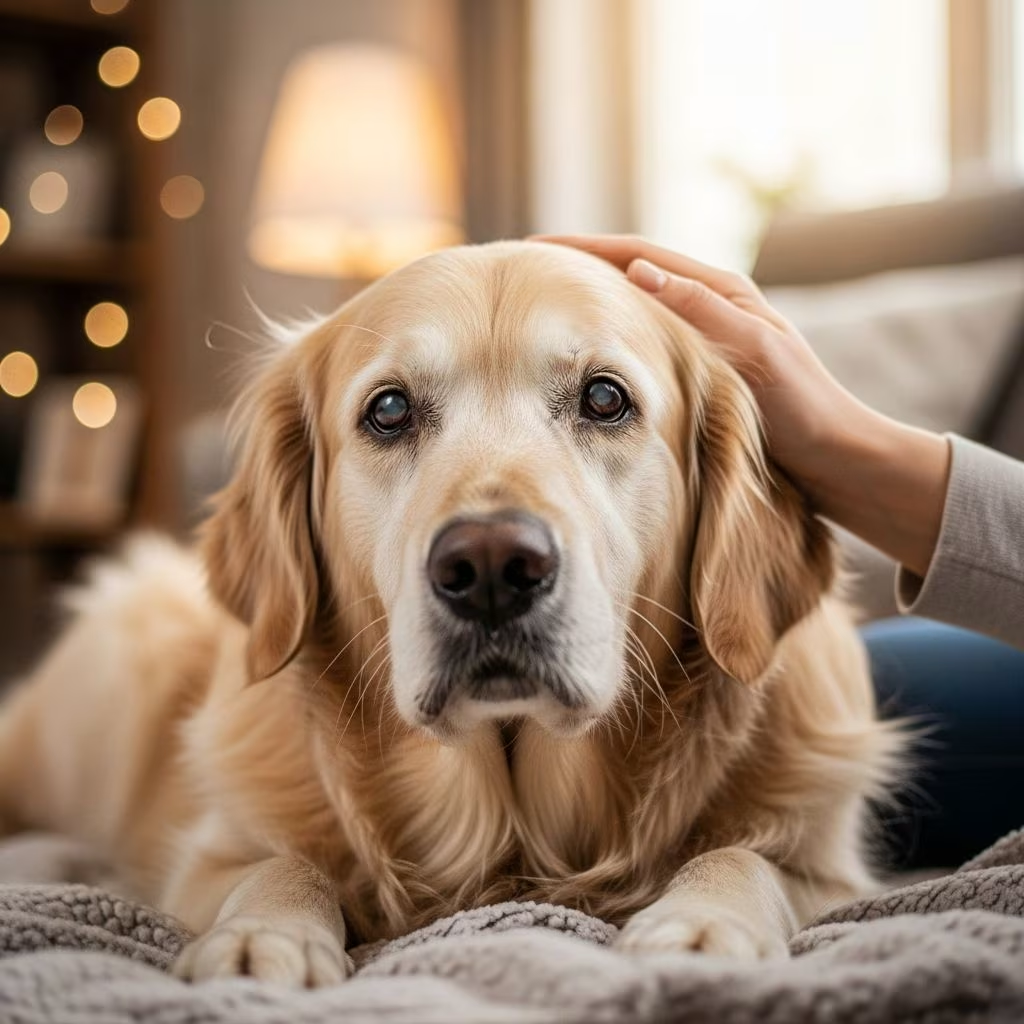
As dogs enter their golden years, sensory declines like vision impairment and hearing loss become common. These changes can disorient pets and challenge owners, but targeted adjustments promote a vibrant life. This guide outlines environmental modifications, communication techniques, health management, and enrichment ideas to help your dog thrive.
Recognizing Sensory Changes in Senior Canines
Senior dogs often experience gradual or sudden loss of sight and sound due to aging processes, cataracts, glaucoma, or ear infections. Watch for signs such as bumping into furniture, reluctance to navigate stairs, ignoring calls, or startling easily. Early detection through veterinary exams allows for tailored support.
- Vision loss indicators: Cloudy eyes, hesitation in dim light, or pawing at objects.
- Hearing loss indicators: No response to doorbells, sleeping through noises, or barking at non-threats.
Consult a veterinarian promptly to rule out treatable conditions. Regular check-ups monitor progression and address co-occurring issues like arthritis.
Creating a Safe and Navigable Home Environment
Stability is crucial for dogs compensating with remaining senses. Minimize disruptions by maintaining consistent layouts and adding sensory guides.
Key Home Adaptations
| Adaptation | Purpose | Implementation Tips |
|---|---|---|
| Clear pathways | Prevent collisions | Remove clutter, cords, and rugs that slip; secure furniture. |
| Tactile markers | Aid navigation | Place textured mats at stairs, doors; use scents like lavender for safe zones, citrus for off-limits areas. |
| Consistent furniture placement | Build spatial memory | Avoid rearrangements; if needed, leash-guide dog through changes multiple times. |
| Orthopedic ramps and elevated bowls | Support mobility | Install for stairs/cars; raise food/water to reduce joint strain. |
For outdoor spaces, fence securely and add visual barriers. Use harnesses over collars for better control during walks, and attach tags noting impairments.
Effective Communication Strategies
Shift from verbal to visual, tactile, or scent-based cues to bridge sensory gaps. Patience and positive reinforcement build confidence.
- For deaf dogs: Teach hand signals for sit, stay, come; use vibrations like stomping to alert before touching.
- For blind dogs: Employ verbal commands consistently; pair with scents or sounds for location awareness.
- For dual impairments: Combine touch (gentle strokes), scents, and routines; practice waking touches with treats to prevent startles.
Approach from the front, use heavy footsteps, and instruct visitors/children similarly. Flashlights or laser pointers can guide blind dogs indoors.
Health Management and Veterinary Care
Sensory losses often accompany joint pain, dental issues, or cognitive decline. Proactive vet visits ensure holistic care.
- Exams for underlying causes like infections or tumors.
- Supplements: Omega-3s, glucosamine for joints; antioxidants for cognition.
- Therapies: Acupuncture, hydrotherapy to maintain mobility.
- Nail trims and dental cleanings to enhance comfort.
Monitor for dementia signs like disorientation or sleep reversal, addressing with routines and puzzles.
Exercise and Mental Enrichment
Activity preserves muscle tone and sharpens other senses, combating lethargy.
- Physical: Short, leashed walks in familiar areas; scent games or swimming.
- Mental: Puzzle toys, hide-and-seek with treats, training sessions using adapted cues.
Aim for daily routines: morning walks, midday play, evening calm. This regulates sleep and reduces anxiety.
Daily Routines for Stability
Predictability comforts impaired seniors. Structure days with fixed feeding, potty, and play times.
- Wake, feed, short walk.
- Midday enrichment or nap.
- Evening meal, gentle exercise, bedtime.
Baby gates secure hazardous areas; dedicated pet zones with bed, bowls minimize accidents.
End-of-Life Considerations
When quality declines, discuss euthanasia options with vets. In-home services offer dignity; prepare by comforting your dog and planning aftercare like private cremation. Grief support groups aid owners.
Frequently Asked Questions
Can blind or deaf dogs learn new tricks?
Yes, using hand signals, tactile cues, or scents with treats. Consistency yields results.
Is surgery an option for sensory loss?
Depends on cause; cataracts may be operable, but age factors weigh in.
How do I walk a deaf-blind dog safely?
Harness and leash always; short, familiar routes; stay close.
What if my dog startles easily?
Alert via vibrations or visuals before touch; train with positive pairings.
Do supplements really help seniors?
Evidence supports joint and cognitive aids; vet-recommended only.
References
- AAHA Resources: Living with a Blind or Deaf Pet — American Animal Hospital Association. 2023. https://www.aaha.org/resources/living-with-a-blind-or-deaf-pet-tips-from-the-vet/
- Senior Dogs 101: Mobility, Deafness, Blindness, Dementia — Small Door Veterinary. 2024-10-15. https://www.smalldoorvet.com/learning-center/seniors/mobility-deafness-blindness-dementia-senior-dogs
- Blind and Deaf Dogs Tips — Nebraska Humane Society. 2023. https://nehumanesociety.org/services/pet-tips-behavior-help-and-resources/blind-and-deaf-dogs/
- Tips for Owning a Deaf or Blind Dog — Dogs Trust. 2024. https://www.dogstrust.org.uk/dog-advice/life-with-your-dog/at-home/owning-blind-deaf-dog
- Caring for Senior Dogs with Deafness and Blindness — Rover Veterinary Care. 2024-05-20. https://www.rovervetcare.com/jupiter/blog/2024/caring-for-senior-dogs-with-deafness-and-blindness.html



