

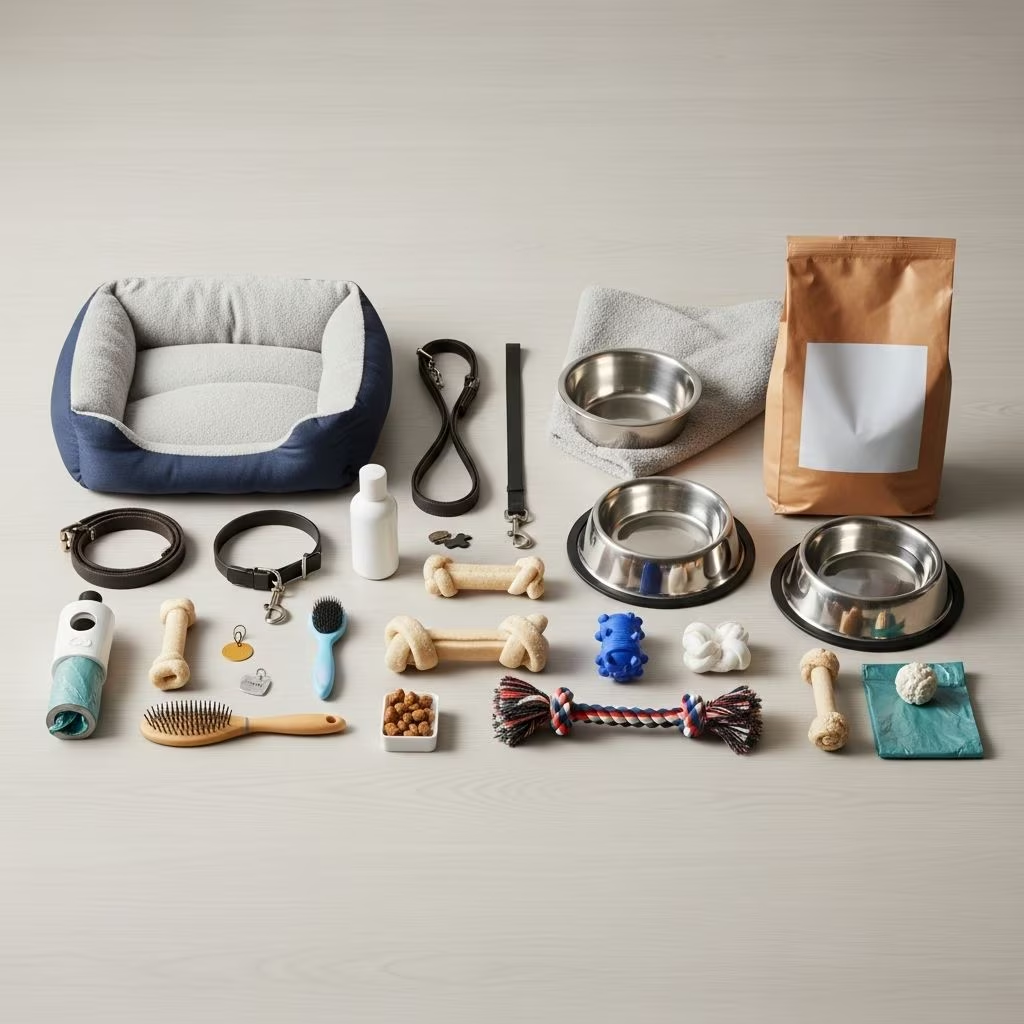
Bringing a newly adopted dog into your home is an exciting milestone that requires thoughtful preparation. Having the right supplies ensures your dog feels secure, comfortable, and stimulated while helping you establish good habits from day one. This guide covers all essential items, from basics like food and bedding to safety and training tools, drawing on recommendations from animal welfare experts to support a smooth transition.
Food and Water Bowls
Stainless steel or ceramic bowls are durable, easy to clean, and less likely to harbor bacteria compared to plastic options. Choose sizes appropriate for your dog’s breed and age—puppies need smaller bowls to prevent overeating, while large breeds require wider, deeper ones. Elevated bowls can aid digestion for taller dogs or those with neck issues; consult your veterinarian for recommendations.
- One or two food bowls for kibble or wet food.
- Separate water bowl, refreshed multiple times daily.
- Non-tip designs to reduce spills during excited mealtimes.
Transition food gradually by mixing the shelter’s brand with your chosen one over 7-10 days to avoid digestive upset like diarrhea.
Collar, ID Tags, Leash, and Harness
A properly fitted collar is crucial for identification. Ensure it has an ID tag with your dog’s name, your phone number, and any medical alerts. The ASPCA strongly recommends microchipping as a permanent ID method, implanted under the skin and scannable at shelters. Pair with a 6-foot leash for walks and training. A harness is ideal for pullers, distributing pressure safely without choking.
- Adjustable collar (nylon or leather, avoid choke or prong types).
- Breakaway or quick-release buckle for safety.
- Harness for chest support, especially for puppies or brachycephalic breeds.
- Extra leash for emergencies or multi-dog households.
Bedding and Crate
A comfortable bed provides a safe den-like space, reducing anxiety in new environments. Machine-washable options with bolsters offer security. Crates mimic natural burrows, aiding house training and preventing destructive behavior when unsupervised. Size it so your dog can stand, turn, and lie down fully—divide for puppies with partitions.
- Orthopedic foam bed for older or arthritic dogs.
- Crate with divider, blanket, and familiar shelter bedding to ease stress.
- One or two beds for rotation and multi-room use.
Place the crate in a quiet, family-accessible area like the living room or bedroom for nighttime.
Food and Treats
Stock 7-10 days of the same food from the shelter, then transition slowly. High-quality dry or canned food meeting AAFCO standards supports nutrition. Training treats (soft, small) reinforce good behavior; use sparingly to avoid weight gain.
- Puppy, adult, or senior formula based on age.
- Freeze-dried treats or Kong stuffers for mental stimulation.
- Prescription diet if vet-recommended post-adoption exam.
Toys and Chews
Toys prevent boredom and destructive chewing. Rotate varieties for interest: plush for comfort, ropes for tugging, puzzles for intellect. Kongs filled with frozen peanut butter or food dispense treats slowly, ideal for smart feeding.
- Durable chew toys (Nylabone or rubber).
- Interactive puzzles and squeaky toys.
- Size-appropriate to prevent choking hazards.
Supervise play initially to gauge preferences and safety.
Grooming Supplies
Regular grooming maintains coat health, reduces shedding, and bonds you with your dog. Brushes remove loose fur; nail clippers or grinders prevent overgrowth, which can cause pain or injury.
- Slicker brush or shedding tool for double-coated breeds.
- Nail clippers with quick-stop guard.
- Dog-safe shampoo, conditioner, and toothbrush/paste.
- Towel or grooming mitt for drying.
Bathe monthly unless soiled; brush weekly.
Cleaning and Waste Management
Accidents happen, especially with puppies. Enzymatic cleaners break down odors and stains, discouraging repeat marking. Poop bags are essential for walks.
- Pet-safe enzymatic spray and wipes.
- Puppy pads for indoor training.
- Poop bags (biodegradable) and dispenser.
- Litter trays or liners if crated.
Training and Containment
Crate training promotes bladder control (puppies hold 1 hour per month of age). Exercise pens confine safely during unsupervised time. Baby gates block off-limits areas.
- Clicker and treats for positive reinforcement.
- Exercise pen for playpens.
- Baby gates for stairs or kitchens.
Safety and Home Preparation
Dog-proof your home to prevent injuries or ingestions. Secure cords, cabinets, and trash. Remove toxins like chocolate, xylitol, and certain plants.
| Category | Items to Secure/Remove |
|---|---|
| Electrical | Cord covers, outlet plugs |
| Household | Cabinet locks, lidded trash, heavy furniture anchors |
| Toxins | Cleaning supplies, medications, toxic plants (lilies, aloe) |
| Floors | Non-slip mats, furniture covers |
Recent photos and medical records in waterproof container aid emergencies.
Health and First Aid
Schedule a vet visit within 72 hours. Stock a first-aid kit: bandages, antiseptic, tweezers, thermometer. Heartworm/flea preventives start ASAP.
- Pet first-aid book (vet-guided).
- 7 days’ medications, bottled water.
Exercise Pen and Daycare Planning
Pens for puppies/small dogs allow movement without free roam. Plan routines: crate/room for day/night.
Frequently Asked Questions (FAQs)
What food should I buy for my newly adopted dog?
Match the shelter’s food initially, transitioning over 7-10 days to prevent diarrhea. Consult vet for age/breed-specific needs.
Is a crate necessary for an adult dog?
Yes, for house training, safety, and anxiety reduction. Proper sizing ensures comfort.
How do I dog-proof my home effectively?
Secure cords, toxins, trash; use gates and covers. Remove small/swallowable items.
What if my dog pulls on the leash?
Use a no-pull harness and train with treats. Avoid aversive collars.
When should I microchip my dog?
Immediately if not done; it’s a permanent, scannable ID.
This checklist sets your adopted dog up for success. Adjust based on age, breed, and health—patience and consistency build trust.
References
- Disaster Preparedness | ASPCA — ASPCA. 2023. https://www.aspca.org/pet-care/general-pet-care/disaster-preparedness
- Checklist-What-to-get-plan-for-when-you-bring-your-new-dog-home — BC SPCA. 2022-11. https://spca.bc.ca/wp-content/uploads/2022/11/Checklist-What-to-get-plan-for-when-you-bring-your-new-dog-home.pdf
- First Time Dog Parent? Here’s a Helpful Checklist — Adopt a Pet. 2023. https://www.adoptapet.com/blog/adoption/what-to-buy-before-adopting-a-dog
- How to Adopt a Pet: A FREE Checklist & Step-By-Step Guide — PetPlace. 2023. https://www.petplace.com/pet-adoption/checklist
- Adopting a Dog: Getting Ready — San Diego Humane Society. 2023. https://sdhumane.org/resources/adopting-a-dog/
- Checklist For Adopting A Shelter Dog — My Cypress Vet. 2019-10-01. https://mycypressvet.com/2019/10/01/cy-fair-tx-vet-adopting-shelter-dog/



