

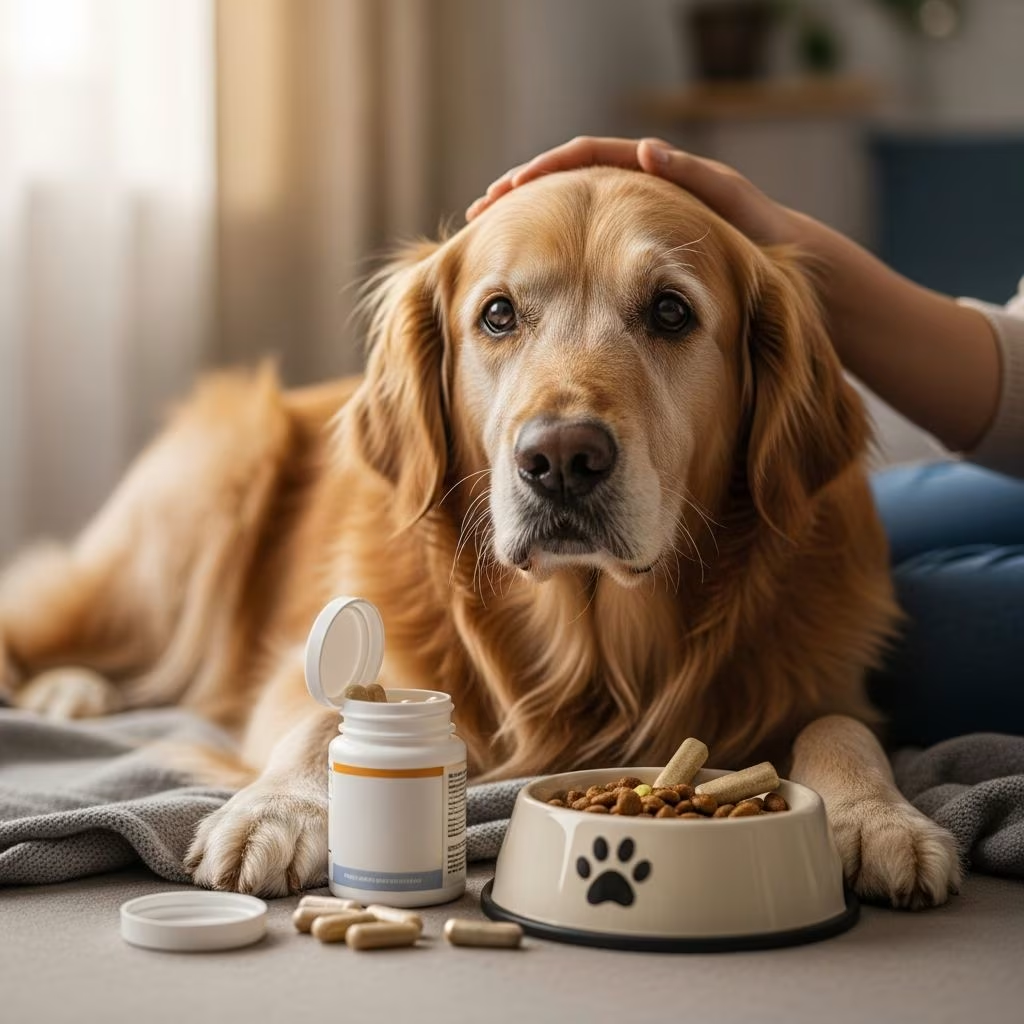
Supplements for Older Pets: Supporting Healthy Aging
Aging is a natural process characterized by degenerative changes that occur after maturity in various organ systems. As pets grow older, their bodies experience a gradual decrease in the ability to meet environmental challenges and maintain optimal health. While age itself is not a disease, aging pets often face specific nutritional challenges that supplementation can help address. The appropriate use of supplements may help slow the progression of degeneration and improve both the longevity and quality of life in older animals.
As your beloved pet enters their senior years, their nutritional needs change significantly. Aging pets may develop reduced ability to digest and absorb nutrients due to altered metabolism, and their immune systems may become less effective at resisting infections. Understanding how to support your senior pet through proper supplementation is essential for maintaining their health, mobility, and overall well-being during their golden years.
Understanding Senior Pet Nutrition and Supplementation
The process of aging affects multiple body systems simultaneously, requiring a comprehensive approach to pet nutrition. Senior pets experience metabolic changes that impact how their bodies process food, absorb nutrients, and eliminate waste products. These changes necessitate adjustments to their dietary intake and often benefit from strategic supplementation.
Dietary requirements for senior pets should be customized based on several key factors: activity level, digestive capacity, ability to absorb nutrients, and capacity to eliminate byproducts and toxins. The dietary levels of proteins, fats, carbohydrates, fiber, and minerals may all need adjustment according to the individual pet’s needs. Nutritional supplementation helps facilitate these necessary adjustments and can significantly improve outcomes in aging animals.
When considering supplements for your older pet, it’s crucial to evaluate both patient factors and product factors. Patient considerations include identifying which organ system needs support, while product evaluation requires assessing dosage, safety, efficacy, and nutritional balance. Working with your veterinarian ensures that any supplementation strategy complements your pet’s overall health plan and existing treatments.
Most Recommended Supplements for Older Pets
Vitamin B Complex
Vitamin B complex is one of the most frequently recommended supplements for aging pets and includes vitamins B1, B2, B6, and B12. These essential nutrients work synergistically to help counter fatigue and improve appetite in senior pets. One of the advantages of B complex supplementation is its excellent safety profile—the risk of toxicity is very low because excess levels beyond the body’s requirements are typically excreted in the urine. This makes B complex an ideal choice for long-term supplementation in older animals.
Coenzyme Q-10 and Carnitine
Coenzyme Q-10 and carnitine are particularly valuable for senior pets experiencing age-related changes in cardiovascular function. These supplements work specifically to improve the strength of heart muscle, supporting cardiovascular health and function during the aging process. They are especially beneficial for pets with existing heart conditions or those showing signs of reduced cardiac output.
DMG for Metabolic Support
Dimethylglycine (DMG) is often recommended as a metabolic enhancer and anti-inflammatory supplement, particularly for supporting joint health in aging pets. As senior pets develop stiffness and reduced mobility, DMG can help address both inflammatory processes and metabolic efficiency, contributing to improved quality of life and comfort.
Alpha Lipoic Acid (ALA)
Alpha lipoic acid may be recommended to promote ocular (eye) health and to help slow degenerative neurological conditions. As pets age, their eyes and nervous system become more vulnerable to oxidative stress and degeneration. ALA acts as a powerful antioxidant to protect these sensitive tissues and support their function during the aging process.
Omega Fatty Acids
Increased fatty acid intake, especially omega fatty acids, provides multiple benefits for aging pets. Omega fatty acids help maintain healthy skin and coat, which are often affected by aging and reduced metabolic efficiency. Additionally, these essential fats modulate inflammatory reactions throughout the body and may provide significant relief from joint pain and arthritis—common concerns in senior pets.
Digestive Enzymes and Probiotics
Digestive enzymes and probiotics become increasingly important as senior pets experience declining digestive function. These supplements enhance the availability and absorption of dietary nutrients, helping to ensure that your aging pet receives maximum nutritional benefit from their food despite reduced digestive efficiency. This is particularly important for pets with sensitive stomachs or chronic digestive issues.
Supplements for Specific Disease Conditions
Beyond general wellness support, certain supplements are specifically beneficial for treating age-related disease conditions. When your senior pet develops specific health issues, targeted supplementation can provide significant therapeutic benefits.
Glandular Therapy and Whole Tissue Supplements
Glandular therapy and whole tissue supplements support degenerative processes by providing organ-specific nutrients and supporting tissue repair and function. These supplements work on the principle of providing targeted nutritional support to specific organ systems experiencing age-related decline.
Gastrointestinal Support
For senior pets experiencing gastrointestinal disease or digestive challenges, digestive enzymes and probiotics provide targeted support. These supplements specifically address the unique digestive needs of aging animals and help optimize nutrient absorption from their diet.
Joint and Cartilage Protection
Chondroprotective agents such as glucosamine are highly recommended for senior pets experiencing degenerative joint disease. These supplements work to protect the integrity of cartilage, improve mobility, and delay the progression of arthritis and other joint-related conditions. Glucosamine, often combined with chondroitin and collagen, helps maintain cartilage structure and reduce inflammation in aging joints.
Liver Support
Milk thistle has been traditionally used for supporting chronic liver problems in aging pets. As liver function can decline with age, this targeted supplement supports hepatic health and may help maintain liver function during the senior years. If you give milk thistle or other liver-supporting supplements to your pet, be sure to inform your veterinarian so that any other treatments can be effectively integrated.
Cognitive Support and Brain Health
As more pets live into the geriatric stage of life, cognitive decline has become an increasing concern for pet owners. Senior pets may experience changes in sleep patterns, restlessness, anxiety, and even lapses in house training. Certain supplements are specifically designed to address cognitive dysfunction and support brain health during aging.
Supplements containing combinations of vitamins C, E, B12, and resveratrol with amino acids and essential fatty acids have shown promise in supporting cognitive function. These antioxidant-rich formulations combat oxidative stress in the brain, which is believed to contribute to cognitive decline. Natural anxiolytics are also incorporated into some supplements to help with sleep disturbances and anxiety commonly experienced by geriatric pets.
Evaluating Supplement Effectiveness
While supplements can lead to beneficial outcomes in geriatric pets such as enhanced appearance, improved mobility, and increased activity levels, it’s important to understand that perceiving benefits from supplementation isn’t always straightforward. In some cases, it may be difficult to determine exactly what effects can be truly attributed to the supplement versus other factors.
Supplements are often used based on their effects in humans or laboratory research. Although this information may be helpful, it is incomplete and may not give a realistic indication of potential benefits to your specific pet. When multiple interventions are made simultaneously—such as starting a supplement, changing diet to include higher levels of unprocessed food, and beginning an exercise program—it can be challenging to sort out which factor is responsible for observed improvements. Changes may be due to any one factor, a combination of several, or even placebo effect.
This complexity underscores the importance of working closely with your veterinarian when implementing a supplement regimen. Your vet can help you establish baseline measurements and monitor your pet’s progress objectively over time, making it easier to identify which interventions are truly effective for your individual pet.
Consulting Your Veterinarian About Senior Pet Supplements
Before implementing any supplementation program for your senior pet, consultation with your veterinarian is essential. Your vet can help you:
– Assess your senior pet’s current health status and nutritional needs- Identify which specific supplements would most benefit your individual pet- Determine appropriate dosages based on your pet’s weight, age, and health conditions- Screen for potential interactions between supplements and any medications your pet is taking- Monitor your pet’s response to supplementation over time- Adjust the supplement regimen as your pet’s needs change
Your veterinarian can also help you distinguish between supplements backed by solid clinical evidence and those with questionable efficacy. This guidance is invaluable in ensuring that the supplements you choose will genuinely benefit your aging pet.
General Principles for Senior Pet Supplementation
When selecting and administering supplements to your senior pet, keep these general principles in mind:
– Prioritize safety and efficacy: Choose supplements that have been tested for safety and shown to be effective through clinical research- Ensure proper dosing: Always follow recommended dosage guidelines based on your pet’s weight and age- Monitor for interactions: Keep your veterinarian informed about all supplements your pet is receiving to screen for potential interactions with medications- Never substitute supplements for balanced diet: Supplements should complement, not replace, a balanced diet formulated for senior pets- Be patient with results: Some supplements may take weeks or months to show noticeable benefits- Maintain consistent administration: Regular, consistent use of supplements is typically necessary to achieve maximum benefits
Creating a Comprehensive Senior Pet Wellness Plan
Effective support for aging pets requires a holistic approach that combines proper nutrition, appropriate supplementation, regular veterinary care, and lifestyle management. Supplements are one valuable tool in this comprehensive approach but should not be viewed as a standalone solution.
A complete senior pet wellness plan typically includes:
– A high-quality diet formulated for senior pets with appropriate nutrient levels- Targeted supplementation addressing your pet’s specific health needs and conditions- Regular veterinary check-ups to monitor health changes and adjust the plan as needed- Appropriate exercise and mental stimulation tailored to your pet’s mobility and cognition- Comfortable living arrangements that accommodate age-related physical limitations- Pain management strategies for arthritis or other chronic conditions
Frequently Asked Questions About Senior Pet Supplements
Q: Can I give my senior pet supplements if they’re already on medications?
A: Possibly, but this requires careful coordination with your veterinarian. Some supplements can interact with medications, so your vet needs to review all supplements before you begin them. Never start supplements without informing your veterinarian about all current medications.
Q: How long does it take to see benefits from supplements?
A: The timeline varies depending on the supplement and the condition being addressed. Some supplements may show benefits within weeks, while others may require 4-12 weeks of consistent use before noticeable improvements appear. Discuss realistic timelines with your veterinarian.
Q: Are there any supplements that are universally beneficial for all senior pets?
A: While some supplements like omega fatty acids and vitamin B complex are widely beneficial, the ideal supplement regimen varies by individual pet based on their specific health conditions, age, and nutritional status. Your veterinarian can recommend the best choices for your pet.
Q: Can supplements prevent age-related diseases?
A: While supplements cannot completely prevent age-related diseases, appropriate supplementation combined with proper nutrition, exercise, and veterinary care may help slow the progression of degenerative changes and support overall health as your pet ages.
Q: What’s the difference between senior pet supplements and regular pet supplements?
A: Senior pet supplements are specifically formulated to address age-related health concerns such as joint stiffness, cognitive decline, decreased immune function, and reduced digestive efficiency. They typically contain higher levels of certain nutrients like glucosamine, omega-3s, and antioxidants compared to general pet supplements.
References
- Supplements for the Older Pet — VCA Animal Hospitals. 2024. https://vcahospitals.com/know-your-pet/supplements-for-the-older-pet
- Feeding Mature and Senior Dogs — VCA Animal Hospitals. 2024. https://vcahospitals.com/know-your-pet/feeding-mature-and-senior-dogs
- Senior Dog Care: Support Healthy Aging with Multivitamins — Vetericyn. 2024. https://vetericyn.com/blogs/vetericyn/senior-dog-vitamins
- Pet Supplements at Different Life Stages – Fera Pets — Fera Pet Organics. 2024. https://www.ferapets.com/blogs/fera-pet-organics-blog/pet-supplements-at-different-life-stages-keeping-your-pet-healthy-from-start-to-senior
- Selecting Supplements for the Senior Pet — Veterinary Practice News Canada. December 2021. https://www.veterinarypracticenews.ca/seniors-december-2021/
- Joint Supplements for Senior Cats: Glucosamine and Chondroitin — ImpriMed. 2024. https://imprimedicine.com/blog/cat-supplements



