

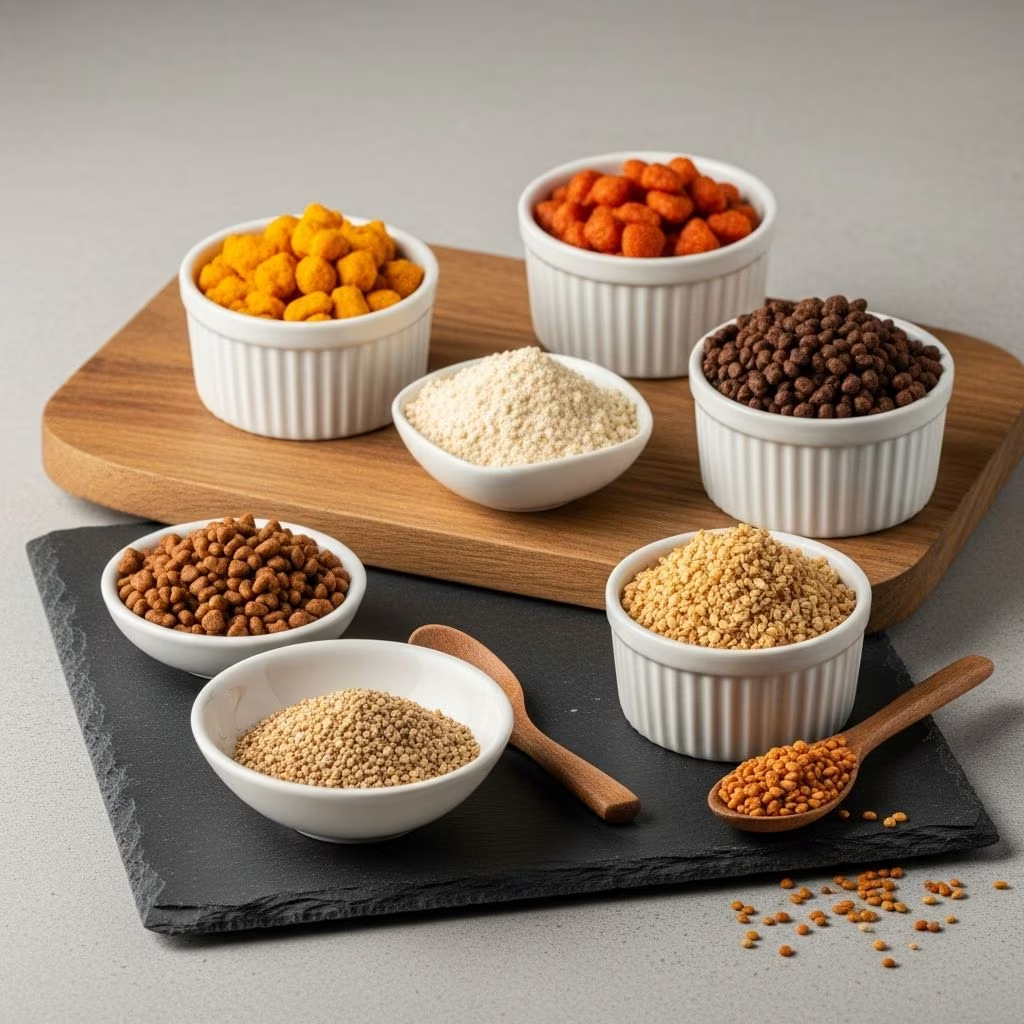
6 Superfoods for Cats: Yes, They Do Exist
Just like humans, cats can benefit tremendously from nutrient-dense superfoods that go beyond basic nutritional requirements. While cats are obligate carnivores requiring high-quality protein, incorporating specific superfoods into their diet can enhance their overall health, boost immune function, improve coat quality, and support longevity. Contrary to common misconceptions, superfoods for cats do exist, and they can make a significant difference in your feline companion’s wellbeing when introduced appropriately and in moderation.
Superfoods are nutrient-rich foods packed with vitamins, minerals, antioxidants, and other beneficial compounds that support a strong immune system, improved digestion, and optimal health outcomes. For cats specifically, these foods can help prevent chronic diseases, maintain healthy skin and coat, support digestive health, and promote heart and joint health. The key to successfully incorporating superfoods into your cat’s diet is understanding which foods are safe, how to prepare them properly, and the appropriate serving sizes.
Why Superfoods Matter for Your Cat
Cats have unique nutritional requirements compared to other pets. As obligate carnivores, they require high levels of taurine, an essential amino acid found primarily in animal proteins. However, beyond protein requirements, cats benefit from a diverse array of nutrients that support various bodily functions. Superfoods provide concentrated doses of these vital nutrients in forms that cats can easily digest and utilize.
The benefits of incorporating superfoods into your cat’s diet extend beyond basic survival. Regular consumption of nutrient-dense foods can strengthen the immune system, reduce inflammation, support healthy aging, and decrease the risk of chronic diseases. For older cats or those with specific health concerns, superfoods can be particularly beneficial in managing symptoms and maintaining quality of life. However, it’s essential to remember that superfoods should comprise only a small portion of your cat’s overall diet, with the majority of their nutrition coming from high-quality commercial cat food or balanced homemade diets approved by veterinary nutritionists.
The Top 6 Superfoods for Cats
1. Salmon: The Omega-3 Powerhouse
Salmon stands out as one of the most beneficial superfoods for cats, primarily due to its exceptional omega-3 fatty acid content. These essential fatty acids possess powerful anti-inflammatory properties that can benefit cats of all ages, but are particularly valuable for senior cats or those experiencing joint issues and arthritis. Omega-3 fatty acids work by reducing inflammation throughout the body, potentially alleviating pain and improving mobility in arthritic cats.
Beyond joint health, salmon supports cardiovascular function and promotes a healthy, shiny coat. The omega-3 fatty acids help maintain skin health, reduce itching and flaking, and contribute to a lustrous appearance that many cat owners notice after introducing salmon to their pet’s diet. Salmon also contains high-quality protein and essential nutrients including vitamin D, selenium, and B vitamins that support overall metabolic function.
Preparation is crucial when feeding salmon to your cat. Always serve only cooked, boneless salmon that has been prepared without seasonings, oils, or salt. Raw salmon can contain harmful parasites and bacteria, while bones pose choking hazards and can cause intestinal blockages. A small portion of cooked salmon, approximately one tablespoon, two to three times per week, provides optimal benefits without excess calories. Canned salmon packed in water (without added salt or oil) is a convenient alternative to fresh salmon.
2. Pumpkin: The Digestive Superhero
Pumpkin has earned its superfood status through its remarkable benefits for feline digestive health. Rich in dietary fiber and containing natural prebiotic properties, pumpkin helps regulate digestion and can effectively address both constipation and diarrhea in cats. The soluble fiber content absorbs excess water in the digestive tract, promoting healthy bowel movements and reducing gastrointestinal upset.
Beyond digestive support, pumpkin delivers impressive nutritional value through its high beta-carotene content, which the body converts to vitamin A. This fat-soluble vitamin supports healthy vision, maintains cellular function, and supports immune health. Pumpkin also contains antioxidants that combat free radicals and reduce oxidative stress, potentially lowering the risk of chronic diseases including cancer and heart disease.
Quality matters significantly when selecting pumpkin for your cat. Look for pure pumpkin puree without added sugars, spices, or flavorings. Plain canned pumpkin is an excellent option and widely available. Mix one to two teaspoons of pure pumpkin into your cat’s regular food, adjusting the amount based on your cat’s digestive response. Avoid pumpkin pie filling, which contains added sugars and spices that can upset feline digestion.
3. Eggs: The Complete Protein Source
Eggs represent a complete protein source, containing all nine essential amino acids that cats require for muscle maintenance, tissue repair, and overall bodily function. This makes eggs particularly valuable for supporting lean muscle mass, especially in aging cats or those recovering from illness. Beyond protein, eggs provide an impressive array of nutrients including biotin, lutein, vitamins A, B12, D, E, and K, along with essential fatty acids that support skin and coat health.
The nutritional profile of eggs makes them beneficial for maintaining skin hydration, promoting hair growth, and improving coat texture and shine. Cats with dry skin or dull coats often show visible improvement within weeks of adding eggs to their diet. The choline content in eggs also supports brain health and cognitive function, which is particularly beneficial for senior cats experiencing age-related cognitive decline.
Preparation is essential for cat safety. Always serve only fully cooked eggs to eliminate the risk of salmonella or other bacterial contamination. Both boiled and scrambled eggs work well, provided no butter, oil, salt, or seasonings are added. Feed one quarter to one half of a small cooked egg, one to two times per week. Raw or undercooked eggs can harbor harmful bacteria and should never be given to cats.
4. Blueberries: Antioxidant Berries
Despite their small size, blueberries pack a nutritional punch that makes them valuable superfoods for cats. Loaded with antioxidants, particularly anthocyanins, vitamin C, and vitamin K, blueberries help neutralize harmful free radicals and reduce oxidative stress throughout the body. This antioxidant activity may help decrease cancer risk and support heart health in cats of all ages.
Blueberries also support urinary tract health, an important consideration for cats prone to urinary issues. The compounds in blueberries help maintain urinary tract pH balance and support overall kidney function. Additionally, the antioxidants in blueberries support cognitive function, helping to maintain mental clarity and reduce age-related cognitive decline in senior cats.
Preparation is simple and straightforward. Thoroughly wash fresh blueberries and mash them slightly to prevent choking hazards. Feed only one to three mashed blueberries as an occasional treat, or mix them into your cat’s regular food. Frozen blueberries can also be used; simply thaw and mash before serving. Avoid dried blueberries, which are more concentrated in sugars and calories than fresh berries.
5. Sweet Potatoes: The Fiber-Rich Root Vegetable
Sweet potatoes offer impressive nutritional benefits for cats, particularly in supporting digestive and immune health. Rich in dietary fiber, sweet potatoes promote healthy digestion and can help regulate blood sugar levels. The high beta-carotene content converts to vitamin A in the body, supporting healthy vision and cellular function. Sweet potatoes also contain vitamins C and B6, manganese, and potassium, along with antioxidants that combat inflammation and oxidative stress.
The anti-inflammatory properties of sweet potatoes make them particularly beneficial for cats with arthritis or other inflammatory conditions. The vitamin A and antioxidant content also supports skin health and may help reduce skin irritation and itching in cats with sensitive skin.
Thorough cooking is essential before serving. Bake or boil sweet potatoes until completely soft, then peel and mash thoroughly. Serve only plain sweet potato without butter, oils, or seasonings. Feed one to two teaspoons, one to two times per week. Always ensure the sweet potato has cooled completely before offering it to your cat to prevent mouth burns.
6. Sardines: The Omega-3 Fish
Sardines represent an excellent alternative to salmon, offering similar omega-3 fatty acid benefits in a smaller, more affordable package. These tiny fish are naturally rich in omega-3 fatty acids that reduce inflammation and support heart and joint health. Sardines also provide high-quality protein, calcium for bone health, and vitamins D and B12 that support energy production and neurological function.
The calcium content in sardines makes them particularly valuable for supporting bone health, especially in senior cats or those at risk for bone density loss. The omega-3 fatty acids support healthy skin and coat, while the B vitamins support energy metabolism and immune function.
Careful selection and preparation are crucial. Always choose sardines packed in water without added salt or oil. Never serve sardines packed in brine or oil, as excess sodium and fat can upset feline digestion. Carefully check for and remove all bones, as even small bones can cause intestinal blockages. Offer one-quarter to one-half of a small sardine, one to two times per week. The strong smell of sardines may make them particularly appealing to picky eaters.
Additional Beneficial Superfoods Worth Considering
Beyond the primary six superfoods, several other nutrient-dense foods can benefit feline health when introduced appropriately. Cooked chicken and turkey provide lean, high-quality protein without excess fat or calories. Cooked beef offers additional B vitamins and iron for cats requiring supplemental iron support. Pureed cooked vegetables including broccoli, green beans, peas, carrots, and spinach provide fiber, vitamins, and minerals that support digestive and overall health.
Cooked chicken liver offers exceptional vitamin A, B vitamins, iron, and folate content that boosts immune function and supports skin regeneration. Chia seeds provide omega-3 fatty acids, fiber, and antioxidants that combat skin inflammation. Oats offer B vitamins and antioxidants that nourish skin and maintain a soft, healthy coat. Kale contains vitamins A, C, and K, calcium, and copper, with anti-inflammatory properties beneficial for cats with arthritis.
Important Guidelines for Introducing Superfoods
While superfoods offer tremendous health benefits, introducing them requires care and caution. Superfoods should comprise no more than five to ten percent of your cat’s total daily caloric intake, with the remaining nutrition coming from high-quality commercial or veterinary-approved homemade diets. Introduce new superfoods gradually, starting with very small portions to allow your cat’s digestive system to adjust and to identify any potential adverse reactions.
Always consult with your veterinarian before introducing new foods to your cat’s diet, particularly if your cat has existing health conditions, takes medications, or follows a therapeutic diet. Some superfoods may interact with medications or be contraindicated for specific health conditions. Your veterinarian can provide personalized recommendations based on your individual cat’s age, weight, health status, and specific nutritional needs.
Proper preparation cannot be overstated. All meats should be thoroughly cooked, unseasoned, and free from bones. All vegetables should be cooked and pureed to prevent choking hazards and improve digestibility. Avoid feeding raw foods due to bacterial contamination risks. Never add salt, seasonings, oils, butter, garlic, or onions to superfood preparations, as these can be harmful to cats.
Superfood Feeding Chart Reference
| Superfood | Serving Size | Frequency | Key Benefit |
|---|---|---|---|
| Salmon | 1 tablespoon cooked, boneless | 2-3 times weekly | Anti-inflammatory, joint health |
| Pumpkin | 1-2 teaspoons pure puree | Daily or as needed | Digestive support, fiber |
| Eggs | 1/4 to 1/2 cooked egg | 1-2 times weekly | Complete protein, coat health |
| Blueberries | 1-3 mashed berries | 2-3 times weekly | Antioxidants, urinary health |
| Sweet Potato | 1-2 teaspoons mashed | 1-2 times weekly | Digestive support, vision health |
| Sardines | 1/4 to 1/2 small fish | 1-2 times weekly | Omega-3, bone health |
Frequently Asked Questions About Cat Superfoods
Q: Can superfoods replace my cat’s regular diet?
A: No, superfoods should never replace your cat’s regular diet. They should comprise no more than five to ten percent of daily caloric intake. Cats require a complete and balanced diet formulated to meet all their nutritional needs, which commercial cat foods or veterinary-approved homemade diets provide.
Q: Are all fruits and vegetables safe for cats?
A: No, some fruits and vegetables are toxic to cats. Never feed grapes, raisins, onions, garlic, avocado, or xylitol-containing foods. When in doubt, consult your veterinarian before introducing new foods.
Q: How do I know if my cat is allergic to a superfood?
A: Signs of food allergies or sensitivities include vomiting, diarrhea, itching, hair loss, or respiratory issues. Discontinue the food immediately and consult your veterinarian if these symptoms develop.
Q: Can kittens and senior cats eat superfoods?
A: Both kittens and senior cats can benefit from superfoods, but portion sizes and types should be age-appropriate. Consult your veterinarian about which superfoods are suitable for your kitten or senior cat’s specific life stage and health status.
Q: Should I introduce superfoods if my cat has a health condition?
A: Always consult your veterinarian before introducing superfoods if your cat has existing health conditions or takes medications. Some superfoods may interact with medications or be inappropriate for certain conditions.
Q: Can superfoods help with weight management?
A: Some superfoods, particularly those high in fiber, may support weight management when used appropriately. However, weight management requires a comprehensive approach including portion control, appropriate exercise, and balanced nutrition. Consult your veterinarian for weight management strategies.
Q: What’s the best way to introduce a new superfood?
A: Start with a very small portion mixed into your cat’s regular food. Gradually increase the amount over several days while monitoring for any adverse digestive or behavioral changes. If your cat tolerates the food well after one week, continue at the recommended serving size and frequency.
Q: How long does it take to see health benefits from superfoods?
A: Some benefits, such as improved digestion from pumpkin, may be apparent within days. Other benefits, including improved coat quality or energy levels, typically become noticeable within two to four weeks of consistent feeding.
Conclusion: Enhancing Your Cat’s Nutrition with Superfoods
Superfoods absolutely do exist for cats, and when introduced properly, they can significantly enhance your feline companion’s health and longevity. Salmon, pumpkin, eggs, blueberries, sweet potatoes, and sardines represent six outstanding superfoods that address various health concerns while providing exceptional nutritional value. From supporting joint health and reducing inflammation to promoting digestive function and supporting cognitive health, these superfoods offer multifaceted benefits that extend beyond basic nutritional requirements.
The key to successfully incorporating superfoods into your cat’s diet involves understanding your individual cat’s nutritional needs, selecting appropriate superfoods for their specific health status and life stage, preparing foods safely and properly, and maintaining appropriate portion sizes and feeding frequencies. Always work with your veterinarian to develop a comprehensive nutritional plan that balances your cat’s commercial diet with carefully selected superfoods.
By thoughtfully incorporating these nutrient-dense superfoods into your cat’s diet, you’re investing in their long-term health, vitality, and quality of life. Your cat will thank you with improved energy, a lustrous coat, better digestion, and more years of companionship and love.
References
- Top 11 Healthiest Human Foods That Cats Can Eat [Vet-Approved] — Sploots Vets. Accessed 2025-11-28. https://www.splootvets.com/post/top-10-healthiest-human-food-that-cats-can-eat
- Superfoods for Felines — Furry Friends WA. 2025-11-09. https://www.furryfriendswa.org/cat-tales/superfoods-for-kitty-11-09-25
- Benefits of Superfoods for Dogs and Cats — Open Farm. Accessed 2025-11-28. https://openfarmpet.com/blogs/news/benefits-of-superfoods-cats-dogs
- The Best Superfoods for Cats — Now Fresh. Accessed 2025-11-28. https://nowfresh.com/en-us/blog/superfoods-for-cats
- Top 10 Superfoods for Cats: Boost Skin and Coat Health Naturally — Addiction Pet. Accessed 2025-11-28. https://shop.addictionpet.com/blogs/skin-coat-cat/top-10-superfoods-for-cats-boost-skin-and-coat-health-naturally
- Top Six Superfoods for Cats and Their Health Benefits — Boosie. Accessed 2025-11-28. https://www.boosie.co/en-us/blogs/journal/superfoods-for-cats
- Should Dogs and Cats Eat Superfoods Too? — Grandma Lucy’s. Accessed 2025-11-28. https://www.grandmalucys.com/blogs/grandma-lucys-blog/should-dogs-and-cats-eat-superfoods-too



