

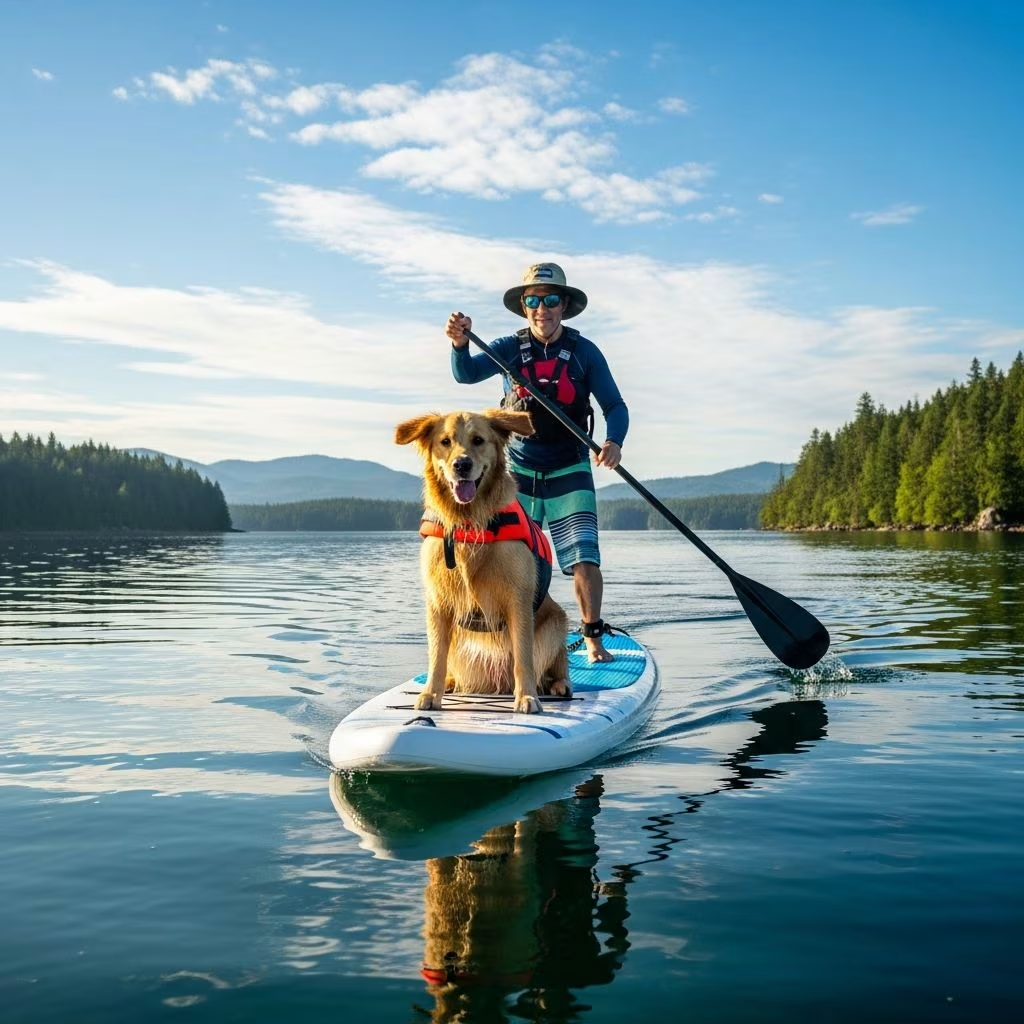
SUP with Your Pup: How to Stand Up Paddle Board With Your Dog
Stand-up paddleboarding (SUP) has become an increasingly popular water activity, and sharing this experience with your canine companion can create unforgettable bonding moments. However, taking your dog on a paddle board requires careful preparation, proper training, and a commitment to safety. Whether your pup is an experienced swimmer or testing the waters for the first time, this comprehensive guide will help you navigate the journey from the shore to open water with confidence and joy.
Why Paddle Board With Your Dog?
Paddleboarding offers an excellent way to combine exercise, outdoor adventure, and quality time with your four-legged friend. Dogs benefit from the physical activity and mental stimulation that comes with new experiences, while you enjoy the tranquility of the water. This shared activity strengthens your bond and allows your dog to explore the world from a unique perspective. Beyond the fun factor, paddleboarding can help burn excess energy in active dogs, promote relaxation, and provide a refreshing change of scenery from traditional walks.
Pre-Paddleboarding Preparation: Getting Your Dog Ready
Assess Your Dog’s Swimming Ability
Before your dog ever touches a paddleboard, ensure they are a confident swimmer. Not all dogs naturally love water, and some breeds are better suited to aquatic activities than others. Spend time at a dog-friendly beach or pool to evaluate your dog’s comfort level in the water. If your dog struggles with swimming or shows fear, consider professional swimming lessons or extensive shallow-water conditioning before attempting paddleboarding.
Master Basic Obedience Commands
Your dog must understand and respond reliably to fundamental commands before boarding a paddleboard. Commands like “sit,” “stay,” “come,” and “down” are essential for maintaining control and ensuring safety on the water. Practice these commands daily in various environments, rewarding your dog with treats and praise. A dog that responds to obedience commands will be significantly safer and more enjoyable to paddle board with, as they’ll follow your instructions even when distracted by water, wildlife, or other paddleboarders.
Groom Your Dog Appropriately
Before your first paddleboarding adventure, trim your dog’s nails and any excess hair between their paw pads. Long nails can scratch the board’s surface and increase slipping risks, while excessive paw hair can trap water and reduce traction. Additionally, ensure your dog’s coat is in good condition, though you may want to consider a professional grooming session before the outing to remove any loose fur that might irritate your dog or cloud the water.
Your Own Paddleboarding Proficiency
This is crucial: don’t attempt paddleboarding with your dog until you’re confident and skilled on a paddleboard alone. You should be comfortable standing up, paddling smoothly, turning effectively, and most importantly, falling and getting back on the board by yourself. Dogs are remarkably perceptive animals and will mirror your stress and anxiety. If you appear nervous or uncertain, your dog will pick up on these cues and may become anxious as well. Your confidence directly translates to your dog’s sense of security on the water.
Essential Gear and Equipment for Dog Paddleboarding
Selecting the Right Paddleboard
Not all paddleboards are suitable for dogs. Consider both your weight and your dog’s weight when selecting a board. The board must have adequate flotation to support both of you comfortably without becoming unstable. Larger dogs on smaller boards create instability and safety hazards. Look for boards with a full deck pad or extended deck pad that provides excellent traction for your dog’s paws. Inflatable boards typically come with extended deck pads and are often more forgiving if your dog’s nails accidentally scratch the surface.
Deck Pad Considerations
A full deck pad is essential because many paddleboards lack sufficient grip for a dog’s paws. Without proper traction, your dog may slide dangerously across the board, especially when the board moves or encounters waves. If your board doesn’t have an adequate deck pad, consider adding one. Options include:
- Additional specialty deck pads designed for SUP
- Non-slip yoga mats secured with suction cups
- Rubber bath mats with suction cups
- Pup Deck traction pads specifically designed for dogs
These additions dramatically improve safety and your dog’s comfort while paddleboarding.
Canine Life Jackets (PFD)
A properly fitted dog life jacket, also called a Personal Flotation Device (PFD) or Pooch Flotation Device, is highly recommended. Even if your dog is an excellent swimmer, the paddleboard introduces an unfamiliar element that could cause disorientation if they fall off. A quality dog life jacket provides buoyancy support, makes your dog more visible in the water, and includes handles that help you lift your dog back onto the board. Before your first paddleboarding trip, put the life jacket on your dog at home and let them wear it for extended periods so they can adjust to the fit and feel.
Additional Safety Equipment
Bring a portable first aid kit on longer paddleboarding sessions. You never know when minor injuries might occur, and having supplies on hand allows you to address issues without rushing back to shore. A quality first aid kit should include bandages, antiseptic, pain relievers suitable for dogs, and any medications your dog regularly takes. Additionally, apply pet-safe sunscreen to exposed areas of your dog’s skin, particularly on the nose, ears, and belly, as dogs can sunburn just like humans.
Training Your Dog for Paddleboarding Success
Introducing the Paddleboard on Dry Land
Start by letting your dog explore the paddleboard while it’s on the ground. Encourage them to sniff it, walk on it, and become comfortable with its surface. Use positive reinforcement with treats and praise. Let your dog hop on and off the board repeatedly until they show confidence and enthusiasm. This low-stakes introduction eliminates fear and builds positive associations with the board.
Gradual Water Introduction
Once your dog is comfortable on the stationary board, move to shallow water. Hold the board still in shallow water and allow your dog to step onto it while you guide them with treats and encouragement. Walk the board through the shallow water so your dog experiences the sensation of being on the board in the water environment. Allow your dog to jump off if they want to—never force them. This self-directed exploration builds confidence and shows your dog they have control over the situation.
Building to Full Paddleboarding
Progress gradually from shallow water to slightly deeper areas. When both you and your dog are ready, get onto the board together. Initially, paddle while on your knees for better balance and stability. This lowered center of gravity makes the board more stable with your dog’s weight on it. Once you’ve mastered paddling from a kneeling position without accidentally hitting your dog with the paddle, you can progress to standing carefully. Small dogs can eventually sit on the nose of the board, while large dogs should position themselves on the back third of the board for optimal weight distribution.
Positive Reinforcement and Short Sessions
Keep your initial outings brief—even fifteen to twenty minutes is sufficient for a first experience. When you return to shore, enthusiastically reward your dog with praise, treats, and play. Don’t stress if the first outing isn’t perfect; paddleboarding is a learning experience for both of you. Your dog will develop confidence through repeated positive experiences, and you’ll become more skilled at managing your pup while on the water.
Safety Guidelines for Paddleboarding With Your Dog
Positioning Your Dog Correctly
Your dog’s position on the board significantly impacts stability and safety. The ideal position is between your legs or slightly behind you in the center of the board. This central positioning allows you to counterbalance sudden movements your dog makes and quickly grab them if needed. Dogs positioned at the front or back of the board create leverage imbalances that reduce stability. With your dog positioned centrally, you can maintain control even if they shift their weight unexpectedly.
Managing the Leash Question
Whether to use a leash while paddleboarding presents a complex decision. Most parks legally require dogs to wear leashes, but a traditional leash can easily tangle with your board leash or hang overboard where it might snag on debris and pull your dog off the board. If you choose to use a leash, attach it to your dog’s life jacket rather than their collar, and consider attaching it to the life jacket’s handle point so you can quickly release your dog if necessary. Ultimately, use your best judgment based on local regulations and water conditions.
Weather and Water Conditions
Never paddle board with your dog in challenging conditions. Avoid outings when it’s windy, wavy, or when strong currents are present. Even if you would normally be comfortable paddleboarding in those conditions alone, your dog’s weight and movements reduce stability, making the board more difficult to control. Your dog’s safety must always be your priority.
Preventing Dehydration
Bring fresh water for both you and your dog. If you’re paddleboarding in the ocean, actively prevent your dog from drinking salt water. Excessive salt water consumption causes dehydration and can lead to serious health issues including salt poisoning. Signs of dehydration or salt poisoning include changes in mood or behavior, excessive panting, or drooling. If you notice these symptoms, return to shore immediately.
Board Safety Position Near Shore
When approaching the shore, dock, or any hazards like boats or other people, transition to the safety position by kneeling on the board. Only stand on the board when in open water, away from potential hazards. Dogs often get excited as they near the shore and may jump unexpectedly, and a standing paddleboarder cannot quickly adjust to these movements. Stay within fifteen feet of shore while in the kneeling position to prepare for sudden dog movements.
Managing Unexpected Jumps
Dogs frequently jump or fall off paddleboards, and this movement can send the board lurching sideways, potentially throwing you into the water as well. When this happens, stay calm and help your dog back onto the board. The handle on your dog’s life jacket makes this significantly easier. If your dog is injured, the first aid kit you brought allows you to provide immediate care. Help your dog back onto the board gently to prevent them from scratching the board’s finish while climbing back on.
Post-Paddleboarding Care
Rinse Your Dog Thoroughly
After paddleboarding, rinse your dog with fresh water to remove salt water, chlorine, or any debris from their coat and skin. This prevents skin irritation and removes substances that might cause gastrointestinal upset if ingested during grooming. Pay special attention to their ears, as water trapped in the ear canal can lead to infections.
Check for Injuries
Examine your dog for any cuts, scrapes, or injuries sustained during paddleboarding. Check their paws for splinters or cuts, their skin for scrapes, and their ears for water damage. Address any minor injuries with your first aid kit, and consult a veterinarian if you notice significant injuries or concerning symptoms.
Monitor for Heat Exhaustion
Paddleboarding combined with sun exposure can lead to heat exhaustion in dogs. Provide water and allow your dog to rest in a cool, shaded area. Watch for signs of overheating including excessive panting, drooling, lethargy, or vomiting. If you suspect heat exhaustion, contact your veterinarian immediately.
Frequently Asked Questions
Q: Can any breed of dog paddleboard?
A: While most dogs can learn to paddleboard, some breeds are naturally better suited for water activities. Breeds with water heritage like Labrador Retrievers, Portuguese Water Dogs, and Newfoundlands typically enjoy paddleboarding more readily. However, with proper training and positive reinforcement, many breeds can successfully learn to paddleboard, including smaller dogs and breeds that aren’t naturally water-loving.
Q: What’s the minimum age for a dog to start paddleboarding?
A: Most experts recommend waiting until puppies are at least 12-18 months old before introducing paddleboarding. This allows sufficient time for basic obedience training, physical development, and swimming ability assessment. Consulting with your veterinarian about your specific dog’s readiness is always advisable.
Q: How long should paddleboarding sessions be for dogs?
A: Initial sessions should be short—15-20 minutes is ideal for beginners. As your dog becomes more confident and conditioned, you can gradually extend sessions to 45 minutes to an hour, depending on your dog’s age, fitness level, and enthusiasm.
Q: Is paddleboarding safe for senior dogs?
A: Senior dogs can paddleboard if they’re in good health and have no joint or mobility issues. However, consult your veterinarian first, as paddleboarding can be strenuous. Senior dogs may need shorter sessions and more frequent breaks. Dogs with hip dysplasia, arthritis, or other joint conditions should avoid paddleboarding or participate only on the veterinarian’s approval.
Q: What should I do if my dog is afraid of water?
A: Don’t force a water-phobic dog into paddleboarding. Instead, gradually expose them to water through positive experiences at shallow beaches or pools. Use treats, toys, and praise to build positive associations. Some dogs may need professional training or may never enjoy water activities, and that’s perfectly acceptable.
Q: Can I paddleboard with multiple dogs?
A: Paddleboarding with multiple dogs is possible, but only with the right board and proper training. You’ll need a larger, more stable board with increased weight capacity. Managing multiple dogs on a board is significantly more challenging, so only attempt this with well-trained dogs and after gaining experience with a single dog.
References
- The Complete Guide To Paddle Boarding With Dogs — Cruiser SUP. Retrieved November 28, 2025. https://www.cruisersup.com/pages/paddle-boarding-with-dogs
- Top 10 Tips for Standup Paddleboarding With Your Dog — Ruffwear. Retrieved November 28, 2025. https://ruffwear.com/blogs/explored/top-10-tips-for-standup-paddleboarding-with-your-dog
- A Guide to SUP with Your Dog — Rex Specs. Retrieved November 28, 2025. https://www.rexspecs.com/blogs/news/a-guide-to-sup-with-your-dog
- Keep Your Dog Safe on the Water with These Paddling Safety Tips — 7 Hills Veterinary Hospital. Retrieved November 28, 2025. https://www.7hillsvet.com/services/dogs/blog/keep-your-dog-safe-water-these-paddling-safety-tips



