

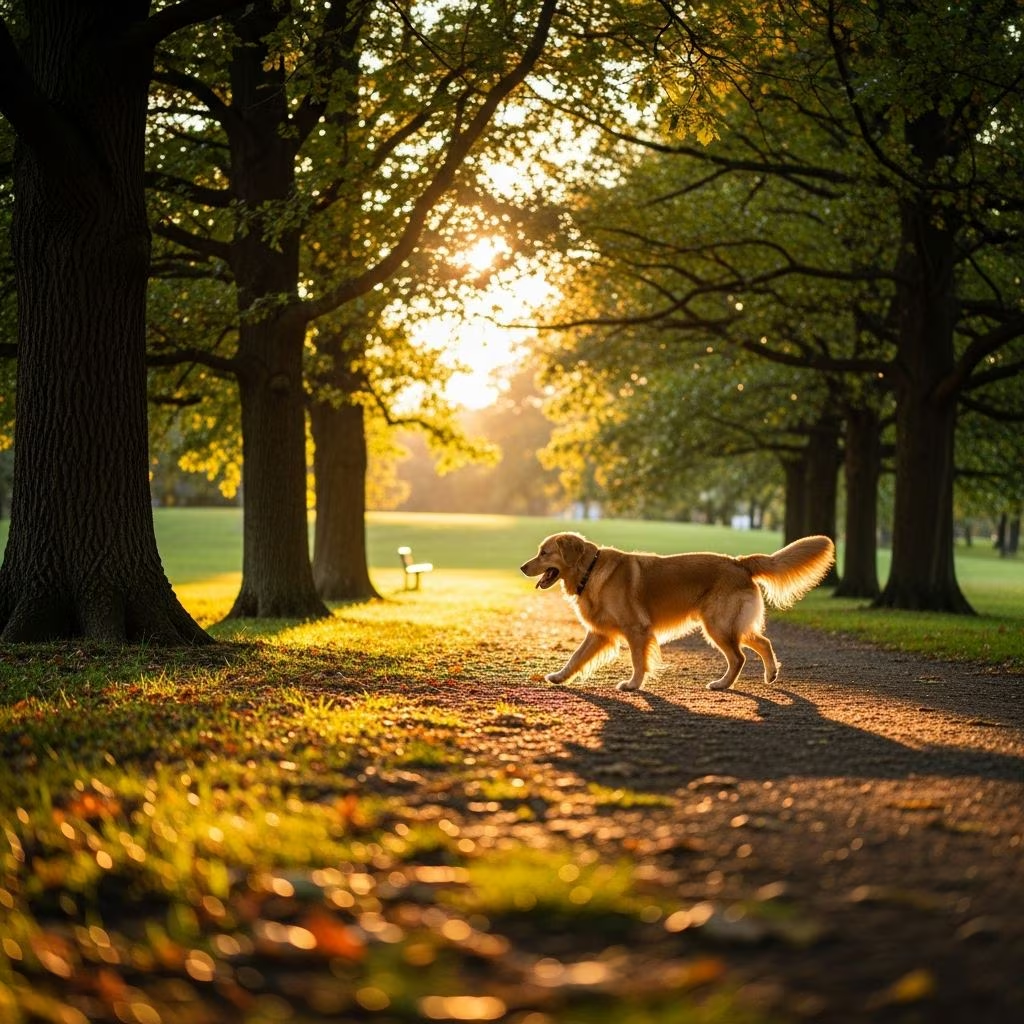
Regular exposure to natural sunlight through outdoor walks provides dogs with essential health advantages that go beyond basic exercise. This practice supports physical recovery, emotional balance, and overall vitality by delivering unfiltered rays that indoor environments cannot replicate.
The Essential Role of Sunlight in Canine Physiology
Sunlight acts as a natural nutrient for dogs, influencing multiple bodily systems. It triggers the synthesis of vitamin D in the skin, which is crucial for calcium absorption and bone strength. Without adequate exposure, dogs may face deficiencies leading to weakened immunity and skeletal problems.
Historically, herbalists like Juliette de Bairacli Levy emphasized sunlight as a core element of animal care, calling it a ‘vital food’ that destroys bacteria and restores energy. Modern veterinary insights align with this, noting that consistent outdoor time mimics ancestral lifestyles where dogs thrived under open skies.
Physical Health Gains from Solar Exposure
Direct sunlight accelerates wound healing by stimulating endorphin production, which alleviates pain and promotes relaxation. Veterinary experts recommend backyard recovery over indoor clinics when possible, as natural light reduces licking behaviors that can worsen injuries.
- Vitamin D Production: UVB rays convert skin compounds into vitamin D, supporting muscle function and preventing rickets-like conditions in pets.
- Immune Boost: Enhanced white blood cell activity fights infections more effectively.
- Bone and Joint Support: Better calcium utilization aids aging dogs with arthritis.
For large breeds, extended sessions of 40 minutes twice daily maximize these effects, while smaller dogs benefit from 20-30 minutes. Even shaded areas provide reflective light benefits, though unfiltered direct rays are optimal.
Mental and Emotional Uplift from Daily Sun Walks
Sunlight profoundly impacts a dog’s brain chemistry by increasing serotonin levels, the neurotransmitter responsible for feelings of well-being. Dogs with regular daylight exposure display reduced anxiety, improved confidence, and heightened playfulness.
| Sign of Sunlight Benefit | Observable Changes |
|---|---|
| Increased Playfulness | More enthusiastic fetch or chase games |
| Calmer Behavior | Less barking or pacing at home |
| Better Appetite | Keener interest in meals |
| Deeper Sleep | Longer, undisturbed rest cycles |
| Walk Enthusiasm | Eager responses to leash cues |
These shifts occur because sunlight regulates the hypothalamus, lowering cortisol stress hormones. Dogs in sunny routines cope better with separations, new environments, and household stressors, fostering emotional resilience.
Optimizing Circadian Rhythms and Sleep Quality
Natural light synchronizes a dog’s internal clock, promoting restorative sleep. Morning walks expose dogs to blue-spectrum light that suppresses melatonin during the day and enhances it at night, leading to fewer disruptions and more energy.
Indoor dogs often suffer disrupted cycles from artificial lighting, resulting in lethargy or hyperactivity. Transitioning to outdoor routines normalizes these patterns, mirroring wild pack behaviors attuned to dawn and dusk.
Practical Strategies for Safe Sunlight Integration
Incorporate sunlight without risking overheating or burns by timing walks between 10 AM and 3 PM when UVB peaks, but monitor for excessive heat. Opt for grassy paths over hot pavement—test by holding your hand down for 10 seconds; if too warm, switch surfaces or use booties.
- Daily Duration: Aim for two 20-40 minute sessions, adjusting for breed size and weather.
- Location Choice: Parks or open fields for maximal exposure; avoid glass barriers that block UV.
- Hydration and Shade: Provide water stations and shaded breaks to let dogs self-regulate.
- Year-Round Consistency: Cloudy days still offer UVB; bundle up in winter for short bursts.
Combine with grounding—letting paws touch earth—and fresh air inhalation for compounded benefits. This holistic approach turns walks into therapeutic rituals.
Recovery and Convalescence in Natural Light
Post-surgery or illness, sunlight serves as a non-pharmacological aid. It elevates mood via endorphins, speeds tissue repair, and counters depression common in confined recoveries. Veterinarians note faster progress in dogs lounging outdoors versus sterile rooms.
For chronic conditions like joint pain, regular exposure reduces inflammation markers and improves mobility. Always consult vets for tailored plans, especially for light-sensitive breeds.
Recognizing Sunlight Deficiency in Your Dog
Watch for lethargy, poor coat quality, irritability, or weakened immunity as indicators of insufficient light. Urban dogs in apartments are particularly vulnerable due to limited access.
- Excessive indoor sleeping despite activity
- Heightened anxiety or aggression
- Soft bones or frequent infections
- Seasonal mood dips in winter
Addressing these through structured sun time often yields rapid improvements, enhancing quality of life holistically.
Balancing Exposure: Avoiding Overdoing It
While beneficial, excess sun risks burns, dehydration, or heatstroke. Fair-coated dogs need monitoring; apply pet-safe sunscreen if sessions exceed 30 minutes. Diet influences tolerance—nutrient-rich foods bolster resilience.
Provide constant shade access, observing your dog’s cues like panting or seeking cover. Balance with evening shaded walks for comprehensive care.
Broader Wellness from Sun-Enhanced Walks
Walks in nature amplify sunlight perks with mental stimulation from scents, sights, and social encounters. This prevents boredom-induced destructiveness and supports weight management.
Dog owners incidentally gain vitamin D boosts, creating mutual health gains. Tools tracking UV indices aid planning optimal routes.
Frequently Asked Questions
How much sunlight does my dog need daily?
20-30 minutes twice daily for most dogs, up to 40 minutes for larger breeds, directly or reflectively.
Can my dog get sunlight benefits through windows?
No, glass filters UVB rays essential for full effects; outdoor exposure is necessary.
Is sunlight helpful for senior dogs?
Yes, it eases joint pain, boosts mood, and supports bone health without strenuous activity.
What if it’s raining or winter?
Short breaks in any light help; use covered areas or brief yard time for consistency.
Does sunlight help anxious dogs?
Absolutely, by elevating serotonin and reducing cortisol for calmer demeanors.
Building a Sunlight Lifestyle for Longevity
Make sunlight a non-negotiable routine, integrating it into feeding, play, and rest cycles. Track progress via behavior journals to refine approaches. This simple shift yields profound, sustained vitality, proving nature’s light as irreplaceable medicine.
References
- Walking in Sunshine — Whole Dog Journal. 2023-05-15. https://www.whole-dog-journal.com/lifestyle/walking-in-sunshine/
- The Vitamin D Advantage of Dog Ownership — Shadowmap.org. 2024-08-20. https://shadowmap.org/learn/the-vitamin-d-advantage-of-dog-ownership-how-your-furry-friend-boosts-your-health
- Sunlight & Mood — How Sunshine Boosts Your Dog’s Happiness — Stamford Dog Trainer. 2024-03-10. https://stamforddogtrainer.com/sunlight-mood-how-sunshine-boosts-your-dogs-happiness/
- Dog Walking: The Health Benefits of Walks with Your Dog — HelpGuide.org. 2023-11-05. https://www.helpguide.org/wellness/pets/health-benefits-of-walks-with-your-dog
- The Benefits of Walking Your Dog — VCA Animal Hospitals. 2024-01-22. https://vcahospitals.com/know-your-pet/the-benefits-of-walking-your-dog



