

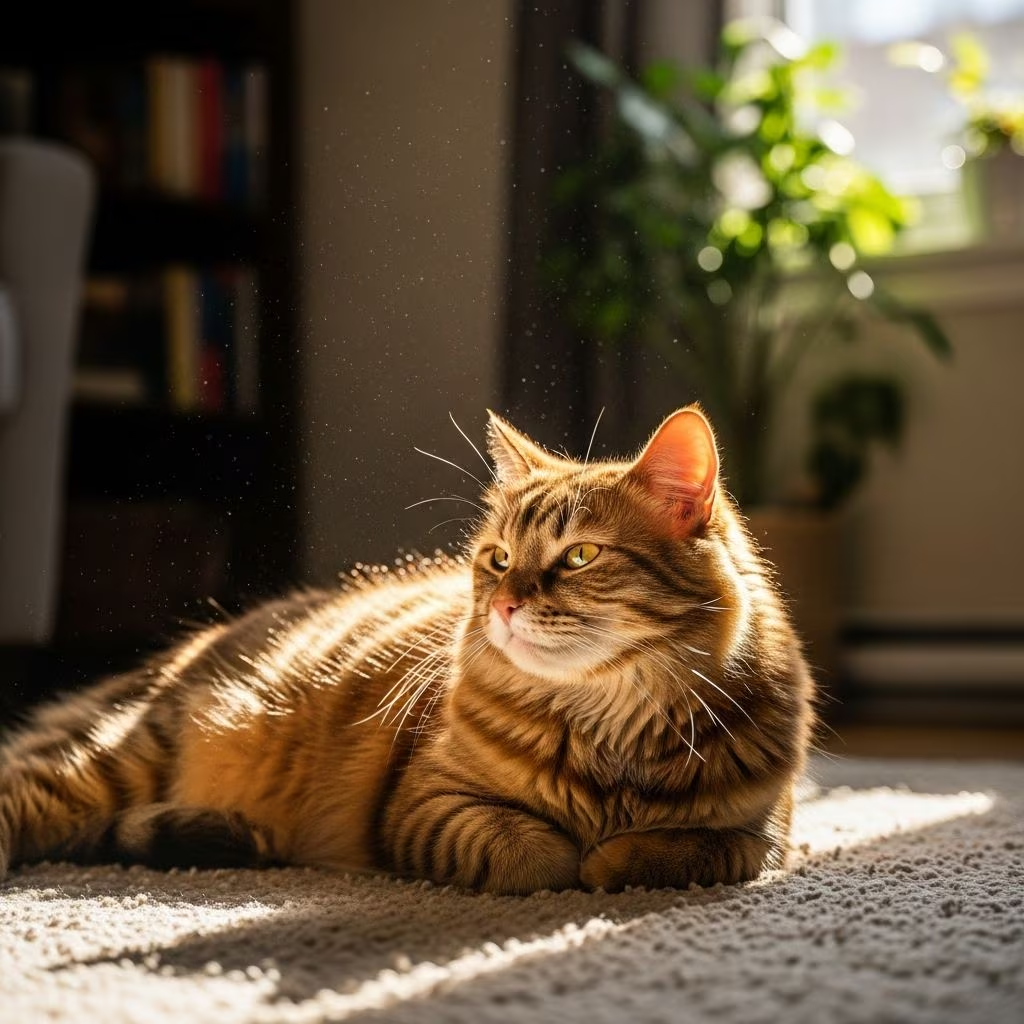
Cats often seek out warm sun patches for lounging, a behavior rooted in their natural instincts rather than a nutritional necessity like vitamin D production. Unlike humans, felines obtain this vital nutrient primarily through diet, making sunlight more about comfort and well-being than survival.
Why Cats Gravitate Toward Sunlight
Feline affinity for sunlight stems from their thermoregulatory needs. Cats maintain a body temperature between 100.5°F and 102.5°F, higher than humans, so sunbeams provide an efficient heat source, mimicking wild environments where they’d bask on rocks or branches. This habit persists in domestic settings, with indoor cats stretching out on windowsills to absorb gentle rays.
Observationally, cats position themselves precisely in sunspots, adjusting as light shifts, indicating a deliberate pursuit of optimal warmth. This isn’t random; it’s an evolutionary trait from ancestors in varied climates who used solar exposure to conserve energy.
Nutritional Realities: Vitamin D and Felines
A common misconception is that cats, like humans, convert UVB rays into vitamin D in their skin. Scientific evidence debunks this: cats’ fur blocks UV penetration, and their skin lacks efficient synthesis mechanisms. Studies show no significant vitamin D increase from UV exposure in cats, unlike in rodents.
Instead, vitamin D—crucial for calcium absorption and bone health—comes from prey in the wild or commercial diets fortified with it. Quality cat foods meet AAFCO standards, ensuring adequate levels without sunlight dependency. Indoor cats face no deficiency risk if fed properly, freeing owners from sun-exposure worries for nutrition.
| Species | Vitamin D Source | Sunlight Role |
|---|---|---|
| Humans | Skin synthesis + diet | Primary producer |
| Cats | Diet (prey/food) | Minimal/none |
| Dogs | Diet + minor grooming oils | Supplementary |
Wellness Advantages of Moderate Sun Exposure
Beyond myths, sunlight offers tangible perks for cats when balanced. It elevates serotonin, fostering contentment and reducing stress, much like in humans. Relaxed cats in sunlit spots exhibit purring, kneading, and slowed breathing, signs of emotional uplift.
- Mood Regulation: Serotonin surge promotes happiness, potentially strengthening immunity indirectly through lower stress.
- Pain Alleviation: Gentle warmth soothes arthritis or muscle aches, improving mobility in seniors.
- Circadian Alignment: Natural light cues regulate sleep-wake cycles, enhancing rest quality.
For indoor-only cats, window-perched sunning suffices, providing these without outdoor risks. Veterinarians note 20-40 minutes daily of direct light (unfiltered by glass) optimizes benefits, though glass-filtered rays still warm effectively.
Potential Dangers of Overexposure
Excessive sun poses serious threats, particularly for light-pigmented or hairless breeds. UV rays penetrate thin-furred areas like ears, noses, and bellies, causing burns manifesting as redness, peeling, or blisters.
Chronic exposure heightens squamous cell carcinoma risk, a aggressive skin cancer prevalent in white cats’ ear tips. Overheating leads to panting, lethargy, or heatstroke, exacerbated by dehydration in warm weather. Indoor overheating is rarer but possible near heat-trapping windows.
| Risk Factor | Affected Cats | Symptoms | Prevention |
|---|---|---|---|
| Sunburn | White/light-coated | Redness, swelling | Sunscreen, shade |
| Skin Cancer | Ear/nose exposed | Ulcers, scabs | Limit time |
| Overheating | Brachycephalic breeds | Panting, drooling | Water access |
Optimizing Safe Solar Access at Home
Create a sun-smart environment indoors with perches near south-facing windows for peak light. Add sheer curtains to diffuse intensity, preventing hot spots. Elevated cat trees or hammocks position felines ideally without floor heat buildup.
Outdoors, enclose safe spaces like screened porches or catios, blending sun and shade. Multiple water stations encourage hydration; frozen treats add fun cooling. Fans or AC maintain ambient temps below 80°F during peak hours.
- Install UV-permeable screens on windows for full benefits without escape risks.
- Rotate toys to sunny areas, merging play with basking.
- Monitor for 10-15 minute sessions initially, extending as tolerance builds.
Protective Measures for Vulnerable Cats
Light or hairless cats benefit from vet-approved sunscreens (zinc-free, non-toxic if licked). Apply to pink noses and ear edges before extended exposure. Custom shirts or hats shield torsos, though acceptance varies.
For seniors or obese cats prone to overheating, time sessions for mornings or late afternoons when UV index is lower. Apps tracking solar intensity guide optimal windows. Regular vet checks catch early skin changes.
Seasonal and Lifestyle Adjustments
In winter, artificial full-spectrum lights mimic sunlight, boosting mood sans UV risks—position near bedding, 12 hours daily. Summer demands vigilance; clip fur lightly on light cats to reduce heat but retain protection.
Indoor lifestyles dominate, with 80% of cats never venturing out. These felines thrive via windowsill access, negating outdoor needs while harvesting benefits. Multi-cat homes benefit from varied spots, reducing competition.
Common Queries on Feline Sun Habits
Is window sunlight enough for my indoor cat?
Yes, it provides warmth and mood perks; glass blocks UVB but suffices since vitamin D is dietary.
Can sunbathing prevent health issues?
It aids relaxation and minor pain relief but doesn’t replace diet or vet care for deficiencies.
How much sun is ideal daily?
20-40 minutes of direct light balances benefits and risks, adjustable by cat preference.
What if my cat avoids the sun?
Not concerning; ensure diet quality and observe for lethargy signaling other issues.
Are there sun lamps safe for cats?
Full-spectrum bulbs aid mood in low-light seasons; avoid high-UV models without vet advice.
Integrating sunlight thoughtfully enhances cat vitality. Prioritize balance: ample diet, shaded options, and monitoring ensure sunbeams remain a joy, not jeopardy.
References
- Do Cats Need Sunlight? Understanding Cat Sunbathing and Its Effects — Welltayl. 2023. https://welltayl.com/blogs/news/do-cats-need-sunlight
- The Sunlight Vitamin — Fetching Foods. 2023. https://fetchingfoods.com/the-sunlight-vitamin/
- Indoor cats and vitamin D — Worms & Germs Blog (University of Guelph). 2008-05-28. https://www.wormsandgermsblog.com/2008/05/articles/animals/cats/indoor-cats-and-vitamin-d/
- Does your dog or cat like to lounge in the sun? Here’s why — NutriSource Pet Foods. 2023. https://nutrisourcepetfoods.com/blog/pet-parents/does-your-dog-or-cat-like-to-lounge-in-the-sun-heres-why/
- All About Vitamin D for Cats — Cats.com. 2023. https://cats.com/vitamin-d-for-cats



