Sundowners Syndrome in Dogs
Understand the causes, signs, and management strategies for sundowners syndrome in senior dogs to improve their quality of life.
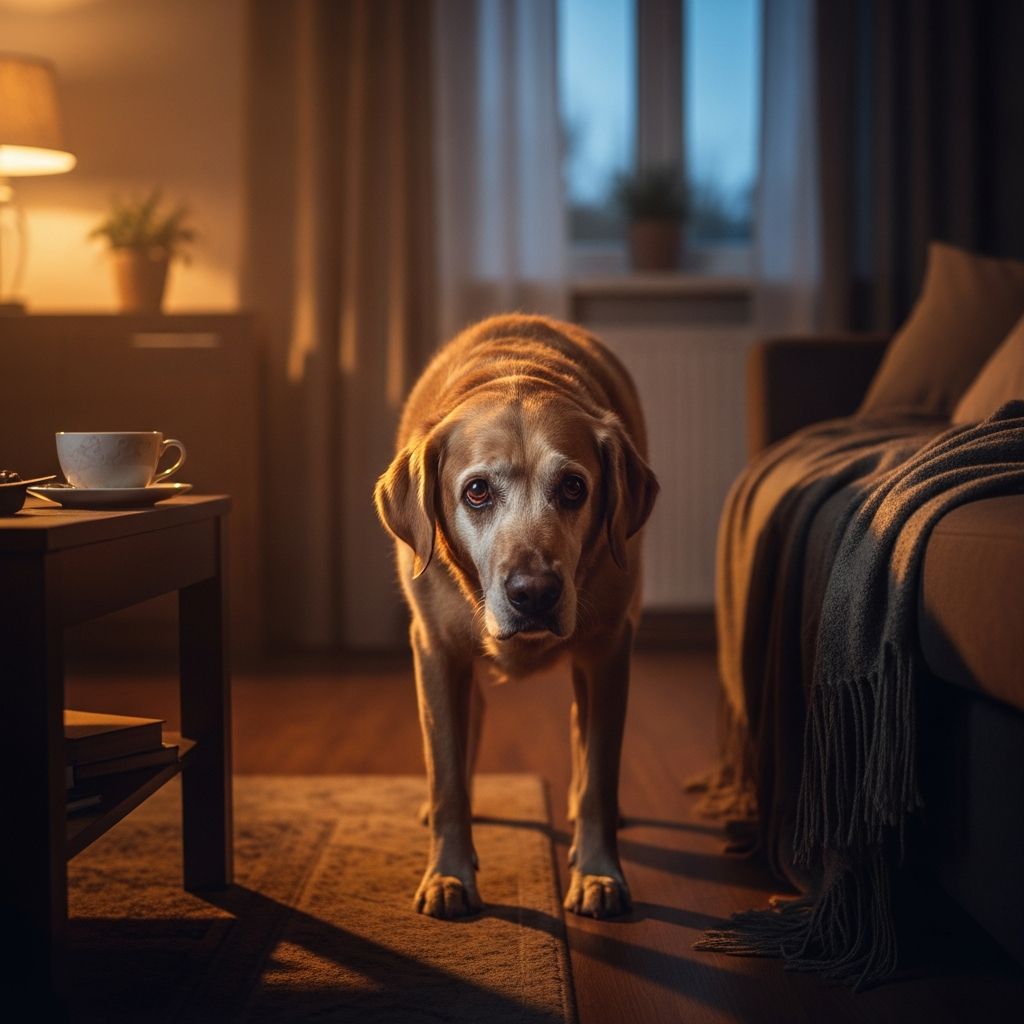
Sundowners Syndrome in Dogs: A Guide for Pet Owners
Sundowners syndrome in dogs refers to a pattern of behavioral changes that intensify in the late afternoon and evening, often linked to age-related cognitive decline known as canine cognitive dysfunction (CCD).
Defining Canine Sundowners Syndrome
This condition, sometimes called sundowning, is not a standalone illness but a manifestation of CCD, resembling dementia in humans. It involves disruptions in a dog’s mental processes, particularly noticeable as daylight fades. Older dogs may exhibit heightened confusion, restlessness, and altered sleep patterns during these hours.
CCD affects a significant portion of senior dogs. Studies show that 28% of dogs aged 11-12 years, 48% of 14-year-olds, and up to 68% of 16-year-olds display some cognitive impairment. As veterinary care extends canine lifespans, recognizing and addressing this syndrome becomes crucial for maintaining pet well-being.
Root Causes of Sundowners in Canine Seniors
The precise origins remain unclear, but experts attribute sundowners to neurodegenerative processes similar to Alzheimer’s in humans. Beta-amyloid proteins accumulate in brain tissue, forming plaques that trigger inflammation and neuron loss.
These changes disrupt the circadian rhythm, regulated by melatonin from the pineal gland. Reduced light cues impair hormone release, leading to irregular sleep-wake cycles. Additional contributors include:
- Diminished sensory input from vision or hearing loss.
- Pain from conditions like arthritis or organ failure, exacerbating anxiety.
- Oxidative damage to brain cells from poor circulation and oxygen metabolism.
Concurrent health issues, such as congestive heart failure or kidney disease, can reduce brain blood flow, accelerating cognitive decline.
Recognizing the Signs of Sundowners
Symptoms align with the DISHAAAL acronym, a veterinary tool for identifying CCD:
- Disorientation: Dogs get lost in familiar spaces, stare blankly, or become trapped in corners.
- Interaction changes: Reduced social engagement or sudden clinginess.
- Sleep disturbances: Daytime drowsiness followed by nighttime pacing and vocalization.
- Housesoiling: Incontinence or forgetting potty training.
- Activity alterations: Less play, more repetitive behaviors like circling.
- Anxiety: Fear of familiar objects, trembling, or reactivity to noises.
- Learning/memory loss: Forgetting commands or routines.
Owners often first notice pacing, whining, or irritability at dusk. Deep daytime sleep and nocturnal wakefulness disrupt household routines.
| Symptom Category | Common Examples | Timing |
|---|---|---|
| Behavioral | Pacing, barking, licking excessively | Evening/night |
| Cognitive | Staring, getting stuck, forgetting meals | All day, worsens later |
| Physical | Housesoiling, sleep reversal | Variable |
When to Consult a Veterinarian
Early detection is vital. If your dog shows multiple DISHAAAL signs, schedule a vet visit to rule out treatable conditions like pain, infections, or thyroid issues. Vets use history, physical exams, and questionnaires to diagnose CCD, sometimes employing MRI or blood tests for confirmation.
Differentiating sundowners from normal aging is key; persistent changes warrant professional evaluation.
Management Strategies for Affected Dogs
Treatment focuses on slowing progression, alleviating symptoms, and enhancing quality of life. No cure exists, but multimodal approaches help.
Medications and Supplements
Vets may prescribe:
- Antioxidants like SAMe or vitamin E to combat oxidative stress.
- Selegiline (Anipryl), FDA-approved for CCD, to boost brain neurotransmitters.
- Melatonin supplements to regulate sleep cycles.
Environmental Modifications
Create a supportive home:
- Maintain consistent daily routines for meals and walks.
- Dim lights gradually in evenings to mimic natural cycles.
- Use nightlights to aid navigation and reduce collisions.
- Provide comfortable bedding in quiet areas.
Enrich the environment with puzzle toys to stimulate cognition without overwhelming.
Diet and Exercise
Switch to senior formulas rich in omega-3 fatty acids, antioxidants, and medium-chain triglycerides (MCTs) to support brain health. Daily gentle exercise, like short leashed walks, preserves mobility and mental sharpness.
Behavioral Interventions
Calming techniques include pheromone diffusers, anxiety wraps, or CBD under vet guidance. Positive reinforcement retrains lost skills patiently.
Long-Term Prognosis and Caregiver Support
CCD progresses gradually; early intervention can stabilize symptoms for months to years. Monitor with regular vet check-ups and adjust plans as needed.
Caregivers face sleep deprivation and emotional strain. Prioritize self-care, seek support groups, and consider respite options. Quality of life assessments guide decisions on continuing care.
FAQs
What age do dogs typically develop sundowners?
Usually after 10-12 years, with prevalence rising sharply in dogs over 14.
Can diet reverse sundowners symptoms?
Special diets may slow progression but not reverse damage; combine with other therapies.
Is sundowners fatal?
Not directly, but it signals advanced aging; euthanasia may be considered for severe cases affecting welfare.
How do I help my dog sleep through the night?
Establish routines, use melatonin, ensure daytime activity, and create a dark, quiet sleep space.
Can younger dogs get sundowners?
Rarely; it’s primarily a senior condition, but rule out other causes in younger pets.
References
- Sundowners In Dogs: A Comprehensive Guide — Kingsdale Animal Hospital. 2023. https://www.kingsdale.com/sundowners-in-dogs-a-comprehensive-guide
- Sundowners in Dogs: A Veterinarian’s Guide — ToeGrips. 2023. https://toegrips.com/sundowners-in-dogs/
- Sundowners in Dogs — Whole Dog Journal. 2023. https://www.whole-dog-journal.com/care/sundowners-in-dogs/
- How to Help Your Dog with Sundowners Syndrome — SeniorAdvisor. 2017-03-01. https://www.senioradvisor.com/blog/2017/03/how-to-help-your-dog-with-sundowners-syndrome/
- Dog Dementia: Signs, Symptoms, Treatments — American Kennel Club. 2023. https://www.akc.org/expert-advice/health/dog-dementia/
- Cognitive dysfunction syndrome — Cornell University College of Veterinary Medicine. 2023. https://www.vet.cornell.edu/departments-centers-and-institutes/riney-canine-health-center/canine-health-topics/cognitive-dysfunction-syndrome
Similar Articles






Read full bio of Sneha Tete