

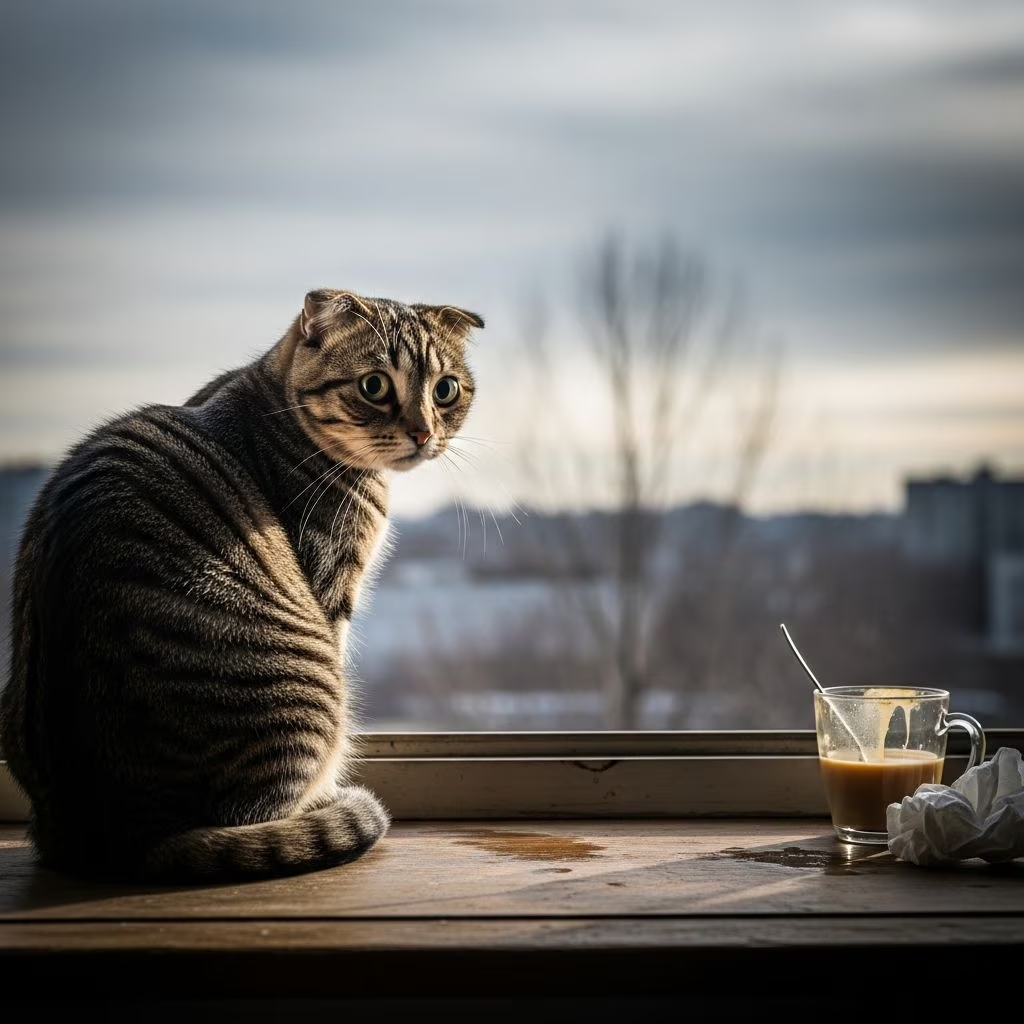
Understanding Sunday Scaries in Cats: A Complete Guide to Feline Anxiety
Just like humans, cats can experience anxiety and stress, and one common phenomenon pet owners notice is their feline companions displaying unusual behavior on Sunday mornings or evenings. This pattern, often referred to as “Sunday scaries,” reflects the anxiety cats can develop in response to routine changes and environmental shifts. Understanding what triggers these episodes and how to recognize them is essential for providing your cat with the emotional support and care they need to thrive.
Sunday scaries in cats typically stem from the anticipation of routine changes that happen at the beginning of the work week. When family members prepare to return to work or school after a weekend at home, cats may sense the shift in energy and schedule. Since cats are creatures of habit and thrive on predictability, these disruptions can trigger stress responses that manifest as behavioral changes, physical symptoms, or withdrawal.
What Are Sunday Scaries for Cats?
Sunday scaries refer to the anxiety and behavioral changes cats experience as their human family members prepare for the week ahead. This phenomenon is rooted in the cat’s natural sensitivity to routine and environmental changes. When you’ve spent the weekend at home with your cat, providing extra attention, playtime, and interaction, your feline friend becomes accustomed to your constant presence. As Sunday evening approaches and the household prepares for the work week, your cat may sense the shift and develop anticipatory anxiety about the upcoming separation.
The concept of Sunday scaries isn’t limited to cats alone, but feline pets are particularly susceptible because they form strong attachment bonds with their owners and depend on consistent routines for emotional security. The sudden transition from weekend companionship to weekday solitude can create stress that manifests in various ways.
Recognizing the Signs of Sunday Scaries in Your Cat
Identifying that your cat is experiencing Sunday scaries requires awareness of the behavioral and physical changes that typically occur. Cats express stress differently than dogs or humans, so understanding these subtle signals is crucial for early intervention.
Behavioral Changes
One of the most noticeable signs of cat anxiety is a shift in behavior. Your normally affectionate cat might become clingy and demanding of attention as Sunday progresses, or conversely, they may withdraw and hide. Excessive vocalization is another common indicator—your cat may meow, yowl, or “talk” more than usual as they attempt to communicate their anxiety. Some cats display aggression toward their owners or other household pets, hissing and swatting when touched or approached.
Changes in eating patterns often serve as an early warning sign. Your cat might eat more quickly, as if worried about interruptions, or become pickier about food and show decreased appetite. Destructive behavior, such as inappropriate scratching, knocking items off surfaces, or engaging in unusual play aggression, can also indicate your cat is experiencing stress related to anticipated changes.
Physical Manifestations
Stress in cats frequently shows up physically. Digestive upset, excessive shedding, vomiting, or diarrhea are common stress responses. Your cat may engage in excessive grooming, particularly around the face and paws, or conversely, show decreased grooming in severely stressed cats. You might notice changes in sleep patterns, with your cat sleeping more during active daytime hours or becoming restless at night.
Litter box issues are particularly important to monitor. Stress can cause cats to avoid using the litter box or eliminate outside of it, as anxiety triggers urinary tract sensitivity and creates negative associations with the box. Additionally, your cat may display lethargy, become less playful than usual, or show signs of discomfort despite no apparent physical illness.
Body Language Signals
Your cat’s body language provides clear indicators of stress and anxiety. Watch for a stiff and alert body posture, freezing or looking away, and tense facial muscles with twitching whiskers. Dilated pupils with wide eyes, puffed-up fur and tail (piloerection), and ears pinned back or to the side are classic stress indicators. Your cat may also avoid eye contact with you and hold their tail close to their body, frequently flicking it.
Understanding the Root Causes of Sunday Scaries
To effectively address your cat’s Sunday scaries, it’s important to understand the underlying causes that trigger this anxiety.
Routine Changes and Environmental Shifts
Cats thrive on predictable routines and are highly sensitive to changes in their environment. The primary cause of Sunday scaries is the anticipated shift in your household routine. When you’re home during the weekend, your cat enjoys consistent playtime, feeding schedules, and interaction. As Sunday approaches and family members prepare to return to work or school, the household energy changes. Your cat picks up on these cues—different morning routines, reduced attention, altered feeding times—and anticipates the separation that will occur.
Sensory Overload and Social Pressure
Weekend changes extend beyond schedule shifts. When family members are home more during weekends, cats experience increased social pressure. Children may want to play more frequently, guests may try to interact, and the general activity level increases. Cats who are accustomed to quiet alone time during work hours suddenly find themselves in a more social environment. The combination of these factors creates what veterinary behaviorists call “stressor stacking”—when multiple mild stressors combine to create an overwhelming experience.
Underlying Health Issues
While routine changes are the primary cause of Sunday scaries, it’s important to rule out underlying health conditions. Pain from arthritis or dental problems can contribute to cat anxiety, making your pet more irritable or withdrawn. Illnesses can also cause sudden fearfulness, with cats potentially experiencing a rise in anxiety due to pain or illness symptoms. If your cat shows persistent signs of stress, a veterinary visit is essential to diagnose and address any medical issues.
Anxiety and Stress Sensitivity
Some cats are naturally more prone to anxiety due to genetics or past negative experiences. Chronic anxiety in cats is more common than many owners realize, and cats with anxious dispositions may be more susceptible to Sunday scaries. Additionally, lack of environmental enrichment and insufficient physical and mental stimulation can exacerbate stress responses. Indoor cats without adequate toys, scratching posts, or interactive play may develop heightened anxiety about routine disruptions.
Managing Your Cat’s Sunday Scaries: Practical Solutions
Fortunately, there are several effective strategies you can implement to help your cat manage Sunday scaries and reduce their anxiety.
Maintain Consistent Routines
The most effective long-term strategy is maintaining consistent routines throughout the week, even on weekends. Feed your cat at the same times, schedule playtime consistently, and try to keep your presence level as stable as possible. This consistency helps your cat feel more secure and reduces the shock of routine changes. Even if you have flexibility in your schedule, creating predictable patterns signals to your cat that their world remains stable.
Provide Environmental Enrichment
Ensure your cat has plenty of mental and physical stimulation throughout the day. Interactive toys, puzzle feeders, scratching posts, climbing trees, and window perches for bird watching provide engagement and distraction. During the weekend, don’t over-engage with your cat to the point where they become dependent on constant interaction. Instead, encourage independent play and exploration, which helps your cat develop resilience and reduces separation anxiety.
Create a Comfortable Safe Space
Designate a safe, comfortable area where your cat can retreat when feeling anxious. This space should include their bed, favorite toys, and access to natural light if possible. Many cats find comfort in predictable hiding spots and safe zones where they can decompress. Ensure this space is accessible during your work week so your cat has a refuge when experiencing Sunday scaries or separation anxiety.
Implement Gradual Transition Protocols
On Sunday afternoons, begin gradually reducing your interaction levels to mirror your typical weekday presence. This softer transition helps your cat adjust to the upcoming change more smoothly. Similarly, when you arrive home on weekdays, maintain calm greetings rather than explosive reunions that create dramatic energy shifts your cat learns to anticipate and dread.
Use Calming Aids and Supplements
Consider discussing calming supplements, pheromone diffusers, or other anxiety-reducing products with your veterinarian. Feline pheromone sprays and diffusers can help create a more calming environment, while certain supplements may support your cat’s emotional well-being during stressful periods.
When to Seek Veterinary Help
If your cat’s Sunday scaries seem severe or persistent, or if you notice additional symptoms like consistent vomiting, diarrhea, or complete loss of appetite, consult your veterinarian. Chronic anxiety in cats can lead to medical complications, including stress-related urinary tract infections (UTI) and upper respiratory infections (URI). Your vet can rule out underlying health conditions, assess whether your cat might benefit from anti-anxiety medication, and develop a comprehensive treatment plan tailored to your cat’s specific needs.
Special Considerations: Feline Hyperesthesia Syndrome
While most Sunday scaries involve behavioral anxiety, it’s worth noting that some cats experience more complex conditions. Feline hyperesthesia syndrome (FHS) is a rare but perplexing condition causing sudden, erratic episodes of skin twitching, excessive grooming, and aggressive behavior. While the exact cause remains unknown, experts believe it may be linked to neurological or psychological factors, including stress and anxiety. If your cat displays extreme twitching, excessive meowing, drooling, tail chasing, or self-biting during stressful periods, mention these symptoms to your veterinarian.
Understanding Your Cat’s Fear and Anxiety Response
When cats feel threatened by changes or stressed situations, they typically respond in three ways to the perceived threat: fight, flee, or freeze. Understanding this response helps you recognize your cat’s Sunday scaries through this lens. Your cat may “fight” by showing aggression, “flee” by hiding or attempting to escape, or “freeze” by becoming immobilized and withdrawn. None of these responses indicates behavioral problems; rather, they represent your cat’s natural coping mechanisms when experiencing anxiety.
Building Resilience and Long-Term Wellness
The goal of managing Sunday scaries isn’t just addressing immediate symptoms but building your cat’s long-term emotional resilience. Gradually expose your cat to controlled changes, maintain predictable routines, provide consistent enrichment, and ensure regular veterinary check-ups. By understanding your cat’s needs and creating an environment that supports their emotional well-being, you can significantly reduce or eliminate Sunday scaries and help your feline companion thrive.
Frequently Asked Questions About Cat Sunday Scaries
Q: How can I tell if my cat has Sunday scaries versus a medical problem?
A: Sunday scaries typically follow a pattern related to routine changes and are most noticeable on weekends or before schedule changes. Medical problems generally persist regardless of day or routine. However, stress can trigger or worsen medical conditions, so if symptoms persist beyond Sunday, consult your veterinarian to rule out health issues.
Q: Is it normal for cats to experience separation anxiety?
A: Yes, cats can develop separation anxiety, which is closely related to Sunday scaries. Some cats form strong attachment bonds and become anxious when their owners leave. This is a normal but manageable condition with proper environmental management and, in some cases, behavioral support or medication.
Q: Can changing my work schedule help with my cat’s Sunday scaries?
A: Yes, maintaining more consistent schedules throughout the week can significantly reduce Sunday scaries. Even if you cannot maintain perfect consistency, predictable patterns help your cat feel more secure. Working with your cat’s natural rhythms rather than against them is beneficial.
Q: What’s the difference between normal stress and clinical anxiety in cats?
A: Normal stress is a temporary response to specific triggers and typically resolves when the stressor is removed. Clinical anxiety is persistent, often manifests even without obvious triggers, and may require veterinary intervention including medication or behavioral therapy. If your cat’s symptoms are severe or chronic, professional help is warranted.
Q: Should I avoid leaving my cat alone if they have Sunday scaries?
A: No, avoiding separation would actually reinforce anxiety and worsen the condition. Instead, gradually acclimate your cat to alone time while ensuring they have enrichment, safe spaces, and a predictable routine. Building independence helps them develop resilience.
References
- Why is My Cat Scared of Everything? — MVA Vets. Accessed November 28, 2025. https://mvavets.com/blog/why-is-my-cat-scared-of-everything/
- 10 Signs Your Cat Is Stressed — Willis Vet. Accessed November 28, 2025. https://www.willisvet.com/blog/10-signs-your-cat-is-stressed
- Feline Hyperesthesia Syndrome: Causes and Treatment Options — Arch Creek Animal Clinic. Accessed November 28, 2025. https://archcreekanimalclinic.com/feline-hyperesthesia-syndrome/
- Feline Summer Stress: Signs, Causes, and Solutions — Catonsville Cat Clinic. Accessed November 28, 2025. https://www.catonsvillecatclinic.com/holmes-corner/feline-summer-stress-signs-causes/
- Shy and Fearful Cats: The Complete Guide — San Diego Humane Society. Accessed November 28, 2025. https://sdhumane.org/resources/shy-and-fearful-cats-complete/
- 5 Common Causes of Anxiety in Cats and How to Address Them — Amigo Animal Hospital. Accessed November 28, 2025. https://www.amigoanimalhospital.com/blog/1313955-5-common-causes-of-anxiety-in-cats-and-how-to-address-them_2
- Spotting Signs of Cat Stress – How to Care — Cats Protection. Accessed November 28, 2025. https://www.cats.org.uk/help-and-advice/health/cat-stress



