

7 Interesting Facts About Sun Conures
Sun conures are among the most captivating and vibrant pet birds available today. Known for their striking golden and orange plumage, these medium-sized parrots have become increasingly popular among bird enthusiasts and pet owners. However, owning a sun conure comes with unique responsibilities and considerations. Understanding these birds through key facts can help potential owners make informed decisions and current owners provide better care. Here are seven interesting facts about sun conures that showcase why they remain beloved companions in households across the world.
1. Sun Conures Are Masters of Bird Body Language
One of the most fascinating aspects of sun conures is their expressive nature and their ability to communicate through body language. While they may not be the most accomplished talkers among parrot species, sun conures compensate with remarkable expressiveness through physical communication. These birds are highly social creatures that have evolved sophisticated ways of conveying their emotions and intentions to both their flock members in the wild and their human companions in captivity.
Sun conure parents quickly learn to read the subtle and not-so-subtle signals their birds display. Whether they are displaying contentment, excitement, fear, or frustration, sun conures wear their feelings on their feathers, so to speak. Their body language includes tail movements, head tilts, eye position changes, and feather fluffing. These visual cues are far more developed and reliable than their limited vocal vocabulary, making them more affectionate and emotionally intuitive than many bird species known for their talking abilities. Understanding this bird body language is essential for creating a harmonious relationship with your sun conure.
2. Sun Conures Are Active, Social Birds
Sun conures are inherently social creatures that require substantial daily interaction and engagement. In their natural habitat, these birds live in flocks of dozens of individuals, working together to rest, feed each other, bathe, and maintain their plumage. This deeply ingrained social nature means that pet sun conures need regular companionship and mental stimulation to thrive. They are not birds that can be left alone for extended periods without consequence.
When kept as single pets, sun conures typically form intense bonds with one particular human family member. They usually prefer spending most of their time with their human companions, making them exceptionally interactive and engaging pets. However, this preference for social contact also means they demand considerable time and attention from their owners. These birds require daily out-of-cage exercise and playtime in addition to regular social interaction. A sun conure that is left alone without sufficient engagement may develop behavioral problems, with excessive screaming being one of the most common issues.
The playful dispositions of sun conures mean they thrive on activities and mental enrichment. They enjoy games, exploration, and interactive play with their owners. Providing adequate social interaction is not just a luxury but a necessity for maintaining the physical and psychological health of these birds.
3. Sun Conures Need Specific Toys for Mental Stimulation
Sun conures rank among the more intelligent bird species, and this intelligence manifests in their need for appropriate toys and enrichment activities. These birds demonstrate excellent problem-solving skills and quickly master challenge-type toys that might take other birds much longer to figure out. Additionally, sun conures have a significant inclination toward chewing and destructive behavior, which is completely natural for their species but must be channeled appropriately.
Providing suitable toys is absolutely essential for sun conure welfare. A lack of mental stimulation can lead to anxiety and boredom, which frequently results in self-harming behaviors such as feather plucking or destructive behaviors like screaming and aggressive tendencies. The right toy selection should include:
- Chewing toys made from safe, natural materials like wood and untreated paper
- Puzzle toys and foraging toys that engage their problem-solving abilities
- Rotating toys regularly to maintain novelty and interest
- Toys that allow for natural behaviors like climbing and shredding
- Interactive toys that can be used with their human companions
Owners should rotate toys regularly to prevent boredom and keep their sun conures mentally engaged. This commitment to enrichment is a key aspect of responsible sun conure ownership.
4. Baby Sun Conures Are Green
One of the most remarkable transformations in the avian world occurs as sun conures mature. When these birds are young, they bear little resemblance to the stunning orange and golden adults they will become. Baby sun conures are predominantly green during their early months of life, making them appear quite different from adult birds.
This color transformation is a gradual process that unfolds over approximately two years. When sun conures reach between six and eight months of age, they begin to molt, shedding their juvenile feathers and growing new adult plumage. This first molt introduces more color to their appearance, but the transformation is far from complete. With each subsequent molt throughout their development, the birds become increasingly colorful until they finally achieve their full adult coloration.
The complete color development typically occurs sometime between eighteen months and two years of age. By this point, the birds display the characteristic brilliant golden yellow body with orange tinges on their face and abdomen that make sun conures so visually striking. Understanding this color progression is important for new sun conure owners, as they may initially be uncertain whether their green baby has the genetic potential to develop the proper adult coloring. Rest assured that this transformation occurs naturally in healthy birds with proper diet and care.
5. Sun Conures Are Highly Vocal and Loud
Perhaps one of the most important facts prospective sun conure owners need to understand is that these birds are extremely vocal and can be quite loud. In their natural habitat, sun conures are especially vocal when flying, as they call loudly to maintain contact with flock members while searching for food through the trees. Their calls are so high-pitched and loud that they can be heard for miles away in the wild.
The sun conure’s vocalizations have been described as a grating, shrill screech that is repeated three to six times in succession. This piercing quality of their voice, combined with the intensity and frequency of their calls, makes them considerably louder than many people initially anticipate. While sitting on a perch, sun conures also produce quieter wheezing and chuckling noises. Interestingly, these birds tend to be unusually quiet when eating, making feeding time a relatively peaceful period.
Many people have adopted sun conures attracted by their beautiful colors, only to rehome the birds because they could not adapt to the constant loud vocalizations. It is crucial that prospective owners carefully consider whether their living situation and lifestyle are compatible with a highly vocal bird before making the commitment to adopt a sun conure.
6. Sun Conures Develop Strong Pair Bonds
In their natural habitat, sun conures are notably social birds that live in large flocks. Remarkably, individual birds within these flocks choose a specific partner when they are around four or five months old and mate for life. This monogamous pairing reflects a deep level of social bonding and commitment that distinguishes sun conures from many other parrot species.
When kept as single pets, sun conures transfer this bonding instinct to a human family member, typically forming an exceptionally close relationship with one person. This person may become the bird’s preferred companion, and the bird may show reluctance to interact with other family members or visitors. Understanding this tendency is important for multi-person households, as it can influence social dynamics and handling preferences within the family. Some owners find this exclusive bonding charming, while others prefer birds with more distributed social interest.
7. Sun Conures Have Distinct Physical Characteristics
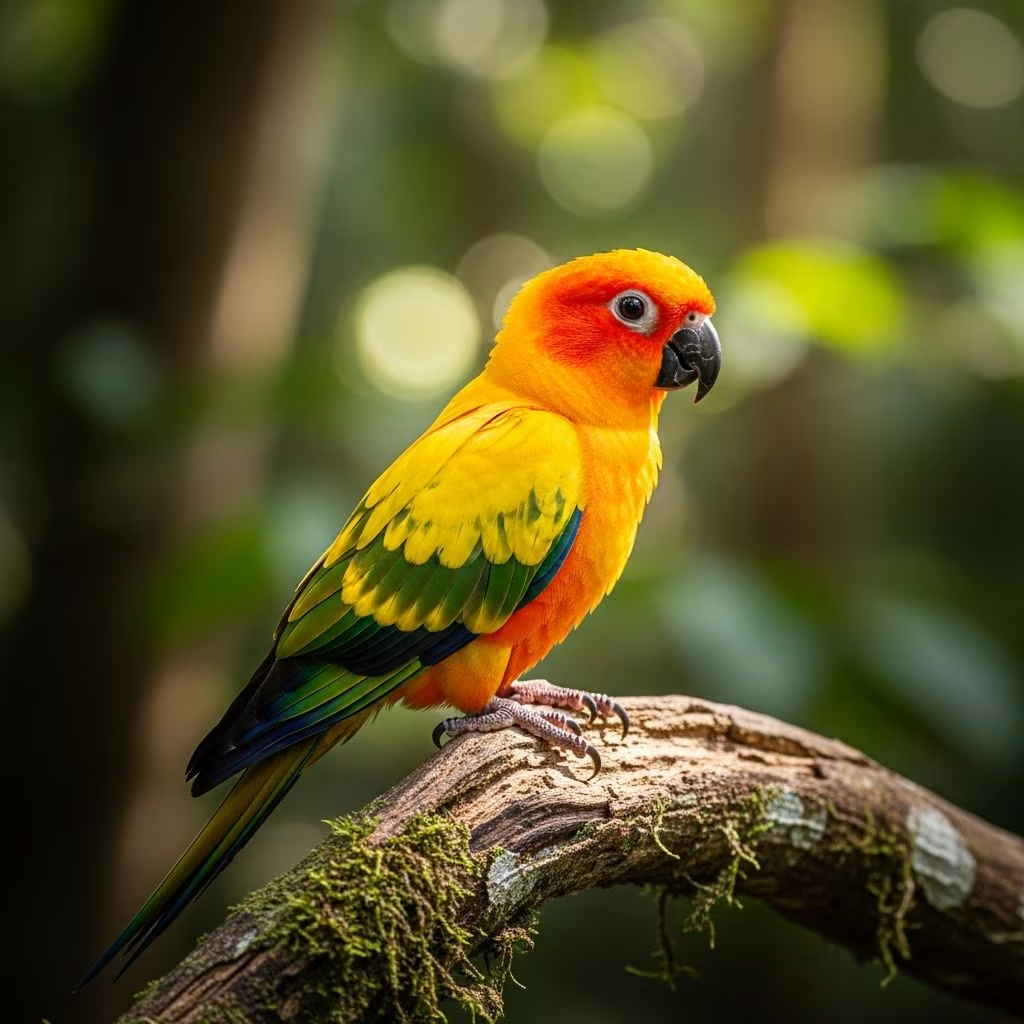
Sun conures possess several distinctive physical features that make them easily recognizable among parrot species. Adult sun conures average approximately 11.8 to 12 inches in length, making them medium-sized birds within the parrot family. They weigh between 3.5 and 4.5 ounces, with a wingspan of around 6 inches, making them compact enough for apartment living but substantial enough to have presence and personality.
The most striking feature of adult sun conures is their brilliant plumage. Their body and the top half of their wings are a golden yellow, with deep orange tinges concentrated on their face and abdomen. The bottom half of their wings display bright green feathers when they are perched, and blue feathers become visible when they fly, creating a spectacular display during flight. Their eyes are dark brown with distinctive white eye rings that give them an expressive appearance. Their beak is typically dark gray or black, though older birds may develop paler, peach-colored feet as they age.
These physical characteristics make sun conures not just beautiful birds but also relatively hardy companions capable of thriving with proper care for extended periods. Their medium size allows them to fit into various living situations while their visual striking appearance ensures they remain attention-grabbing focal points in any home.
Frequently Asked Questions About Sun Conures
Q: How long do sun conures live?
A: Sun conures can live between 25 to 35 years in captivity with proper care, making them long-term companions that require a lifetime commitment from their owners.
Q: Can sun conures talk?
A: While sun conures are not known as exceptional talkers, they can learn to say a few words. However, their true communication strength lies in their expressive body language and vocalizations rather than speech.
Q: What do sun conures eat?
A: Sun conures eat a diet consisting of seeds, nuts, fruits, and vegetables. A balanced parrot pellet diet supplemented with fresh fruits and vegetables provides optimal nutrition. They tend to be cautious about trying new foods and may only eat new items if they observe another bird eating them first.
Q: Are sun conures good for beginners?
A: Sun conures can be suitable for experienced bird owners but may be challenging for complete beginners due to their need for significant social interaction, mental stimulation, and their vocal nature. Potential owners should thoroughly research their requirements before committing.
Q: How much space does a sun conure need?
A: As pets, sun conures need a hanging cage that is at least 6 to 10 feet long. Additionally, they require substantial time outside the cage for exercise and play with their human companions.
Q: Do sun conures require special temperature conditions?
A: Sun conures are sensitive to noise and temperature changes, so maintaining a stable, quiet environment with consistent temperature conditions is important for their wellbeing and stress reduction.
Conclusion
Sun conures stand out as remarkable pet birds that offer vibrant personalities, striking beauty, and engaging companionship to their owners. Understanding these seven interesting facts about sun conures—from their expressive body language and social needs to their specific toy requirements and vocal nature—is essential for anyone considering these birds as pets or seeking to improve care for existing sun conures. These birds are intelligent, affectionate, and long-lived companions that thrive when provided with appropriate mental stimulation, social interaction, and care. By recognizing and respecting the unique needs and characteristics of sun conures, owners can foster healthy, happy relationships with these remarkable birds that truly live up to their name with their sunny dispositions and brilliant plumage.
References
- Sun Conure Personality, Food & Care — Lafeber Company. Accessed 2025-11-28. https://lafeber.com/pet-birds/species/sun-conure/
- What to Know About the Sun Conure — WebMD Pets. Accessed 2025-11-28. https://www.webmd.com/pets/what-to-know-sun-conure
- Sun Conure Facts and Information — United Parks & Resorts. Accessed 2025-11-28. https://seaworld.org/animals/facts/birds/sun-conure/
- 7 Interesting Facts About Sun Conures — Chewy Education. Accessed 2025-11-28. https://www.chewy.com/education/bird/conure/sun-conures-facts



