

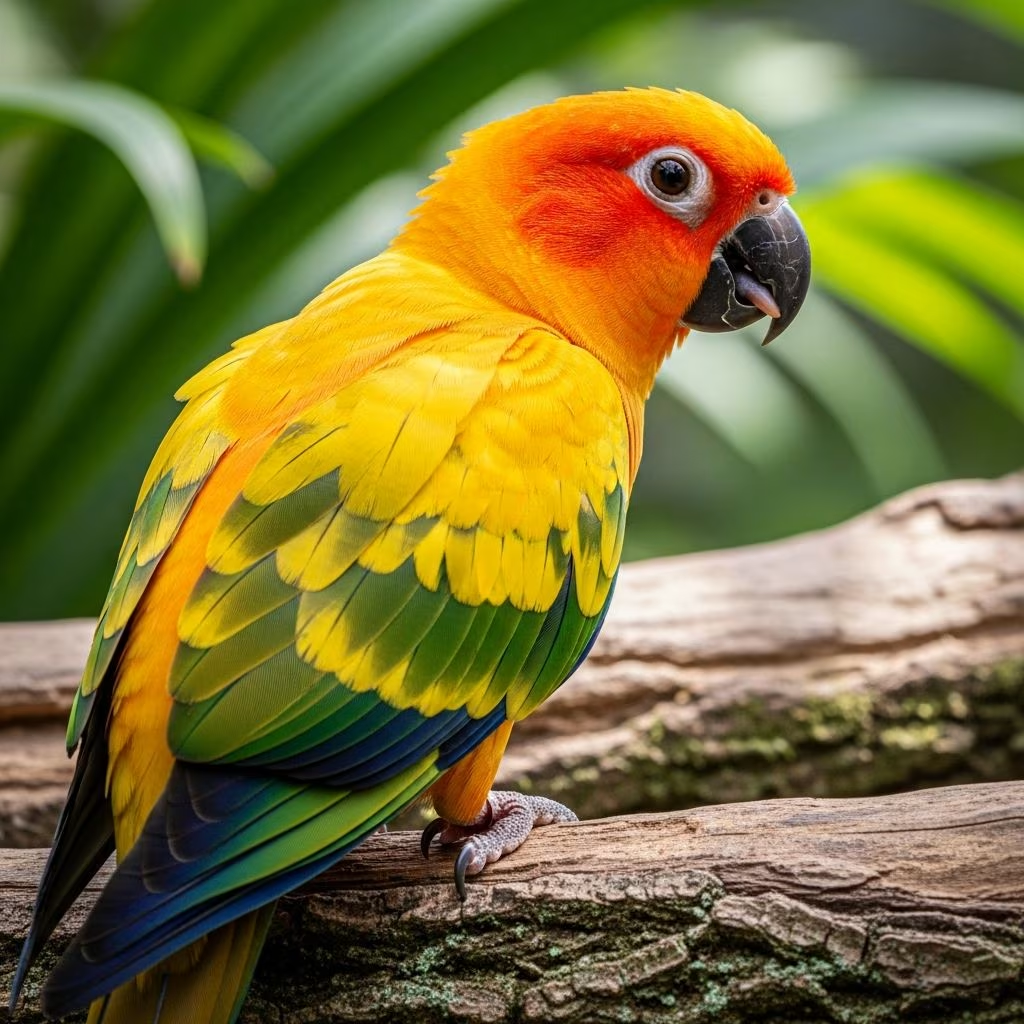
Sun Conure Care Sheet: Everything You Need to Know
Sun conures are vibrant, intelligent birds that make wonderful pets for dedicated owners willing to invest time and resources into their care. These brilliant yellow and orange parrots are bold in both appearance and personality, known for their playful demeanor and vocalizing abilities. However, caring for a sun conure requires a comprehensive understanding of their specific needs, including proper housing, nutrition, health maintenance, and enrichment. This complete care sheet provides everything you need to create an ideal environment for your sun conure to thrive.
Sun Conure Habitat and Housing
Creating the right living environment is fundamental to your sun conure’s health and happiness. The cage size and setup directly impact your bird’s physical and mental well-being, making it one of the most critical aspects of responsible pet ownership.
Cage Size and Specifications
Your sun conure requires an appropriately sized habitat that measures at least 30 inches wide by 30 inches deep by 36 inches high. The space between cage bars should be no wider than ¾ of an inch to prevent your bird from escaping or getting trapped. Larger gaps pose serious safety risks and can result in injury or escape. If you have multiple sun conures, they should each have their own feeding stations, though they may share a large play area during supervised interaction.
The bottom of the cage should have a removable metal grate that allows waste to fall through to the litter area below. This design helps maintain better hygiene and makes cleaning more efficient. Line the base with habitat paper such as antimicrobial-protected cage liners or paper-based bedding, replacing it daily or more frequently if you have multiple birds in the same enclosure.
Temperature and Lighting
Maintain household temperatures between 65 and 80 degrees Fahrenheit in a draft-free, well-lit area. Sun conures need consistent, appropriate lighting to support their circadian rhythms and overall health. Position the cage away from direct drafts from air conditioning or heating vents, which can stress your bird and lead to respiratory issues.
Outdoor Time and Safety
Bring your sun conure outside every day in an escape-proof cage as temperatures allow. However, sun conures should never be left in direct sunlight or unattended outdoors. Prolonged direct sunlight can cause overheating and stress, while leaving your bird unattended creates risks from predators, sudden weather changes, and other hazards. Always supervise outdoor time and ensure the cage is securely enclosed.
Perches and Interior Setup
Add perches for your sun conure made from concrete, wood, or natural branches in assorted sizes to promote foot health and natural climbing behavior. Avoid sandpaper and sanded perch covers, as they can harm your bird’s feet and cause discomfort. Natural branches of varying lengths, shapes, and thicknesses allow your sun conure to properly exercise their feet and beak while providing natural foraging opportunities.
Cage Cleaning and Maintenance
A clean cage is essential for preventing illness and maintaining your sun conure’s health. Regular cleaning prevents the buildup of bacteria, fungi, and parasites that can compromise your bird’s immune system.
Daily Cleaning Tasks
Remove everything inside the cage and discard the old paper liner along with any old bedding and toys. When cleaning, place your sun conure in a secure environment like a travel cage or similar habitat, or on a play stand. This prevents your bird from escaping during the cleaning process and keeps them safe from cleaning chemicals.
Deep Cleaning Process
Use a bird habitat cleaner or a 3% bleach solution to wash the cage and items inside it. Thoroughly rinse everything with water and allow all items to dry completely before adding back toys, accessories, and fresh litter or bedding. Never mix vinegar and bleach, as this creates a toxic solution that can harm your bird. Perform this deep cleaning at least once monthly, though weekly cleaning is recommended for optimal hygiene.
Sun Conure Nutrition and Feeding
Proper nutrition is crucial for your sun conure’s health, longevity, and feather quality. A well-balanced diet prevents nutritional deficiencies and supports immune function.
Diet Composition
High-quality pelleted food should make up 60 to 70 percent of your bird’s diet. Follow the feeding instructions from the manufacturer to determine appropriate portion sizes for mealtime. This ensures your sun conure receives balanced nutrition with proper proportions of vitamins, minerals, and other essential nutrients.
Fresh Foods and Supplements
Supplement the pelleted diet with fresh fruits and vegetables daily. Safe options include apple, carrot, beans, peas, corn, broccoli, and spinach. Remove uneaten fresh food within a few hours to prevent bacterial and fungal growth. Never feed your sun conure lettuce, avocado, or apple seeds, as these are toxic to birds.
Treats should make up no more than 10 percent of your bird’s diet. Feed fortified seeds and millet occasionally, but there is no need to remove hulls beforehand; conures naturally remove these themselves. Vitamin supplements such as Soluvite D can be added to water two or three times weekly. Provide calcium and iodine through cuttlebone and iodine bells.
Water and Feeding Setup
Keep dry food, wet food, and water in separate bowls. Clean food and drink bowls daily to prevent bacterial contamination. If you have two sun conures, provide each with their own bowls and feeding stations. You may also provide a separate water dish large enough for your bird to bathe in, cleaning it daily. Fresh water should always be available and changed daily.
Health and Veterinary Care
Regular health maintenance ensures your sun conure lives a long, healthy life. Sun conures can live 15 to 30 years with proper care, making them a significant long-term commitment.
UV Light Exposure
Your bird needs daily UV exposure for calcium metabolism and overall health. Bring them outside every day in an escape-proof cage as temperatures allow. You can also place a full-spectrum UV light, approximately 12 to 18 inches from where your bird perches, supplementing natural UV exposure for 10 to 12 hours daily.
Veterinary Checkups
Sun conures should be seen by an avian veterinarian annually for regular checkups. Schedule additional visits if you notice any signs of illness or distress. Warning signs requiring immediate veterinary attention include eye or nasal discharge, beak fractures or overgrown beak, feather plucking or uneven feather growth, runny or abnormally colored discharge, limping or abnormal wing positioning, persistent itching or fluffed feathers, weight loss or loss of appetite, rapid breathing, reduced vocalization, and sitting at the cage bottom with fluffed feathers.
Grooming and Hygiene
Gently mist your sun conure with a water bottle dedicated to this use. The spray should be room temperature and misty, sprayed over the bird to replicate fine rain. Never spray directly in the face. Offer room-temperature birdbaths at least twice weekly to allow natural bathing and feather maintenance.
Behavioral Enrichment and Socialization
Sun conures are intelligent, social birds requiring significant interaction and mental stimulation. They should spend as much time as possible outside their cage in a fully parrot-proofed room. Keep doors and windows closed and provide a dedicated play area with cage-top play stands, toys, and perches where your conure can safely explore and interact with family members under supervision.
Provide a play gym and age-appropriate conure toys to encourage natural behaviors like climbing, chewing, and foraging. Rotate toys regularly to maintain novelty and mental stimulation. Interactive play sessions with your bird strengthen your bond and provide essential psychological enrichment.
Complete Sun Conure Supply Checklist
Before bringing your sun conure home, gather these essential supplies:
- Appropriately sized habitat (at least 30" x 30" x 36")
- Habitat paper or paper-based bedding for cage lining
- High-quality pelleted conure food and birdseed
- Fresh fruits and vegetables
- Cuttlebone and millet holder
- Treats including millet spray
- Food and water bowls (separate for each bird if you have multiple)
- Perches of assorted sizes and materials
- Play gym and appropriate conure toys
- Misting spray bottle for bathing
- Bird nail trimmer and styptic powder
- Bird-safe cage cover
- Full-spectrum UV light and housing
- Bird habitat cleaner or bleach solution
- Travel cage or portable habitat
- Play stand for supervised out-of-cage time
Frequently Asked Questions
How long do sun conures live?
Sun conures typically live 15 to 20 years in captivity when provided proper care, though some may live up to 30 years with optimal conditions and veterinary attention.
How big do sun conures get?
Sun conures grow to approximately 30 centimeters (about 12 inches) from beak to tail, making them a medium-sized parrot species suitable for homes with adequate space.
What temperature do sun conures need?
Sun conures should be kept in environments with temperatures between 65 and 80 degrees Fahrenheit in draft-free locations with good lighting.
Can sun conures live together?
While sun conures are social birds, they should each have their own cage and feeding stations. They can share supervised play areas and interact under careful observation.
How often should I clean my sun conure’s cage?
Change habitat liners daily and perform deep cleaning with disinfectant solutions at least monthly. Weekly thorough cleaning is recommended for optimal hygiene and health.
Are sun conures loud?
Yes, sun conures are known for their loud vocalizing and can be quite vocal at times. Consider your living situation and neighbors before acquiring one.
What should I never feed my sun conure?
Never feed sun conures lettuce, avocado, apple seeds, or any foods containing chocolate, salt, or caffeine, as these are toxic to birds.
How much interaction do sun conures need?
Sun conures require significant daily interaction and should spend as much time as possible outside their cage in supervised, safe environments. They are social birds that bond strongly with their owners.
References
- Sun Conure Care Sheet — Chewy. 2025. https://www.chewy.com/education/bird/general/sun-conure-care-sheet
- Sun Conure – Profile & Care Guide — Parrot Essentials. https://parrotessentials.co.uk/blog/sun-conure-profile-care-guide
- How to Look After a Sun Conure — Kellyville Pets. https://www.kellyvillepets.com.au/pages/how-to-look-after-a-sun-conure-kellyville-pets
- Conures Care Sheet — PetNation. https://petnation.org/212/CONURES-CARE-SHEET/
- Sun Conure Personality, Food & Care — Lafeber Co. https://lafeber.com/pet-birds/species/sun-conure/



