
Sun Conure Care: Complete Guide for Pet Owners
Master sun conure care with expert nutrition, breeding, and health tips.
Sun Conure Care: A Comprehensive Guide for Pet Bird Owners
Sun conures are vibrant, intelligent, and affectionate companion birds that have captured the hearts of countless pet owners worldwide. These striking yellow and orange parrots are known for their bold personalities, playful nature, and strong bonds with their human caretakers. However, providing proper care for a sun conure requires knowledge, commitment, and dedication to ensure these beautiful birds thrive in captivity. This comprehensive guide covers all essential aspects of sun conure care, from nutrition and breeding to health management and behavioral enrichment.
Understanding Sun Conure Basics
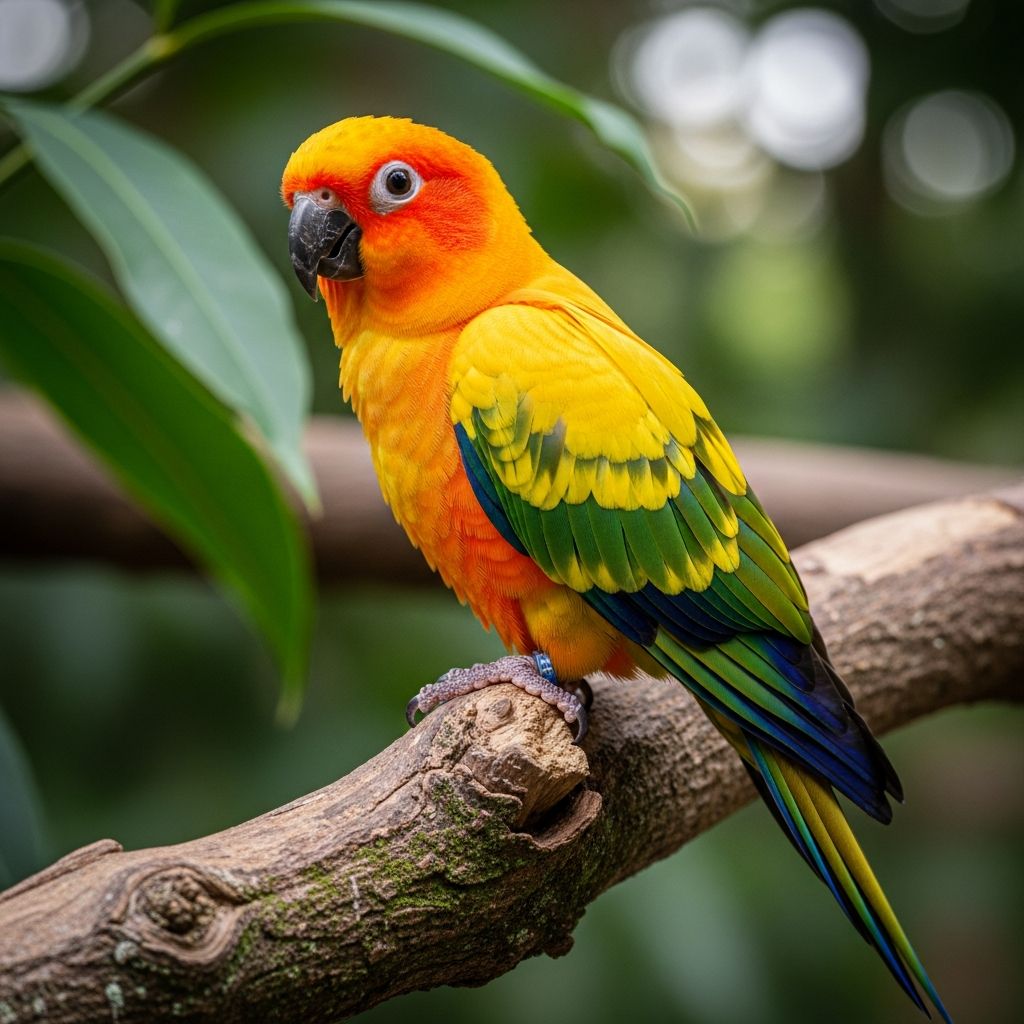
Sun conures are medium-sized parrots that typically measure 10 to 13 inches from head to tail. These birds are characterized by their striking yellow and orange plumage, black beaks, distinctive white eye rings, and long, tapering tails. Young sun conures do not reach their full coloration for approximately two years, gradually developing the vibrant hues associated with adult birds. Their bold appearance matches their equally bold personalities, making them excellent pets for experienced bird owners who understand their unique needs and requirements.
These social birds are known for their vocalizations, which can be quite loud at times, along with their playfulness and intelligence. Sun conures are highly social creatures that thrive on interaction and attention from their owners. Unlike some bird species that prefer solitude, sun conures actively seek engagement and can become distressed when left alone for extended periods. Additionally, these birds can live 15 to 25 years with proper nutrition, exercise, and regular veterinary care, making them a long-term commitment for any household.
Proper Nutrition for Sun Conures
Nutrition forms the foundation of good health for sun conures, and providing a well-balanced diet is essential for preventing deficiencies and promoting longevity. Many sun conure owners make the mistake of feeding their birds exclusively seeds or incomplete diets, which can lead to serious nutritional deficiencies and health problems.
Core Diet Components
A nutritionally complete diet for sun conures should consist of high-quality pelleted food formulated specifically for conures. Pellets should comprise at least 60 to 70 percent of your bird’s daily diet, as they contain essential vitamins, minerals, and nutrients balanced for optimal health. Pellet-based foods like Lafeber’s Nutri-Berries, Avi-Cakes, and Pellet-Berries are particularly appealing to conures because they satisfy the birds’ natural chewing instincts while delivering complete nutrition.
In addition to pellets, sun conures require a wide variety of fresh fruits and vegetables daily. Nutritious options include leafy greens such as young dandelion leaves, spinach, and Swiss chard, which are excellent sources of vitamins and minerals. Colorful vegetables like carrots, bell peppers, and leafy greens provide essential nutrients and encourage foraging behavior. Fresh fruits such as apples, berries, and oranges can be offered as supplements, though they should be given in moderation due to natural sugar content.
Foods to Avoid
Certain foods are toxic to sun conures and should never be offered under any circumstances. These include chocolate, caffeine, and alcohol, all of which can cause serious illness or death. Additionally, pet owners should avoid treats high in fat, sugar, or salt, as these can contribute to obesity and nutritional imbalances. Any uneaten fresh fruits and vegetables should be discarded after 10 hours to prevent spoilage and potential bacterial contamination that could sicken your bird.
Water must be fresh, clean, and changed daily. Water bowls should be large enough for sun conures to bathe in, as many birds enjoy preening themselves in water. Separate dishes should be provided for dry food, fresh food, and water to maintain proper hygiene and prevent cross-contamination.
Housing and Environmental Requirements
Providing an appropriate cage and environment is crucial for sun conure wellbeing. These active, energetic birds require adequate space for movement and enrichment opportunities to maintain physical and mental health.
Cage Specifications
The minimum recommended cage size for sun conures is 30 inches wide by 30 inches deep by 36 inches high. However, larger enclosures are always beneficial for these active birds. The cage should feature appropriate bar spacing of 0.5 to 0.75 inches to prevent escape or entrapment. Additionally, the cage should include perches of assorted sizes and materials to promote foot health and natural behaviors.
Temperature and Lighting
Sun conures are comfortable in average household temperatures between 65 and 80 degrees Fahrenheit, though pet owners should be cautious of extreme temperature fluctuations that can stress the bird. To supplement natural UV exposure, consider installing a full-spectrum UV light designed for birds in your conure’s habitat for 10 to 12 hours daily. These lights should be positioned 12 to 18 inches from the bird’s favorite perches and should be replaced every 6 months as their effectiveness diminishes over time.
Enrichment and Play
Sun conures are not messier than smaller bird species and genuinely enjoy spending time outside their cages during supervised playtime. These birds appreciate enriched environments with multiple opportunities for play, foraging, and exploration. Provide a variety of safe chewing materials, toys, and climbing structures to keep your sun conure mentally stimulated and physically active. Interactive play sessions with owners help strengthen the bond between bird and human while preventing boredom-related behavioral problems.
Cleaning and Maintenance
Proper hygiene is essential for maintaining your sun conure’s health and preventing disease. Daily spot-cleaning should remove soiled material and discarded food from the cage bottom. Water and food bowls must be washed thoroughly and rinsed completely each day to prevent bacterial growth and contamination.
Substrate, bedding, and habitat liners should be replaced at least once weekly, or more frequently if multiple conures share the same cage. During weekly deep cleaning, wash the entire habitat and all accessories with either a bird-specific habitat cleaner or a 3 percent bleach solution. After cleaning, rinse thoroughly to remove all traces of cleaning agents and bleach residue, then allow everything to dry completely before reinstalling bedding and accessories.
Most sun conures maintain their plumage through regular preening if water is available for bathing. Providing water bowls large enough for bathing encourages natural grooming behaviors. For birds that don’t bathe regularly, owners can gently mist them with warm water from a clean spray bottle several times weekly to maintain feather and skin quality.
Sun Conure Breeding Considerations
Breeding sun conures requires specialized knowledge and significant responsibility. Prospective breeders must understand the physiological and behavioral changes that occur during breeding season and be prepared to provide proper care for breeding pairs and their offspring.
Breeding Females and Egg-Related Issues
Female sun conures, whether breeding or pets laying eggs without a mate, are prone to serious conditions including egg binding and calcium deficiency. These medical emergencies can be life-threatening if not promptly addressed by an avian veterinarian. Breeding females require enhanced nutrition, particularly calcium supplementation, to support egg production and prevent metabolic disorders.
Parental Care and Chick Feeding
When eggs fertilize successfully, parent sun conures typically feed their chicks independently without human intervention. However, monitoring is essential to ensure both parents are feeding chicks adequately and maintaining proper weight gain. If parents fail to feed chicks properly, supplemental hand-feeding with appropriate avian formula may be necessary, requiring detailed knowledge of proper techniques and feeding schedules to prevent crop damage or improper development.
Breeding Bird Nutrition
Breeding birds require enhanced nutrition beyond standard pet diets. Sprouted seeds, lentils, and mung beans provide superior nutrition for breeding birds and support better development of chicks. These specially prepared foods offer concentrated nutrients crucial for reproductive success and chick rearing.
Health Management and Common Issues
Regular veterinary care is fundamental to maintaining your sun conure’s health. An avian veterinarian should examine your bird at least annually, and birds experiencing any signs of illness should receive prompt medical attention.
Signs of a Healthy Sun Conure
Healthy sun conures display clean, clear, bright eyes; clean nostrils; symmetrical, intact beaks; intact, clean feathers; clean feet with strong and equal grip; and consistent droppings. The bird should demonstrate full, equal range of motion in both wings and maintain alert, responsive behavior.
Common Health Conditions
Sun conures can develop various health problems, including feather picking and plucking behaviors often resulting from boredom or inadequate mental stimulation rather than medical causes. Complete medical exams help rule out underlying health issues before addressing behavioral factors. Conures are also susceptible to Proventricular Dilatation Disease (PDD), Psittacine Beak and Feather Disease, Psittacosis, beak malocclusion, and Aspergillosis. Additional conditions include Pacheco’s disease (herpesvirus), polyoma virus, malnutrition (typically vitamin A or D deficiencies), overgrown beaks, chlamydiosis, heavy metal or Teflon toxicosis, and cancer.
Preventive Care Strategies
Preventing health problems is more effective than treating established disease. Provide an enriched environment with numerous opportunities for play and foraging, maintain consistent supplies of safe chewing materials, ensure proper nutrition with appropriate pellet and fresh food intake, and schedule annual veterinary examinations. These preventive measures significantly reduce the likelihood of developing serious health complications.
Social Needs and Behavioral Considerations
Sun conures are deeply social birds that form strong attachments to their human caregivers. These birds will revel in owner attention and do not enjoy being left alone for extended periods. Providing companionship is essential for mental health and emotional wellbeing.
Interestingly, sun conures can cohabitate with other sun conures without losing their pet quality if owners remain attentive to both birds. A sun conure will appreciate another sun conure as a “comrade,” providing social interaction beyond what humans alone can offer. However, housing multiple birds requires additional space, separate feeding stations to prevent competition, and careful observation to ensure compatibility.
Frequently Asked Questions About Sun Conure Care
Q: How long do sun conures typically live?
A: With proper nutrition, exercise, and regular veterinary visits, sun conures can live 15 to 25 years, making them a significant long-term commitment for pet owners.
Q: What is the minimum cage size for a sun conure?
A: The minimum recommended cage size is 30 inches wide by 30 inches deep by 36 inches high, though larger enclosures are beneficial for these active birds.
Q: Can sun conures live together peacefully?
A: Yes, sun conures can cohabitate with other sun conures and will appreciate companionship, provided owners remain attentive to both birds and housing space is adequate.
Q: What should make up the majority of a sun conure’s diet?
A: High-quality pelleted food formulated for conures should comprise 60 to 70 percent of daily diet, supplemented with fresh fruits and vegetables.
Q: How often should sun conures bathe?
A: Most sun conures bathe regularly when water is available. Owners can provide water dishes large enough for bathing or gently mist birds with warm water several times weekly.
Q: What foods are toxic to sun conures?
A: Never feed sun conures chocolate, caffeine, or alcohol, as these substances can cause serious illness or death. Avoid treats high in fat, sugar, or salt.
Q: How often should sun conures see a veterinarian?
A: Sun conures should receive annual veterinary examinations from an avian veterinarian to maintain health and catch potential problems early.
Q: Are sun conures loud birds?
A: Yes, sun conures are known for their loud vocalizations, which can be quite noisy at times, so they require owners prepared for regular vocalization.
References
- Sun Conure Personality, Food & Care – Pet Birds by Lafeber Co. — Lafeber Company. https://lafeber.com/pet-birds/species/sun-conure/
- Sun Conure Care Sheet — PetMD. https://www.petmd.com/bird/sun-conure-care-sheet
- Sun conure care – Lafeber® Pet Birds — Lafeber Company. https://lafeber.com/pet-birds/questions/sun-conure-care/
- Sun Conure Fact Sheet — Northern Parrots. https://www.northernparrots.com/blog/sun-conure-fact-sheet/
- Basic Information Sheet: Conure — LafeberVet, Lafeber Company. https://lafeber.com/vet/basic-information-sheet-for-the-conure/
Similar Articles








Read full bio of medha deb


