
Sun Conure: Complete Care Guide, Personality & Nutrition
Learn everything about Sun Conures: care requirements, dietary needs, behavior, and lifespan for happy pet birds.
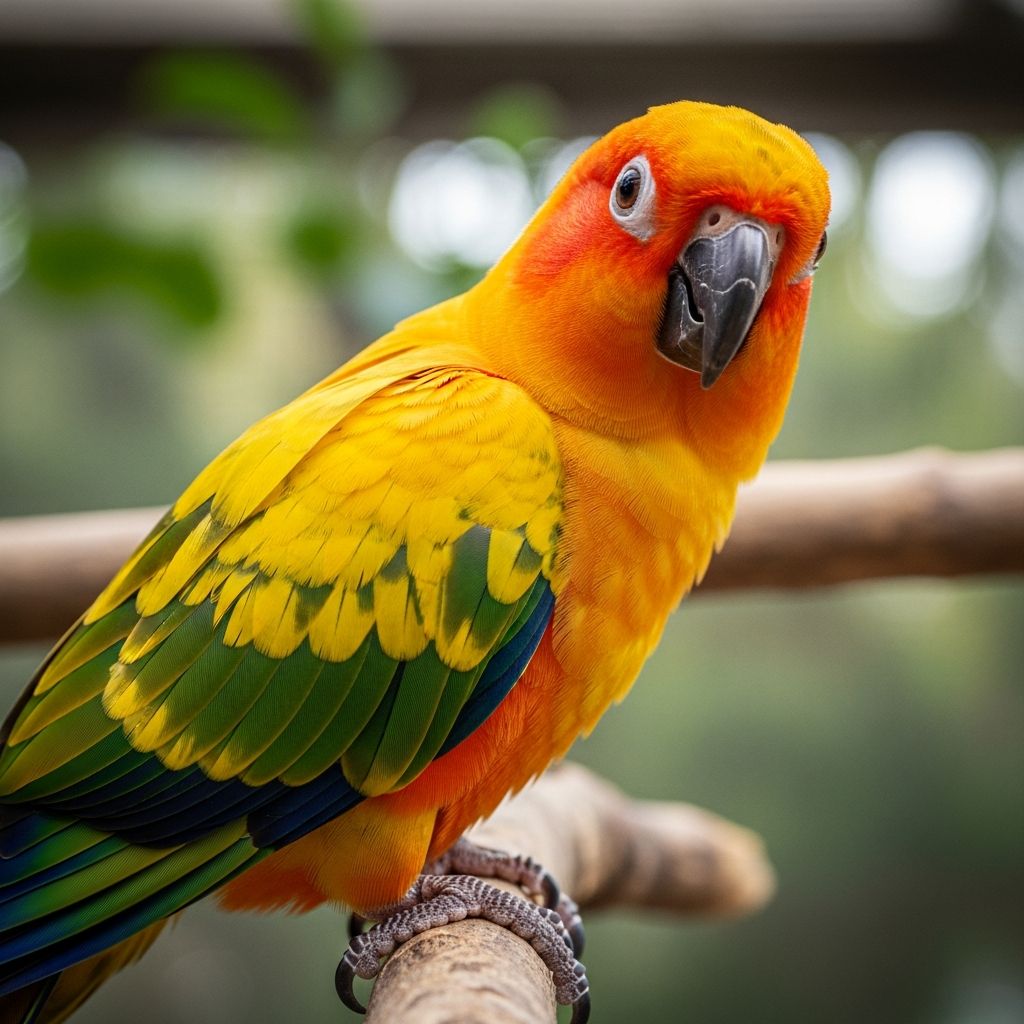
Sun conures are among the most vibrant and captivating pet birds available today. With their striking yellow and orange plumage and playful personalities, these small parrots have become increasingly popular among bird enthusiasts and families. Whether you’re considering bringing a sun conure into your home or you already have one, understanding their unique characteristics, care requirements, and behavioral needs is essential for providing them with a healthy and fulfilling life.
Understanding Sun Conure Characteristics
Sun conures are visually distinctive birds that capture attention with their brilliant coloration and engaging personalities. These small parrots possess characteristics that make them both rewarding and challenging as pets, requiring dedicated owners who understand their specific needs.
Physical Appearance
Young sun conures are primarily green, resembling the closely related jenday conure, but their distinctive orange and yellow coloring becomes increasingly pronounced as they mature. Adult sun conures display predominantly bright yellow plumage with orange and red accents on their wings, tail, and head, making them unmistakably beautiful additions to any avian collection.
Adult sun conures typically measure between 10 to 13 inches in length from head to tail. One interesting characteristic is that sun conures are not sexually dimorphic, meaning males and females look nearly identical. However, close observation may reveal that females have slightly shorter tail feathers and rounder, slightly smaller heads compared to their male counterparts.
Core Characteristics Table
| Characteristic | Details |
|---|---|
| Size | 10–13 inches long (head to tail) |
| Color | Orange, Yellow |
| Lifespan | 15–25 years with proper care |
| Sounds | Vocal communicator |
| Interaction Level | Social and playful |
| Difficulty of Care | Intermediate |
Personality & Behavior
Sun conures are renowned for their playful and clownish personalities. These birds are natural entertainers that thrive on social interaction and mental stimulation. Their engaging nature makes them wonderful companions for people who appreciate interactive and responsive pets.
These birds are social by nature and require regular interaction with their owners. Sun conures enjoy being handled, played with, and included in family activities. They are intelligent creatures that can learn tricks, mimic sounds, and develop strong bonds with their human caretakers. However, their playful antics require adequate space and mental enrichment to prevent behavioral problems.
As vocal communicators, sun conures are not the quietest birds and will regularly vocalize throughout the day. They use various vocalizations to communicate their moods, from soft chirps and chatters to loud calls. Prospective owners should be prepared for this characteristic before bringing a sun conure into their home.
Sun Conure Lifespan & Longevity
One of the most important considerations when adopting a sun conure is understanding their longevity commitment. A sun conure can live between 15 to 25 years with proper nutrition, exercise, and regular veterinary visits. This extended lifespan means that adopting a sun conure is a long-term commitment that requires consistent care and attention throughout the bird’s life.
With up to 20+ years of life ahead, sun conures can become lifelong companions. To maximize your bird’s lifespan, focus on providing high-quality nutrition, adequate exercise, environmental enrichment, and preventative veterinary care. Breeding females or pets laying eggs without a mate are particularly prone to egg binding and calcium deficiency, health issues that can significantly impact their longevity.
Sun Conure Habitat & Housing Requirements
Providing an appropriate habitat is fundamental to your sun conure’s health and happiness. The cage or enclosure serves as your bird’s home and significantly impacts their physical and psychological well-being.
Minimum Habitat Size & Bar Spacing
The minimum habitat size for a single sun conure should be at least 30 inches wide by 30 inches deep by 36 inches high. However, larger enclosures are always better, as they provide more space for exercise and movement. The space between the cage’s bars should ideally be 3/4 inch apart or smaller to prevent the bird from escaping or getting their head or legs stuck.
The habitat should be large enough for the conure to stretch and flap its wings comfortably. Sun conures that are confined to a small cage are prone to becoming overweight as well as developing behavioral and psychological problems. Always provide the largest habitat possible that fits your living situation.
Essential Habitat Components
Perches: Provide perches of assorted sizes and materials to keep your sun conure’s feet healthy and engaged. Natural wood perches are preferable to plastic ones, as they provide better grip and foot conditioning.
Food and Water Dishes: Dry food, fresh food, and water should all be offered in separate dishes. Water dishes should be large enough for the conure to bathe in. If more than one sun conure is kept in the same habitat, each bird should have its own feeding station to discourage competition. Dishes should be washed and rinsed thoroughly each day to prevent bacterial growth.
Lighting: UV exposure is crucial for your sun conure’s health. To supplement natural sunlight exposure, pet parents can shine a full-spectrum UV light designed for birds on their conure’s habitat for 10-12 hours each day. UV lights should be positioned about 12-18 inches from where the bird perches. Replace lights every 6 months, as their potency wanes over time.
Toys and Enrichment: Sun conures have busy beaks and require toys for mental stimulation and physical activity. Provide a variety of toys that can be rotated regularly to maintain interest. Toys help prevent boredom-related behaviors and support cognitive development.
Essential Habitat Supply Checklist
– Appropriately sized habitat (minimum 30″ W x 30″ D x 36″ H)- High-quality pelleted conure food- Millet spray as a treat- Cuttlebone or millet holder- Treats and enrichment items- Habitat paper, other paper, or litter- Food and water dishes- Perches of assorted sizes- Toys and play items- Mister spray bottle for bathing- Bird nail trimmer- Play gym or exercise area
Sun Conure Diet & Nutrition
Proper nutrition is one of the most critical factors in maintaining your sun conure’s health and longevity. Sun conures are vulnerable to vitamin A deficiency, insufficient dietary calcium, egg-binding, and other nutrition-related problems. A well-balanced and varied diet must be maintained at all times for these birds to stay healthy.
Optimal Diet Composition
A nutritious and well-balanced diet for sun conures should consist of specific proportions of different food types. The recommended diet composition is as follows:
– 75–80% High-Quality Pelleted Food: A nutritionally complete pelleted food formulated specifically for conures should make up the foundation of your bird’s diet. Pellets have been developed to meet all your bird’s nutritional needs and should be the primary food source. Use the manufacturer’s instructions to determine how much food should be given daily, and discard any uneaten pellets before each feeding.- 10–20% Vegetables and Greens: Vegetables and greens should account for 20–40% of your conure’s daily intake. However, pale vegetables with high water composition offer little nutritional value. Focus on darker, leafy greens and nutrient-dense vegetables. Conures can eat most vegetables, except onions and garlic, which are toxic to birds.- Maximum 10% Fruits: While fruits are nutritious, they are high in water content and natural sugars, so they should only comprise about 10% of your conure’s daily intake. Most fruits are appropriate for conures, but pet parents should never offer them avocados or any fruit seeds or pits, as these are toxic.- Seeds as Occasional Treats: Fortified seeds and millet can be fed as occasional treats; conures remove the hulls of seeds before eating them, so pet parents do not need to give them a grit supplement to help them break down whole seeds.
Foods to Avoid
Certain foods are toxic and potentially fatal to sun conures. Pet parents must never allow conures to ingest chocolate, caffeine, or alcohol, as they can cause death or serious illness. Additionally, avoid treats that are high in fat, sugar, or salt, as these can contribute to obesity and health problems. Never share food from your mouth or plate with your conure, as human mouths contain microorganisms that can cause illness in birds.
Fresh Water & Food Handling
Fresh, clean water should be provided and changed daily. Pet parents should be sure to discard any uneaten fruits and vegetables after 10 hours, as they may spoil and cause infection if eaten. This includes fresh foods offered as supplements to the primary pelleted diet.
Specialized Conure Foods
Many manufacturers produce specialized foods designed specifically for conures’ chewing needs. Lafeber’s Avi-Cakes, Pellet-Berries and Nutri-Berries offer balanced nutrition that appeals to a conure’s natural foraging and chewing behaviors, making mealtime more engaging and enriching for your bird.
Habitat Cleaning & Maintenance
Maintaining a clean habitat is essential for preventing disease and ensuring your sun conure’s health. Pet parents should develop a consistent cleaning routine to keep the habitat sanitary.
Spot-clean your conure’s habitat daily, removing any soiled material and discarded food. Water and food bowls must be washed daily to prevent bacterial growth. Substrate, bedding, and habitat liners should be replaced at least once a week, or more often if more than one conure lives in the same habitat. Regular maintenance prevents the accumulation of waste materials that could harbor harmful bacteria and parasites.
Health Considerations
Several health concerns are particularly relevant to sun conures. Breeding females or pets laying eggs without a mate are prone to egg binding and calcium deficiency, serious conditions that require veterinary intervention. Regular veterinary check-ups with an avian specialist can help identify and address these issues early.
Sun conures confined to small cages are prone to becoming overweight, a condition that can lead to numerous health problems including heart disease, fatty liver disease, and joint issues. Providing adequate space and encouraging exercise helps maintain a healthy weight throughout your bird’s life.
For optimal calcium metabolism, your bird will need UVB exposure for at least 3-4 hours a day. Careful outdoor sun exposure or indoor UV lighting is recommended to ensure your bird receives adequate ultraviolet radiation for proper bone health and vitamin D synthesis.
Frequently Asked Questions About Sun Conures
Q: How long do sun conures live?
A: Sun conures can live between 15 to 25 years with proper nutrition, exercise, and regular veterinary visits. Some may live up to 20+ years with exceptional care.
Q: Are sun conures good pets for beginners?
A: Sun conures require intermediate-level care. While they are playful and engaging, they need dedicated attention, proper nutrition, adequate housing, and regular interaction. They are best suited for owners willing to commit time and resources to their care.
Q: How loud are sun conures?
A: Sun conures are vocal communicators and can be quite loud, particularly during dawn and dusk. They use various vocalizations throughout the day, which is an important consideration if you live in an apartment or in close proximity to neighbors.
Q: What is the minimum cage size for a sun conure?
A: The minimum habitat size should be at least 30 inches wide by 30 inches deep by 36 inches high. However, larger cages are always better for your bird’s physical and psychological well-being.
Q: Can sun conures eat fruits and vegetables?
A: Yes, sun conures can and should eat fruits and vegetables. Vegetables and greens should comprise 20–40% of their daily diet, while fruits should be limited to about 10%. Always avoid avocados, onions, garlic, and fruit seeds or pits.
Q: How often should I clean my sun conure’s cage?
A: Spot-clean the cage daily to remove soiled material and discarded food. Wash food and water dishes daily. Replace substrate, bedding, and habitat liners at least once per week or more frequently if needed.
Q: Do male and female sun conures look different?
A: Sun conures are not sexually dimorphic, meaning males and females look nearly identical. However, females may have slightly shorter tail feathers and slightly smaller, rounder heads than males.
Q: What do young sun conures look like?
A: Young sun conures are primarily green and resemble the jenday conure. Their distinctive bright yellow and orange coloring becomes more pronounced as they mature into adulthood.
References
- Sun Conure Care Sheet — PetMD. 2024. https://www.petmd.com/bird/sun-conure-care-sheet
- Sun Conure Personality, Food & Care – Pet Birds by Lafeber Co. — Lafeber Company. 2024. https://lafeber.com/pet-birds/species/sun-conure/
- Conure – Specialized Care for Avian & Exotic Pets — Buffalo Bird Nerd. 2023. https://www.buffalobirdnerd.com
- Feeding Pet Conures — VCA Animal Hospitals. 2024. https://vcahospitals.com/know-your-pet/conures-feeding
Similar Articles








Read full bio of medha deb


