Summer Outdoor Adventures with Your Dog
Discover engaging outdoor activities to keep your dog active, healthy, and happy during warm months.
Summer Outdoor Adventures with Your Dog: Creating Memorable Experiences
The arrival of warmer weather brings exciting opportunities to spend quality time with your canine companion. Extended daylight hours and pleasant temperatures create the perfect conditions for exploring new environments and engaging in activities that strengthen your relationship while promoting your dog’s physical and mental well-being. This comprehensive guide explores a variety of summer pursuits suitable for different dog personalities and energy levels.
Water-Based Recreation: Cooling Off While Having Fun
Water activities represent one of the most effective ways to keep dogs comfortable during hot summer months while simultaneously providing physical exercise and mental stimulation. Dogs naturally gravitate toward water during warm weather, making aquatic activities an ideal choice for outdoor entertainment.
Swimming and Water Play Options
Natural bodies of water such as lakes, rivers, and dog-friendly beaches offer excellent swimming opportunities. Before introducing your dog to open water, assess their comfort level and swimming ability. Not all dogs are instinctively comfortable in water, so consider using a properly-fitted life jacket to boost confidence and ensure safety. Supervise your dog constantly and provide fresh water before and after swimming to discourage them from consuming contaminated water while playing.
For backyard alternatives, kiddie pools or shallow inflatable pools create controlled environments where dogs can paddle and cool off. Fill these pools with a few inches of water and add floating toys or treats to encourage engagement. This accessible option allows dogs to experience water play without the challenges of natural aquatic environments.
Interactive Water Games
Transform regular water play into engaging games that combine physical activity with mental enrichment. Floating toy retrieval challenges your dog to navigate water while chasing moving targets, similar to traditional fetch games played on land. Another entertaining option involves bobbing for kibble, where treats or apple slices float in shallow water, encouraging your dog to dive and retrieve.
Sprinklers and garden hoses provide budget-friendly cooling solutions, particularly for dogs that haven’t experienced traditional swimming. Many dogs enjoy chasing water spray patterns or simply running through sprinkler arcs for refreshment. This approach offers dual benefits—hydration and entertainment—while allowing you to water landscaping simultaneously.
Temperature Regulation During Water Activities
Strategic use of water-based play supports joint health, builds confidence, and enables safe temperature regulation during peak heat periods. Always supervise water activities to prevent accidents or exhaustion. Combine water play with short rest breaks in shaded areas to prevent overheating. Provide constant access to fresh, clean water to maintain proper hydration throughout outdoor adventures.
Trail Exploration and Hiking Adventures
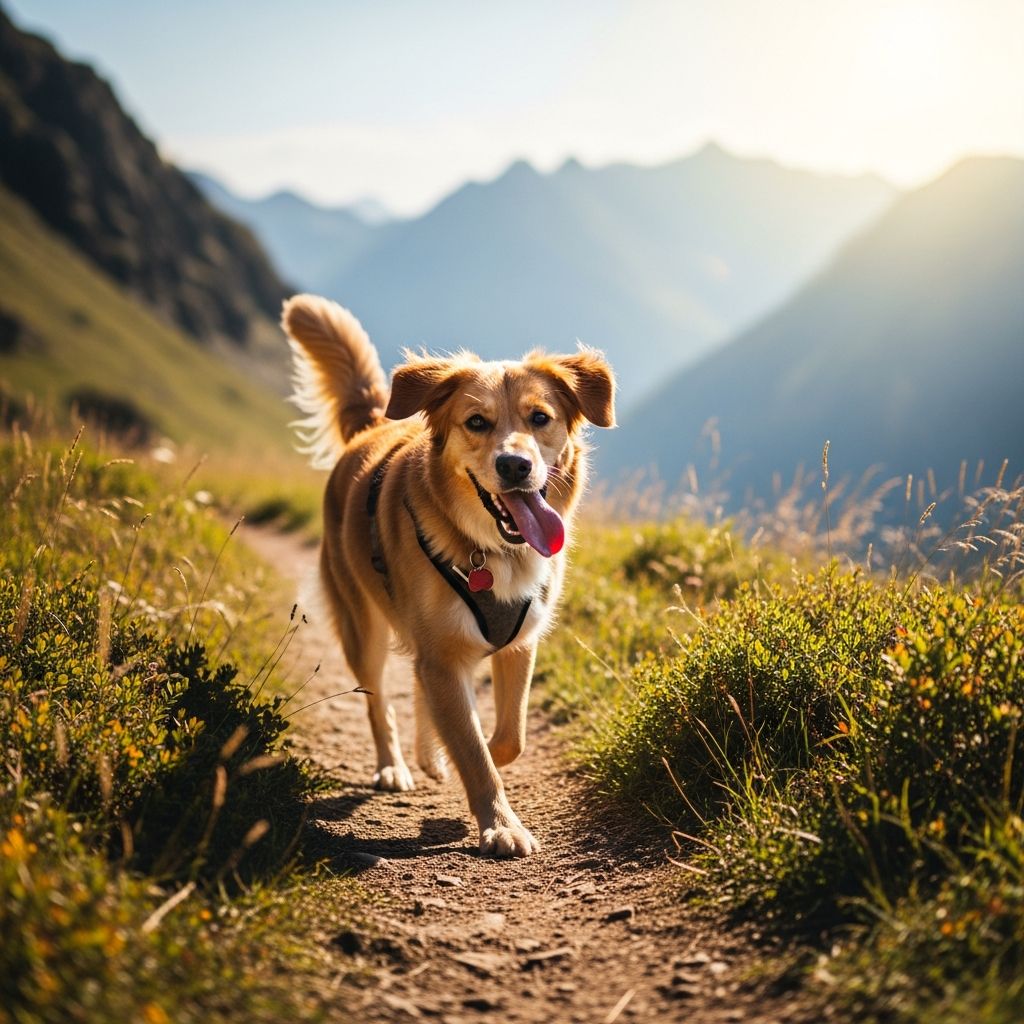
Hiking represents a classic summer activity that combines cardiovascular exercise with sensory enrichment. Nature trails expose dogs to novel sights, smells, and textures that stimulate cognitive processing and encourage mental engagement.
Planning Successful Hiking Expeditions
Select trails appropriate for your dog’s age, fitness level, and physical capabilities. Consider your dog’s personality and activity tolerance when choosing routes. Avoid hiking during peak heat hours; early morning or evening expeditions provide cooler conditions and reduced risk of heat-related complications.
Prepare a comprehensive hiking checklist including:
- Sufficient fresh water and portable drinking containers
- Appropriate leashing equipment or harnesses
- Waste management supplies
- First aid supplies for minor injuries
- Collapsible food bowls and nutritious snacks
- Insect repellent safe for pets
- Identification tags and contact information
Surface Selection and Paw Protection
Exercise careful judgment regarding walking surfaces. Trails and grass pathways provide natural, comfortable terrain that doesn’t absorb excessive heat. Conversely, asphalt and concrete pavements retain significant heat and can damage sensitive paw pads. Test surface temperature with your hand before allowing your dog to walk on potentially hazardous materials.
Structured Walking Benefits
When structured properly, outdoor walks promote sensory enrichment, leash manners, and emotional control. Exposure to varied environments strengthens your dog’s ability to remain calm in new situations and improves focus and behavioral responses. Monitor your dog continuously for signs of fatigue or overheating, adjusting pace and duration accordingly.
Beach Excursions and Coastal Adventures
Beach environments offer unique experiences that appeal to most dogs’ natural instincts and curiosity. Sandy shores provide opportunities for digging, swimming, and social interaction with other dogs and people.
Preparing for Beach Visits
Before planning a beach day, verify whether your chosen location allows dogs and check for any off-leash restrictions or designated dog-friendly areas. Time your visit strategically to avoid overcrowding and reduce stress on your dog. Bring abundant fresh water to maintain hydration, as salt water exposure can cause dehydration and digestive upset if ingested.
Apply pet-safe sunscreen to exposed skin areas, particularly on dogs with lighter fur or thin coats susceptible to sun damage. Pack shade solutions such as portable umbrellas or pop-up tents where your dog can rest during peak sunlight hours.
Beach Activities and Entertainment
Bring floating toys or natural rubber frisbees for water-based fetch games. Sand digging satisfies natural canine instincts while providing physical exercise. Socialize with other dogs in designated dog-friendly areas, allowing your dog to interact with different personalities and play styles.
Backyard Enrichment and Home-Based Activities
Not every summer activity requires traveling to distant locations. Your own yard provides abundant opportunities for entertainment, cooling, and mental stimulation.
DIY Puzzle Challenges and Mental Engagement
Homemade puzzle games stimulate cognitive function and prevent boredom-related behavioral problems. Create challenges using household items to encourage problem-solving and reward-seeking behaviors. Mental exercise often tires dogs more effectively than physical activity alone, promoting better sleep and reduced destructive behavior.
Cooling Treats and Nutritional Enjoyment
Create dog-friendly frozen treats to combine nutrition with temperature regulation. Freeze low-sodium broth, yogurt, or peanut butter in ice cube trays for convenient cooling snacks. These homemade options provide safer alternatives to commercial treats containing questionable ingredients or excessive salt and sugar.
Social Gathering Opportunities
Organize dog-friendly barbecues with fellow pet owners, allowing your dog to socialize while enjoying specially-prepared meals. Grill unseasoned meats and remove fatty portions that may cause digestive upset. Provide abundant toys and water access during social events. Consider incorporating kiddie pools so attending dogs can cool off throughout the gathering.
Community-Based Summer Activities
Summer communities offer numerous venues and events designed to accommodate dogs while promoting social interaction and recreation.
Dog Park Socialization
Local dog parks provide environments where your canine companion can socialize with other dogs, develop improved social skills, and release pent-up energy. Regular park visits expose your dog to diverse personalities and play styles, strengthening confidence and adaptability. Monitor interactions carefully and remove your dog if play becomes too rough or stress-inducing.
Picnic and Outdoor Meal Experiences
Combine dining outdoors with canine companionship through structured picnic outings. Pack dog-friendly treats alongside human food selections. Utilize picnic time for casual training practice, fetch games, or simple relaxation while enjoying natural surroundings. These low-intensity activities provide quality bonding time without demanding strenuous physical exertion.
Camping and Overnight Expeditions
Multi-day camping trips create immersive nature experiences for dogs accustomed to outdoor environments. Introduce camping gradually, starting with short backyard camping sessions before attempting full wilderness expeditions. Ensure your dog remains comfortable around campfires, unfamiliar sounds, and sleeping arrangements before committing to overnight trips.
Creative Photo Opportunities and Memorable Moments
Summer provides ideal lighting and scenic backdrops for photographing your dog. Professional pet photography sessions capture your relationship while creating lasting memories. Alternatively, organize informal photo sessions at scenic locations, documenting your dog’s summer adventures through personal photography.
Safety Considerations and Health Precautions
Heat Management Strategies
High temperatures pose significant health risks for dogs, who cannot regulate body temperature as efficiently as humans. Schedule outdoor activities during cooler morning and evening hours when possible. Provide continuous access to fresh water and shade throughout any outdoor activity.
Hydration and Nutrition
Regular hydration and access to cool water help prevent overheating. Bring portable water containers on all outings and offer drinks at frequent intervals, particularly during strenuous activities. Monitor your dog’s water intake, as excessive consumption may indicate overheating or dehydration concerns.
Signs of Heat Stress
Recognize early warning signs of heat-related illness including excessive panting, lethargy, drooling, or vomiting. Immediately move your dog to cool, shaded areas and provide water if these symptoms appear. Severe heat stress constitutes a medical emergency requiring veterinary attention.
Matching Activities to Your Dog’s Unique Personality
Consider your dog’s personality, activity level, and individual interests when selecting summer activities. High-energy dogs thrive with challenging hikes, organized sports, or extended water play sessions. More reserved or senior dogs may prefer shorter walks, beach visits focused on relaxation, or quiet backyard enrichment activities.
Some dogs naturally gravitate toward water activities while others prefer land-based exploration. Observe your dog’s preferences and comfort levels before committing to unfamiliar activities. Allow your dog to develop positive associations with new experiences through gradual exposure and positive reinforcement.
Frequently Asked Questions
What temperature is too hot for outdoor dog activities?
Temperatures above 85°F (29°C) present increased heat stress risk for most dogs. Adjust activity intensity and duration at temperatures exceeding this threshold. Older dogs, brachycephalic breeds, and dogs with thick coats require extra caution at lower temperatures.
How often should I provide water breaks during outdoor activities?
Offer water every 15-20 minutes during active play or exercise in warm conditions. Provide more frequent breaks during strenuous activities like hiking or intense beach play.
Can all dogs swim safely?
Not all dogs are natural swimmers. Breeds with short legs, heavy builds, or respiratory challenges may struggle. Always supervise swimming and consider life jackets for inexperienced swimmers.
What supplies should I bring on hiking trips?
Essential supplies include fresh water, waste management items, first aid supplies, identification tags, and weather-appropriate gear. Pack snacks if hiking exceeds 90 minutes.
Are beaches safe for all dogs?
Most dogs enjoy beaches, but verify local regulations and check for hazards like sharp shells, strong currents, or contaminated water. Rinse your dog thoroughly after beach visits to remove salt, sand, and debris.
References
- 9 Fun Summer Activities To Do with Your Dog — Healthy Dogma. Accessed March 31, 2026. https://www.healthydogma.com/blogs/insights/9-fun-summer-activities-to-do-with-your-dog
- Fun Summer Activities That Boost Your Dog’s Mood, Health, and Social Skills — Greenleaf Pet Resort. Accessed March 31, 2026. https://www.greenleafpetresort.com/blog/fun-summer-activities-that-boost-your-dogs-mood-health-and-social-skills/
- Best Dog-Friendly Summer Activities to Do Outdoors — American Kennel Club. Accessed March 31, 2026. https://www.akc.org/expert-advice/lifestyle/outdoor-activities-for-dogs/
- Summer Enrichment for Dogs: Beat the Heat & Keep Them Happy — Animal Poison and Medicine Online. Accessed March 31, 2026. https://apamo.org/summer-enrichment-for-dogs-beat-the-heat-keep-them-happy/
- 10 Dog Friendly Activities to Do This Summer — All American Pet Resorts. Accessed March 31, 2026. https://www.allamericanpetresorts.com/blog/blog-categories/dog-care-safety/10-dog-friendly-activities-to-do-this-summer/
- 12 Summer Activities To Do With Your Dog — Redbarn Pet Products. Accessed March 31, 2026. https://www.redbarn.com/blogs/blog/12-summer-activities-to-do-with-your-dog
Similar Articles








Read full bio of Sneha Tete