

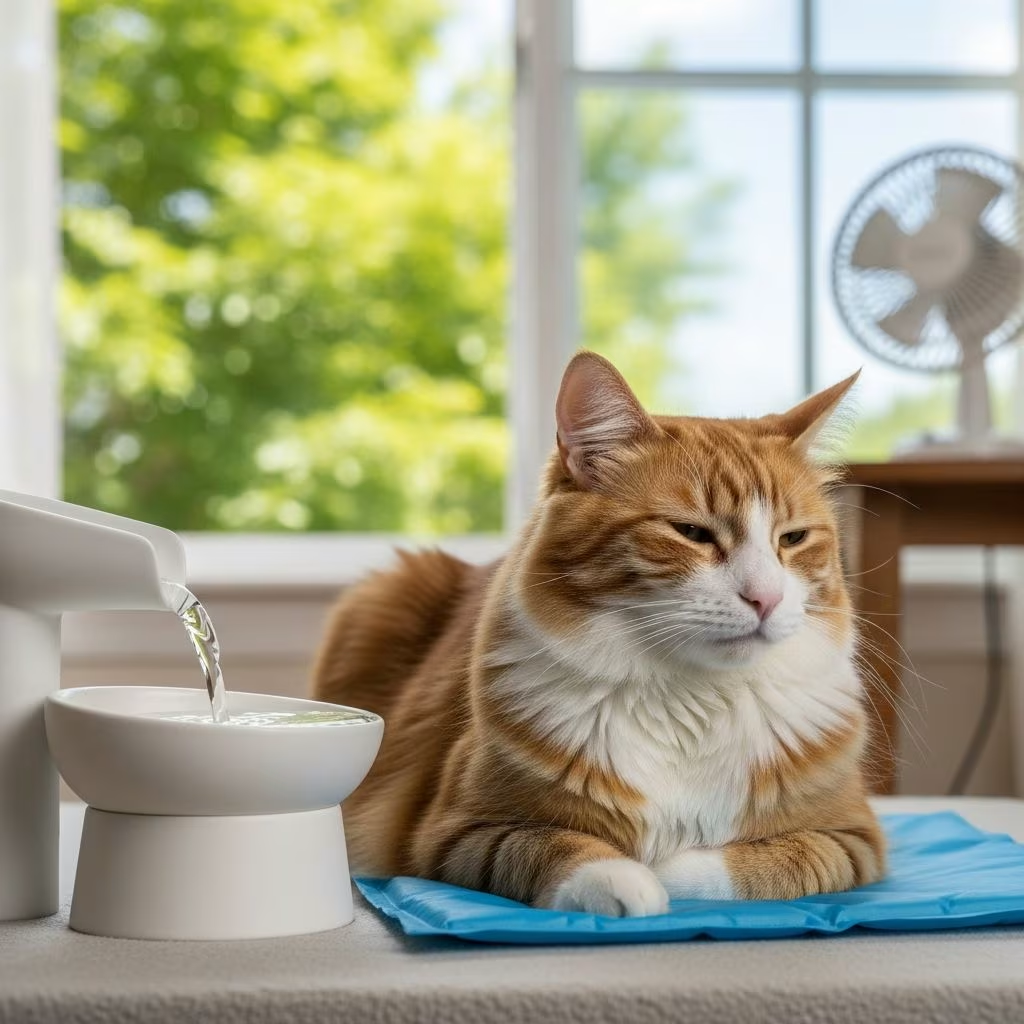
As temperatures rise during the warmer months, cats face unique physiological challenges that demand proactive care from their owners. Unlike humans, felines possess limited cooling mechanisms and cannot effectively regulate their body temperature through perspiration, making them significantly more vulnerable to heat-related illnesses. Understanding how to create a safe, comfortable environment for your cat during summer months is essential for preventing serious health complications and ensuring your pet thrives throughout the season.
Understanding Feline Heat Vulnerability
Cats have evolved as heat-tolerant animals, yet their physiological limitations in warm climates create substantial risks. Their inability to sweat like humans means they rely on behavioral adaptations and environmental factors to maintain safe body temperatures. Certain cats face elevated risk during summer months, including senior felines, overweight individuals, those with respiratory or cardiac conditions, and breeds with thick coats or flat facial structures.
A cat’s normal body temperature ranges between 100.5°F and 102.5°F. When temperature exceeds 104°F, immediate intervention becomes necessary. Temperatures reaching 107°F indicate potential heat stroke complications. Recognizing these thresholds helps owners respond quickly when their cat’s health is at risk.
Hydration: The Foundation of Summer Safety
Maintaining optimal hydration represents the cornerstone of summer cat care. Dehydration accelerates heat-related illness progression and compromises your cat’s ability to regulate body temperature effectively. Multiple strategies can enhance water consumption:
- Multiple Water Stations: Place water bowls in various locations throughout your home, encouraging your cat to drink regularly.
- Fresh Water Maintenance: Change water bowls multiple times daily to keep water cool and clean, as cats prefer fresh water over stale options.
- Pet Fountain Systems: Circulating water fountains keep water moving and aerated, encouraging increased consumption while maintaining freshness throughout the day.
- Wet Food Supplementation: Incorporate wet cat food into your cat’s diet to increase overall fluid intake beyond water consumption alone.
- Frozen Treats: Some cats enjoy ice cubes as refreshing treats that contribute to hydration while providing entertainment.
Consistent monitoring of your cat’s water bowl ensures adequate supply throughout hot days. Cats cannot survive extended periods without water, making this care element non-negotiable during summer months.
Creating Cool Resting Environments
Environmental temperature management directly impacts your cat’s ability to maintain safe body temperature. Strategic environmental modifications create comfortable spaces throughout your home:
Indoor Climate Control
Air conditioning provides optimal temperature regulation for indoor cats. When air conditioning is unavailable, fans create air circulation that facilitates evaporative cooling. Position fans strategically to direct air flow toward your cat’s favorite resting areas without creating drafts that may cause discomfort. Well-ventilated spaces prevent hot spots and stagnant air that amplify heat stress.
Shade and Shelter Accessibility
For outdoor cats or those with access to patios and catios, adequate shade becomes critical. Natural shade from trees and vegetation provides excellent temperature reduction. When natural shade is unavailable, create artificial shaded areas using cloth, cardboard, or commercial shade structures. Barn cats and outdoor dwelling felines require well-ventilated shelter spaces that prevent heat accumulation while offering protection from direct sunlight.
Surface Considerations
Hard surfaces like tile, concrete, and stone absorb and retain heat, making them uncomfortable for cats during peak heat hours. Provide natural grass or soil surfaces when possible, as these materials remain cooler than artificial surfaces. Cooling mats designed specifically for pets offer comfortable alternatives when natural cool surfaces are unavailable.
Grooming and Coat Management
A cat’s coat serves multiple functions, including sun protection and temperature regulation. Strategic grooming enhances cooling while maintaining coat integrity:
- Daily Brushing: Regular brushing removes excess fur and matted hair that traps heat, particularly important for long-haired breeds.
- Mat Prevention: Matted hair significantly impedes heat dissipation, making mat removal essential during warm months.
- Shaving Considerations: Outdoor cats should not be shaved unless matte develops, as their coat protects against sun exposure and aids temperature regulation. Indoor cats may benefit from summer trims that reduce heat retention without removing protective layers entirely.
- Professional Grooming: Professional groomers can provide expert summer trims tailored to your cat’s specific coat type and lifestyle.
Increased grooming frequency during summer months prevents heat-related coat complications while keeping your cat more comfortable in warm weather.
Activity Timing and Exercise Management
Outdoor activity during peak heat hours dramatically increases heatstroke risk. Schedule your cat’s outdoor time strategically:
- Limit outdoor activities to early morning hours before temperatures peak
- Resume outdoor access during evening hours after temperatures decline
- Avoid strenuous activities during midday heat
- Restrict catio access on hot or humid days
- Monitor your cat’s activity level indoors and encourage rest during peak heat hours
Cats naturally reduce activity during extreme heat, conserving energy and minimizing metabolic heat generation. Supporting this natural behavior by providing comfortable rest spaces helps your cat manage their body temperature effectively.
Hazardous Environments to Avoid
Certain spaces pose extreme heat accumulation risks that can rapidly become dangerous:
- Parked Vehicles: Never leave cats unattended in parked cars, even briefly, as interior temperatures reach dangerous levels within minutes.
- Enclosed Hot Rooms: Sealed rooms without ventilation or air conditioning can become dangerously hot.
- Conservatories and Greenhouses: These structures magnify solar heat while excluding cooling breezes, creating hazardous temperature spikes even on mild days. Accidentally trapping cats in these spaces poses severe risks.
- Clothes Dryers: Always check dryer interiors before use, as cats may seek cool spaces inside and become accidentally trapped with fatal consequences.
Establishing household awareness about these hazards prevents accidental heat exposure and ensures all family members understand summer safety protocols.
Recognizing Heatstroke Warning Signs
Despite preventative efforts, heatstroke can develop rapidly. Recognizing early warning signs enables immediate intervention:
- Excessive panting
- Staring or glazed expression
- Anxious or distressed demeanor
- Warm, dry skin to the touch
- Elevated body temperature
- Rapid heart rate
- Vomiting or gastrointestinal distress
- Loss of coordination or collapse
- Sweaty paws
Any combination of these symptoms requires immediate action and veterinary consultation.
Emergency Cooling Techniques
If you suspect heatstroke, implement cooling measures immediately while arranging veterinary care:
Immediate First Response
Move your cat to an air-conditioned area or well-ventilated space with active cooling. Avoid sudden temperature extremes that shock the system. Begin gradual cooling measures while monitoring your cat’s response.
Cooling Application Methods
Apply cool, damp towels to your cat’s back and, if tolerated, their abdominal area. Additionally, wet the paw pads and ear areas with cool water, as these regions facilitate efficient heat exchange. Placing cool washcloths in armpits and groin areas provides additional heat dissipation through major blood vessels close to the surface.
A counter-intuitive but effective technique involves using warm water on ears, paws, and abdomen while positioning your cat near a fan, creating evaporative cooling similar to perspiration. Adding small amounts of rubbing alcohol to water enhances evaporative cooling effects.
Water Immersion Protocols
For severe heatstroke in otherwise healthy cats, brief cold water immersion can effectively lower body temperature. For senior cats or those with existing health conditions, use evaporative cooling methods instead of ice-cold water immersion. Continue cooling measures until your cat’s temperature drops to 103°F, then discontinue to prevent overcooling.
Hydration During Recovery
Offer cool water in small sips once your cat’s condition stabilizes, never forcing consumption. Some cats prefer ice cubes to lapping water during recovery.
Veterinary Care Requirements
Heatstroke requires professional veterinary evaluation and monitoring, even after initial home cooling efforts appear successful. Internal organ damage may develop without immediate symptoms, making professional assessment critical for ensuring complete recovery.
Special Considerations for High-Risk Cats
Certain felines require enhanced summer protection protocols:
| Cat Category | Risk Factors | Enhanced Protection Strategies |
|---|---|---|
| Senior Cats | Reduced metabolic regulation, pre-existing conditions | Maintain strictly controlled indoor temperatures, frequent temperature monitoring, minimize outdoor exposure |
| Overweight Cats | Increased metabolic rate, reduced heat dissipation | Indoor housing during peak heat, enhanced hydration, activity encouragement in cool environments |
| Thick-Coated Breeds | Excessive insulation trapping heat | Daily professional grooming, summer trims, cooling mat provision |
| Flat-Faced Breeds | Respiratory compromise affecting cooling | Strict indoor housing, climate control prioritization, activity limitation |
| Cardiac/Respiratory Conditions | System stress from heat exposure | Veterinary guidance, temperature monitoring, complete activity restriction during peak heat |
Paw Protection from Hot Surfaces
Outdoor pavement and sidewalks absorb intense solar heat, creating hazardous conditions for sensitive paw pads. Test surface temperature using the five-second rule: place the back of your hand on the surface—if you cannot comfortably hold it for five seconds, the surface is too hot for your cat’s paws. Burned paw pads cause severe pain and infection risk. Limit outdoor exposure during peak heat hours or use protective booties designed for cats.
Sunburn Prevention for Light-Colored Cats
Light-colored and hairless cats face sunburn risk during extended sun exposure. Provide shade during outdoor time and consult your veterinarian about appropriate sunscreen products designed for feline use. Never apply human sunscreen, which contains ingredients toxic to cats.
Summer Preventative Care Integration
Comprehensive summer cat care extends beyond heat management to include parasite prevention and wellness monitoring. Warmer months increase exposure to fleas, ticks, and heartworm-carrying mosquitoes, requiring robust preventative measures. Current vaccinations provide essential protection against summer-associated diseases. Establish regular veterinary check-ups during warm months to monitor your cat’s health and address emerging concerns promptly.
Creating a Year-Round Heat Safety Plan
Develop a comprehensive summer care strategy incorporating multiple protective elements. Document your cat’s normal behavior, temperature baseline, and warning signs specific to your individual pet. Share this information with family members, pet sitters, and boarding facilities to ensure consistent protective protocols. Maintain a pet first aid kit specifically prepared for heat-related emergencies, including thermometers, cool packs, and emergency contact information for veterinary care providers offering extended hours during warm months.
By implementing these evidence-based strategies, you create multiple protective layers that significantly reduce heatstroke risk while promoting your cat’s comfort and well-being throughout summer months. Proactive environmental management, consistent hydration maintenance, strategic activity planning, and rapid response protocols transform summer from a season of concern into an opportunity for enjoyable activities with your feline companion.
References
- Summer Pet Safety: Preventing Heatstroke and Dehydration — BBVSH. Accessed February 2026. https://bbvsh.com/blog/summer-pet-safety-preventing-heatstroke-and-dehydration/
- Cool Cats: Summer Safety Tips for Outdoor Cats — American Animal Hospital Association (AAHA). Accessed February 2026. https://www.aaha.org/resources/cool-cats-summer-safety-tips-for-outdoor-cats/
- Heat Stroke in Cats – Symptoms & Treatments — Purina US. Accessed February 2026. https://www.purina.com/articles/cat/health/symptoms/heat-stroke-in-cats
- Heatstroke in Cats: Signs, Treatment, and Prevention — PetMD. Accessed February 2026. https://www.petmd.com/cat/conditions/systemic/heatstroke-cats
- How to Protect Your Pet from Extreme Heat: Preventing Heatstroke and Summer Care Tips — Jefferson Animal Hospital. Accessed February 2026. https://www.jeffersonanimalhospital-stl.com/blog/how-to-protect-your-pet-from-extreme-heat-preventing-heatstroke-and-summer-care-tips
- How To Keep A Cat Cool In Hot Weather — Vets Now. 2017. https://www.vets-now.com/2017/05/how-to-keep-cats-cool-in-summer-heat/
- Beat The Heat: Summer Care Tips For Cats — Duluth Animal Hospital. Accessed February 2026. https://duluthanimalhospital.com/blog/beat-the-heat-summer-care-tips-for-cats/



