

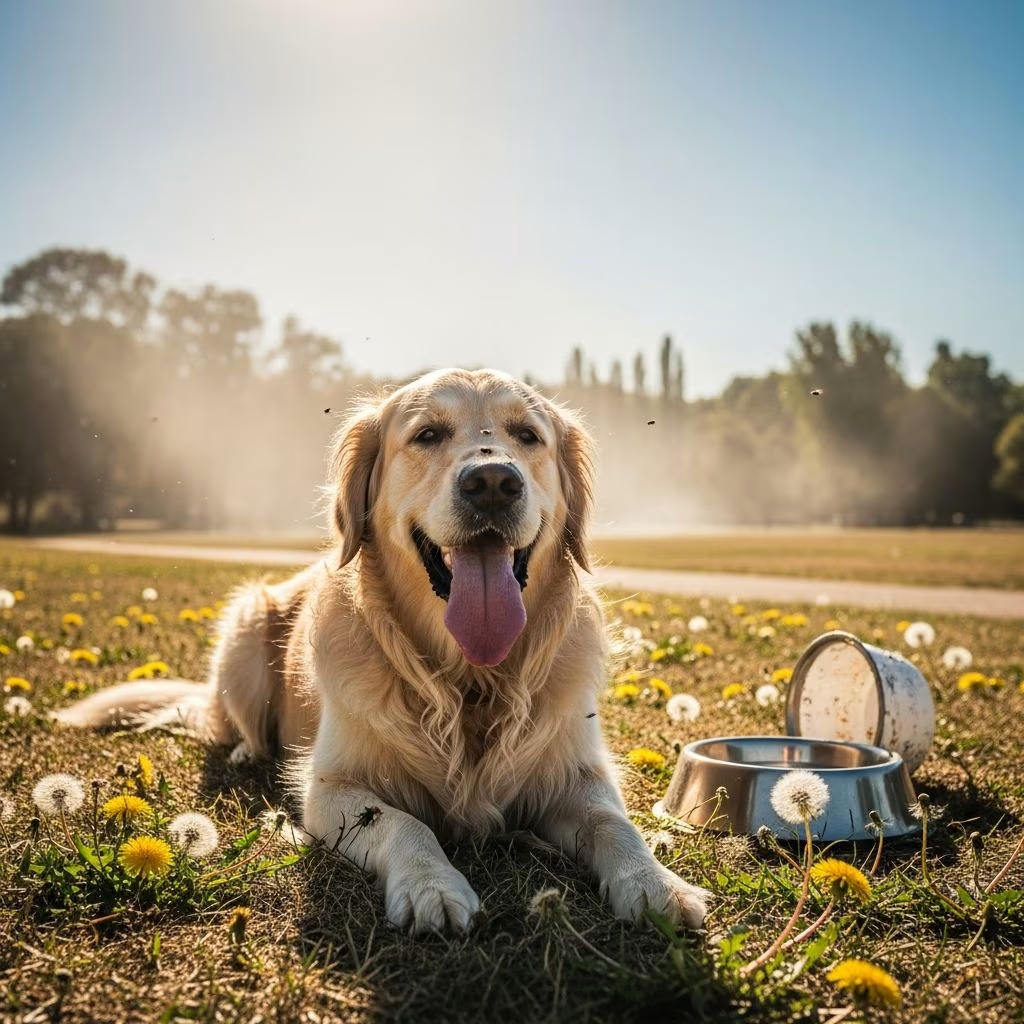
Summer brings joy for dog owners with outdoor adventures, but warmer temperatures introduce significant health risks for dogs. Dogs cannot sweat like humans and rely primarily on panting to cool down, making them vulnerable to overheating, burns, dehydration, and other seasonal threats. Understanding these risks and taking preventive measures is crucial to ensure your dog’s safety and well-being during hot months.
Heatstroke in Dogs
Heatstroke, also known as heat exhaustion in milder forms, is one of the most dangerous summer risks for dogs. It occurs when a dog’s body temperature rises above 104°F (40°C), potentially reaching fatal levels over 107°F (41.7°C). Brachycephalic breeds like Pugs, Bulldogs, and French Bulldogs are at higher risk due to their short airways, as are obese dogs, seniors, and those with heart or lung conditions.
Early detection is vital for recovery. Symptoms progress rapidly, often within minutes of heat exposure.
- Excessive panting and drooling: Intense panting beyond normal cooling, with thick, foamy saliva.
- Bright red or pale gums: Gums turn vivid red from blood flow or pale in shock; may appear tacky or dry.
- Increased heart rate: Rapid pulse that’s weak or racing as the body struggles to cool.
- Dizziness and lack of coordination: Stumbling, disorientation, ataxia (staggering), or collapse due to nervous system impact.
- Vomiting or diarrhea: Gastrointestinal distress, sometimes with blood.
- Seizures or unconsciousness: Severe cases lead to tremors, seizures, coma, or death.
If you suspect heatstroke, act immediately: Move your dog to a cool, shaded area with airflow. Soak fur with tepid (not ice-cold) water and fan them. Do not give human medications. Transport to an emergency vet for IV fluids, oxygen, and organ monitoring. Prevention includes never leaving dogs in cars (temperatures can rise 30°F in 30 minutes), avoiding exercise during peak heat (10am-4pm), providing constant shade and water, and walking on grass instead of hot surfaces.
Hot Pavement Burns
Asphalt, concrete, and sand retain heat, reaching temperatures over 120°F (49°C) when air is 85°F (29°C), causing paw pad burns. Dogs’ paws lack sweat glands, and burns can occur in seconds on surfaces above 120°F.
- Test pavement with your hand: If too hot for 5 seconds, it’s unsafe for paws.
- Signs of burns: Limping, licking paws excessively, blisters, redness, or blackened pads.
Prevention: Walk early morning or evening, use booties or paw wax, stick to grass or dirt paths, and hydrate paws post-walk. Treat minor burns with cool water and vet-prescribed ointment; severe cases need professional care to prevent infection.
Dehydration and Water Safety
Dogs dehydrate quickly in heat, losing fluids through panting. Signs include dry gums, sunken eyes, lethargy, and skin that tents when pinched. Provide fresh, cool water always—aim for 1 ounce per pound of body weight daily, more in heat.
Water hazards: Pools without fences risk drowning; unsupervised swims can lead to exhaustion. Blue-green algae in lakes/ponds is toxic, causing seizures or liver failure. Prevention: Supervise water play, teach life jackets for poor swimmers, rinse after saltwater/chlorine exposure, and avoid stagnant water.
Parasite Risks
Summer humidity boosts fleas, ticks, mosquitoes, and heartworm-carrying bugs. Ticks transmit Lyme disease; mosquitoes spread heartworm. Check fur daily, use vet-recommended preventives year-round. Indoor cooling doesn’t eliminate risk—treat all pets and yards.
Other Summer Hazards
- Barbecue toxins: Avoid grapes, onions, chocolate, fatty scraps causing pancreatitis or poisoning.
- Fireworks/BBQs: Stress from noise; hot grills burn curious noses.
- Overexertion: Shorten play; watch for fatigue.
General Prevention Tips
| Risk | Prevention Strategies |
|---|---|
| Heatstroke | Avoid cars, exercise in cool hours, shade/water access |
| Paw Burns | Booties, morning/evening walks, paw balm |
| Dehydration | Constant fresh water, add ice cubes |
| Parasites | Monthly preventives, tick checks |
Acclimate gradually, groom for airflow, and consult vets for breed-specific advice.
Frequently Asked Questions (FAQs)
Q: How hot is too hot for dog walks?
A: If air exceeds 80°F (27°C) with humidity, limit walks. Use the 7-second rule for pavement.
Q: Can dogs get sunburn?
A: Yes, light-skinned/nose areas burn; use dog-safe sunscreen.
Q: What breeds are most at risk for heatstroke?
A: Brachycephalic breeds (Pugs, Bulldogs), obese, or ill dogs.
Q: How do I cool a heatstroked dog?
A: Tepid water, fan, vet immediately—avoid ice.
Q: Is air conditioning enough protection?
A: No; power outages or car rides still pose risks.
References
- 6 Signs of Heat Stroke in Dogs — Cheyenne Mountain Animal Hospital. 2023. https://cheyennepets.com/blog/dog-heat-stroke-colorado-springs-co/
- Heat Stroke In Dogs – Signs, Symptoms & Treatment — Animal Emergency Service. 2024. https://animalemergencyservice.com.au/blog/heat-stroke-in-dogs/
- Recognizing and Preventing Heat Exhaustion — Tampa Vet. 2023. https://www.tampavet.com/DrWebsters-Blog/preventing-heat-exhaustion-dogs/
- Heat Stroke in Pets: Symptoms, Emergency Care, and Prevention — Animal Medical Center Plainfield. 2024. https://www.animalmedicalcenterplainfield.com/blog/heat-stroke-in-pets-symptoms-emergency-care-and-prevention
- Heat Stroke in Dogs: Warning Signs and What to Do Immediately — GSVS. 2023. https://gsvs.org/blog/signs-heat-stroke-dogs-emergency/
- Heat Stroke and Heat Exhaustion in Dogs — AKC Canine Health Foundation. 2022. https://www.akcchf.org/disease-history/heat-stroke-and-heat-exhaustion/
- Heatstroke in Dogs — BluePearl Pet Hospital. 2024. https://bluepearlvet.com/hospital/irvine-ca/specialties-services/emergency-medicine/heatstroke-in-dogs/



