

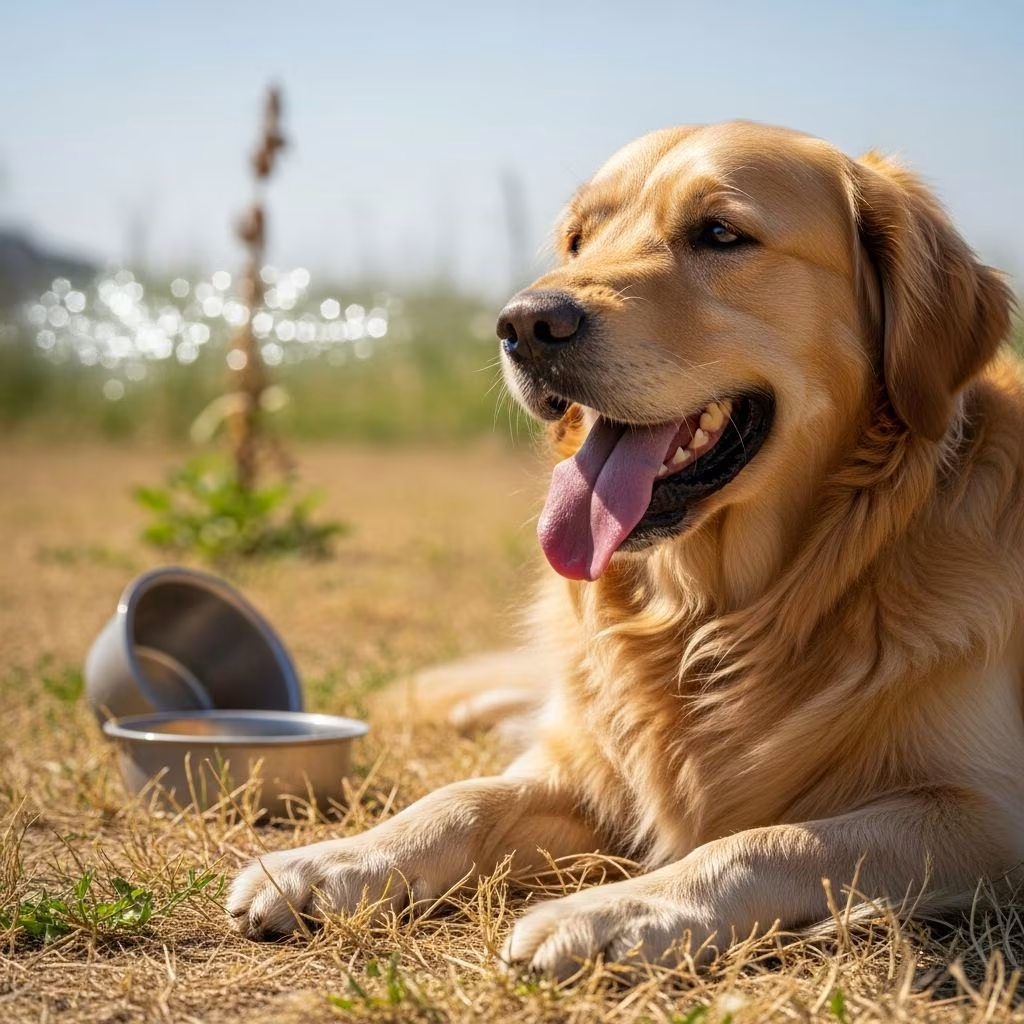
Summer brings joy with outdoor adventures, but it also poses serious health risks for dogs. High temperatures, intense sunlight, and increased outdoor activity can lead to heatstroke, dehydration, sunburn, paw burns, parasite infestations, and exposure to toxins. Understanding these dangers and taking preventive measures is crucial for keeping your furry friend safe and healthy during the warmer months. This comprehensive guide covers the most common summer hazards, symptoms to watch for, and practical prevention strategies backed by veterinary expertise.
Heatstroke and Overheating
**Heatstroke is one of the most life-threatening summer risks for dogs.** Unlike humans, dogs primarily cool themselves through panting and have limited sweat glands only on their paws, making them vulnerable in hot, humid conditions. Brachycephalic breeds (e.g., Bulldogs, Pugs), obese dogs, seniors, and those with heart or respiratory issues are at higher risk. Even short exposure to high heat can cause organ damage or death if untreated.
Symptoms include excessive panting, drooling, rapid heartbeat, bright red gums, weakness, vomiting, diarrhea, seizures, and collapse. According to Dr. Gabriela Rivas from Texas A&M Veterinary Medicine, heatstroke occurs when panting becomes ineffective, especially in poorly ventilated areas like cars. Never leave your dog in a parked car—even with windows cracked—as interior temperatures can exceed 120°F when it’s 80°F outside.
- Avoid exercise during peak heat (10 AM–4 PM); opt for early morning or evening walks.
- Provide constant access to fresh, cool water and shaded areas.
- Use fans or air conditioning; wet with lukewarm (not ice-cold) water to cool safely.
- If symptoms appear, move to shade, cool gradually, and seek immediate vet care—do not submerge in ice water as it can worsen shock.
Dehydration
**Dehydration strikes quickly in summer heat, exacerbating heatstroke risk.** Dogs lose fluids rapidly through panting, and active or small breeds are especially susceptible. Early signs: dry gums, sunken eyes, lethargy, loss of skin elasticity (skin tents when pinched). Severe cases lead to organ failure.
Prevent by carrying water on outings and encouraging frequent drinks. Add ice cubes or pet-safe electrolyte solutions during extreme heat. Monitor intake—healthy dogs drink about 1 ounce per pound of body weight daily, more in heat.
- Refill bowls multiple times daily; use fountains to entice drinking.
- Avoid saltwater ingestion at beaches, which causes vomiting and further dehydration.
Sunburn
**Short-haired, light-skinned, or white dogs can suffer painful sunburns on noses, ears, bellies, and groins.** UV rays penetrate fur thinly, causing redness, blistering, and long-term skin cancer risk. Hairless breeds like Chinese Cresteds are most vulnerable.
Apply vet-approved pet sunscreen 30 minutes before sun exposure; reapply as needed. Limit direct sun during peak hours and provide shade. Trim fur for airflow but avoid close shaves that expose skin.
Hot Pavement and Paw Burns
**Asphalt, concrete, and sand can reach 140°F+ when air is 85°F, burning delicate paw pads.** Test by holding your hand to the surface—if too hot for 5 seconds, it’s too hot for paws. Scorched pads blister, crack, and become infected.
Walk on grass, use booties, or stick to cooler times. After walks, inspect and clean paws; apply paw balm for protection.
- Schedules walks pre-9 AM or post-7 PM.
- Avoid hot beaches; cool paws in water post-exposure.
Fleas, Ticks, and Heartworm
**Summer humidity boosts fleas, ticks, and mosquitoes, vectors for Lyme disease, Ehrlichiosis, and heartworm.** Ticks embed painfully and transmit bacteria; heartworm devastates lungs and heart.
Consult vets for monthly preventatives (topical, oral). Check fur daily, especially ears, armpits, groin. Vacuum homes/yards; use pet-safe treatments. Test for heartworm annually.
Water Safety
**Blue-green algae, rip currents, and exhaustion endanger dogs in water.** Not all dogs swim well; life vests are essential for boats/beaches. Saltwater causes salt poisoning (vomiting, seizures); avoid drinking.
Supervise closely; rinse after swims. Check water conditions for jellyfish risks.
- Fit canine life jackets with handles.
- Start with shallow, calm waters for training.
Toxins and Chemicals
**Fertilizers, pesticides, rodenticides, and human foods (grilled meats with xylitol sauces) lure curious noses.** Cocoa mulch, antifreeze spills, and foxtails (grass awns causing infections) are hidden threats.
Keep dogs off treated lawns until dry; store toxins securely. Remove foxtails promptly.
Other Risks
- Parasites: Update vaccines; beware insect bites.
- Overexertion: unfit dogs risk strains on sand; build stamina gradually.
- Leptospirosis: from contaminated water/soil; vaccinate.
| Activity | Risk Level | Safety Tips |
|---|---|---|
| Midday Walks | High | Switch to dawn/dusk |
| Parked Car | Extreme | Never leave unattended |
| Beach Swim | Medium | Life vest, fresh water rinse |
| Shaded Yard Play | Low | Water + cooling breaks |
Frequently Asked Questions (FAQs)
Q: How can I tell if my dog has heatstroke?
A: Look for heavy panting, drooling, red gums, weakness, or collapse. Cool immediately and rush to vet.
Q: Can dogs get sunburned?
A: Yes, especially light-skinned/short-haired dogs on nose/ears. Use pet sunscreen and shade.
Q: Is it safe to walk dogs on hot pavement?
A: No—test with hand; use booties or grass only.
Q: How to prevent fleas/ticks in summer?
A: Vet-recommended preventatives, daily checks, yard treatments.
Q: What if my dog drinks pool water?
A: Chemicals irritate stomach; limit access, provide fresh water.
Q: Are cooling vests effective?
A: Yes, for active dogs; combine with hydration.
By staying vigilant, you ensure summer fun without health scares. Schedule a vet checkup early summer for tailored advice.
References
- Keep Your Pup Safe This Summer: 10 Essential Safety Tips for Dogs — Morgan Veterinary Practice. 2023-07. https://www.morganveterinarypractice.com/blog/keep-your-pup-safe-this-summer-10-essential-safety-tips-for-dogs
- Keeping Dogs Cool For The Summer To Prevent Heatstrokes — Texas A&M University School of Veterinary Medicine. 2023-07-27. https://stories.tamu.edu/news/2023/07/27/keeping-dogs-cool-for-the-summer-to-prevent-heatstrokes/
- Canine Summer Safety Tips — American Kennel Club (AKC). Accessed 2026. https://www.akc.org/public-education/resources/general-tips-information/summer/
- Summer Pet Safety Tips: How to Keep Your Pets Cool and Healthy in the Heat — Hartzells. Accessed 2026. https://www.hartzells.com/post/summer-pet-safety-tips-how-to-keep-your-pets-cool-and-healthy-in-the-heat
- Hot Weather Safety Tips — ASPCA. Accessed 2026. https://www.aspca.org/pet-care/general-pet-care/hot-weather-safety-tips
- Warm Weather Pet Safety — American Veterinary Medical Association (AVMA). Accessed 2026. https://www.avma.org/resources-tools/pet-owners/petcare/warm-weather-pet-safety
- Protecting Your Pet During Hot Weather — California Department of Public Health (CDPH). Accessed 2026. https://www.cdph.ca.gov/Programs/EPO/Pages/Extreme%20Heat%20Pages/BI_Natural-Disasters_Extreme-Heat_Protect-your-Pet.aspx



