
Summer Cat Care: Keeping Felines Safe in Heat
Essential strategies to protect your cat from overheating and heat-related illness
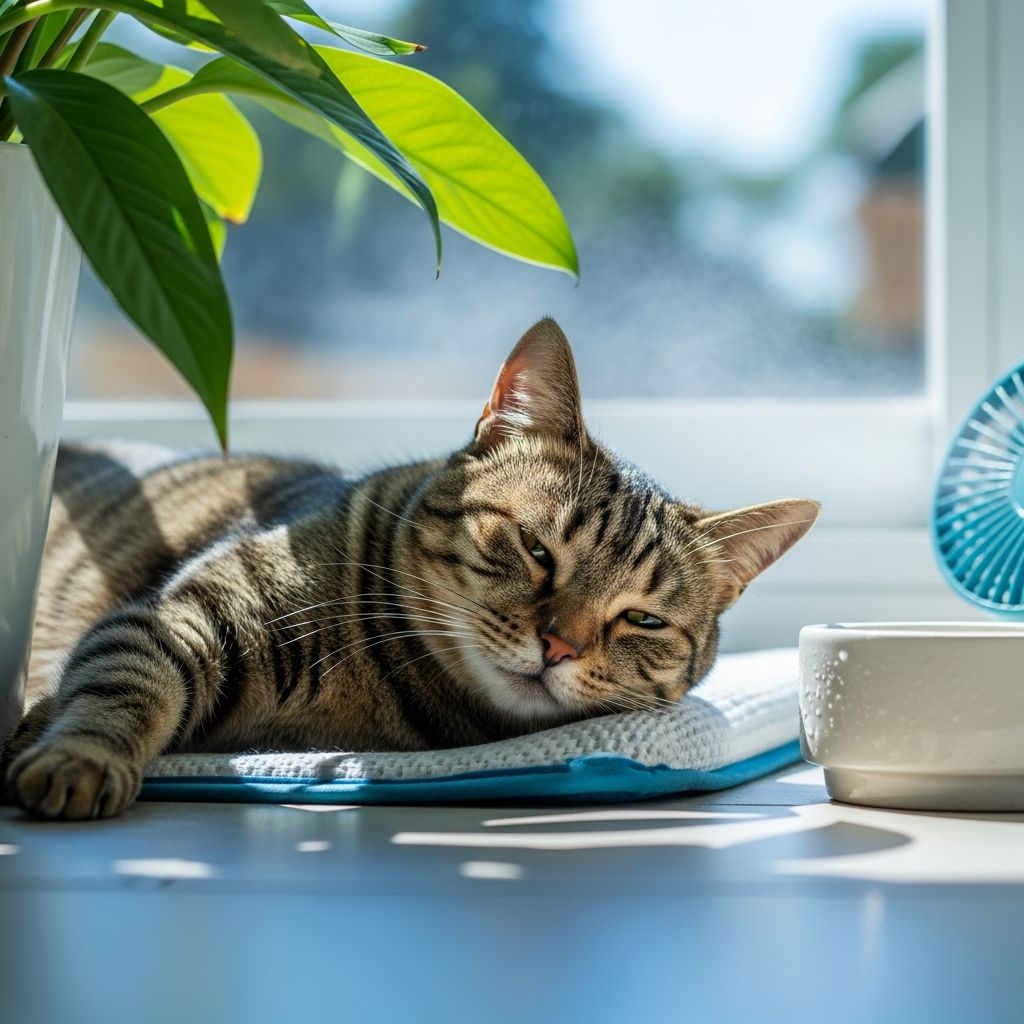
As temperatures rise during warmer months, cat owners face an important challenge: protecting their feline companions from heat-related stress and illness. Unlike humans, cats cannot sweat efficiently to cool their bodies, making them particularly vulnerable to elevated temperatures. With their thick fur coats and lower tolerance for extreme heat, cats require proactive care strategies to remain comfortable and healthy. Understanding the various methods to maintain your cat’s wellbeing during hot weather is essential for responsible pet ownership.
The Challenge of Heat Regulation in Cats
Cats are inherently susceptible to heat stress because their cooling mechanisms differ significantly from those of humans. Rather than relying on sweat glands distributed across their bodies, cats primarily cool themselves through panting and perspiring through their paw pads. This limited cooling capacity means that even moderately elevated temperatures can pose health risks. Cats with dense, long-haired coats face additional challenges, as their fur provides insulation that can trap body heat. Additionally, certain breeds, older cats, and those with pre-existing health conditions experience heightened vulnerability to heat-related complications.
Establishing a Water Management System
Consistent hydration represents one of the most critical components of summer cat care. Dehydration accelerates heat stress and can lead to serious health consequences. Rather than relying on a single water bowl, establish multiple hydration stations throughout your home to encourage frequent drinking. Place water bowls in your cat’s favorite resting areas, ensuring they encounter drinking opportunities naturally throughout their day.
Enhance water appeal by refreshing bowls multiple times daily, keeping the water temperature cool. Adding ice cubes during particularly warm periods provides a refreshing element that many cats find appealing. For cats showing reluctance toward standing water, consider investing in a water fountain designed for feline use. The flowing, moving water in these fountains stimulates natural drinking instincts and maintains water freshness longer than stationary bowls. Additionally, incorporating moisture-rich foods such as wet cat food can supplement hydration intake and support overall fluid balance.
Optimizing Indoor Environmental Conditions
The indoor environment significantly influences your cat’s comfort during hot weather. Utilize air conditioning as your primary cooling tool, maintaining a consistent, moderate temperature throughout your home. If air conditioning is unavailable, strategic use of fans creates beneficial air circulation that aids cooling. Position floor or ceiling fans to promote airflow without creating drafts that might disturb your cat.
Window treatments play an important role in temperature management. Use lightweight, breathable curtains or UV-filtering window films to block direct sunlight while preserving natural light penetration. This approach minimizes heat accumulation while maintaining visibility and reducing the temperature of surfaces where your cat may rest. Close curtains during peak sun hours when outdoor temperatures reach their maximum intensity.
Provide designated cool zones throughout your home where your cat can retreat during hot periods. These spaces should feature comfortable, breathable bedding positioned away from direct sunlight. Cool surfaces such as tile floors naturally provide relief when your cat lies down, while cooling mats specifically designed for pets offer additional comfort. These specialized pads absorb body heat and dissipate it efficiently, creating personalized cooling spots in your cat’s preferred lounging areas.
Strategic Scheduling of Outdoor Activity
If your cat has outdoor access, carefully manage their time outside during summer months. The period between 10 a.m. and 4 p.m. represents peak heat danger, as solar intensity and ambient temperature reach their highest levels. Restrict outdoor activities to early morning hours or late evening when temperatures cool considerably. This scheduling adjustment protects your cat from excessive heat exposure while preserving their access to outdoor enrichment.
When your cat does spend time outside during warmer months, ensure abundant shade access through trees, shrubs, covered patios, or specially designed cat shelters. Supervise sunbathing sessions, as cats may become so engaged in relaxing that they fail to recognize overheating warning signs. Provide water outdoors in multiple locations to encourage hydration during external activities. For cats accustomed to frequent outdoor time, gradually adjust their outdoor schedule during heat periods to minimize stress from routine changes.
Modifying Activity and Exercise Patterns
Physical activity generates internal heat through muscular exertion, intensifying overheating risks during warm weather. Redirect play activities toward low-intensity options that provide mental stimulation without substantial physical effort. Interactive puzzle feeders, treat-dispensing toys, and climbing structures with minimal jumping demands offer enrichment while maintaining activity at appropriate levels.
Schedule playtime sessions during cooler periods—early morning or evening hours—when ambient temperature permits more vigorous engagement without excessive heat generation. Maintain flexibility in recognizing your cat’s comfort levels; cats naturally reduce their activity during heat as a self-protective mechanism. Honor these signals by providing quiet, cool environments where your cat can rest undisturbed. Monitor behavioral changes that might indicate your cat is reaching uncomfortable temperature levels.
Utilizing Specialized Cooling Products
Modern pet care includes various cooling products engineered to help cats manage heat stress. Cooling collars, vests, and mats utilize gel-based technology that absorbs body heat and maintains cool temperatures for extended periods. These products come in different styles and sizes; select options that fit comfortably without restricting movement or breathing. Some designs allow for refrigeration or freezing before use, providing additional temperature reduction when positioned in your cat’s rest areas.
Before purchasing cooling products, verify that your cat tolerates wearing or lying on unfamiliar items. Cats with sensitive temperaments may resist new equipment, requiring gradual introduction and positive association through treats or gentle encouragement. Quality matters significantly; invest in products from reputable manufacturers that prioritize safety and comfort for feline users.
Grooming Practices for Heat Management
Regular grooming during summer months supports heat regulation and prevents complications from excessive shedding. Brushing cats more frequently than usual removes excess fur that would otherwise trap heat against the skin. This practice proves particularly beneficial for long-haired breeds whose dense coats accumulate significant heat. Consult with your veterinarian before considering professional grooming or trimming, as completely shaved coats may expose sensitive skin to sunburn and discomfort.
Recognizing Heat Stress Warning Signs
Understanding heat stress indicators enables rapid intervention when your cat experiences concerning symptoms. Early warning signs include excessive panting, drooling, lethargy, and apparent disorientation. Your cat may seek out cool surfaces constantly or show reluctance to move. More serious indicators include vomiting, diarrhea, rapid or shallow breathing, and unresponsiveness to normal stimuli. These signs suggest potential heatstroke requiring immediate veterinary attention.
If you observe heat stress symptoms, immediately move your cat to a cool, air-conditioned area. Place a cool, damp towel on their back and, if tolerated, under their belly. Gently rub cool water on paw pads and ear areas to facilitate temperature reduction. Offer cool water to drink without forcing consumption, as stress may inhibit drinking. Contact your veterinarian immediately for professional guidance and potential emergency care.
Preparing for Extreme Heat Events
Heat waves present intensified risks requiring proactive preparation. Monitor weather forecasts regularly and anticipate extreme heat conditions by implementing enhanced cooling measures before temperatures peak. Stock necessary supplies including extra cooling products, fresh water storage, and any medications your cat might need. Maintain an emergency contact list with your veterinarian’s information readily accessible.
During heat wave conditions, never leave your cat unattended in vehicles, even briefly. Car interiors heat rapidly to dangerous temperatures that can prove fatal within minutes. Additionally, keep your dryer door closed and check the interior before use, as cats sometimes seek shelter in this warm, confined space. Avoid leaving your cat on a catio or enclosed outdoor space during extremely hot or humid days, as limited shade and air circulation create dangerous microclimates.
Specialized Considerations for High-Risk Cats
Certain cats require additional attention during summer months. Elderly cats, those with cardiac or respiratory conditions, overweight cats, and certain breeds such as Persians or Himalayans face elevated heat sensitivity. Indoor cats accustomed to climate-controlled environments may struggle with heat exposure more than outdoor-adapted cats. Discuss individual heat management strategies with your veterinarian, especially if your cat has pre-existing health concerns that could be exacerbated by heat stress.
Dietary Adjustments for Summer Comfort
Modify your cat’s diet to support hydration and temperature regulation. Wet food contains higher moisture content than dry kibble, contributing to overall fluid intake. Frozen treats made from tuna, chicken, or other feline-approved foods provide refreshment while encouraging consumption of hydrating elements. Consult your veterinarian before making significant dietary changes to ensure nutritional requirements remain met during summer months.
Home Environment Safety Considerations
Beyond cooling, summer heat management involves preventing heat-related hazards. Check that screens remain secure on open windows to prevent falls while maintaining airflow. Ensure adequate ventilation in all rooms where your cat spends time. Apply sunscreen or insect repellent only when products are confirmed safe for feline use, as many human formulations contain toxins harmful to cats. When using any new product on or around your cat, verify veterinary approval first.
Quick Reference: Summer Safety Checklist
- Maintain fresh, cool water in multiple locations throughout your home
- Utilize air conditioning or fans to promote consistent air circulation
- Install window treatments to reduce direct sun exposure
- Create designated cool zones with comfortable bedding
- Restrict outdoor time to early morning and evening hours
- Schedule active play during cooler periods
- Brush your cat regularly to manage excess fur
- Monitor for heat stress warning signs consistently
- Keep emergency veterinary contact information accessible
- Avoid leaving your cat in vehicles or enclosed outdoor spaces
Frequently Asked Questions
How can I tell if my cat is overheating?
Cats experiencing heat stress often display excessive panting, drooling, lethargy, and disorientation. They may seek cool surfaces constantly or show reduced responsiveness. More severe symptoms include vomiting, rapid breathing, and unresponsiveness, indicating potential heatstroke requiring emergency veterinary care.
Is it safe to bathe my cat to cool them down?
Most cats strongly dislike bathing and the stress associated with water exposure may actually worsen heat stress rather than alleviate it. Gentle application of cool damp towels provides cooling without the distress of full immersion.
Should I shave my cat’s fur for summer?
Complete fur removal exposes sensitive skin to sunburn and potential injury. Consult your veterinarian before professional grooming; regular brushing typically provides sufficient heat management for most cats.
Can I use cooling vests or collars on my cat?
Cooling products designed for cats can provide effective relief if they fit properly and your cat tolerates wearing them. Introduce these items gradually and monitor comfort levels closely.
What should I do if my cat refuses to drink water?
Try positioning multiple water bowls in different locations, using a cat-specific fountain, adding ice cubes, or incorporating wet food to increase moisture intake. Persistent refusal to drink warrants veterinary consultation.
References
- 10 Essential Tips to Prevent Cat Heatstroke — Mendocino Animal Hospital. https://mendocinoanimalhospital.net/blog/cat-heatstroke/
- Beat the Heat: 8 Strategies to Keep Your Cat Cool — Virginia Animal Medical Group. https://vamvh.com/beat-the-heat-8-strategies-to-keep-your-cat-cool/
- Heatstroke in Cats: Signs, Treatment, and Prevention — PetMD. https://www.petmd.com/cat/conditions/systemic/heatstroke-cats
- How to Keep Pets Safe During Extreme Heat: Tips for Dogs and Cats — American Humane. https://www.americanhumane.org/blog/how-to-keep-pets-safe-during-extreme-heat-tips-for-dogs-and-cats/
- 10 Tips to Keep Your Cat Cool This Summer — Arbor Veterinary Clinic. https://www.aercmn.com/blog/10-tips-to-keep-your-cat-cool-this-summer/
- Beat the heat! Tips to keep your cat cool. — VCA Animal Hospitals. https://vcahospitals.com/resources/conditions-cat/skin-coat/heatstroke-is-no-joke-tips-to-keep-your-cat-cool
- Hot Weather Safety Tips — ASPCA. https://www.aspca.org/pet-care/general-pet-care/hot-weather-safety-tips
Similar Articles








Read full bio of Sneha Tete




