

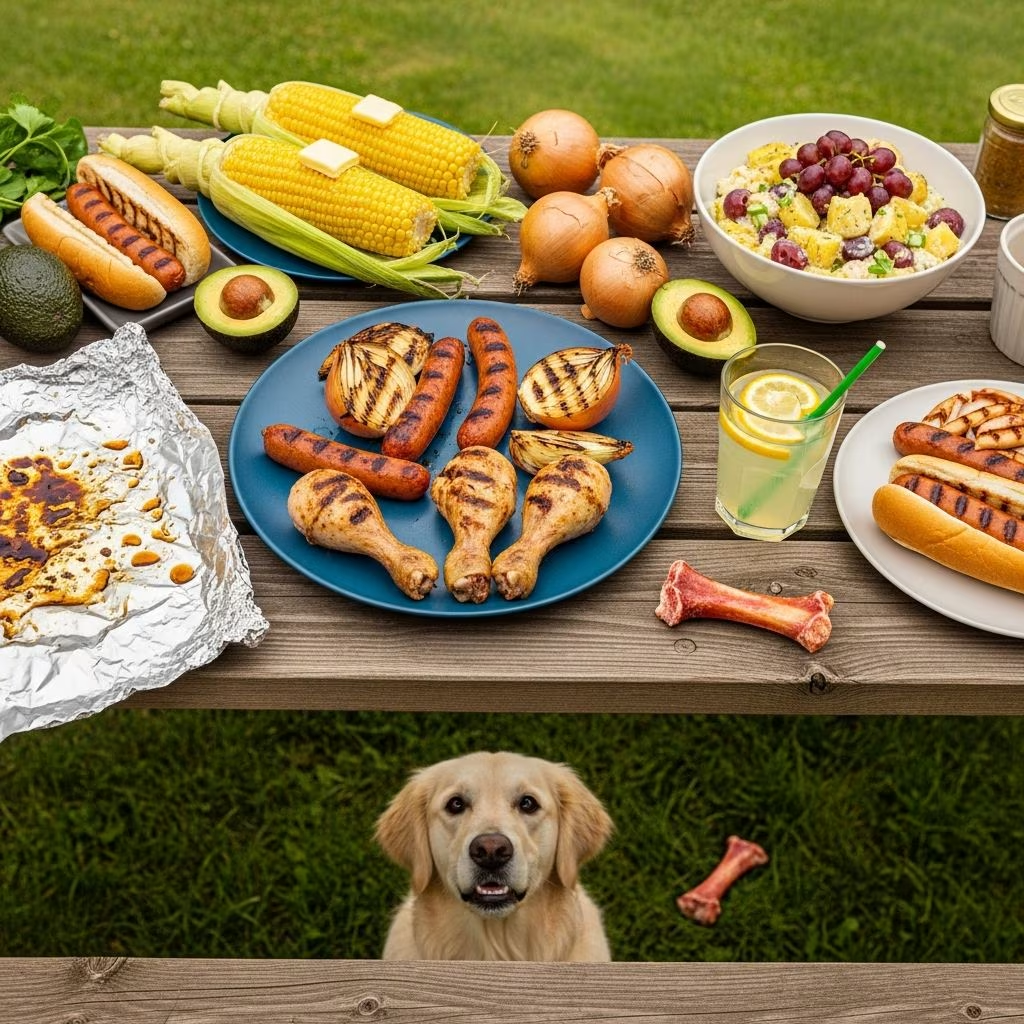
Summer BBQ Dangerous Foods for Dogs: A Complete Safety Guide
Summer barbecues are a cherished tradition for many families, bringing loved ones together to enjoy delicious food and outdoor festivities. However, when your canine companion is part of the celebration, it’s crucial to be aware of the potential hazards lurking on the grill and picnic table. Many popular BBQ foods that humans enjoy can pose serious health risks to dogs, from choking hazards to toxic ingredients that can cause severe illness. This comprehensive guide will help you navigate summer cookouts safely, ensuring your furry friend can enjoy the season without ending up at the emergency veterinary clinic.
Understanding the Risks: Why BBQ Season Is Dangerous for Dogs
Summer barbecues present unique challenges for pet safety. The combination of easily accessible human food, outdoor distractions, and the festive atmosphere can lead to dangerous situations for dogs. Beyond the toxic foods themselves, dogs can suffer injuries from burns, choking hazards, and gastrointestinal distress from consuming grease and grill drippings. Understanding these risks is the first step toward keeping your pet safe during outdoor celebrations.
It’s tempting for dogs to smell the grilled meats and want to jump up for a taste, but this can easily lead to burns or foodborne illness if they manage to sneak a bite of uncooked or unsafe foods. Additionally, pets can become seriously ill if they ingest too much grease or grill drippings at once. The National Fire Protection Association (NFPA) recommends that fat and grease buildup should be trapped below the grill and removed regularly to minimize these risks.
Toxic Summer BBQ Foods to Avoid Completely
Certain foods pose such significant dangers to dogs that they should be kept completely away from your pet during BBQ season. Understanding why these foods are dangerous will help you make informed decisions about what your dog can and cannot eat.
Uncooked Meats
Just like humans, dogs can contract salmonella from uncooked meats that contain harmful bacteria. Never allow your dog to consume raw or undercooked meats, even if they seem enticing during meal preparation. This includes raw chicken, beef, pork, and other proteins that may be sitting out before cooking.
Chicken Wings and Bone-In Meat
Chicken wings, ribs, and other bone-in meats are among the most common BBQ offerings, but they represent significant choking hazards for dogs. Cooked bones can splinter and create sharp fragments that may perforate the digestive tract or cause obstructions requiring emergency surgery. Even boneless meat with BBQ sauce can be problematic due to the sauce’s toxic ingredients.
Macadamia Nuts
Macadamia nuts are highly toxic to dogs and can cause hind end weakness, tremors, lethargy, and hyperthermia (elevated body temperature). Even small quantities of macadamia nuts can trigger these symptoms, making them one of the most dangerous nuts for canine consumption. Keep any foods containing macadamia nuts far away from your pet.
Salsa and Guacamole
While salsa seems like an innocent condiment, the danger lies in the onions and garlic used to make it. When consumed in large enough quantities, these ingredients can cause serious damage to a dog’s red blood cells, leading to hemolytic anemia. As for guacamole, the pit can cause obstructions if swallowed, and the avocado itself contains persin, which can cause vomiting and diarrhea.
BBQ Sauce
BBQ sauce contains multiple problematic ingredients for dogs. It includes onion and garlic, which are considered toxic and can cause anemia. Additionally, the sugar and acidic or spicy ingredients in BBQ sauce can cause gastrointestinal upset, vomiting, diarrhea, dehydration, and loss of appetite. Although licking a small amount off your finger is unlikely to cause serious harm, any significant consumption should be avoided.
Chocolate
The cocoa in chocolate contains two ingredients that are very harmful to dogs: theobromine and caffeine. Dogs metabolize these compounds slowly, allowing them to accumulate to toxic levels in their system. Dark chocolate and baking chocolate are particularly dangerous, though all chocolate should be kept away from your pet.
Grapes and Raisins
Grapes and raisins are highly toxic to dogs and can cause serious illness, even if a dog eats only a small amount. These fruits can lead to acute kidney failure, and the exact toxic mechanism remains unclear. Any amount of grapes or raisins should be considered dangerous and kept completely away from dogs during BBQ season.
Chips and Pretzels
The high salt content in chips and pretzels can lead to serious health complications in dogs. Symptoms of salt toxicity include vomiting, tremors, diarrhea, fever, depression, and seizures. These salty snacks may seem harmless, but they can pose significant risks to your pet’s health.
Alcohol
Alcohol can cause intoxication in dogs, leading to dangerous health consequences. Never allow your dog to consume alcoholic beverages, and be cautious about foods that might contain alcohol, such as certain desserts or sauces. Even small amounts can affect your dog’s central nervous system.
Corn on the Cob
While corn kernels alone aren’t poisonous, corn cobs are a significant concern. They’re notorious for causing obstructions in the intestines, often requiring emergency surgical intervention. Dogs may swallow the cob whole or in chunks, leading to serious gastrointestinal blockages that can be life-threatening.
Xylitol-Containing Products
Xylitol is an artificial sweetener often found in peanut butter, sugar-free candy, and gum. This ingredient can cause rapid insulin release and liver failure in dogs. If you purchase sugar-free condiments or treat alternatives for the BBQ, always check the packaging for xylitol to ensure it’s safe for your pet.
Mayonnaise
While a dog licking a small amount of mayonnaise off the floor is generally not toxic, dogs can get food poisoning from mayo if it’s been sitting in the sun. Egg-based products can quickly go bad in heat, and spoiled mayo can cause serious gastrointestinal upset. Dr. Tina Wismer, medical director of the ASPCA’s animal poison control center, notes that dogs can get food poisoning just like humans.
Food Safety Risks Beyond Toxic Ingredients
Beyond the inherently toxic foods, BBQ season presents other safety challenges related to food handling and preparation. Hot dogs, for example, can be a bad choice for dogs because of their high fat content, which can trigger pancreatitis, their risk of choking (especially if swallowed whole), and possible inclusion of toxic ingredients like garlic and onion powder. A single hot dog contains 100-150 calories, which can represent up to 25 percent of a small dog’s daily caloric needs.
Fatty scraps from steaks or burgers can also trigger pancreatitis, causing abdominal pain and vomiting that requires immediate veterinary care. Being mindful of what food scraps are available around the grill can help prevent accidental consumption.
Proper Food Storage and Handling
While grilling, it can be all too easy to leave human foods laying around unattended. To prevent your dog from accessing dangerous items, store or throw away leftovers in a secure, lidded bin that your pet can’t access. Keep all food items, especially those with bones and sticks like chicken wings and kebabs, properly secured after the meal ends. This simple precaution can prevent many accidental poisonings and injuries.
What to Do If Your Dog Ate Something Dangerous
If your dog consumes a potentially toxic BBQ food, take immediate action. Contact your veterinarian or the ASPCA’s animal poison control center right away. Provide information about what your dog ate, how much, and when. Watch for signs of distress, including vomiting, diarrhea, trembling, lethargy, difficulty breathing, or abdominal pain. Some symptoms may develop hours or even days after consumption, so continued monitoring is important.
Safe BBQ Alternatives for Your Dog
You don’t have to exclude your dog from the BBQ celebration entirely. With thoughtful preparation, you can provide dog-safe treats that allow them to participate while staying healthy. Plain grilled chicken (boneless and unseasoned) is an excellent option, as are sweet potatoes prepared without any seasonings or toppings. Plain cooked vegetables like carrots and green beans can also be safe choices when prepared without butter, oil, or seasonings.
Creating a Safe BBQ Environment
Beyond food restrictions, create a safe physical environment for your dog during BBQ season. Keep your pet away from the grill itself to prevent burns from hot surfaces or flames. Ensure your dog has a shaded, cool area to rest and access to fresh water. Consider creating a designated dog zone away from the main food preparation and eating areas to minimize temptation and potential accidents.
Common BBQ Foods: Risk Comparison Chart
| Food Item | Primary Risk | Severity | Symptoms |
|---|---|---|---|
| BBQ Sauce | Onions, garlic, sugar, acid | Moderate to High | Gastrointestinal upset, anemia |
| Hot Dogs | High fat, sodium, choking | Moderate | Pancreatitis, dehydration |
| Corn on the Cob | Intestinal obstruction | High | Vomiting, abdominal pain |
| Grapes/Raisins | Kidney toxicity | Very High | Kidney failure, lethargy |
| Chocolate | Theobromine, caffeine | Moderate to High | Tremors, seizures, toxicity |
| Macadamia Nuts | Unknown toxic compound | High | Weakness, tremors, hyperthermia |
| Bones | Choking, obstruction | High | Difficulty swallowing, pain |
| Xylitol Products | Insulin release, liver toxicity | Very High | Liver failure, hypoglycemia |
Frequently Asked Questions About BBQ Safety for Dogs
Q: Can my dog have a small taste of BBQ sauce?
A: Although licking a small amount of BBQ sauce off your finger is unlikely to cause immediate harm, veterinarians do not recommend any amount of BBQ sauce for dogs due to the presence of toxic ingredients like onions, garlic, and spices. Some dogs are more sensitive than others, so even a few licks should be considered potentially dangerous.
Q: What should I do if my dog eats a grape at a BBQ?
A: Contact your veterinarian or animal poison control immediately. Grapes are highly toxic to dogs, and even a single grape can potentially cause problems. Your vet may recommend monitoring or treatment depending on your dog’s size and the number of grapes consumed. Do not wait for symptoms to appear before seeking help.
Q: Are plain hot dogs without condiments safe for dogs?
A: Plain, cooked hot dogs can be given to dogs in moderation as an occasional treat, though they’re not ideal due to their high fat and sodium content. Remove any bones or sticks and cut the hot dog into appropriate sizes to prevent choking. Plain grilled chicken is a healthier alternative if you want to share protein with your dog.
Q: What are the best safe foods I can give my dog at a BBQ?
A: Safe options include plain grilled chicken (boneless and unseasoned), sweet potatoes prepared without toppings, plain cooked carrots, and plain green beans. These foods allow your dog to participate in the celebration without health risks.
Q: How can I tell if my dog is experiencing food poisoning from BBQ food?
A: Watch for signs such as vomiting, diarrhea, abdominal pain, lethargy, loss of appetite, trembling, or difficulty breathing. Some symptoms may develop hours or even days after consumption. Contact your veterinarian if you notice any concerning changes in your dog’s behavior or physical condition.
Q: Is it safe to give my dog food that fell on the ground at a BBQ?
A: It depends on what the food is and whether it’s contaminated with grill drippings, sauce, or other potentially harmful substances. If you’re unsure about the safety of any food, it’s best to keep it away from your dog. When in doubt, contact your veterinarian before allowing your pet to consume it.
Q: Can dogs eat corn if I remove the cob?
A: Yes, corn kernels themselves are not toxic to dogs and can be given occasionally in small amounts. However, the cob is dangerous and can cause intestinal blockages. Always remove all of the cob and give only the kernels if you choose to share corn with your pet.
Planning Ahead for a Safe Summer BBQ Season
The best approach to keeping your dog safe during summer BBQs is planning ahead. Before your next gathering, review this list of dangerous foods and communicate the restrictions to family members and guests. Ensure that everyone at the party understands that feeding your dog human food without permission could result in a veterinary emergency. Create a pet-friendly zone where your dog can relax safely away from the main food preparation area, and provide appropriate dog treats as alternatives to human food.
By taking these precautions and being aware of the specific dangers posed by popular BBQ foods, you can ensure that your furry friend enjoys the summer season safely while still feeling included in family celebrations. Remember, when in doubt about whether a food is safe for your dog, consult your veterinarian before allowing consumption. Your pet’s health and safety should always come first during outdoor dining events.
References
- BBQ Safety Tips to Keep Pets Safe This Grilling Season — Chewy Education. 2025. https://www.chewy.com/education/dog/health-and-wellness/bbq-safety-tips-for-pets
- Can Dogs Eat BBQ Sauce? — Chewy Education. 2025. https://www.chewy.com/education/dog/food-and-nutrition/can-dogs-eat-bbq-sauce
- Can Dogs Eat Hot Dogs? — Chewy Education. 2025. https://www.chewy.com/education/dog/food-and-nutrition/can-dogs-eat-hot-dogs
- Grilling Safety for Dogs: 5 Tips for a Safe Outdoor BBQ — PetMD. 2025. https://www.petmd.com/dog/seasonal/grill-safety-for-dogs
- Healthy BBQ Foods for Your Dog During Summer Cookouts — Halo Collar. 2025. https://www.halocollar.com/blog/dog-nutrition/healthy-bbq-snacks-for-dogs/
- Can Dogs Eat Pickles and Other Condiments? — Chewy Education. 2025. https://www.chewy.com/education/dog/food-and-nutrition/nutrition-pet-diet-tips-can-dogs-eat-pickles-other-condiments



