

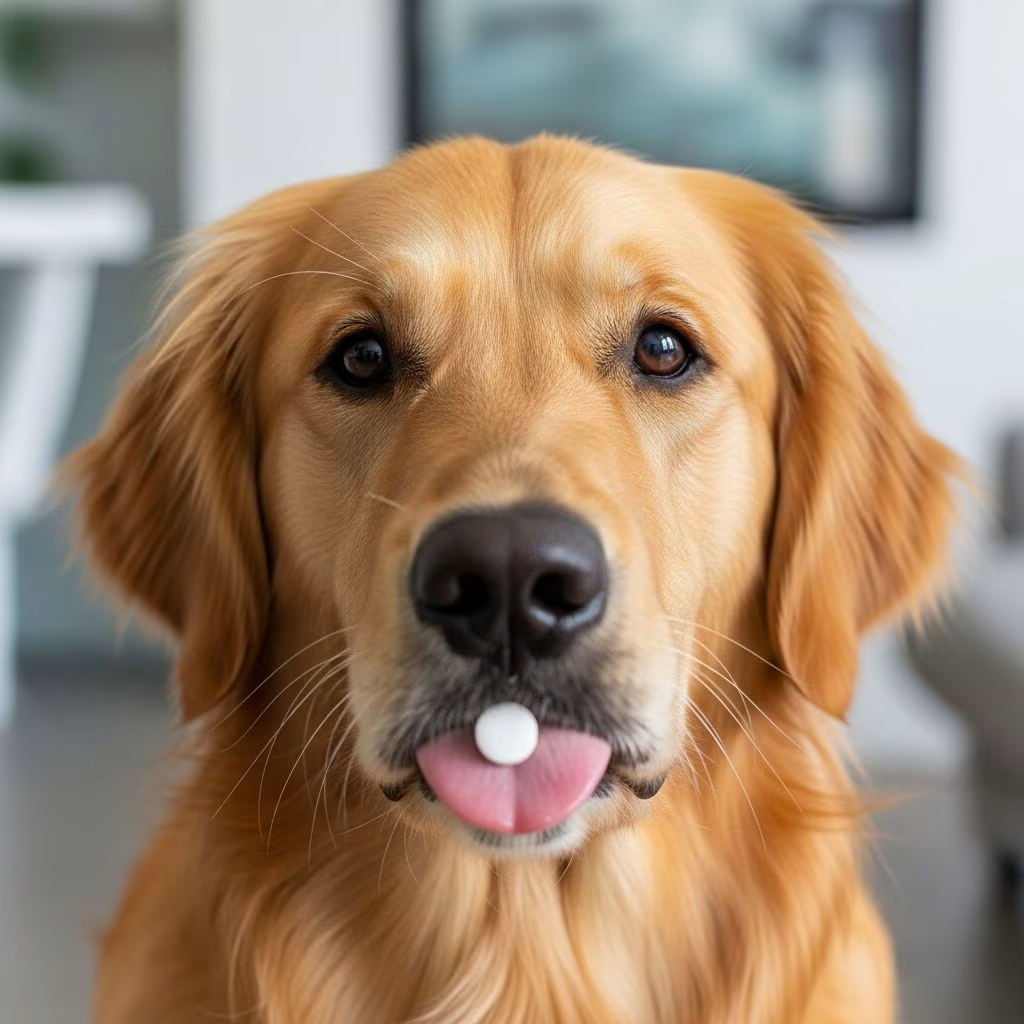
Sulfasalazine serves as a vital medication in veterinary care for dogs suffering from inflammatory conditions of the gastrointestinal tract, particularly colitis and inflammatory bowel disease (IBD). This compound combines sulfonamide antibiotic properties with anti-inflammatory effects from its metabolite, 5-aminosalicylic acid (5-ASA), targeting inflammation directly in the colon.
Understanding Canine Colitis and IBD
Colitis in dogs manifests as inflammation of the large intestine, often leading to symptoms like frequent defecation with mucus or blood, straining, and urgency. IBD represents a chronic syndrome involving immune-mediated damage to the intestinal wall, causing diarrhea, weight loss, and poor appetite. These conditions require targeted therapy after ruling out infections or dietary triggers.
Veterinarians diagnose these issues through fecal exams, blood work, ultrasound, or endoscopy. Sulfasalazine proves especially useful for ulcerative or plasmacytic-lymphocytic forms where dietary changes alone fall short.
How Sulfasalazine Works in Canine Patients
Once ingested, sulfasalazine travels to the colon, where colonic bacteria cleave it into sulfapyridine (antibacterial) and 5-ASA (anti-inflammatory). The 5-ASA component suppresses local inflammation by inhibiting prostaglandin synthesis and reducing oxidative stress in gut tissues. This dual action controls bacterial overgrowth and calms hyperactive immune responses.
The drug’s site-specific release minimizes systemic absorption, concentrating benefits in the lower gut. This mechanism supports remission in acute flares and aids long-term management when combined with diet.
Recommended Dosage and Administration
Dosing varies by condition severity and patient response. Standard guidelines recommend:
- Dogs: 10-30 mg/kg body weight, administered orally every 8-12 hours.
- Initial treatment spans 4-6 weeks, followed by gradual tapering to assess remission.
- Maximum single dose should not exceed 1 gram.
Administer tablets with food to enhance tolerance and reduce nausea risk. Enteric-coated or delayed-release forms protect the stomach lining. Always weigh the dog accurately and use a pill splitter for precise fractions of 500 mg tablets.
| Weight Range (kg) | Low Dose (mg every 8-12h) | High Dose (mg every 8-12h) |
|---|---|---|
| 5-10 | 50-300 | 100-300 |
| 10-20 | 100-600 | 200-600 |
| 20-30 | 200-900 | 400-900 |
Consult a vet for breed-specific adjustments, as some dogs metabolize the drug differently.
Conditions Where Sulfasalazine Shines
- Ulcerative Colitis: Reduces bloody stools and tenesmus effectively.
- IBD: Manages chronic diarrhea and mucosal inflammation.
- Vasculitis: Occasionally used adjunctively for vessel inflammation.
It pairs well with hypoallergenic diets or probiotics for holistic control.
Potential Side Effects and Risks
Most dogs tolerate sulfasalazine well, but vigilance is key. Common issues include:
- Orange-yellow staining of urine, tears, and skin (harmless but noticeable).
- Gastrointestinal upset: vomiting, anorexia, or diarrhea.
- Rarely, jaundice or elevated bilirubin from liver stress.
Serious risks involve keratoconjunctivitis sicca (KCS or dry eye), particularly in breeds like Doberman Pinschers, Samoyeds, and Miniature Schnauzers. Salicylate sensitivity heightens issues in these patients.
Avoid in dogs with sulfa allergies, urinary blockages, or hepatic/kidney impairment.
Breeds and Pets Requiring Extra Caution
Certain genetics predispose dogs to adverse reactions:
- Dobermans: High KCS incidence.
- Samoyeds and Miniature Schnauzers: Sulfa metabolism issues.
- Any breed with prior dry eye or sulfa reactions.
Vets may opt for alternatives like mesalamine (12.5 mg/kg every 12 hours) in sensitive cases.
Monitoring Protocols for Safety
Regular check-ups ensure efficacy and safety:
- Baseline: CBC, chemistry panel, urinalysis, Schirmer tear test.
- Weekly (first month): Monitor stool quality, appetite, eye moisture.
- Monthly: Reassess bloodwork for anemia, liver enzymes.
Taper dosage if symptoms resolve after 4-6 weeks. Persistent issues may warrant endoscopy or biopsy.
Drug Interactions to Watch
Sulfasalazine can interact with:
- Antacids or digoxin: Reduced absorption.
- Warfarin or methotrexate: Enhanced effects.
- Other sulfa drugs: Cumulative toxicity.
Inform vets of all concurrent medications.
Practical Tips for Pet Owners
Encourage ample water intake to prevent crystalluria. Stain-resistant fabrics help with discoloration. Track symptoms in a journal for vet visits. Compounded liquids suit picky eaters, though not FDA-approved.
Expect gradual improvement over 1-12 weeks; abrupt cessation risks relapse.
Frequently Asked Questions (FAQs)
Is sulfasalazine an antibiotic for dogs?
It belongs to sulfa antibiotics but primarily acts via anti-inflammatory effects in the colon.
How long does treatment last?
Typically 3-6 weeks initially, with possible maintenance.
Can it stain my home?
Yes, body fluids may turn orange-yellow, but it fades post-treatment.
Is it safe for all dogs?
No, avoid in sulfa-sensitive breeds or those with obstructions.
What if my dog vomits after dosing?
Give with food or switch to enteric-coated; consult vet if persistent.
Alternatives and Complementary Therapies
When sulfasalazine isn’t ideal, options include:
| Drug | Dosage | Use Case |
|---|---|---|
| Mesalamine | 12.5 mg/kg PO q12h | Milder IBD |
| Metronidazole | 10-15 mg/kg q12h | Infectious diarrhea |
| Prednisone | 1-2 mg/kg q24h | Severe flares |
Hydrolyzed protein diets and fiber supplements enhance outcomes.
Recent Veterinary Insights (2025)
Updated protocols emphasize breed screening and combo therapies for better remission rates. Tools like tele-vet apps aid monitoring.
In summary, sulfasalazine remains a cornerstone for canine colitis management when used judiciously under veterinary guidance.
References
- Comprehensive Vet Guide 2025: Sulfasalazine for Dogs & Cats — Ask A Vet. 2025. https://askavet.com/blogs/news/comprehensive-vet-guide-2025-sulfasalazine-for-dogs-cats-ibd-relief-%F0%9F%90%BE%F0%9F%92%8A
- Sulfasalazine Tablets for Pets, IBD & Colitis — PetCareRx. Accessed 2026. https://www.petcarerx.com/sulfasalazine/11006
- Sulfasalazine for Dogs and Cats — PetMD. Accessed 2026. https://www.petmd.com/pet-medication/sulfasalazine-dogs-and-cats
- Sulfasalazine Tablets for Dogs and Cats — VetRxDirect. Accessed 2026. https://www.vetrxdirect.com/product/view/sulfasalazine-tablets-for-dogs-and-cats-rx
- Drugs Used to Treat Inflammatory Bowel Disease in Monogastric Animals — Merck Veterinary Manual. Accessed 2026. https://www.merckvetmanual.com/pharmacology/systemic-pharmacotherapeutics-of-the-digestive-system/drugs-used-to-treat-inflammatory-bowel-disease-in-monogastric-animals



