

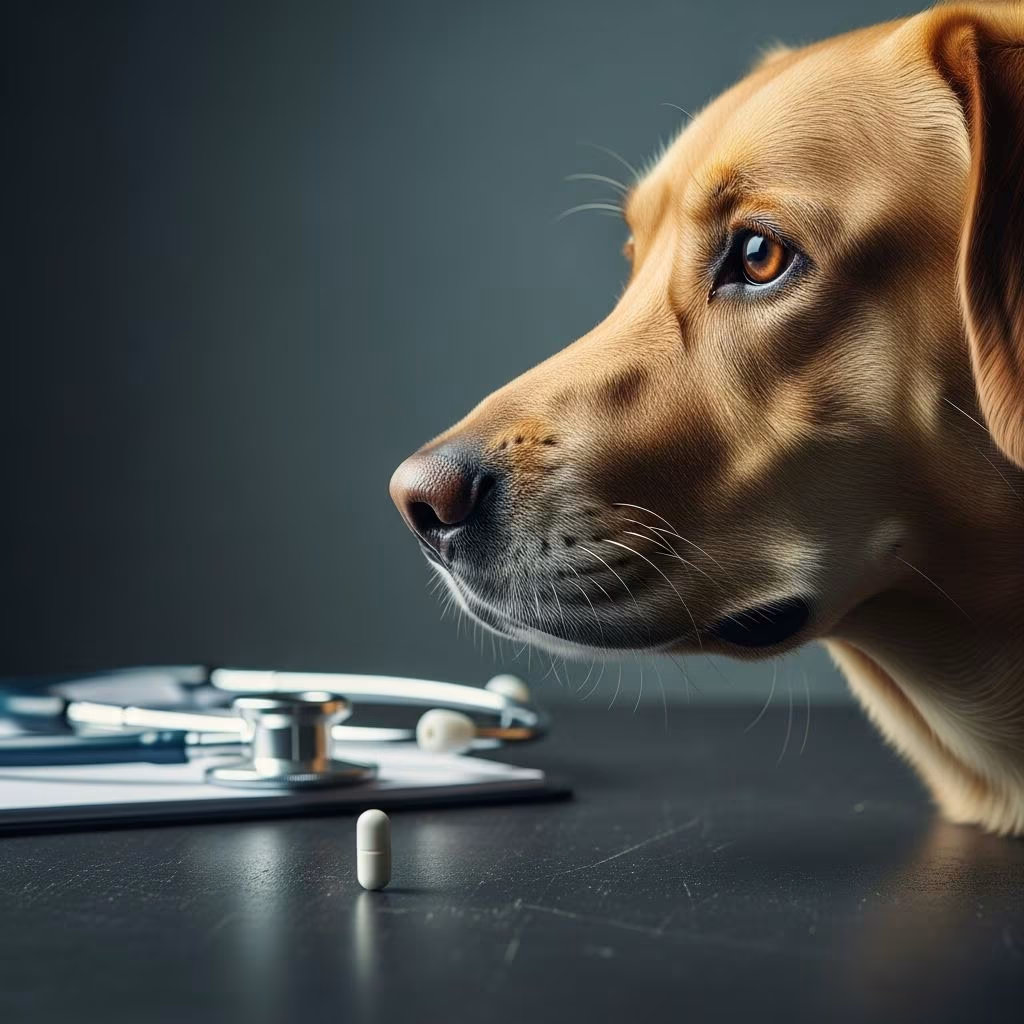
Colitis in dogs involves inflammation of the large intestine, leading to discomfort and disrupted bowel habits. Sulfasalazine stands out as a targeted medication that helps reduce this inflammation, particularly in chronic or lymphocytic-plasmacytic forms, by delivering anti-inflammatory effects directly to the colon.
Understanding Canine Colitis: Core Causes and Triggers
Canine colitis manifests when the colon’s lining becomes irritated, often due to a mix of dietary indiscretions, infections, parasites, stress, or underlying immune issues. Acute episodes might stem from sudden dietary changes or bacterial overgrowth, while chronic cases frequently link to inflammatory bowel disease (IBD).
Common triggers include:
- Stress-related factors: Such as boarding, travel, or household changes, prompting rapid-onset diarrhea with mucus or blood.
- Infectious agents: Bacteria like Clostridium or Campylobacter, protozoa such as Giardia, or whipworms.
- Dietary sensitivities: Allergens or abrupt food switches irritating the gut lining.
- Immune-mediated responses: Where the body attacks its own intestinal tissues, leading to persistent inflammation.
Recognizing these origins is crucial, as treatment strategies vary. Veterinary diagnostics often involve fecal exams, bloodwork, imaging, or even endoscopy to pinpoint the root cause.
Recognizing Symptoms: Early Signs of Colitis in Dogs
Dogs with colitis typically show urgent, frequent defecation, often producing small volumes of loose stool mixed with blood, mucus, or fresh red blood. Additional indicators include straining, tenesmus (feeling of incomplete evacuation), abdominal pain, lethargy, and reduced appetite.
| Symptom | Acute Colitis | Chronic Colitis |
|---|---|---|
| Frequency of defecation | Sudden increase, 5+ times/day | Intermittent over weeks/months |
| Stool consistency | Mucoid, bloody, small amounts | Variable, weight loss possible |
| Behavior changes | Restlessness, scooting | Lethargy, poor coat quality |
| Duration | 1-5 days | Recurrent, >3 weeks |
These signs demand prompt veterinary attention to prevent dehydration or escalation to more severe conditions.
The Role of Sulfasalazine in Colitis Therapy
Sulfasalazine, a 5-aminosalicylic acid (5-ASA) compound, splits in the colon into sulfapyridine (antibacterial) and 5-ASA (anti-inflammatory). This dual action makes it ideal for dogs with lymphocytic-plasmacytic colitis, a common IBD subtype.
Veterinarians prescribe it when initial therapies like diet changes fail. It suppresses inflammation locally, unlike systemic steroids, minimizing widespread side effects. Studies support its use in dogs, though long-term administration requires monitoring.
Administering Sulfasalazine: Dosage and Protocols
Standard dosing for dogs is 15-30 mg/kg body weight, given orally every 8-12 hours, up to a maximum of 3 grams daily. Improvement often appears within days, allowing taper to the lowest effective dose—typically halving after response.
- Small breeds (under 10kg): Start at 150-300mg twice daily.
- Medium breeds (10-25kg): 375-750mg every 8 hours.
- Large breeds (over 25kg): Up to 1g per dose, adjusted by vet.
Administer with food to enhance absorption and reduce nausea. Treatment duration varies: 1-2 weeks for acute cases, longer for chronic with periodic breaks.
Potential Side Effects and Safety Monitoring
While effective, sulfasalazine can cause keratoconjunctivitis sicca (KCS or dry eye), vomiting, anorexia, or hemolytic anemia in sensitive dogs. Cats face higher risks, so it’s less common in felines.
Regular vet check-ups include tear production tests (Schirmer tear test) every 2-4 weeks initially. Bloodwork monitors for anemia or liver issues. Discontinue if severe effects emerge, switching to alternatives like steroids.
Complementary Treatments for Comprehensive Care
Sulfasalazine pairs well with supportive measures for holistic management.
Dietary Adjustments: Begin with 24-48 hour fasting, then transition to bland diets (boiled chicken/rice) or hypoallergenic formulas. High-fiber additions like psyllium or beet pulp firm stools.
Probiotics and Prebiotics: Restore gut flora balance, aiding recovery in many cases.
Antimicrobials: Metronidazole (10-15 mg/kg twice daily) for infections, or enrofloxacin for resistant strains like in granulomatous colitis.
Other Anti-Inflammatories: Prednisone (2 mg/kg daily, tapered) or azathioprine for refractory cases.
Advanced Options: Fecal microbiota transplantation via enema shows promise for chronic cases, restoring microbiome diversity.
Preventing Colitis Recurrence in Dogs
Proactive steps reduce flare-ups:
- Consistent, high-quality diet without sudden changes.
- Parasite preventives year-round.
- Stress minimization through routines and enrichment.
- Regular fecal screenings and wellness exams.
- Gradual medication weaning under vet guidance.
Chronic cases may need lifelong low-dose sulfasalazine or rotation of therapies.
Diagnostic Approaches Before Starting Treatment
Confirm colitis via:
- Fecal analysis for parasites/pathogens.
- Abdominal ultrasound or radiographs.
- Colonoscopy with biopsies for IBD confirmation.
- Blood tests for systemic inflammation.
These ensure sulfasalazine targets the right pathology.
Case Studies: Real-World Success with Sulfasalazine
In practice, a 5-year-old Labrador with recurrent bloody diarrhea responded to 20 mg/kg sulfasalazine twice daily plus metronidazole. Symptoms resolved in 10 days, with maintenance dosing preventing relapses. Another case involved a breed with IBD; combining sulfasalazine and prednisolone achieved remission after failed antibiotics.
FAQs on Sulfasalazine and Canine Colitis
Q: How quickly does sulfasalazine work for dog colitis?
A: Most dogs show improvement in 3-7 days, with full resolution in 1-2 weeks.
Q: Can all dogs tolerate sulfasalazine?
A: No; breeds prone to dry eye or sulfapyridine sensitivity need alternatives like budesonide.
Q: Is sulfasalazine safe long-term?
A: Yes, at lowest effective doses with monitoring for KCS and blood issues.
Q: What if sulfasalazine fails?
A: Escalate to immunosuppressants like azathioprine or consider fecal transplant.
Q: Home remedies for mild colitis?
A: Bland diet and probiotics, but vet approval first to rule out infections.
When to Seek Emergency Veterinary Care
Rush to the vet if your dog shows severe dehydration, persistent vomiting, profound lethargy, or black tarry stools indicating upper GI bleed. Early intervention prevents complications.
References
- Colitis in dogs – PDSA — PDSA. 2023. https://www.pdsa.org.uk/pet-help-and-advice/pet-health-hub/conditions/colitis-in-dogs
- Colitis in Dogs – VCA Animal Hospitals — VCA. 2024. https://vcahospitals.com/know-your-pet/colitis-in-dogs
- Canine Colitis: Causes, Symptoms and Treatment — Veteris. 2023. https://veteris.co.uk/petcare-advice/canine-colitis-causes-symptoms-and-treatment
- Colitis in Dogs – BluePearl Pet Hospital — BluePearl. 2024. https://bluepearlvet.com/medical-articles-for-pet-owners/colitis-in-dogs/
- Colitis in Small Animals – Merck Veterinary Manual — Merck & Co. 2025-02-01. https://www.merckvetmanual.com/digestive-system/diseases-of-the-large-intestine-in-small-animals/colitis-in-small-animals
- Colitis | Best Friends Veterinary Center — Best Friends Vet. 2023. https://bestfriendsvet.com/library/colitis/
- Inflammatory bowel disease (IBD) – Cornell University — Cornell Vet. 2024. https://www.vet.cornell.edu/departments-centers-and-institutes/riney-canine-health-center/canine-health-topics/inflammatory-bowel-disease-ibd



