

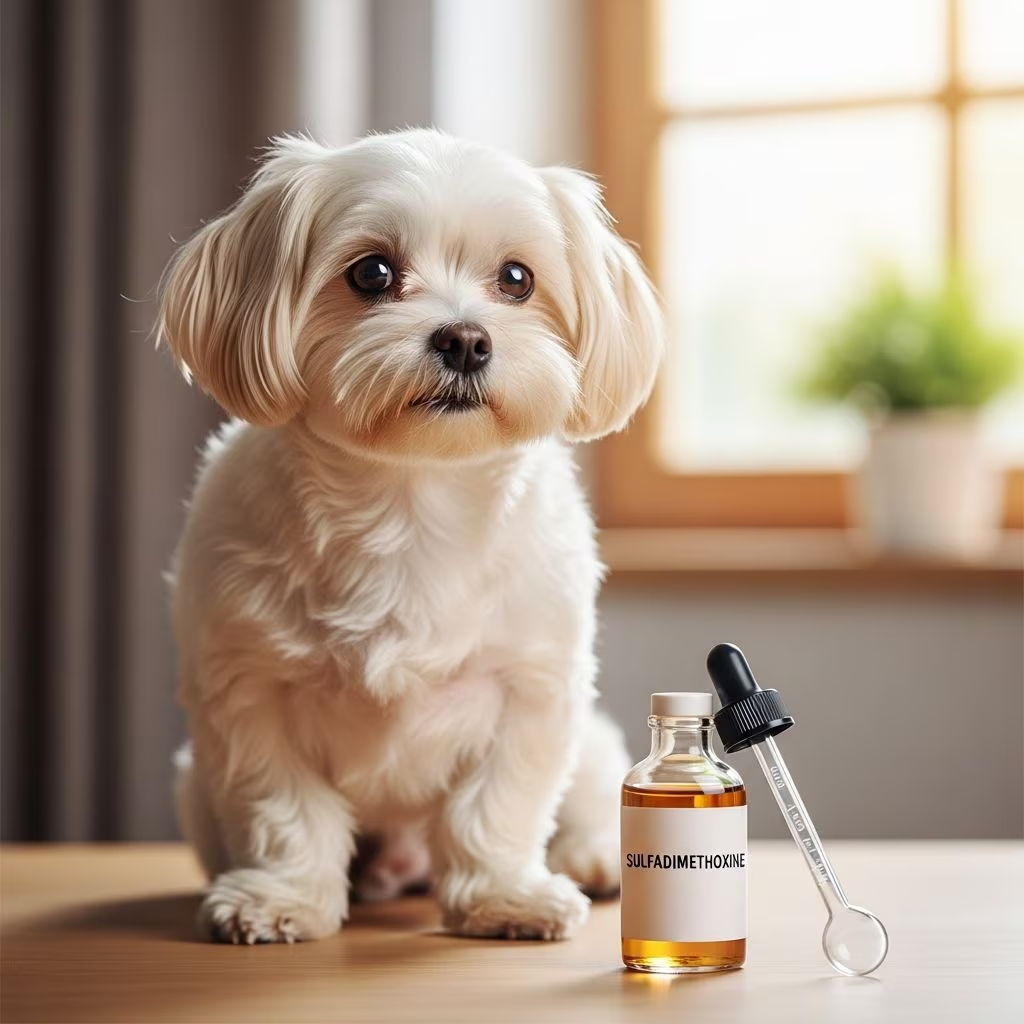
Sulfadimethoxine for Pets: A Complete Guide to Usage and Safety
Sulfadimethoxine, commonly known by its brand name Albon, is an important antimicrobial medication used extensively in veterinary medicine. This sulfonamide antibiotic is primarily administered orally to treat various infections in dogs and cats, with coccidiosis being one of its most common applications. Understanding how this medication works, proper dosing protocols, potential side effects, and safety considerations is essential for pet owners whose animals require this treatment.
What is Sulfadimethoxine?
Sulfadimethoxine is a long-acting sulfonamide antibiotic classified as an antimicrobial medication. It works by inhibiting bacterial growth and is particularly effective against certain parasitic infections and bacterial pathogens. The medication’s extended duration of action allows for once-daily dosing, making it convenient for pet owners and reducing stress on animals requiring multiple daily treatments. This long-acting property distinguishes sulfadimethoxine from many other antibiotic options in veterinary practice.
Primary Uses in Veterinary Medicine
While sulfadimethoxine has multiple applications in veterinary practice, its primary use is in treating coccidiosis, a parasitic infection of the intestinal tract. Coccidiosis is caused by coccidia parasites and can affect both dogs and cats, leading to symptoms such as diarrhea, dehydration, and general malaise. The medication is particularly valuable in treating young animals, as they are more susceptible to coccidial infections.
Beyond coccidiosis, veterinarians may prescribe sulfadimethoxine for other bacterial and parasitic infections where the organism shows sensitivity to sulfonamide antibiotics. However, it is important to note that this medication may not completely cure all infections in every case, and clinical response should be monitored throughout the treatment period.
How is Sulfadimethoxine Administered?
Sulfadimethoxine is administered by mouth in two primary formulations: tablets and liquid suspension. This oral route of administration makes it relatively easy for pet owners to administer at home, though careful adherence to dosing instructions is critical for treatment success.
Administration Guidelines
The medication can be given with or without food, providing flexibility in administration. However, if your pet experiences vomiting or stomach upset after receiving the medication on an empty stomach, subsequent doses should be administered with a meal or treat to improve tolerance. For pets receiving the liquid suspension formulation, the bottle must be shaken well before each use to ensure proper distribution of the active ingredient.
Pet owners should allow their animals to drink water freely throughout the treatment period to prevent dehydration, which is particularly important when treating conditions like coccidiosis that may already be causing fluid loss. Maintaining adequate hydration supports kidney function and helps the body eliminate the medication and its metabolites effectively.
Dosage Guidelines for Sulfadimethoxine
Proper dosing is critical to achieve therapeutic effectiveness while minimizing the risk of adverse effects. Sulfadimethoxine follows a two-phase dosing protocol: an initial loading dose followed by maintenance doses.
Initial Dose
The initial dose of sulfadimethoxine is 25 mg per pound of body weight, which converts to approximately 55 mg per kilogram. This higher first dose rapidly achieves therapeutic blood levels necessary for treating the infection. For example, a 20-pound dog would receive an initial dose of 500 mg, while a 10-pound cat would receive 250 mg.
Maintenance Doses
Following the initial dose, subsequent daily doses are reduced to 12.5 mg per pound of body weight, equivalent to 27.5 mg per kilogram. These maintenance doses maintain therapeutic levels in the bloodstream without accumulating excessively in the system. Maintenance doses are typically given at 24-hour intervals for the duration of treatment.
Treatment Duration
The length of treatment depends on the clinical response to the medication and the specific condition being treated. In most cases, treatment for 3 to 5 days is adequate. However, treatment should be continued until the animal is asymptomatic for at least 48 hours. If animals show no improvement within 2 or 3 days, veterinarians should reevaluate the diagnosis, as this may indicate either an incorrect diagnosis or an organism resistant to sulfonamide therapy.
Available Formulations
Sulfadimethoxine is available in multiple formulations to accommodate different animal sizes and administration preferences:
Oral Tablets: Available in 125 mg, 250 mg, and 500 mg strengths, providing flexibility in dosing for animals of varying weights. The multiple tablet sizes allow for precise dosing without requiring tablets to be split or crushed.
Oral Suspension: Formulated at 50 mg/mL concentration, the liquid suspension is particularly useful for young animals, cats, or pets that have difficulty swallowing tablets. The standard liquid suspension provides 1 teaspoon (5 mL) per 10 pounds of body weight as the initial dose.
Oral Boluses: Available in 5 gram and 15 gram sizes for larger animals, particularly livestock.
Soluble Powder: Available as 94.6 gram packets for mixing into feed or water for animals requiring alternative administration methods.
Safety Considerations and Precautions
While sulfadimethoxine is considered very safe with favorable safety data in animal studies, certain populations require careful monitoring and cautious use.
Special Risk Groups
Sulfadimethoxine should be used cautiously in pets with:
Liver Dysfunction: Mild liver disease may impair the metabolism of sulfadimethoxine, potentially leading to accumulation.
Kidney Disease: Renal function is important for eliminating sulfadimethoxine and its metabolites, so mild kidney dysfunction may require dosage adjustment or more frequent monitoring.
Thyroid Dysfunction: Sulfonamides can affect thyroid function, so animals with existing thyroid disease require careful observation.
Weak, Old, or Frail Animals: Geriatric or debilitated pets may have reduced tolerance to medications and should be monitored closely.
History of Urinary Obstruction: Animals with a history of urinary tract problems may be at increased risk of complications.
Doberman Pinschers: This breed is known to be more susceptible to serious side effects from sulfonamide antibiotics and requires particularly careful use and monitoring.
Water Intake and Hydration
It is essential that animals maintain adequate water intake during the treatment period. Dehydration can concentrate sulfadimethoxine in the urine, potentially causing crystalluria or other urinary complications. Pet owners should monitor their animal’s water consumption and encourage drinking, especially in animals with conditions like coccidiosis that may already be causing fluid loss.
Potential Side Effects and Adverse Reactions
Although sulfadimethoxine is generally well-tolerated, some animals may experience side effects. Common side effects may include gastrointestinal upset, including nausea, vomiting, or decreased appetite. An important adverse effect to monitor for is dry eye syndrome (keratoconjunctivitis sicca or KCS), which has been associated with sulfonamide use in dogs. If an animal develops dry eye symptoms during treatment, the veterinarian should be contacted immediately, as this condition requires prompt treatment to prevent corneal damage.
Allergic reactions, though relatively uncommon, can occur and typically manifest as skin reactions or more severe hypersensitivity responses. People with known allergies to sulfa drugs should handle this medication with caution, as sensitization can occur through handling.
Drug Interactions and Contraindications
Sulfadimethoxine may interact with certain other medications. Pet owners should always inform their veterinarian of all medications, supplements, and over-the-counter products their pet is currently receiving. Certain medications may potentiate the effects of sulfadimethoxine or increase the risk of side effects.
The medication is contraindicated in animals with known hypersensitivity or allergy to sulfonamides. It should not be used in animals with severe liver or kidney disease without veterinary consultation and careful monitoring.
Monitoring During Treatment
Pet owners should observe their animals carefully during sulfadimethoxine treatment for signs of improvement or adverse reactions. Improvement in clinical signs—such as cessation of diarrhea, increased appetite, and improved energy levels—typically indicates successful treatment. Conversely, worsening symptoms or the development of new clinical signs should prompt immediate veterinary contact.
Regular communication with the veterinarian regarding treatment progress is important. If an animal is not showing improvement within 2 to 3 days of starting therapy, the underlying diagnosis should be reconsidered, and alternative treatments may be necessary.
Frequently Asked Questions About Sulfadimethoxine
Q: How long does sulfadimethoxine take to work?
A: Most animals begin showing improvement within 2 to 3 days of starting treatment. However, the full therapeutic effect may take several days to become apparent, which is why the typical treatment course is 3 to 5 days. If no improvement is seen within 2 to 3 days, contact your veterinarian.
Q: Can sulfadimethoxine be given without food?
A: Yes, sulfadimethoxine can be given with or without food. However, if your pet experiences stomach upset or vomiting when given on an empty stomach, administer subsequent doses with food or a treat to improve tolerance.
Q: What should I do if I miss a dose?
A: If you miss a dose, give it as soon as you remember, unless it is almost time for the next scheduled dose. Do not double dose to make up for a missed dose. Maintain consistent 24-hour intervals between maintenance doses.
Q: Is sulfadimethoxine safe for kittens and puppies?
A: Yes, sulfadimethoxine is commonly used to treat coccidiosis in young animals. The same dosing protocols apply regardless of age, but young animals should be monitored closely for any adverse effects. Always follow your veterinarian’s specific recommendations.
Q: Can sulfadimethoxine cure coccidiosis completely?
A: While sulfadimethoxine is highly effective at treating coccidiosis, it may not completely cure the infection in every case. However, it effectively controls the infection and alleviates clinical signs. Treatment should continue until the animal is asymptomatic for 48 hours.
Q: Are there any breed-specific concerns with sulfadimethoxine?
A: Doberman pinschers are more susceptible to serious side effects from sulfonamide antibiotics and require careful monitoring. If your Doberman needs sulfadimethoxine, discuss this breed predisposition with your veterinarian.
Q: What should I monitor for during treatment?
A: Monitor your pet for improvement in clinical signs such as decreased diarrhea and increased appetite. Also watch for potential side effects including dry eye, allergic reactions, or persistent vomiting. Ensure your pet maintains adequate water intake and drinks freely throughout treatment.
When to Contact Your Veterinarian
Contact your veterinarian immediately if your pet experiences:
– Severe vomiting or inability to keep food or medication down
– Signs of allergic reaction such as facial swelling, hives, or difficulty breathing
– Dry eye symptoms or discharge from the eyes
– Worsening diarrhea or continued loose stools after 2 to 3 days of treatment
– Lethargy or collapse
– Lack of improvement within 2 to 3 days of starting treatment
– Any other unusual symptoms or behavioral changes
Conclusion
Sulfadimethoxine is an effective, well-tolerated antimicrobial medication that plays an important role in treating coccidiosis and other infections in dogs and cats. By understanding the proper dosing protocols, administration methods, potential side effects, and safety considerations, pet owners can help ensure successful treatment outcomes while minimizing risks. Always follow your veterinarian’s specific instructions regarding dosage and treatment duration, maintain open communication about your pet’s progress, and promptly report any concerning symptoms. With proper use and monitoring, sulfadimethoxine can effectively resolve your pet’s infection and restore their health and quality of life.
References
- Dosages of Sulfonamides — Merck Veterinary Manual. 2025. https://www.merckvetmanual.com/multimedia/table/dosages-of-sulfonamides
- Sulfadimethoxine (Albon®) Prescribing Information — Zoetis U.S. https://www.zoetisus.com/content/_assets/docs/vmips/package-inserts/albon-tablets-prescribing-information.pdf
- Sulfadimethoxine Dosage and Administration — DailyMed, U.S. National Library of Medicine. https://dailymed.nlm.nih.gov/dailymed/fda/fdaDrugXsl.cfm?setid=7d5cc60e-7a16-48d7-854a-723dc1faddbf
- Sulfadimethoxine Veterinary Medication Guide — VCA Animal Hospitals. https://vcahospitals.com/know-your-pet/sulfadimethoxine
- Albon Oral Suspension 5% Product Information — Medi-Vet Animal Health. https://www.medi-vet.com/Albon-5-Oral-Suspension-2-oz-p/10624.htm



