

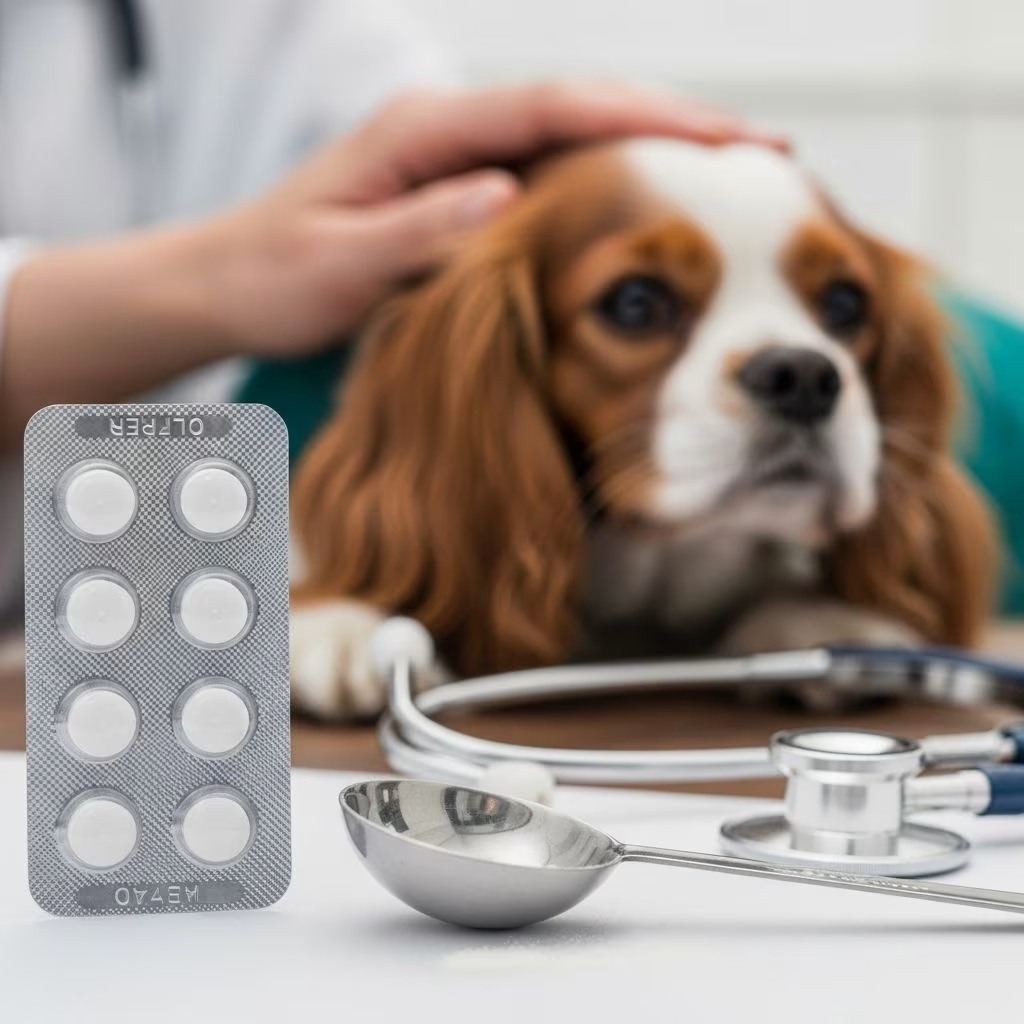
Sulfadiazine-Trimethoprim for Dogs and Cats: A Comprehensive Guide
Sulfadiazine-trimethoprim, commonly known by the brand name Tribrissen®, is a powerful antibiotic combination widely used in veterinary medicine to treat various bacterial and parasitic infections in dogs and cats. This potentiated sulfa drug represents a significant advancement in pet healthcare, offering veterinarians an effective tool for combating infections that might otherwise be difficult to manage. Understanding how this medication works, its appropriate uses, potential side effects, and proper dosing is essential for pet owners seeking to ensure their animals receive optimal care.
How Sulfadiazine-Trimethoprim Works
Sulfadiazine-trimethoprim is a combination of two distinct antibiotics that work synergistically to provide enhanced antimicrobial activity. Trimethoprim is an effective antibiotic that becomes significantly more potent when combined with a sulfonamide such as sulfadiazine or sulfamethoxazole. This combination creates what veterinarians call a “potentiated sulfa,” which exhibits a substantially broader spectrum of activity against microorganisms responsible for infectious diseases in companion animals.
The mechanism of action involves a dual inhibition of bacterial folic acid synthesis. Sulfadiazine acts as a bacteriostatic agent by competing with para-aminobenzoic acid (PABA) to reduce bacterial dihydrofolic acid (DFA) formation. Trimethoprim functions as a bactericidal agent, blocking the conversion of DFA to tetrahydrofolic acid by inhibiting bacterial dihydrofolate reductase. Together, these two antibiotics sequentially inhibit enzymes in the folic acid pathway, effectively inhibiting bacterial thymidine synthesis and resulting in bactericidal activity—meaning the combination actively kills bacteria rather than merely slowing their growth.
Primary Uses in Veterinary Medicine
Sulfadiazine-trimethoprim is employed in dogs and cats to treat infections caused by bacteria susceptible to the drug. The combination demonstrates effectiveness against a wide range of Gram-positive and Gram-negative bacteria, including E. coli, Haemophilus species, Pasteurella species, Salmonella species, Staphylococcus species, and Streptococcus species. Beyond its antibacterial properties, this medication possesses a unique advantage: it can effectively kill or suppress certain intracellular parasites.
The following represent the primary clinical applications:
– Bacterial respiratory infections- Urinary tract infections- Gastrointestinal bacterial infections- Skin and soft tissue infections- Bone and joint infections (osteomyelitis and septic arthritis)- Treatment of toxoplasmosis, a parasitic disease of particular concern in cats- Treatment of coccidiosis, an intestinal parasitic infection affecting both dogs and cats- Prophylactic use during chemotherapy to reduce infection-related complications
The parasitic infections that respond to sulfadiazine-trimethoprim treatment are particularly noteworthy. Coccidia species and Toxoplasma gondii, the microorganism responsible for toxoplasmosis, can be effectively managed with this medication. This dual capability—treating both bacterial and certain parasitic infections—makes sulfadiazine-trimethoprim a versatile therapeutic option for veterinarians managing complex infections in their feline and canine patients.
Dosing Information
Proper dosing is critical for ensuring therapeutic efficacy while minimizing the risk of adverse effects. In dogs and cats, sulfadiazine-trimethoprim is typically administered at a dose of 7 to 15 milligrams per pound of body weight (or 15 to 30 milligrams per kilogram) one to three times daily. The specific dosing schedule and duration of treatment depend on the nature and severity of the infection being treated, the specific organ system involved, and individual patient factors.
For example, treatment of lower respiratory tract infections may require different dosing protocols compared to urinary tract infections. Chronic conditions may necessitate alternative dosing regimens that differ from standard acute infection protocols. It is essential that pet owners administer the medication exactly as prescribed by their veterinarian and complete the entire course of treatment, even if the animal appears to improve before the prescribed duration ends. Premature discontinuation of antibiotic therapy can lead to incomplete bacterial elimination, increasing the risk of infection recurrence and potential antibiotic resistance development.
Precautions and Contraindications
While sulfadiazine-trimethoprim is generally considered safe and effective when prescribed and monitored by a veterinarian, certain precautions must be observed. This medication should not be administered to pregnant animals, as it may pose risks to developing fetuses. Animals with pre-existing liver impairment, blood disorders, or known allergies or hypersensitivities to trimethoprim or sulfonamides should not receive this medication.
Additionally, the drug may interact with other medications that a pet is concurrently receiving. Pet owners must inform their veterinarian of all medications, supplements, and herbal products their animal is taking before sulfadiazine-trimethoprim is prescribed. The veterinarian can assess potential drug interactions and make appropriate clinical decisions.
Animals with severely impaired renal or hepatic function require special consideration. These organs play crucial roles in metabolizing and eliminating medications from the body. Impaired function can lead to drug accumulation, increasing the risk of toxicity. Veterinarians must carefully evaluate kidney and liver function through laboratory testing before initiating therapy in animals with suspected organ dysfunction.
Potential Side Effects
Although sulfadiazine-trimethoprim is generally well-tolerated, some animals may experience adverse reactions. Pet owners should be aware of possible side effects and monitor their animals carefully during treatment. Common side effects include gastrointestinal disturbances such as vomiting, loss of appetite (anorexia), and diarrhea. These effects are often mild and may resolve as the animal’s body adjusts to the medication.
More serious side effects, though less common, can occur. Dry eye (keratoconjunctivitis sicca) represents a notable concern, particularly with prolonged use. Hepatic inflammation (liver inflammation) may develop and can be detected through changes in liver enzyme levels on blood work. Fever and facial swelling suggest potential hypersensitivity reactions. Arthritic symptoms and joint pain have been reported in some animals receiving this medication.
Blood disorders represent particularly concerning potential adverse effects. Hemolytic anemia (destruction of red blood cells), thrombocytopenia (low platelet counts), leukopenia (low white blood cell counts), and other blood dyscrasias can develop with sulfadiazine-trimethoprim administration. These conditions can compromise the animal’s ability to fight infection and maintain normal physiological function.
With prolonged administration at high doses, additional complications may arise. Crystalluria—the formation of crystals in the urine—can occur and may lead to urinary tract obstruction or hematuria (blood in urine). Long-term use has also been associated with abnormal thyroid function tests and potentially with hypothyroidism development in dogs, warranting periodic thyroid function monitoring in animals receiving extended therapy.
Monitoring During Treatment
Veterinarians typically recommend baseline laboratory work before initiating sulfadiazine-trimethoprim therapy, particularly in animals with pre-existing health concerns or those requiring prolonged treatment. Complete blood counts (CBC) can establish normal baseline values for comparison during therapy. Liver and kidney function panels help ensure the animal can safely metabolize and eliminate the medication. Thyroid function tests may be indicated before treatment begins, especially if prolonged therapy is anticipated.
During treatment, animals should be observed for any signs of adverse reactions. Pet owners should report immediately any vomiting, persistent diarrhea, loss of appetite, or behavioral changes to their veterinarian. If signs of crystalluria develop—particularly hematuria or signs of discomfort during urination—treatment should be discontinued immediately and the veterinarian contacted. In such cases, supportive care such as increased water intake and administration of urinary alkalinizing agents like sodium carbonate may be necessary to increase urine solubility of sulfadiazine and prevent crystal formation.
Drug Interactions and Considerations
Sulfadiazine-trimethoprim may interact with other medications. These interactions can either reduce the effectiveness of one or both drugs or increase the risk of adverse effects. Medications that affect liver or kidney function may alter sulfadiazine-trimethoprim metabolism and clearance. Certain anticoagulants and antiplatelet medications may have their effects potentiated by sulfonamides.
Veterinarians must carefully review a patient’s complete medication list before prescribing sulfadiazine-trimethoprim. In some cases, adjustments to dosing schedules or selection of alternative antibiotics may be necessary to avoid problematic interactions. Pet owners should never add new medications or supplements to their animal’s regimen without veterinary consultation, particularly when the animal is currently receiving sulfadiazine-trimethoprim.
Special Applications and Research Findings
Recent veterinary research has identified additional beneficial applications for sulfadiazine-trimethoprim beyond treating active infections. A notable study demonstrated that prophylactic (preventive) administration of trimethoprim-sulfadiazine significantly reduced morbidity and hospitalization rates in dogs with osteosarcoma or lymphoma receiving chemotherapy. Dogs receiving prophylactic trimethoprim-sulfadiazine for 14 days following doxorubicin chemotherapy experienced significantly reduced hospitalization rates, decreased nonhematologic toxicity, reduced gastrointestinal complications, and improved overall performance compared to control animals.
These findings have important implications for cancer management in veterinary oncology, suggesting that prophylactic antimicrobial therapy may substantially improve quality of life and reduce chemotherapy-associated complications in dogs undergoing cancer treatment. This represents an important advance in supportive care protocols for animals with malignant neoplasms.
Frequently Asked Questions
Q: Is sulfadiazine-trimethoprim safe for puppies and kittens?
A: Sulfadiazine-trimethoprim can be used in young animals when medically indicated, but dosing and duration must be carefully controlled. Very young animals, particularly those with immature liver or kidney function, may require modified dosing. Always consult your veterinarian about appropriate therapy for puppies and kittens.
Q: Can this medication be given with food?
A: Sulfadiazine-trimethoprim can generally be administered with or without food, though administering with food may reduce gastrointestinal upset. Follow your veterinarian’s specific instructions regarding administration. If your pet experiences vomiting or poor appetite when taking the medication, inform your veterinarian, as timing or formulation adjustments may help.
Q: How long does treatment typically last?
A: Treatment duration varies depending on the type and severity of infection being treated. Acute bacterial infections may require 7 to 14 days of therapy, while chronic infections or parasitic conditions may require longer courses. Always complete the entire prescribed course even if symptoms resolve earlier.
Q: What should I do if I miss a dose?
A: If you miss a dose, administer it as soon as you remember unless it is almost time for the next scheduled dose. In that case, skip the missed dose and resume the regular schedule. Never double-dose to compensate for a missed dose, as this increases the risk of adverse effects.
Q: Are there alternative antibiotics if my pet cannot tolerate this medication?
A: Yes, alternative antibiotics are available for treating various infections. If your pet experiences adverse effects or cannot receive sulfadiazine-trimethoprim for other reasons, discuss alternative options with your veterinarian. The choice of alternative depends on the specific infection being treated and your pet’s individual health status.
Q: Does this medication require special storage conditions?
A: Storage requirements depend on the specific formulation. Most tablets and capsules should be stored at room temperature away from moisture and direct sunlight. Oral suspensions may require refrigeration after reconstitution. Always check the medication label for specific storage instructions and never use expired medication.
Conclusion
Sulfadiazine-trimethoprim represents an important therapeutic tool in veterinary medicine for managing bacterial and certain parasitic infections in dogs and cats. Its potentiated formulation provides broad-spectrum antimicrobial activity while maintaining excellent tissue penetration and intracellular activity. While generally safe when used as prescribed, pet owners must remain vigilant for potential side effects and maintain open communication with their veterinarians throughout the treatment course. Proper dosing, completion of the entire prescribed regimen, and appropriate monitoring ensure optimal therapeutic outcomes while minimizing risks. When used judiciously under veterinary supervision, sulfadiazine-trimethoprim continues to serve as an effective and valuable option for treating infections and supporting overall pet health.
References
- Trimethoprim/Sulfadiazine (Tribrissen®) for Dogs and Cats — Pet Place. Accessed 2025. https://www.petplace.com/article/drug-library/drug-library/library/trimethoprim-sulfadiazine-tribrissen-for-dogs-and-cats
- Prophylactic trimethoprim-sulfadiazine during chemotherapy in dogs with lymphoma or osteosarcoma — Journal of Veterinary Internal Medicine. 2007. https://pubmed.ncbi.nlm.nih.gov/17338162/
- Equisul-SDT® (sulfadiazine/trimethoprim) for Horses — PetMD. Accessed 2025. https://www.petmd.com/pet-medication/equisul-sdt-sulfadiazine-trimethoprim-for-horses
- Trimethoprim-Sulfonamide Combinations [Equine] — Ohio State University Veterinary Medical Center Antimicrobial Use Guidelines. Accessed 2025. https://ohiostate.pressbooks.pub/osuvmcabxuse/chapter/abx_trimethoprim-sulfonamide-combinations-equine/
- Intertrim-480 WS – Sulfadiazine 40% & trimethoprim 8% — Interchemie Veterinary Medicines. Accessed 2025. https://www.interchemie.com/veterinary-medicines/intertrim-480-ws



