Sugar Gliders: A Complete Guide to Owning These Exotic Pets
Learn everything you need to know about sugar glider ownership, care, housing, and health.
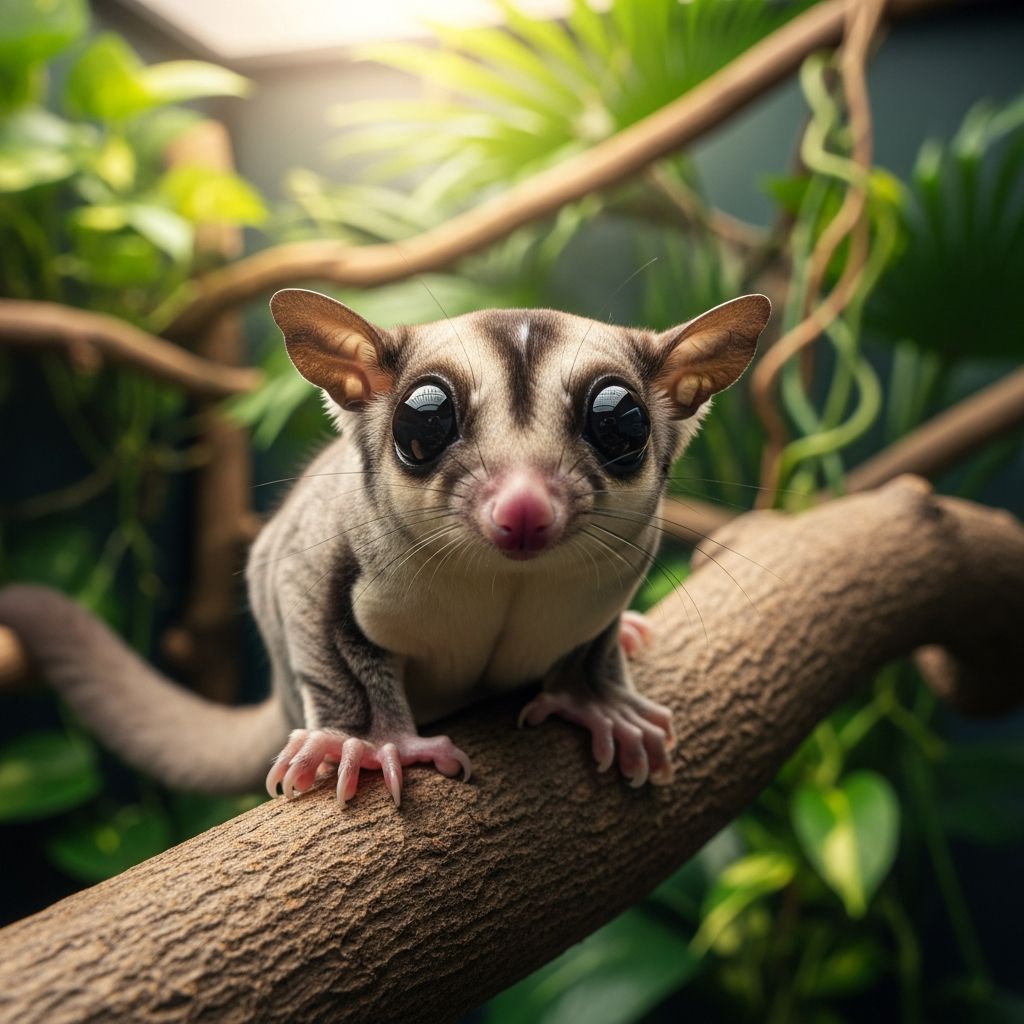
Sugar gliders are small, nocturnal marsupials that have become increasingly popular as exotic pets. These charming creatures are known for their social nature, intelligence, and unique ability to glide through the air using a membrane between their front and back legs. However, owning a sugar glider is not a simple undertaking. These animals require specialized care, proper housing, a carefully balanced diet, and experienced veterinary attention. Before bringing one of these delightful animals into your home, it is essential to understand what it truly means to be a sugar glider owner.
Sugar gliders are not low-maintenance pets that can be kept alone in a cage and forgotten. Instead, they demand significant time, attention, and financial investment from their owners. They are highly social animals that thrive on interaction and companionship. Whether you choose to keep them in groups or as individual pets, you must be prepared to meet their unique behavioral, dietary, and environmental needs. This comprehensive guide will walk you through every aspect of sugar glider ownership to help you determine if these exotic pets are right for you and your family.
Selecting Your Sugar Glider Pet
Choosing the right sugar glider is the first critical step in your ownership journey. It is ideally best to purchase young sugar gliders, as they are more adaptable and easier to bond with than older animals. When selecting your potential pet, there are several important physical characteristics to examine.
Start by carefully observing the eyes and nose of the sugar glider you are considering. They should be clear and free from any discharge, as discharge may indicate a respiratory infection or other health issues. A healthy sugar glider should display curious behavior and show interest in its surroundings and in you. The animal should have a healthy body condition, neither appearing too thin nor overweight.
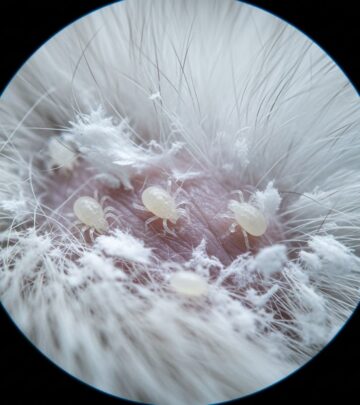
Carefully inspect the area around the anus for any signs of wetness, which could indicate diarrhea or digestive problems. Examine the entire body for external parasites such as fleas or mites. If possible, gently open the sugar glider’s mouth to check for broken teeth or obvious sores, either of which could suggest underlying disease or poor nutrition.
Additionally, inquire with the breeder or seller about whether the sugar glider has already been spayed or neutered. This is an important question, as it can affect future breeding plans and behavior. A reputable seller will provide documentation of the animal’s medical history and may offer a health guarantee that requires a veterinary examination within a specific timeframe.
Housing Requirements and Setup
Providing appropriate housing is absolutely fundamental to your sugar glider’s health and well-being. These active, acrobatic animals need spacious accommodations that allow them to climb, explore, and exercise properly.
Cage Specifications
The minimum recommended cage size is 24 inches long by 36 inches wide by 36 inches high, though larger enclosures are even better. The cage must feature sturdy, lockable wire mesh with bar spacing no larger than 1 inch by 0.5 inches to prevent your glider from squeezing through or getting trapped. A removable plastic waste tray at the bottom of the cage, lined with paper, makes cleaning much easier and helps maintain hygiene.
The cage should be made of PVC-coated wire to prevent rust and zinc toxicity. Position your cage in a warm room, away from air conditioners, heaters, vents, and direct sunlight. Maintaining consistent temperature and humidity levels is crucial for your sugar glider’s comfort and health. The ideal temperature range is 80-88°F, though sugar gliders can tolerate temperatures between 60-90°F.
Interior Setup and Enrichment
Inside the cage, you must provide a nest box or pouch mounted securely with adequate clearance above it to prevent injury to the glider’s patagium (the membrane they use for gliding). Sugar gliders need safe branches made from pesticide-free apple or citrus wood, along with multiple hiding spots, swings, toys, and exercise equipment. A solid running wheel allows them to exercise, while shelves and branches provide climbing opportunities that mimic their natural environment.
Use bedding made from shredded newspaper, paper towels, recycled paper, or aspen shavings. Never use pine or cotton bedding, as these materials can be toxic or harmful to sugar gliders. Change bedding regularly and spot-clean food and water dishes daily to maintain a clean, healthy habitat.
Behavioral Characteristics and Social Needs
Understanding sugar glider behavior is essential for successful pet ownership. These are highly social, nocturnal animals that are active and vocal at night. They are playful, loyal, and form strong bonds with their owners and with other sugar gliders. They cannot be toilet trained, but they are naturally clean and predictable animals, often choosing the same spots for elimination.
Social Requirements
Sugar gliders are communal animals that thrive in pairs or groups whenever possible. If you choose to keep just one sugar glider, you must commit to spending at least two hours each evening or night providing social interaction, play, and companionship. A lonely sugar glider can become depressed, stressed, and may develop behavioral problems. Multiple gliders kept together will provide each other with companionship, though they should be compatible and properly introduced.
Though sugar gliders are nocturnal by nature, they can adapt to any schedule as long as it allows maximum time with their owners. Bonding with your sugar glider is one of the most rewarding aspects of ownership. This process takes patience and cannot be forced. Bonding can occur immediately or may take several months. Carrying your glider in a shirt pocket during the day helps them become familiar with your scent and builds the bond between you.
Handling and Interaction
When handling your sugar glider, spend at least 30 minutes each day providing direct interaction if the glider is kept alone, or 15 minutes several times a week if you have multiple gliders. Gradually feed your sugar glider by hand to help them feel safe and accepted. Use bonding pouches to carry your glider close to your body during the day. Place a clean piece of your worn clothing in the enclosure to familiarize them with your scent.
Free roaming in your home should only be allowed under close supervision. Sugar gliders should never interact unsupervised with other pets like cats or dogs, which could injure or prey upon them.
Dietary Requirements and Nutrition
Proper nutrition is critical for preventing metabolic bone disease and malnutrition in sugar gliders. Their diet should be carefully balanced and consist of multiple components to ensure they receive all necessary nutrients.
Core Diet Components
The foundation of a sugar glider’s diet should include artificial nectar or nectar substitute (approximately 50% of their diet), commercial sugar glider pellets specifically formulated for their nutritional needs, and calcium-treated insects. This combination provides the essential nutrients, vitamins, and minerals your glider needs to thrive.
Protein Sources
Insects are an important protein source and should be gut-loaded with calcium or dusted with calcium powder before feeding. Suitable insects include mealworms and crickets. You can also provide small pieces of cooked poultry without skin or seasoning, as well as boiled eggs without salt. Feed hard-bodied insects to help prevent dental tartar buildup.
Fruits and Vegetables
Fresh fruits and vegetables should comprise no more than 10% of your sugar glider’s daily diet and should always be thoroughly washed to remove pesticides. Offer a variety of nutritious options in small quantities. Avoid foods that are toxic to sugar gliders, including chocolate, candy, canned fruit, fruit pits and seeds, raw meat and eggs, caffeine, and frequent high-fat treats.
Supplements
Calcium supplements with vitamin D3 and multivitamins are essential to prevent nutritional deficiencies. Your veterinarian will recommend appropriate supplements and dosages based on your glider’s age, weight, and overall health status. Proper supplementation prevents soft bones and metabolic bone disease, which are common health issues in sugar gliders.
Feeding Schedule
Feed your sugar glider at least twice daily or as directed by your veterinarian. Always ensure fresh water is available at all times, either through a water bottle or water dish. Food dishes should be large enough to hold food but small enough that your glider cannot sit in them and soil the food. Replace all perishable food items daily to prevent bacterial growth and spoilage.
Veterinary Care and Health Maintenance
Proper veterinary care is absolutely essential for maintaining your sugar glider’s health. These exotic animals require specialized veterinary attention from professionals experienced with sugar gliders and exotic pets.
Initial Veterinary Examination
Your sugar glider should be examined by an experienced exotic animal veterinarian within 48 hours of purchase. This initial visit is often required by breeders or sellers, and failure to complete this examination may void any health guarantee. During this appointment, your veterinarian will discuss proper care, housing requirements, and the unique dietary needs specific to sugar gliders. A fecal sample will be examined for internal parasites.
Annual Checkups
Like dogs, cats, and other pets, sugar gliders require annual veterinary visits to maintain excellent health. These annual exams should include a thorough physical examination and a fecal test to screen for parasites. Regular veterinary care helps detect health problems early, when they are most treatable.
Signs of Illness
Watch carefully for signs of illness in your sugar glider, including weakness, unexplained weight loss, poor appetite, abnormal droppings, difficulty breathing, bald patches, dragging of the back legs, or sunken eyes. These signs warrant immediate veterinary attention. Do not delay seeking care if you notice any concerning symptoms.
Vaccinations
Unlike dogs and cats, vaccines are not needed for pet sugar gliders. Your veterinarian will focus on preventive care through regular exams, proper nutrition, and early detection of disease.
Common Health Issues and Prevention
Several health conditions are relatively common in captive sugar gliders. Understanding these issues and how to prevent them is crucial for your pet’s well-being.
Metabolic Bone Disease and Malnutrition
These conditions result from improper diet and inadequate calcium and vitamin D3 supplementation. Prevention involves providing a balanced diet with appropriate supplements as recommended by your veterinarian. Ensure insects are gut-loaded with calcium or dusted with calcium powder before feeding.
Infections and Parasites
To prevent infections, wash your hands after handling your gliders or cleaning their cages. Maintain a clean cage environment and replace bedding regularly. If one glider becomes ill, separate it from healthy gliders to prevent transmission of disease. Regular fecal exams by your veterinarian help identify and treat parasitic infections early.
Dental Disease
Feeding hard-bodied insects helps prevent dental tartar accumulation. If you notice signs of dental disease, seek prompt dental treatment from your veterinarian.
Social Stress
Keep your sugar gliders in compatible groups when possible. If you maintain breeding males, consider neutering them to reduce stress and aggression. Provide adequate hiding places and environmental enrichment to reduce stress and promote natural behaviors.
Obesity
Prevent obesity by maintaining a proper diet with appropriate portions and providing daily exercise and activity opportunities. Regular veterinary examinations help monitor your glider’s weight and overall body condition.
Safety Considerations and Legal Requirements
Before obtaining a sugar glider, you must investigate the legal status of these animals in your area. Some states and municipalities have restrictions on owning sugar gliders or require special permits. Check with your local animal control or wildlife agency to understand local laws regarding ownership and breeding.
If you own four or more breeding females, you must comply with federal Animal Welfare Act regulations. Additionally, keep sugar gliders away from cat litter and raw or undercooked meat to decrease the risk of toxoplasmosis transmission.
Pre-Purchase Supplies Checklist
Before bringing your sugar glider home, ensure you have all necessary supplies on hand:
- Large, lockable cage (minimum 24″ x 36″ x 36″)
- Nest pouch or box with clearance above
- Bedding material (paper-based, not pine or cotton)
- Water bottle or dish
- Food dishes (appropriately sized)
- Commercial sugar glider diet or nectar mix
- Calcium and vitamin D3 supplements
- Multivitamin supplement
- Gut-loaded or calcium-dusted insects
- Safe branches (pesticide-free)
- Toys, swings, and hiding spots
- Solid running wheel
- Bonding pouch
Frequently Asked Questions About Sugar Gliders
Q: How long do sugar gliders live?
A: Sugar gliders typically live 9-12 years in captivity, making them a significant long-term commitment for pet owners.
Q: Can I keep just one sugar glider?
A: While it’s ideal to keep sugar gliders in pairs or groups, you can keep a single glider if you commit to at least two hours of daily social interaction and bonding.
Q: Are sugar gliders noisy pets?
A: Yes, sugar gliders are nocturnal and can be quite vocal at night. This is natural behavior, though they can adapt to your schedule with proper care.
Q: Can sugar gliders be toilet trained?
A: No, sugar gliders cannot be toilet trained. However, they are naturally clean animals and predictable in their elimination habits.
Q: Do sugar gliders need vaccinations?
A: No, pet sugar gliders do not require vaccinations. Regular veterinary checkups and preventive care are more important for their health.
Q: What is the ideal temperature for sugar gliders?
A: The ideal temperature is 80-88°F, though sugar gliders can tolerate temperatures between 60-90°F. Avoid extreme temperature fluctuations.
Q: How often should I have my sugar glider examined by a veterinarian?
A: Your sugar glider should have an initial examination within 48 hours of purchase, followed by annual veterinary visits to maintain optimal health.
Conclusion
Sugar gliders are extraordinary pets that offer unique companionship and charm. However, they are not suitable for everyone and require significant dedication, knowledge, and resources. Before deciding to bring a sugar glider into your home, carefully consider whether you can provide the specialized housing, proper nutrition, regular veterinary care, and daily social interaction these animals require. If you are prepared to meet their needs and can commit to their care for 9-12 years, sugar gliders can become beloved members of your family and provide years of joy and companionship.
References
- Sugar Glider Quick-Start Guide to Ownership — Merck Veterinary Manual. 2025. https://www.merckvetmanual.com/all-other-pets/sugar-gliders/sugar-glider-quick-start-guide-to-ownership
- Sugar Glider Care Guide — Bird & Exotics Veterinary Center, Long Island. 2025. https://www.birdexoticsvet.com/sugar-glider-care-guide
- Sugar Gliders – Owning — VCA Animal Hospitals. 2025. https://vcahospitals.com/know-your-pet/sugar-gliders-owning
- All About Sugar Gliders — PetMD. 2025. https://www.petmd.com/sugar-glider/exotic/all-about-sugar-gliders
- Sugar Glider Care Sheet — Pet Kare Clinic. 2014. https://petkareclinic.com/wp-content/uploads/2014/09/PKC-Sugar-Glider-Care-Sheet.pdf
- Sugar Glider Care Guide: Enclosure, Diet, Handling & More — Shadow’s Reptiles. 2025. https://www.shadowsreptiles.com/post/sugar-glider-care-guide
Similar Articles






Read full bio of Sneha Tete