Sugar Gliders as Pets: Complete Care Guide
Everything you need to know about keeping sugar gliders as pets, from housing to diet and social needs.
Understanding Sugar Gliders as Pets
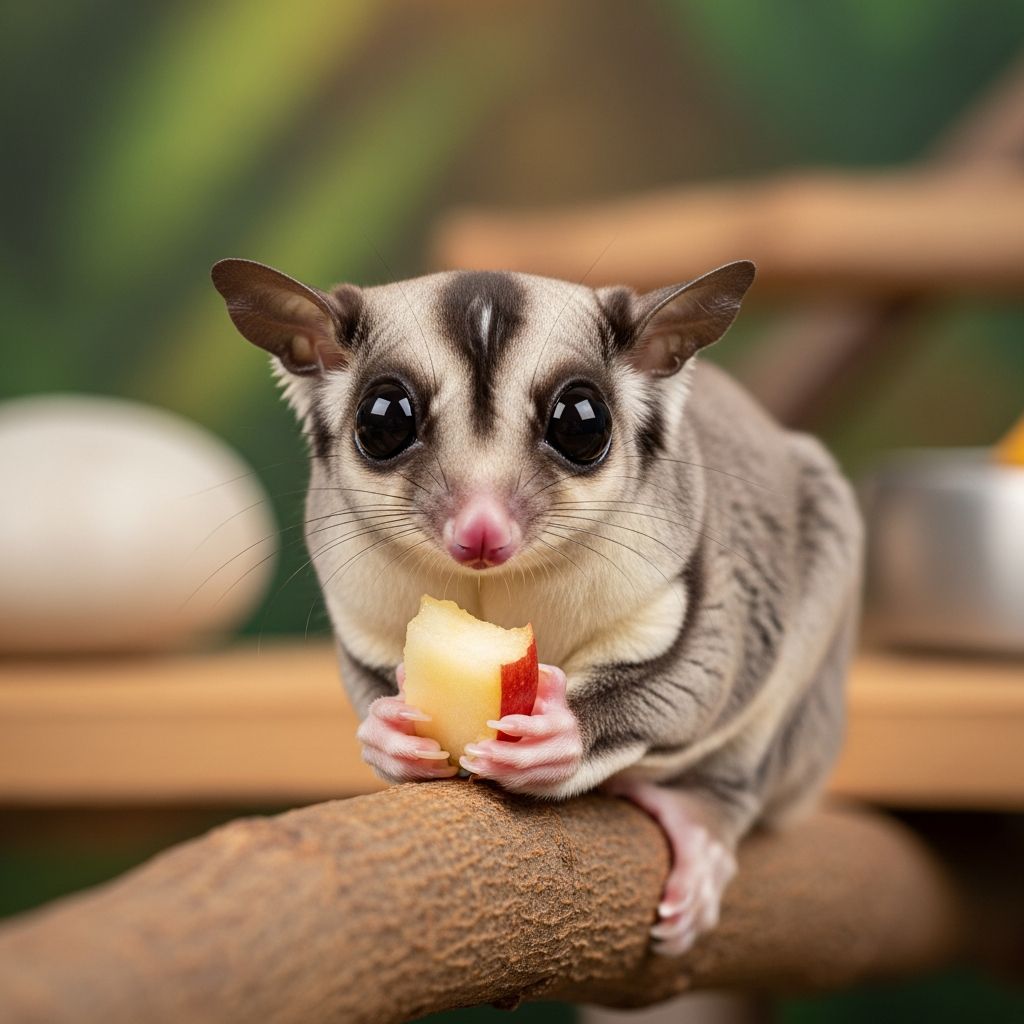
Sugar gliders are small, nocturnal marsupials native to Australia that have become increasingly popular as exotic pets. These tiny creatures, which typically weigh between 3 to 5 ounces, are known for their adorable appearance, large eyes, and the ability to glide between trees using a membrane that stretches between their limbs. However, before deciding to bring a sugar glider into your home, it’s crucial to understand that they require specialized care, consistent attention, and a significant time commitment. These are not impulsive adoption pets—they demand dedication and knowledge from their owners to thrive in captivity.
Sugar gliders are highly social animals that should never be kept alone. In their natural habitat, they live in family groups, and this social structure is essential for their psychological well-being. When properly cared for and socialized, sugar gliders can form strong bonds with their owners, though they require patience and consistent interaction to develop these relationships.
Housing and Cage Requirements
Providing appropriate housing is one of the most critical aspects of sugar glider care. These active, climbing animals need spacious, multi-level cages that allow them to engage in natural behaviors. The minimum cage size should be at least 3 feet tall and 2.5 feet wide, with bar spacing no more than 1/2 inch apart to prevent escape or injury. PVC-coated wire cages are preferable as they are durable and easy to clean.
The cage should be positioned in a part of your home where it won’t be disturbed during the day, as sugar gliders are nocturnal and need adequate rest. Inside the cage, provide multiple levels and climbing opportunities to keep your gliders mentally stimulated and physically active.
Bedding and Cage Setup
Line the bottom of your sugar glider’s cage with appropriate bedding materials. Safe options include paper towels, hay, or Carefresh bedding. Avoid wood shavings entirely, as these can cause irritation and infection to the eyes, nose, throat, and respiratory system. The cage should be equipped with a plastic bin underneath the main enclosure, making it easy to collect feces that drop through the metal bars.
Essential cage accessories include:
- Fleece pouches or nest boxes for sleeping and security
- Multiple sleeping pouches if you have more than one glider, ensuring each has a safe hiding spot
- Toys and enrichment items such as wooden toys, ropes, and puzzle feeders
- A sugar glider-safe wheel for exercise
- Climbing branches and various levels
If you have multiple sugar gliders sharing a cage, provide multiple hiding spots and sleeping areas so each animal feels secure and has personal space when needed.
Temperature and Environmental Control
Maintaining proper temperature is essential for sugar glider health. These animals thrive in temperatures between 75 to 80 degrees Fahrenheit. If you live in a cooler climate, you’ll need to provide supplemental heat sources, such as a heat rock or heat tape, to maintain these conditions year-round. Never allow the temperature to drop significantly, as sugar gliders can become stressed and ill in cold environments.
Nutrition and Feeding
Malnutrition is one of the most common health problems in captive sugar gliders, making proper diet crucial for their longevity and well-being. A balanced diet typically consists of 75% high-quality pellets and 25% fresh produce. Pellets formulated specifically for sugar gliders provide essential nutrients, vitamins, and minerals necessary for optimal health.
Fresh Foods and Supplements
Fresh fruits and vegetables should make up about 25% of your sugar glider’s diet. Safe options include apples, berries, papaya, and leafy greens. However, it’s important to remove any uneaten fresh food from the cage within a few hours to prevent spoilage and bacterial growth. Always provide filtered or bottled water, as sugar gliders are sensitive to changes in water quality and chlorine.
Your veterinarian may recommend specific supplements to ensure your sugar gliders receive all necessary nutrients. These supplements are particularly important for calcium and vitamin D3, which are critical for bone health and preventing metabolic diseases.
Water and Hydration
Fresh, clean water must be provided daily. It’s recommended to outfit your cage with both a conventional glass water bottle and a secondary water dish. Check water daily and change it at least once. Use only filtered or bottled water to avoid exposing your gliders to tap water chemicals and chlorine that may affect their sensitive systems.
Cleaning and Hygiene
Maintaining a clean living environment is vital for preventing illness and managing odor in your sugar glider’s cage. Regular cleaning routines help keep your pets healthy and your home fresh-smelling.
Daily and Weekly Cleaning Schedule
Spot-clean the cage every 1 to 2 days, removing soiled bedding, uneaten food, and feces. Dump the drop pan at least 2 times a week or daily if you prefer. Perform a thorough cleaning of the entire cage, including all accessories, toys, and surfaces, at least once weekly. For homes with multiple sugar gliders, increase the frequency to multiple cleanings per week.
All food and water dishes should be cleaned daily. When cleaning hard cage items, safe options include vinegar solutions and diluted bleach, though some owners prefer dish soap and water with a non-scratch sponge. Never clean the cage while your gliders are inside, as exposure to cleaning chemicals can irritate their eyes, nose, and lungs.
Personal Hygiene Considerations
Sugar gliders keep themselves clean and do not require water, dust, or shampoo baths unless specifically prescribed by your veterinarian. However, maintaining good personal hygiene when handling your gliders is essential. Always wash your hands thoroughly, including under the fingernails, before handling your pets to avoid transferring toxins or bacteria.
Socialization and Bonding
Sugar gliders require extensive socialization to become comfortable and affectionate pets. These social animals should be handled for at least 30 minutes daily, though more interaction is always beneficial. The best time to handle them is in the evening to avoid disrupting their daytime sleep.
Bonding Process
Bonding with a sugar glider is an intensive process that requires patience and consistency. Start by sleeping with a piece of fleece, then place it in your glider’s cage so they become accustomed to your scent. After a few days of settling in, begin gentle interaction. Many owners find that keeping their sugar gliders in a bonding pouch as they go about their daily activities strengthens the relationship and allows the gliders to adjust to their owner’s presence and scent.
Though sugar gliders are nocturnal animals, they can adjust to various schedules as long as the schedule allows for maximum time with their owners. The more consistent and positive your interactions, the stronger the bond will become.
Enrichment and Mental Stimulation
Beyond bonding with humans, sugar gliders need enrichment to prevent boredom and behavioral problems. Provide puzzles, toys, and activities that encourage natural behaviors. Toys should be rotated regularly and replaced every 3 to 4 months for hygiene purposes. Avoid items that can entangle your gliders, such as loose strings or wire.
Health and Veterinary Care
Regular veterinary care is essential for maintaining your sugar gliders’ health. Annual health checks are strongly recommended, even if your pets appear healthy. Find a veterinarian experienced with exotic animals, particularly marsupials, as sugar gliders require specialized medical knowledge.
Common Health Concerns
Sugar gliders are relatively low-maintenance creatures, but several health issues can arise without proper care. Malnutrition, improper temperature exposure, and inadequate socialization are among the most common problems. To minimize risks, maintain a balanced diet, provide consistent temperature control, and ensure regular handling and interaction.
Preventing Injuries and Toxin Exposure
Keep your sugar gliders away from common household hazards. Remove fruit-scented air fresheners, cleaners, and scented candles, as these can be toxic. Avoid using pesticides or rodent baits near your gliders’ cage. If you’re cleaning your home with commercial products, remove your sugar gliders and their cage from the room during the process to prevent exposure to harmful chemicals.
Wash your hands thoroughly before handling your pets to prevent transferring toxins or bacteria. This simple practice is one of the most important ways to protect your sugar gliders from accidental poisoning or infection.
Behavioral Characteristics
Understanding sugar glider behavior is important for providing appropriate care and managing expectations. These animals are nocturnal, meaning they are active at night and sleep during the day. This can result in significant noise during nighttime hours, including loud vocalizations and movement throughout the cage.
Bonding and Personality
Sugar gliders bond very closely to their owners, though individual personalities vary. Some gliders are exceptionally sweet and affectionate, while others may be more skittish or reserved. Bonding primarily occurs through scent, which is why spending time with your gliders and allowing them to become familiar with your scent is so important.
Toilet Training and Handling
Sugar gliders cannot be toilet trained in the traditional sense. However, they are clean and predictable animals. Learning to recognize your glider’s body language and behavioral cues can help you anticipate when they need to urinate, often immediately after waking or being removed from their pouch. Many gliders will urinate on their owner when first taken out, so having a designated handling area or cloth is practical.
Neutering and Reproduction
Male sugar gliders may be castrated to reduce fighting and prevent reproduction. Unneutered males will emit a strong, distinctive odor as they mark their territory. Most reputable breeders sell only neutered males for this reason. Discuss neutering options with your veterinarian, as this procedure can significantly improve life quality for males living in multi-glider households.
Special Considerations for First-Time Owners
If you’re considering sugar gliders as pets for the first time, understand that they require specific supplies and knowledge to thrive. Essential items include a spacious cage with multiple levels, filtered water bottles, appropriate bedding materials, sleeping pouches, toys, and a bonding pouch for carrying your gliders safely outside the cage.
Additionally, consider that sugar gliders can live 12 to 14 years or possibly longer with proper care. This is a long-term commitment requiring consistent attention, appropriate finances for veterinary care, and dedication to meeting their specific needs.
Frequently Asked Questions
Q: How much space do sugar gliders need?
A: Sugar gliders require a minimum cage size of at least 3 feet tall and 2.5 feet wide with bar spacing no more than 1/2 inch apart. Multi-level cages are ideal to provide climbing opportunities and mental stimulation.
Q: Can sugar gliders be kept alone?
A: No, sugar gliders are highly social animals and should not be kept alone. They require the companionship of other sugar gliders or extensive daily interaction with their human owners to prevent depression and behavioral problems.
Q: What temperature do sugar gliders need?
A: Sugar gliders thrive in temperatures between 75 to 80 degrees Fahrenheit. Supplemental heat sources are necessary in cooler climates to maintain proper temperature year-round.
Q: How often should I clean my sugar glider’s cage?
A: Spot-clean the cage every 1 to 2 days, dump the drop pan at least 2 times per week, and perform a thorough cleaning of the entire cage weekly. For homes with multiple gliders, increase cleaning frequency to multiple times per week.
Q: How long do sugar gliders live?
A: With proper care, including appropriate nutrition, housing, and veterinary attention, sugar gliders can live 12 to 14 years or possibly longer.
Q: What should sugar gliders eat?
A: A balanced diet consists of 75% high-quality pellets formulated for sugar gliders and 25% fresh produce such as fruits and vegetables. Always provide filtered or bottled water and any supplements recommended by your veterinarian.
Q: Do sugar gliders require baths?
A: No, sugar gliders keep themselves clean and do not require water, dust, or shampoo baths unless specifically prescribed by your veterinarian.
Q: How much time should I spend with my sugar glider?
A: Sugar gliders should be handled for at least 30 minutes daily, though more interaction is always better. Handle them in the evening to avoid disrupting their daytime sleep.
References
- All About Sugar Gliders — PetMD. https://www.petmd.com/sugar-glider/exotic/all-about-sugar-gliders
- Routine Health Care of Sugar Gliders — Merck Veterinary Manual. https://www.merckvetmanual.com/all-other-pets/sugar-gliders/routine-health-care-of-sugar-gliders
- Sugar Glider Care and Advice — Royal Veterinary College. December 2021. https://www.rvc.ac.uk/
- Caring for Your Pet Sugar Glider — NC State Veterinary Hospital College of Veterinary Medicine. https://hospital.cvm.ncsu.edu/services/small-animals/nutrition/caring-for-your-pet-sugar-glider/
- Sugar Glider Care Guide — Long Island Exotic Pet Veterinary Services. https://www.birdexoticsvet.com/sugar-glider-care-guide
Similar Articles








Read full bio of medha deb