
Sugar Glider Wellness Guide: Essential Care Tips
Comprehensive strategies for nutrition, housing, veterinary oversight, and daily maintenance to ensure your sugar glider thrives long-term.
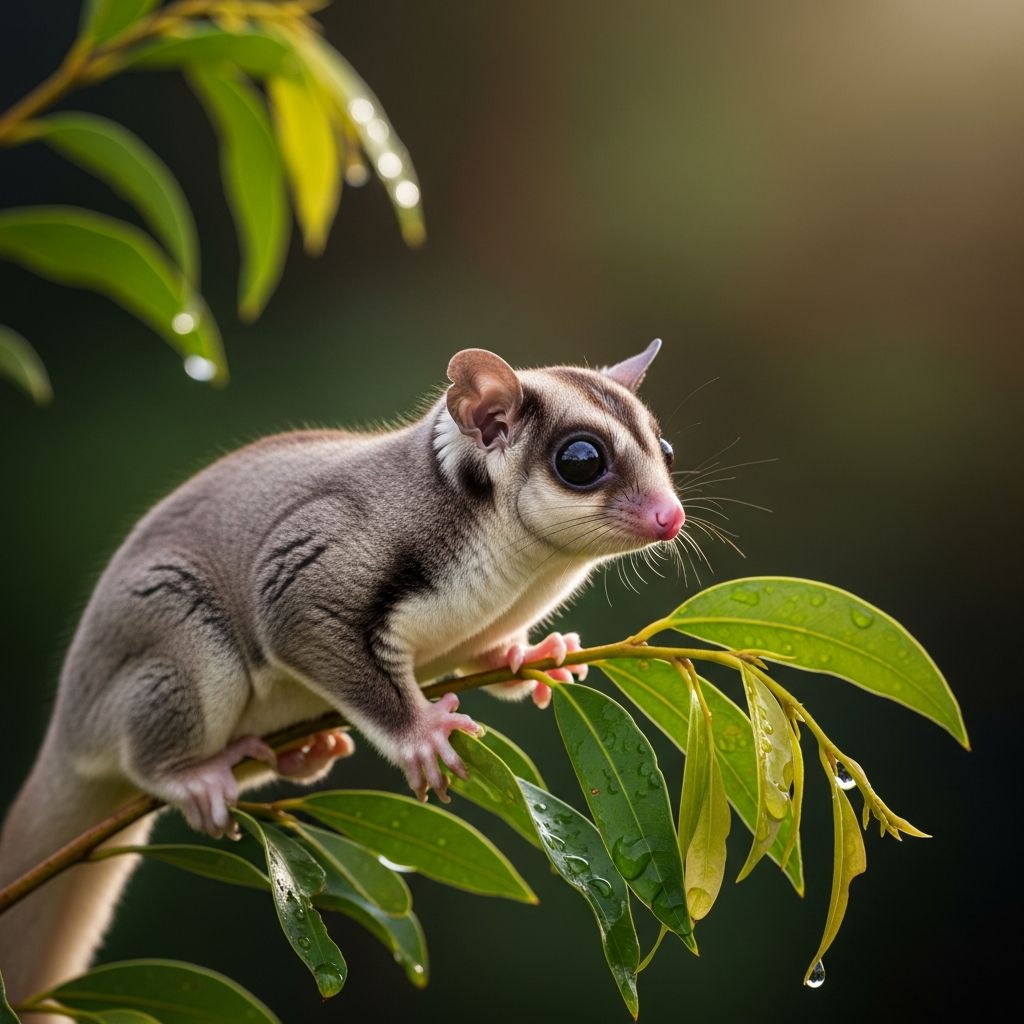
Sugar gliders, small marsupials native to Australia and New Guinea, make enchanting companions when their unique needs are met. Proper wellness management involves nutrition, environment, monitoring, and professional care to prevent issues like malnutrition or dehydration.
Selecting the Right Veterinary Partner
Before bringing home a sugar glider, identify an exotic animal veterinarian experienced with these pets. Their specialized knowledge is crucial for routine checkups and emergencies, as general vets may lack familiarity.
New owners should schedule an initial exam within the first week, including physical assessment, fecal analysis for parasites, and diet review. Annual visits thereafter typically feature bloodwork, stool exams, and dental inspections to catch problems early.
- Initial visit essentials: Full physical, parasite screening, husbandry evaluation.
- Annual protocol: Blood tests, fecal check, dental exam, weight monitoring.
- Neutering for males: Recommended to curb aggression, marking, and self-harm risks.
Nutrition Fundamentals for Vitality
Diet is the cornerstone of sugar glider health; imbalances often lead to severe conditions like hind limb weakness, vision loss, or seizures. No single “perfect” diet exists, but evidence-based approaches emphasize balance.
A typical regimen combines commercial pellets (about 75%), fresh produce (25%), and supplements. Provide calcium/vitamin powders 2-3 times weekly, dusted on food or fruit. Fresh water must be available daily via bottle or bowl.
| Food Category | Proportion | Examples | Frequency |
|---|---|---|---|
| Pellets | 75% | High-protein glider formulas | Daily |
| Produce | 25% | Apples, carrots, greens (no citrus) | Daily, remove uneaten |
| Protein Treats | Sparse | Crickets, mealworms | 1-2x/week |
| Supplements | As needed | Calcium + vitamins | 2-3x/week |
Avoid yogurt drops, dried fruits, or excess insects, as they promote obesity and nutritional deficits. Tailor diets like BML or HPW under vet guidance.
Habitat and Hygiene Best Practices
Adequate housing prevents injuries and stress. Opt for tall, well-ventilated wire cages (minimum 24x24x36 inches for a pair), avoiding aquariums or mesh that risks limb entrapment.
Maintain 70-90°F with 50-60% humidity; use heat lamps or pads cautiously to avoid burns. Include branches, pouches, wheels, and toys for climbing and foraging. Spot-clean daily, deep-clean weekly with pet-safe disinfectants.
- Daily: Remove waste, refresh food/water, discard uneaten produce.
- Weekly: Full cage scrub, laundry of fabrics.
- Monthly: Disinfect accessories, inspect for wear.
Hand-wash before handling to prevent bacterial transfer.
Recognizing and Responding to Health Concerns
Sugar gliders mask illness, so vigilance is key. Prompt intervention is vital, as dehydration or starvation can turn fatal rapidly.
Common Symptoms Requiring Immediate Vet Attention
- Lethargy, appetite loss, weight decline.
- Watery eyes/nose, labored breathing, abnormal stools.
- Baldness, scaly skin, sores, hind leg dragging.
- Dry mucous membranes, sunken eyes, skin tenting (dehydration).
Frequent Conditions
Malnutrition/Hypocalcemia: From poor calcium ratios, causing paralysis, cataracts, obesity.
Dental Issues: Tartar, fractures, abscesses; may need anesthesia for cleaning.
Other Risks: Self-mutilation (stress-related), parasites, wounds from falls.
For dehydration, vets may use subcutaneous fluids; never delay.
Administering Treatments Safely
Owners rarely medicate alone; vets guide protocols. Antibiotics are generally safe when indicated, given orally or injected. Blood draws often require light sedation.
Supportive care includes force-feeding if anorexic and warmth for hypothermic gliders. Follow vet diets post-dental surgery.
Preventive Strategies for Longevity
Proactive steps extend lifespan to 10-15 years. Prioritize pair housing for social needs, but introduce gradually. Regular weigh-ins track health.
- Consistent supplementation prevents deficiencies.
- Cleanliness curbs infections.
- Enrichment reduces stress behaviors.
Frequently Asked Questions (FAQs)
Do sugar gliders need vaccines?
No routine vaccines exist; focus on exams and parasite checks.
How often should I supplement calcium?
2-3 times weekly, per vet-approved products.
Can sugar gliders live alone?
They are colony animals; pairs or groups are ideal to prevent depression.
What if my glider stops eating?
Seek vet care immediately—could signal serious illness.
Is neutering necessary?
Highly recommended for males to minimize behavioral issues.
Daily Care Checklist
| Task | Frequency |
|---|---|
| Check weight | Weekly |
| Provide fresh water | Daily |
| Spot clean cage | Daily |
| Supplement vitamins | 2-3x/week |
| Enrichment rotation | Weekly |
References
- Routine Health Care of Sugar Gliders — Merck Veterinary Manual. 2023. https://www.merckvetmanual.com/all-other-pets/sugar-gliders/routine-health-care-of-sugar-gliders
- Sugar Glider Care Guide — Bird Exotic Vet. 2023. https://www.birdexoticsvet.com/sugar-glider-care-guide
- Sugar Glider Care Recommendations — MedVet. 2023. https://www.medvet.com/sugar-glider-history-care-recommendations/
- All About Sugar Gliders — PetMD. 2023. https://www.petmd.com/sugar-glider/exotic/all-about-sugar-gliders
- Sugar Gliders — Purdue University College of Veterinary Medicine. 2020. https://vet.purdue.edu/hospital/small-animal/primary-care/documents/SugarGliders.pdf
- Sugar Glider Trifold — Association of Exotic Mammal Veterinarians. 2024-10. https://aemv.org/wp-content/uploads/2024/10/aemv_trifold_sugar_glider_we.pdf
Similar Articles








Read full bio of medha deb


