
Sugar Glider Health Issues: Comprehensive Guide For Owners
Comprehensive guide to recognizing, preventing, and treating common disorders in pet sugar gliders for optimal care.
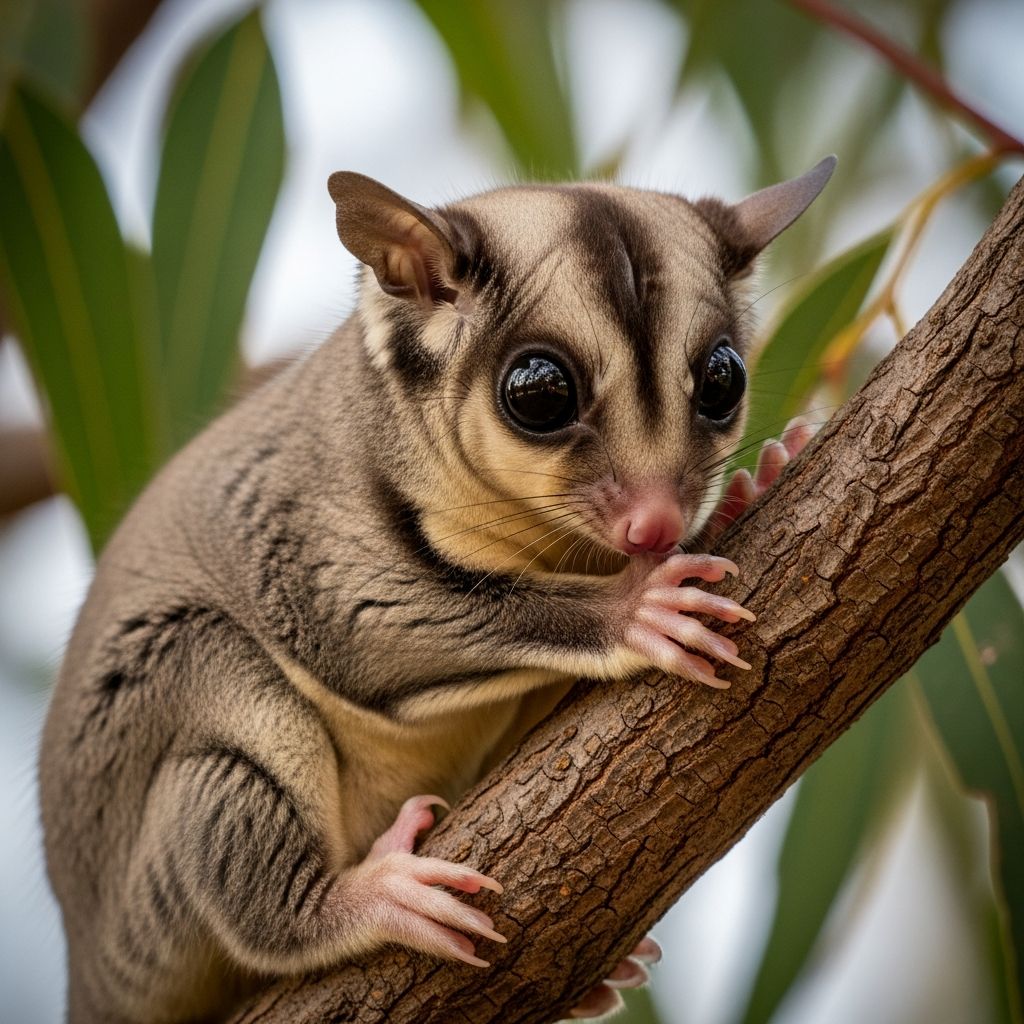
Sugar gliders, small marsupials native to Australia and New Guinea, make engaging exotic pets known for their gliding ability and social nature. However, they face unique health vulnerabilities in captivity, often tied to diet, environment, and genetics. Early detection of issues like weakness, appetite loss, or unusual behavior can significantly improve outcomes. This guide details prevalent conditions, symptoms, causes, and management strategies based on veterinary insights.
Recognizing Early Warning Signs
Subtle changes often signal trouble in sugar gliders. Owners should watch for lethargy, reduced activity, fur matting from soiled hindquarters, hunched posture, or excessive sleeping during active hours. Weight fluctuations, visible spine or hip bones, or reluctance to glide indicate potential problems. Regular handling and weekly weigh-ins help track health trends.
- Lethargy or depression: Common in infections or malnutrition.
- Appetite loss: Precedes weight decline in most illnesses.
- Weight loss: A key nonspecific indicator across conditions.
- Behavioral shifts: Less vocalization or bonding signals stress or pain.
Nutritional Disorders: The Leading Culprit
Dietary imbalances top the list of sugar glider ailments, stemming from improper captive feeding like excess fruit or inadequate protein and calcium. These lead to severe consequences if unaddressed.
Hypocalcemia and Hind Limb Weakness
Low blood calcium, or hypocalcemia, arises from diets deficient in calcium relative to phosphorus, often lacking gut-loaded insects or supplements. Initial signs include hind leg tremors, dragging, or full paralysis, progressing to seizures in severe cases. Bones weaken, risking fractures, while muscles and organs suffer. Veterinary blood tests confirm low calcium levels; treatment involves dietary overhaul with calcium-rich foods, oral supplements, and monitoring. Prevention hinges on balanced ratios: 2:1 calcium-to-phosphorus.
Obesity and Related Complications
Overfeeding high-fat or sugary treats causes obesity, straining the heart, liver, and joints. Fat gliders develop fatty liver disease, diabetes, arthritis, and cardiac issues, shortening lifespan. Symptoms include bulging abdomen, reduced gliding, and labored breathing. Weight management requires portion control, exercise wheels, and foraging toys to mimic wild behaviors.
| Condition | Symptoms | Prevention |
|---|---|---|
| Hypocalcemia | Tremors, paralysis, seizures | Calcium:phosphorus 2:1 ratio |
| Obesity | Weight gain, lethargy, joint pain | Low-fat diet, daily activity |
Infectious Diseases and Parasites
Sugar gliders’ immune systems falter under stress, inviting bacterial, protozoal, and parasitic invaders. Clean enclosures and quarantine new arrivals curb spread.
Bacterial and Protozoal Infections
Bacteria cause skin abscesses from bites, sepsis, or respiratory issues. Protozoa like Giardia, Cryptosporidium, and Trichomonas trigger diarrhea, vomiting, cramps, and dehydration. Fecal staining around the tail is a giveaway. Diagnosis via stool exams and cultures guides antibiotic or antiparasitic therapy. Human transmissible risks demand hygiene.
External Parasites and Skin Problems
Mites lead to ear crusting, itching, and hair loss. Stress-induced alopecia affects poorly socialized or unneutered males. Bacterial overgrowth worsens wounds. Treatments include topical meds and environmental decontamination.
Urinary and Reproductive Tract Problems
These systems are prone to blockages and infections, especially in older gliders.
Urinary Issues
Cystitis, crystals, stones, or blockages present as bloody urine, straining, or frequent attempts. Hydration, urinalysis, and antibiotics help; severe cases need flushing or surgery. Geriatric kidney failure shows thirst, weakness, and poor prognosis due to irreversible damage.
Reproductive Disorders
Females risk pyometra or infections; males develop paracloacal gland impactions causing self-trauma. Neutering/spaying prevents many issues and reduces aggression.
Neurological and Musculoskeletal Conditions
Beyond nutrition, gliders suffer polioencephalomalacia (brain deterioration) with dizziness, incoordination, and paralysis. Thiamine supplementation aids recovery; exact causes unknown but diet-linked. Traumas like falls cause fractures or spinal injuries mimicking paralysis.
Cancers and Age-Related Diseases
Older gliders face tumors: hepatocellular carcinoma, adrenocortical cancers, mammary adenocarcinoma, and sarcomas. Symptoms vary by site but include lumps, weight loss, or organ failure. Surgery and chemo offer palliation, though prognosis is guarded. Cataracts from poor joey formulas or deficiencies affect vision.
Respiratory, Dental, and Gastrointestinal Woes
Poor ventilation fosters pneumonia; dental abscesses from overgrown teeth lead to facial swelling or retrobulbar issues. Diarrhea from diet or parasites dehydrates rapidly; gastric dilatation causes sudden bloating.
Preventive Care Essentials
Proactive steps extend glider lifespan to 12-15 years.
- Diet: 50% protein (insects, pellets), 25% produce, 25% fruits; calcium supplements.
- Housing: Tall cages, branches, pouches; 75-80°F, low humidity.
- Socialization: Pairs or colonies to prevent stress.
- Vet Visits: Annual exams, fecal tests; exotic specialist ideal.
- Hygiene: Daily spot-clean, weekly full cleans.
When to Seek Veterinary Help
Urgent signs: seizures, paralysis, heavy breathing, non-stop diarrhea, wounds, or blood in urine/stool. Avoid home remedies; gliders decline fast. Post-op self-mutilation requires e-collars or glue sutures.
FAQs
Can sugar gliders recover from hind leg paralysis?
Yes, if nutritional; many regain function with prompt calcium therapy and diet fixes.
How do I prevent obesity in my sugar glider?
Measure food, limit treats, provide climbing structures for exercise.
Are sugar gliders prone to cancer?
Older ones yes, with various types reported; regular checks aid early detection.
What causes diarrhea in sugar gliders?
Diet errors, parasites, bacteria; vet fecal test needed.
Do sugar gliders need vaccines?
No standard ones, but preventives for parasites and checkups essential.
References
- All About Sugar Gliders — PetMD. 2023. https://www.petmd.com/sugar-glider/exotic/all-about-sugar-gliders
- Diseases and Syndromes of Sugar Gliders — Merck Veterinary Manual. 2024-02-01. https://www.merckvetmanual.com/exotic-and-laboratory-animals/sugar-gliders/diseases-and-syndromes-of-sugar-gliders
- Sugar Gliders Common Diseases — VCA Animal Hospitals. 2023. https://vcahospitals.com/know-your-pet/sugar-gliders-common-diseases
- Disorders and Diseases of Sugar Gliders — Paws Universe. 2022-10-15. https://pawsuniverse.com/self-care/disorders-and-diseases-of-sugar-gliders/
- 12 Common Medical Problems In Sugar Gliders — Chewy. 2023. https://www.chewy.com/education/small-pet/sugar-glider/12-common-medical-problems-in-sugar-gliders
- Sugar Glider Illness Signs — Morning Side Veterinary. 2024-01-20. https://www.morningsideveterinary.com/sugar-glider-illness-signs/
Similar Articles








Read full bio of Sneha Tete


