
Sugar Glider Health Disorders: Signs, Causes, Treatments
Comprehensive guide to identifying, preventing, and treating common diseases in sugar gliders for optimal pet care.
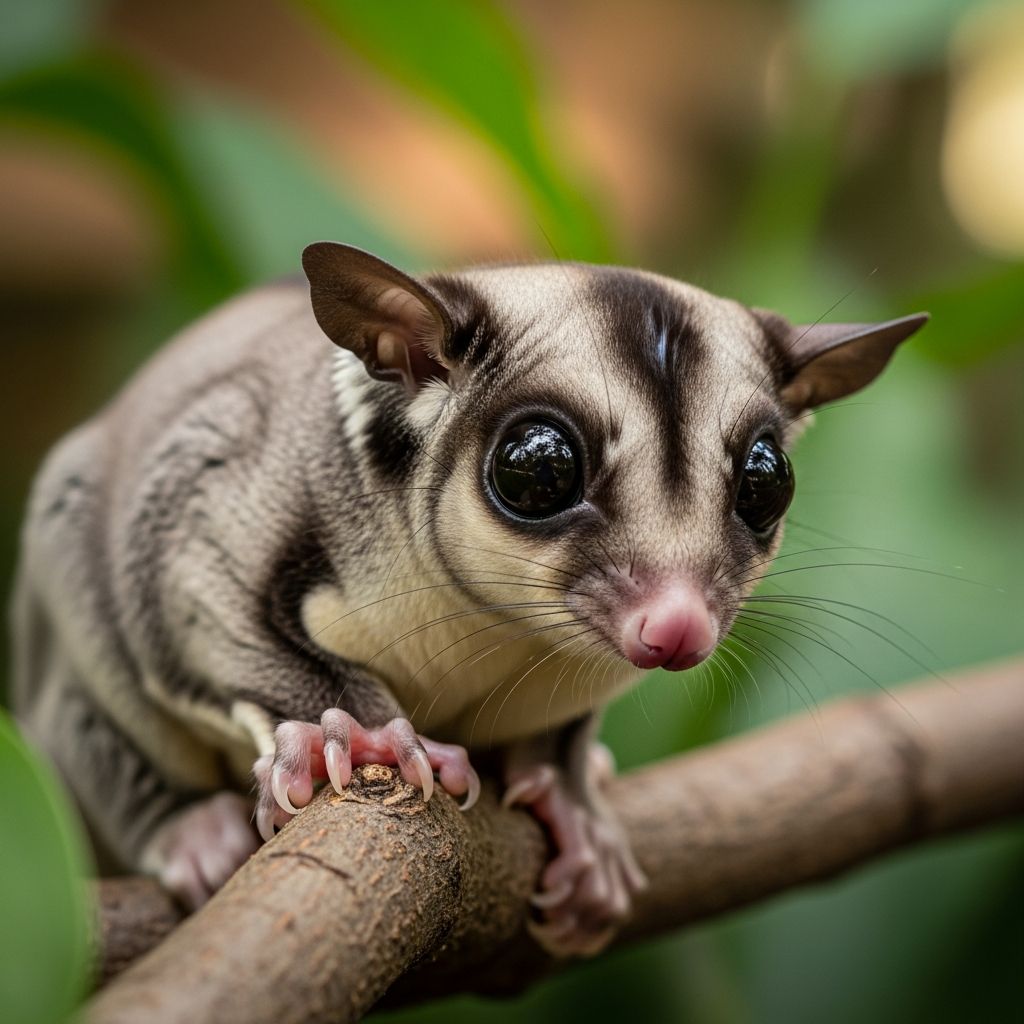
Sugar gliders, small marsupial pets native to Australia and New Guinea, face a range of health challenges in captivity. Proper care, including balanced nutrition and clean environments, is crucial to prevent many disorders. This article details common conditions, their causes, signs, and management strategies.
Recognizing Early Signs of Illness
Detecting health problems early improves outcomes for sugar gliders. Owners should watch for subtle changes in behavior and appearance. Healthy gliders are active at night, glide effortlessly, and maintain glossy fur with bright eyes.
- **Behavioral shifts:** Reduced activity, excessive sleeping during active hours, or isolation from cage mates signal distress.
- **Physical indicators:** Weight loss, hunched posture, ruffled fur, or limping suggest underlying issues.
- **Discharge and waste changes:** Watery eyes, nasal secretions, abnormal feces, or urine staining indicate infections or digestive upset.
Routine handling and weekly weigh-ins help spot these signs promptly. Annual veterinary exams, including fecal tests and blood work, are recommended for early intervention.
Nutritional Imbalances and Their Impact
Inadequate diets are a primary cause of illness in captive sugar gliders. Wild gliders consume eucalyptus sap, insects, and fruits, but pets often receive improper foods leading to deficiencies.
**Calcium deficiency (hypocalcemia):** Leads to hind leg paralysis (HLP), tremors, and seizures. Symptoms include dragging hind limbs and muscle weakness. Caused by high-phosphorus diets like seeds or excessive fruits. Treatment involves calcium supplements and dietary correction; severe cases may require fluids and pain management.
**Obesity and malnutrition:** Overfeeding treats or underfeeding protein/fiber causes fatty liver disease or weakened immunity. Provide 50% vegetables, 25% protein (insects, cooked meat), 25% fruits, and glider-specific pellets.
| Nutrient | Deficiency Signs | Sources |
|---|---|---|
| Calcium | HLP, tremors | Leafy greens, calcium powder |
| Vitamin D | Bone weakness | UVB lighting, supplements |
| Protein | Muscle wasting | Insects, eggs |
Infectious Conditions: Bacterial and Viral Threats
Bacterial infections are prevalent due to unsanitary cages or contact with other pets. Common pathogens include Pasteurella multocida from rabbits, staphylococci, streptococci, and Clostridium species.
Symptoms are often vague: lethargy, anorexia, fever, or abscesses from wounds. Skin infections arise from fights or trauma. Diagnosis via cultures guides antibiotic choice; amoxicillin or clavulanic acid suspensions work well due to gliders’ digestive tolerance.
Respiratory infections, like pneumonia, stem from damp cages or drafts. Signs include sneezing, labored breathing, and nasal discharge. Fungal issues, though rare, mimic bacterial ones and require specific antifungals.
Parasitic Infestations in Sugar Gliders
Protozoal parasites pose significant risks.
Giardiasis
causes intermittent diarrhea, weight loss, and dehydration, spread via contaminated water or produce. Metronidazole treats it effectively; regular fecal exams every 6 months are advised.**Toxoplasmosis**, from cat feces, leads to neurological signs like circling, seizures, or sudden death. Prevent by isolating from cats and cleaning enclosures thoroughly.
Other parasites include coccidia (fatal diarrhea in joeys), cryptosporidiosis, and strongyles. External mites cause itching and hair loss; ivermectin or selamectin resolves them. Zoonotic risks like salmonellosis necessitate handwashing after handling.
Digestive Disorders and Diarrhea Management
Diarrhea is a frequent emergency, staining fur and causing rapid dehydration. Causes: dietary excess (fruits/baby food), bacteria (Salmonella, E. coli), or parasites like Tritrichomonas.
Treat with fluids, probiotics, and cause-specific meds. Withhold fruits temporarily; offer electrolytes. Chronic cases need endoscopy or biopsies. Constipation from low-fiber diets responds to pumpkin or oils.
Urinary and Reproductive Tract Problems
**Urinary tract disorders** (cystitis, uroliths) present with blood in urine, straining, or incontinence. Bacterial overgrowth in cloaca or poor hygiene contributes. Urinalysis and cultures confirm; antibiotics and diet changes (low-protein) help.
Females develop pyometra or pouch infections; males get paracloacal gland impactions, causing self-mutilation. Surgical flushing or gland expression prevents complications.
Respiratory and Neurological Conditions
Poor ventilation fosters pneumonia, with symptoms like open-mouth breathing. Antibiotics and nebulization aid recovery.
Neurological issues include toxoplasmosis effects or trauma-induced seizures. HLP from nutrition overlaps here, requiring supportive care.
Cancers and Age-Related Diseases
Older gliders (>5 years) develop neoplasia: hepatocellular carcinoma, lymphomas, mammary adenocarcinomas, melanomas, and scent gland tumors. Symptoms: lumps, weight loss, organ failure. Surgery, chemo, or palliation based on type.
Endocrine alopecia (hair loss) and diabetes (from pancreatitis) occur in seniors. Insulin manages diabetes; spaying prevents reproductive cancers.
Trauma, Injuries, and Self-Mutilation
Falls, fights, or pet interactions cause fractures or wounds. Hind leg injuries mimic HLP. X-rays guide splinting or surgery; pain meds essential.
Post-op self-chewing requires e-collars or skin glue over sutures. Solitary gliders stress-mutilate; pair housing reduces this.
Dental and Oral Health Concerns
Overgrown teeth or malocclusion from soft diets leads to abscesses. Signs: drooling, pawing mouth, facial swelling. Extractions under anesthesia, plus filing, resolve issues.
Preventive Care Strategies
**Housing:** Spacious cages (minimum 24x24x36 inches), branches for gliding, 70-90°F temps, 12-hour light cycle.
**Diet:** Fresh water daily, varied foods, calcium:phosphorus ratio 2:1.
**Hygiene:** Weekly cage cleaning, quarantine new gliders.
**Vet care:** Exotic specialist visits, vaccines unnecessary but fecal/radiograph screens vital.
Frequently Asked Questions (FAQs)
What causes hind leg paralysis in sugar gliders?
Primarily nutritional, from calcium deficiency, but trauma or infections contribute. Correct diet reverses early cases.
Are sugar gliders prone to zoonotic diseases?
Yes, salmonella, giardia, toxoplasmosis can transmit to humans. Practice hygiene.
How do I treat diarrhea at home?
Don’t; seek vet care. Hydrate with pedialyte, but identify cause professionally.
Can sugar gliders recover from cancer?
Depends on type/stage; surgery helps localized tumors.
What’s the lifespan of a healthy sugar glider?
10-15 years with proper care; poor husbandry shortens it.
References
- Diseases and Syndromes of Sugar Gliders — MSD Veterinary Manual. 2023. https://www.msdvetmanual.com/exotic-and-laboratory-animals/sugar-gliders/diseases-and-syndromes-of-sugar-gliders
- Sugar Gliders Common Diseases — VCA Animal Hospitals. 2024. https://vcahospitals.com/know-your-pet/sugar-gliders-common-diseases
- Sugar Glider – Association of Exotic Mammal Veterinarians — AEMV. 2024-10. https://aemv.org/wp-content/uploads/2024/10/aemv_trifold_sugar_glider_we.pdf
- Sugar Gliders — Purdue University College of Veterinary Medicine. 2023. https://vet.purdue.edu/hospital/small-animal/primary-care/documents/SugarGliders.pdf
- Sugar Glider Health Signs — Morningside Veterinary. 2024. https://www.morningsideveterinary.com/sugar-glider-illness-signs/
Similar Articles








Read full bio of medha deb


